
LEED (Leadership in Energy and Environmental Design) accreditation, at its core, represents a strategic financial investment and a powerful tool in business finance. Far from being merely an environmental badge, it is a globally recognized certification system that significantly impacts a building’s economic viability, operational costs, and long-term asset value. For businesses, investors, and property developers, understanding LEED accreditation means grasping its profound financial implications, from initial capital outlay to sustained operational savings and enhanced market positioning within the burgeoning green economy.
LEED as a Strategic Business Investment
Pursuing LEED certification is not just a philanthropic endeavor; it is a calculated business decision that yields substantial financial returns and mitigates various forms of risk. In the context of business finance, LEED provides a framework for designing, constructing, operating, and maintaining high-performance buildings that are both environmentally responsible and profitable.
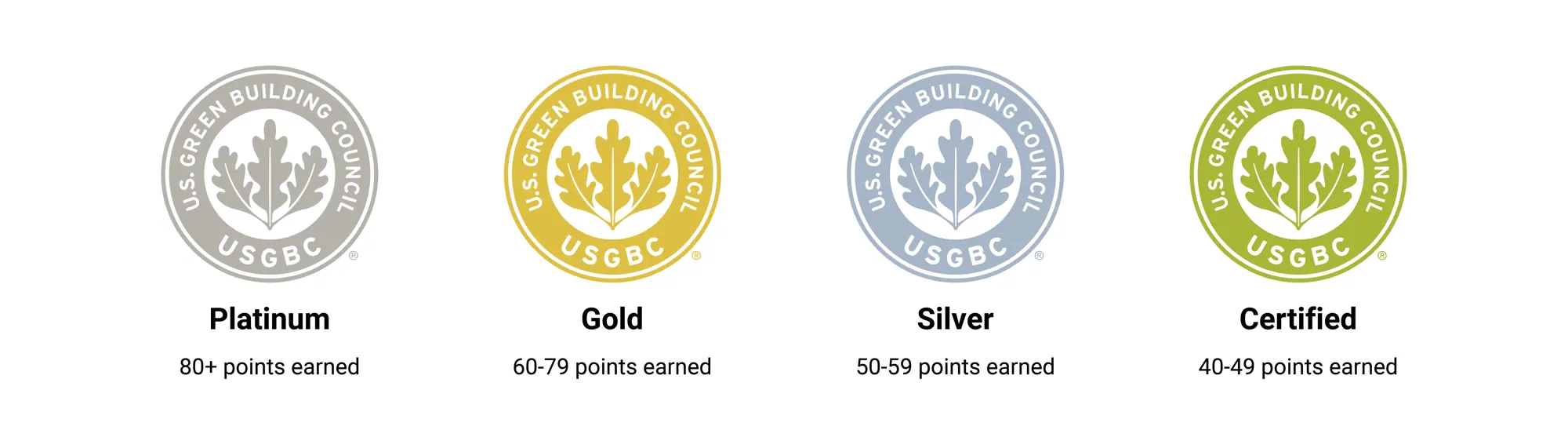
The Investment Thesis for Green Buildings
The initial investment in LEED-certified construction or renovation often involves upfront costs for sustainable materials, energy-efficient systems, and expert consulting. However, viewing these as expenses rather than investments would be a miscalculation. The investment thesis for LEED-certified buildings rests on several pillars: long-term operational cost reductions, increased asset value, enhanced marketability, and access to a growing pool of green financing options.
- Long-term Operational Savings: The primary financial driver for many businesses pursuing LEED is the significant reduction in operating expenses. Certified buildings are designed to consume less energy and water, leading to lower utility bills over their lifespan.
- Risk Mitigation: Investing in LEED can mitigate financial risks associated with fluctuating energy prices, water scarcity, and potential future regulations on carbon emissions or resource consumption. It future-proofs assets against rising operational costs and regulatory changes.
- Investor Appeal: Green buildings are increasingly attractive to institutional investors, real estate investment trusts (REITs), and socially responsible investment (SRI) funds. These investors often prioritize assets with strong environmental, social, and governance (ESG) performance, making LEED certification a key differentiator.
- Employee Productivity and Retention: While not directly a financial line item, improved indoor environmental quality in LEED buildings can lead to better occupant health, reduced absenteeism, and increased productivity. These factors indirectly contribute to the bottom line by enhancing human capital efficiency.
Quantifiable Financial Returns of LEED Certification
The financial benefits of LEED certification are diverse and often extend beyond simple utility savings, encompassing various aspects of a business’s financial health. These returns contribute directly to a stronger balance sheet and improved profitability.
Energy and Water Cost Reductions
One of the most immediate and tangible financial benefits of LEED certification is the reduction in energy and water consumption. LEED-certified buildings are rigorously designed to optimize resource efficiency.
- Energy Efficiency: Studies consistently show that LEED-certified buildings use significantly less energy than conventional buildings. This translates into lower monthly utility bills, offering a continuous stream of savings throughout the building’s operational life. For large commercial portfolios, these savings can amount to millions of dollars annually. Features like high-performance insulation, efficient HVAC systems, LED lighting, and renewable energy integration directly contribute to these reductions.
- Water Conservation: LEED projects prioritize water-efficient landscaping, plumbing fixtures, and wastewater treatment systems. This can lead to substantial reductions in water consumption and associated costs, particularly in regions facing water scarcity or rising water rates. Graywater recycling and rainwater harvesting further amplify these savings.
Waste Reduction and Resource Management

LEED encourages sustainable waste management practices both during construction and throughout the building’s operational phase, leading to direct cost savings.
- Construction Waste Diversion: LEED projects are incentivized to divert a high percentage of construction and demolition waste from landfills. This reduces waste disposal fees and can sometimes generate revenue through recycling or selling salvaged materials.
- Operational Waste Management: Designing buildings with efficient recycling and composting infrastructure facilitates ongoing waste reduction, minimizing waste hauling costs and promoting a circular economy approach within the facility.
LEED’s Impact on Asset Value and Business Finance
LEED certification plays a crucial role in enhancing the financial value of real estate assets and influencing critical business finance decisions, from capital expenditures to overall portfolio management.
Increased Property Value and Marketability
Certified green buildings command higher rents and sales prices compared to their conventional counterparts. This “green premium” is a significant financial advantage for developers and property owners.
- Higher Occupancy Rates: Environmentally conscious tenants and businesses are increasingly seeking space in green buildings. This demand translates into higher occupancy rates and reduced vacancy periods for LEED-certified properties, ensuring a steady revenue stream.
- Rental Premiums: Research indicates that LEED-certified office buildings often achieve higher rental rates per square foot. This premium reflects the perceived value by tenants, including lower operating costs for their businesses, improved indoor environments for employees, and the positive brand association with a sustainable location.
- Resale Value: When it comes time to sell, LEED-certified buildings frequently fetch higher prices, providing a greater return on investment for owners. The certification acts as a verifiable marker of quality and efficiency, attracting a broader pool of buyers and investors.
Access to Green Financing and Incentives
The growing focus on sustainability in the financial sector has opened new avenues for funding LEED projects, providing significant financial benefits.
- Green Bonds and Loans: Financial institutions are increasingly offering “green bonds” and sustainability-linked loans at more favorable terms (e.g., lower interest rates) for projects that meet specific environmental criteria, such as LEED certification. This reduces the cost of capital for developers and owners.
- Tax Credits and Rebates: Many local, state, and federal governments offer tax credits, grants, and rebates for green building initiatives, including specific LEED-certified features or entire projects. These incentives can significantly offset initial construction costs, improving the project’s financial feasibility.
- Insurance Savings: Some insurance providers offer reduced premiums for LEED-certified buildings, recognizing their inherent resilience, lower risk of environmental liabilities, and enhanced safety features.
Enhancing Corporate Financial Reputation and ESG Reporting
For public companies and large corporations, LEED accreditation can significantly bolster their Environmental, Social, and Governance (ESG) performance, which is increasingly vital for investor relations and overall financial standing.
- Improved ESG Scores: Achieving LEED certification demonstrates a concrete commitment to environmental stewardship, directly contributing to higher ESG scores. Strong ESG performance is linked to better financial performance, lower cost of capital, and increased investor confidence.
- Attracting Socially Responsible Investors: A growing segment of the investment community prioritizes companies with strong ESG credentials. LEED certification provides tangible evidence of a company’s dedication to sustainability, making it more attractive to these investors and potentially broadening its investor base.
- Brand Value and Stakeholder Trust: While not purely financial, an enhanced reputation through sustainable practices can lead to increased customer loyalty, better talent acquisition, and a stronger license to operate. These indirect benefits ultimately translate into improved financial performance and long-term business resilience.
In conclusion, LEED accreditation is a sophisticated financial instrument that provides a robust framework for making economically sound decisions in real estate development and management. Its impact on operational costs, asset valuation, access to capital, and corporate financial standing makes it an indispensable consideration for any entity focused on long-term profitability and sustainable growth in the modern economy.
aViewFromTheCave is a participant in the Amazon Services LLC Associates Program, an affiliate advertising program designed to provide a means for sites to earn advertising fees by advertising and linking to Amazon.com. Amazon, the Amazon logo, AmazonSupply, and the AmazonSupply logo are trademarks of Amazon.com, Inc. or its affiliates. As an Amazon Associate we earn affiliate commissions from qualifying purchases.