
The Financial Architect of Occupancy
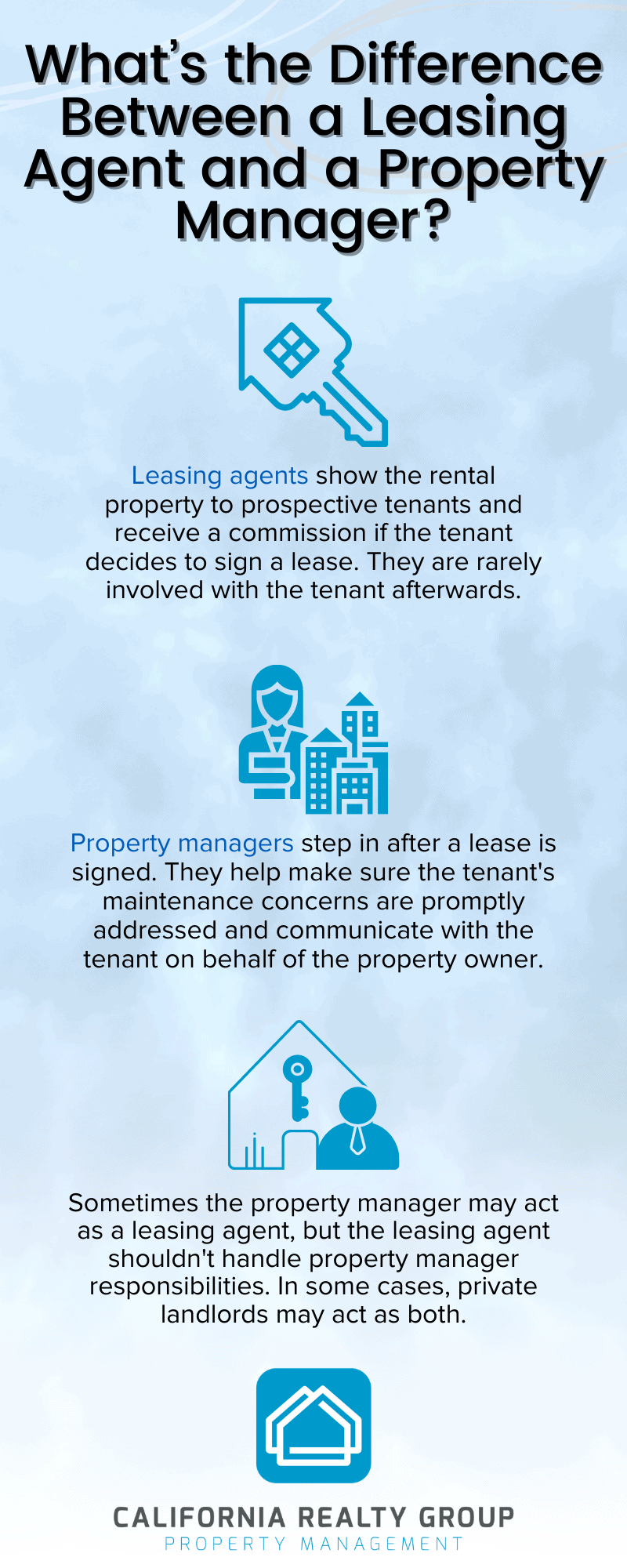
At its core, a leasing agent is a critical player in the financial ecosystem of real estate, acting as the indispensable intermediary connecting property owners with potential tenants. Their role transcends mere sales; it is fundamentally about maximizing the financial return on real estate assets, whether residential or commercial. They are not just showing properties; they are orchestrating a financial transaction that generates consistent income for investors and landlords, ensuring the productive utilization of a significant capital investment. Without effective leasing, a property, regardless of its intrinsic value, remains a dormant asset, incurring costs without generating revenue. The leasing agent’s expertise directly translates into tangible monetary benefits, optimizing cash flow and safeguarding property valuations.
Bridging Supply and Demand for Revenue
A leasing agent’s primary financial function is to bridge the gap between the supply of vacant properties and the demand from prospective renters. This involves an acute understanding of market dynamics, rental price elasticity, and competitive positioning, all with the singular goal of securing profitable leases. They analyze market trends, including average rental rates, vacancy periods, and tenant demographics, to advise property owners on optimal pricing strategies that attract qualified tenants without leaving money on the table. Their ability to effectively market available units, conduct showings, and respond to inquiries ensures a swift transition from vacancy to occupancy, directly minimizing lost rental income – a substantial financial drain for any property owner.
Maximizing Asset Utilization
Every day a property sits vacant represents a direct financial loss for its owner. A leasing agent’s objective is to minimize this unproductive period, thereby maximizing the asset’s utilization and its income-generating potential. This proactive approach to filling vacancies ensures a steady stream of rental income, which is crucial for covering mortgage payments, property taxes, insurance, and maintenance costs. For real estate investors, continuous occupancy is the bedrock of their investment strategy, facilitating positive cash flow and enabling them to service debt obligations, ultimately contributing to the long-term appreciation and profitability of their portfolio. The leasing agent ensures that capital assets are not just held, but actively perform as income-generating entities.
Driving Rental Income and Property Value
The strategic acumen of a leasing agent has a profound and direct impact on a property’s income stream and its overall market valuation. Their financial contribution extends beyond merely filling vacancies; it involves a sophisticated understanding of how various factors coalesce to enhance an asset’s financial performance. Through meticulous market analysis, strategic pricing, and efficient lease execution, they are instrumental in transforming a physical structure into a robust financial asset. This proactive management of occupancy and rental rates is fundamental to realizing the investment goals of property owners, whether they are individual landlords or large institutional investors.
Strategic Pricing for Optimal Returns
One of the most financially impactful tasks of a leasing agent is setting the optimal rental price. This isn’t a simple decision but a strategic balance between market competitiveness and maximizing revenue. Pricing too high can lead to extended vacancies, costing thousands in lost rent. Pricing too low means leaving potential income unrealized and potentially devaluing the asset in the market’s perception. Leasing agents conduct detailed comparative market analyses, scrutinizing comparable properties, analyzing local economic indicators, and understanding current demand trends. They factor in property amenities, condition, location, and even seasonal demand to pinpoint a price that attracts qualified tenants quickly while ensuring the highest possible return on investment (ROI) for the property owner. This strategic pricing directly influences the property’s gross potential income.
Reducing Vacancy Loss: A Direct Financial Impact
Vacancy is perhaps the most significant financial adversary for a property owner. Every month a unit remains empty translates into a direct reduction in the property’s net operating income (NOI). A skilled leasing agent acts as a formidable defense against vacancy loss. Their efficiency in marketing, tenant lead management, and swift processing of applications minimizes the turnover time between tenants. This rapid conversion of vacant units into occupied, income-generating assets is a cornerstone of prudent financial management in real estate. By consistently keeping occupancy rates high, leasing agents ensure a predictable and robust cash flow, which is vital for property owners to meet their financial obligations and achieve their investment objectives. The financial benefit of a reduced vacancy period is immediately quantifiable.
The Long-Term Financial Health of an Investment
Beyond immediate rental income, a leasing agent contributes significantly to the long-term financial health and appreciation of a property investment. By securing reliable, high-quality tenants, they reduce wear and tear, minimize potential damage, and foster a stable community, all of which preserve the property’s physical and financial integrity. Furthermore, consistent income generation through effective leasing strategies enables property owners to reinvest in the asset, funding upgrades and maintenance that enhance its future market value. A history of strong occupancy and rental growth, cultivated by adept leasing, is a key factor potential buyers or appraisers consider, directly influencing the property’s eventual sale price or valuation for refinancing purposes. In essence, the leasing agent is a steward of the investment’s future financial prosperity.
Mitigating Financial Risks in Lease Agreements
Leasing agents play a crucial role in safeguarding property owners from substantial financial risks that can arise from tenant disputes, property damage, or non-compliance with regulations. Their expertise in tenant screening, lease negotiation, and legal compliance acts as a protective shield for the investor’s financial interests. By meticulously vetting applicants and crafting legally sound agreements, they proactively prevent situations that could lead to costly evictions, property remediation expenses, or drawn-out legal battles, thereby preserving the asset’s profitability and the owner’s peace of mind.
Tenant Screening as Financial Due Diligence
One of the most critical financial risk mitigation strategies employed by a leasing agent is comprehensive tenant screening. This process goes far beyond a simple background check; it is a thorough financial due diligence on a prospective tenant. Agents meticulously verify income, employment history, and credit scores to assess the applicant’s ability to consistently meet rental obligations. They also review past rental history, including eviction records and landlord references, to gauge reliability and adherence to lease terms. A financially irresponsible or problematic tenant can lead to months of lost rent, costly property damage, and expensive legal fees for eviction. By meticulously filtering applicants, leasing agents significantly reduce the risk of non-payment and property damage, directly protecting the property owner’s investment and cash flow.

Negotiating Favorable Financial Terms
The negotiation phase of a lease agreement is a delicate financial dance where a skilled leasing agent can secure advantageous terms for the property owner. This includes negotiating rental rates, lease duration, rent escalation clauses, and responsibility for specific utilities or maintenance items. In commercial leasing, agents often negotiate tenant improvement allowances, ensuring that any build-outs align with the property owner’s long-term financial strategy and don’t erode potential profits. Their expertise ensures that the lease is not only signed but that its financial structure optimizes income while minimizing the owner’s financial exposure to unexpected costs, thereby maximizing the net operating income derived from the property.
Compliance and Avoiding Costly Litigation
Lease agreements are complex legal documents governed by a multitude of local, state, and federal housing laws. A minor oversight or non-compliance can lead to severe financial penalties, lawsuits, and significant legal expenses for property owners. Leasing agents are well-versed in these regulations, including fair housing laws, landlord-tenant acts, and disclosure requirements. They ensure all lease terms are compliant and that the entire leasing process adheres to legal standards, from advertising to security deposit handling. By preventing legal infringements, they mitigate the risk of costly litigation, fines, and reputational damage, thereby protecting the property owner’s financial assets and legal standing. This adherence to compliance is an indispensable financial safeguard.
The Leasing Agent as an Entrepreneurial Pursuit
For the individual, the role of a leasing agent often represents a dynamic and potentially lucrative entrepreneurial path within the broader real estate industry. It is a career choice where financial success is directly correlated with market knowledge, sales acumen, and a relentless focus on client service. Rather than a fixed salary, many leasing professionals operate on a commission basis, transforming their efforts directly into income. This structure fosters an entrepreneurial mindset, where the agent is effectively running their own mini-business, investing their time, skill, and resources to generate substantial financial returns.
Commission Structures and Earning Potential
The primary financial incentive for most leasing agents comes through commission-based compensation. This structure varies widely but commonly involves a percentage of the total lease value, a flat fee per lease, or a percentage of the first month’s rent. For example, a common commission might be 50% to 100% of the first month’s rent for residential leases, or a percentage of the total lease value for commercial properties. This direct link between performance and pay means that a highly effective agent, skilled in quickly filling vacancies with qualified tenants, can achieve significant earning potential. Their income is not capped by an hourly wage but by their ability to close deals, making it a highly motivating financial model for driven individuals.
Building a Sustainable Business Model
For independent leasing agents or those running their own agencies, the role is essentially building a sustainable business. This involves strategic marketing to attract property owners seeking their services, managing a pipeline of prospective tenants, and fostering long-term relationships that lead to recurring business. A successful agent invests in their personal brand, professional network, and market intelligence to differentiate themselves in a competitive landscape. By consistently delivering value – i.e., filling properties quickly with quality tenants and maximizing rental income for owners – they build a robust client base, ensuring a steady stream of income and fostering financial stability for their own entrepreneurial venture.
Investing in Professional Development for Financial Growth
To remain competitive and maximize their earning potential, successful leasing agents continuously invest in their professional development. This includes obtaining relevant licenses (e.g., real estate sales license), pursuing specialized certifications (e.g., Certified Apartment Manager for residential), and attending workshops on market trends, negotiation tactics, and real estate law. These investments in knowledge and skills directly translate into increased efficiency, better client service, and ultimately, a higher volume of successful leases, leading to greater financial rewards. Understanding evolving financial regulations and market shifts allows them to better advise clients and secure more favorable terms, further cementing their value and justifying their commission.
Understanding the Lease as a Financial Instrument
Beyond the physical space, a lease agreement is fundamentally a binding financial instrument, outlining the monetary obligations and rights of both tenant and landlord. A leasing agent’s deep understanding of its various financial components is critical for securing a viable agreement that protects the owner’s investment and provides clear financial expectations for the tenant. They are adept at explaining the financial ramifications of each clause, ensuring transparency and preventing future monetary disputes.
Decoding Rent Structures and Fees
A key aspect of the lease as a financial instrument is its structure of rent and associated fees. Leasing agents are experts in articulating the base rent, but also in detailing additional recurring charges such as utility reimbursements, common area maintenance (CAM) fees in commercial leases, or pet fees. They clarify payment schedules, late fee policies, and any potential penalties for early termination, ensuring the tenant fully comprehends their financial commitment. For property owners, the agent ensures these structures are clearly defined and legally enforceable, safeguarding the predictable cash flow that forms the backbone of their investment’s profitability.
Security Deposits and Financial Safeguards
Security deposits represent a crucial financial safeguard for property owners, protecting against potential damages or unpaid rent. Leasing agents manage the collection, holding, and eventual disbursement of these funds in strict accordance with legal requirements. They educate tenants on the conditions under which a deposit may be withheld, such as property damage beyond normal wear and tear or outstanding financial obligations. Their meticulous handling of security deposits ensures compliance with often complex state and local laws, mitigating financial risks for the owner by providing a buffer against unforeseen costs while avoiding legal issues related to improper handling.

Renewal Negotiations: Preserving and Growing Income
The financial relationship doesn’t end once a lease is signed. Lease renewals are vital opportunities for property owners to preserve consistent income and potentially increase revenue. Leasing agents take the lead in these negotiations, assessing current market rental rates against the existing lease terms. They strategically propose rental increases that align with market conditions and property value while retaining good tenants. A successful renewal avoids the significant financial costs associated with tenant turnover, including lost rent during vacancy, marketing expenses, and cleaning/repair costs. By expertly managing renewals, leasing agents directly contribute to the sustained income generation and long-term financial success of the property investment.
aViewFromTheCave is a participant in the Amazon Services LLC Associates Program, an affiliate advertising program designed to provide a means for sites to earn advertising fees by advertising and linking to Amazon.com. Amazon, the Amazon logo, AmazonSupply, and the AmazonSupply logo are trademarks of Amazon.com, Inc. or its affiliates. As an Amazon Associate we earn affiliate commissions from qualifying purchases.