
In today’s hyper-connected and competitive business landscape, simply having a great product or service isn’t enough. Businesses of all sizes, from burgeoning startups to established enterprises, need a consistent and reliable stream of potential customers to thrive and grow. This is where the concept of lead generation comes into play – a fundamental pillar of modern marketing and sales strategies. But what exactly is lead generation, and why is it so crucial for success?
At its core, lead generation is the process of identifying and cultivating potential customers for a business’s products or services. A “lead” is essentially an individual or organization that has shown interest in what a company offers, typically by providing their contact information in exchange for something of value. Think of it as planting the seeds of future sales. Without a consistent influx of qualified leads, your sales pipeline will eventually dry up, leaving your business vulnerable and stagnant.
This process isn’t a one-size-fits-all endeavor. It involves a strategic approach that blends understanding your target audience, crafting compelling offers, and leveraging various marketing channels to attract and capture their attention. The digital age, in particular, has revolutionized lead generation, opening up a vast array of tools and techniques to reach and engage potential customers like never before.
This article will delve deep into the world of lead generation, exploring its fundamental principles, its strategic importance across different business domains, and the practical ways it can be implemented to drive sustainable growth. We’ll examine how lead generation intersects with the core pillars of technology, branding, and finance, demonstrating its pervasive influence on a company’s bottom line.
The Strategic Importance of Lead Generation
Lead generation is not just a marketing tactic; it’s a strategic imperative. It directly impacts revenue, profitability, and the long-term viability of a business. By understanding the “why” behind lead generation, businesses can better allocate resources and prioritize efforts for maximum impact.
Fueling the Sales Funnel and Revenue Growth
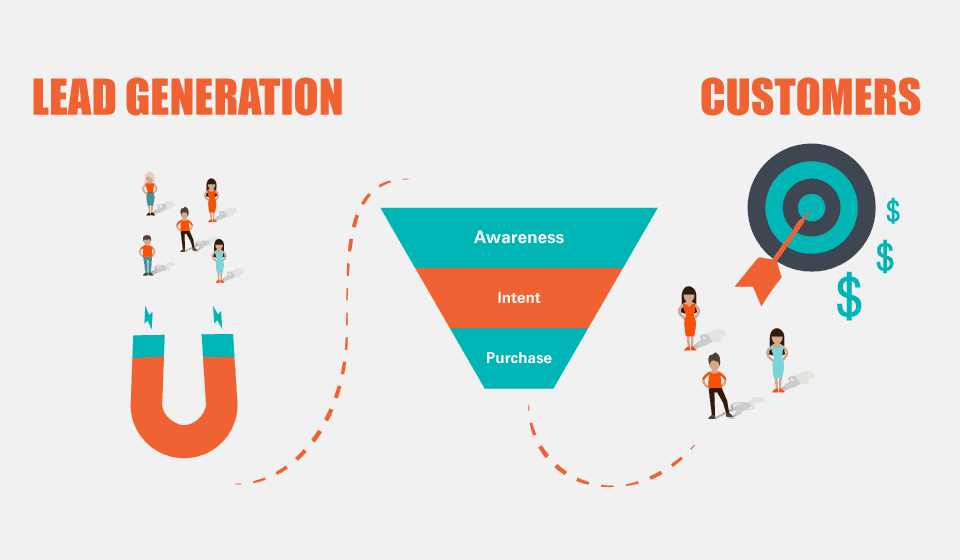
The most direct benefit of effective lead generation is its impact on the sales funnel. The sales funnel, often visualized as an inverted pyramid, represents the journey a potential customer takes from initial awareness of a product or service to becoming a paying customer.
- Top of the Funnel (Awareness): At this stage, individuals become aware of a problem or need, and potentially your brand as a solution. Lead generation efforts here focus on attracting a broad audience and capturing their initial interest.
- Middle of the Funnel (Consideration): Prospects in this stage are actively researching solutions and evaluating different options. Lead generation at this level involves providing valuable content that educates them and positions your offering as a strong contender.
- Bottom of the Funnel (Decision): Here, leads are ready to make a purchase. Effective lead generation in this phase focuses on nurturing relationships and presenting compelling offers to close the deal.
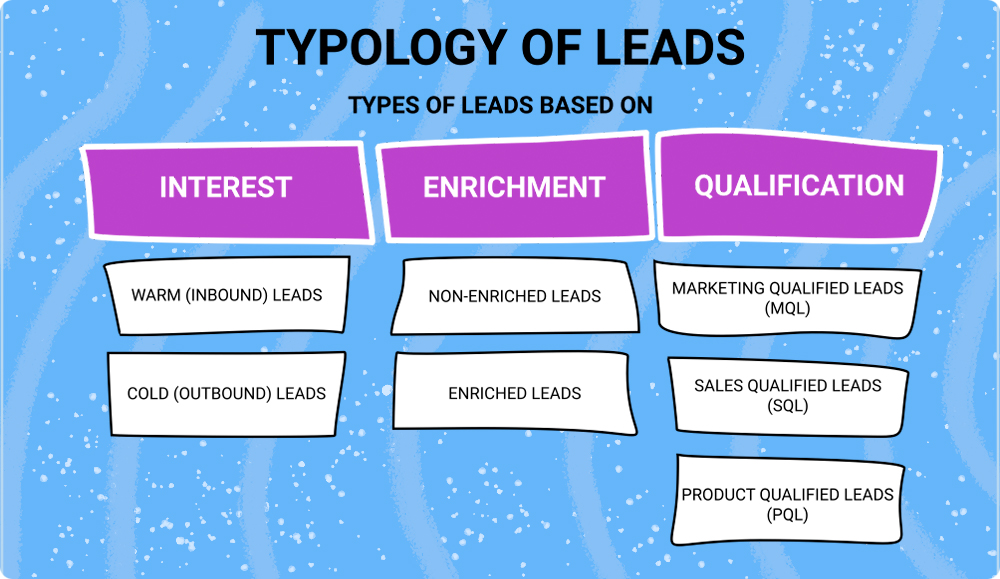
Without a steady flow of leads entering the top of the funnel, there will be nothing to nurture and convert further down, ultimately hindering sales and revenue growth. The quality of leads generated is also paramount. Not all leads are created equal; a focus on generating qualified leads – those who are genuinely interested and have the potential to become customers – is crucial for sales efficiency and higher conversion rates.
Enhancing Brand Authority and Market Presence
Lead generation isn’t solely about immediate sales. It also plays a significant role in building brand authority and expanding market presence. When businesses consistently provide valuable content and solutions to attract leads, they are perceived as experts in their field.
- Content Marketing: Creating informative blog posts, e-books, webinars, and case studies as part of lead generation strategies positions the brand as a knowledgeable resource. This builds trust and credibility, making it easier to convert leads into loyal customers.
- Search Engine Optimization (SEO): Many lead generation efforts are intertwined with SEO. By optimizing content for relevant keywords, businesses increase their visibility in search engine results, attracting organic traffic and generating leads from individuals actively seeking solutions. This enhanced visibility translates to a stronger market presence.
- Social Media Engagement: Active participation on social media platforms for lead generation can foster community, build relationships, and increase brand awareness. When a brand consistently engages with its audience, it cultivates a stronger connection and a more positive reputation.
Optimizing Marketing and Sales Efforts
Understanding the lead generation process allows for greater optimization of both marketing and sales efforts. By tracking the sources and quality of leads, businesses can identify which channels are most effective and which strategies are yielding the best results.
- Data-Driven Decisions: Lead generation platforms and CRM (Customer Relationship Management) systems provide valuable data on lead behavior, engagement levels, and conversion rates. This data allows marketing teams to refine their campaigns, tailor their messaging, and focus on the most promising segments.
- Sales Team Efficiency: By passing qualified leads to the sales team, businesses ensure that their sales professionals are spending their time engaging with prospects who are more likely to convert. This increases sales productivity, reduces wasted effort, and improves overall sales performance.
- Cost-Effectiveness: While lead generation requires investment, effective strategies can significantly improve ROI by ensuring that marketing spend is directed towards activities that generate tangible business opportunities. Identifying and eliminating underperforming lead generation tactics also contributes to cost-effectiveness.
Pillars of Lead Generation: Technology, Brand, and Money
The success of lead generation is intrinsically linked to the strategic integration of technology, brand building, and financial acumen. Each pillar plays a distinct yet interconnected role in attracting, nurturing, and converting leads.
Harnessing Technology for Lead Generation
In the digital era, technology is the engine that powers modern lead generation. From sophisticated software to AI-driven insights, technological advancements have democratized and amplified the possibilities for businesses to connect with their target audience.
AI Tools and Automation
Artificial intelligence (AI) and automation are transforming lead generation by making it more efficient, personalized, and scalable.
- AI-Powered Chatbots: Chatbots deployed on websites can instantly engage visitors, answer common questions, qualify leads based on predefined criteria, and even schedule appointments, all without human intervention. This frees up human resources for more complex interactions.
- Predictive Lead Scoring: AI algorithms can analyze vast amounts of data about a prospect’s behavior, demographics, and engagement patterns to predict their likelihood of converting. This allows sales teams to prioritize their efforts on the most promising leads.
- Personalized Content Delivery: AI can help tailor content recommendations and marketing messages to individual lead preferences, increasing engagement and relevance. This hyper-personalization is a key driver of conversion in today’s crowded digital space.
- Marketing Automation Platforms: Tools like HubSpot, Marketo, and ActiveCampaign automate repetitive marketing tasks such as email nurturing sequences, social media posting, and lead segmentation. This ensures consistent communication and timely follow-ups, essential for nurturing leads.
Software and Digital Security
The software landscape provides a robust toolkit for implementing and managing lead generation campaigns, while digital security ensures the integrity and privacy of the data collected.
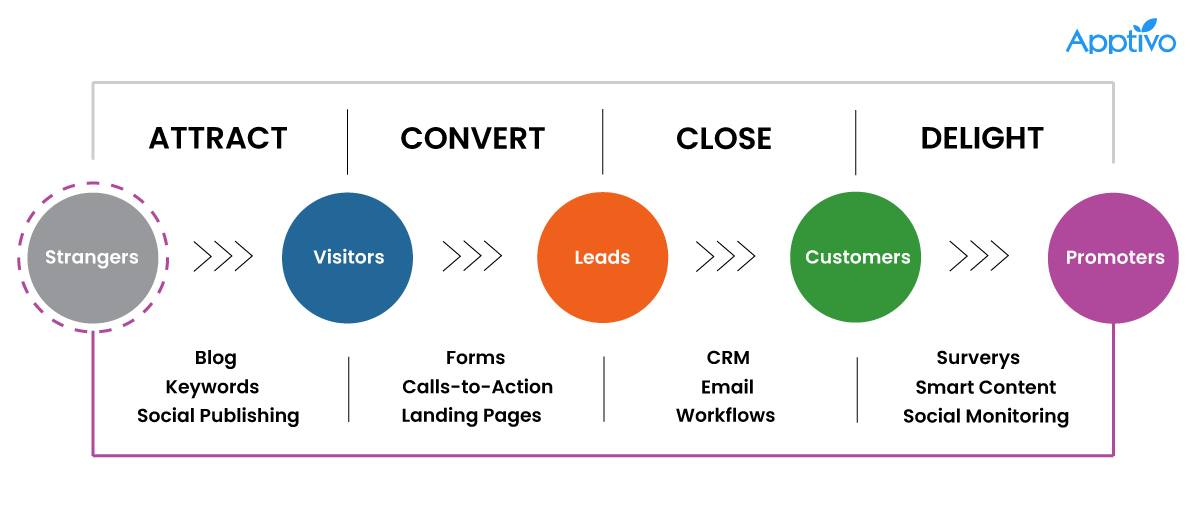
- CRM Systems: Customer Relationship Management (CRM) software, such as Salesforce, Zoho CRM, and Pipedrive, is fundamental. CRMs help businesses organize, track, and manage all interactions with leads and customers, providing a centralized hub for lead data.
- Analytics Tools: Platforms like Google Analytics are crucial for understanding website traffic, user behavior, and the effectiveness of different lead generation strategies. They provide insights into where leads are coming from and how they are engaging with your content.
- Landing Page Builders: Tools like Unbounce, Leadpages, and Instapage allow for the creation of dedicated landing pages optimized for conversion. These pages are designed to capture lead information in exchange for specific offers.
- Digital Security: As businesses collect more personal data, digital security becomes paramount. Implementing robust security measures to protect lead information from breaches is not only ethical but also crucial for maintaining customer trust and avoiding reputational damage. This includes secure data storage, encrypted communication, and compliance with data privacy regulations like GDPR and CCPA.
Gadgets and Apps for Productivity
While not directly generating leads, the right gadgets and productivity apps can significantly enhance the efficiency of the teams involved in lead generation.
- Project Management Tools: Asana, Trello, and Monday.com help marketing and sales teams manage their campaigns, assign tasks, and track progress, ensuring that lead generation activities are executed smoothly.
- Communication and Collaboration Tools: Slack and Microsoft Teams facilitate seamless communication among team members, crucial for coordinating lead follow-ups and strategizing.
- Mobile Devices and Apps: Sales representatives can leverage mobile CRM apps and communication tools to stay connected and responsive to leads on the go, ensuring timely follow-ups and improving the overall lead engagement experience.
Building a Strong Brand for Lead Generation Success
A strong brand is not merely a logo or a catchy slogan; it’s the perception and reputation your company cultivates in the minds of its audience. This perception is a powerful magnet for attracting and converting leads.
Brand Strategy and Identity
A well-defined brand strategy ensures that all lead generation efforts are aligned with your core values and messaging, creating a cohesive and compelling experience for potential customers.
- Target Audience Understanding: A core component of brand strategy is deeply understanding your ideal customer. This knowledge informs every aspect of lead generation, from the channels you use to the messaging you employ.
- Value Proposition Clarity: Your brand’s unique selling proposition (USP) needs to be clearly articulated. This is what differentiates you from competitors and forms the basis of your lead generation offers.
- Consistent Messaging: Across all touchpoints – website, social media, email campaigns, advertisements – your brand messaging should be consistent. This reinforces your identity and builds recognition.
- Corporate Identity: This encompasses the visual elements of your brand (logo, color palette, typography) and how they are applied consistently. A professional and memorable corporate identity instills trust and makes your brand easily recognizable.
Marketing and Design in Lead Capture
The design and execution of your marketing materials are critical for capturing the attention of potential leads.
- Compelling Offers (Lead Magnets): These are the incentives you offer in exchange for contact information. They can include e-books, whitepapers, webinars, free trials, discounts, or consultations. The design and perceived value of these lead magnets are paramount.
- High-Converting Landing Pages: As mentioned, landing pages are designed for a single purpose: lead capture. Their design, clarity of message, and calls to action (CTAs) directly impact conversion rates. User-friendly design and compelling visuals are essential.
- Visual Storytelling: Employing high-quality images, videos, and infographics in your marketing materials can significantly increase engagement and make your brand more appealing. This visual appeal is especially important in capturing the attention of busy online users.
- Case Studies and Social Proof: Showcasing successful customer stories and testimonials builds trust and credibility. These elements, often presented through well-designed case studies, are powerful tools in lead generation, demonstrating the tangible benefits of your offerings.
Reputation Management and Trust
A positive brand reputation is a significant asset for lead generation. People are more likely to engage with and trust businesses that have a good standing in the market.
- Online Reviews and Testimonials: Actively encouraging and managing online reviews on platforms like Google, Yelp, and industry-specific sites is crucial. Positive reviews act as powerful social proof, attracting new leads.
- Thought Leadership: Establishing your brand as a thought leader through insightful content and industry participation builds authority and trust, making potential customers more receptive to your lead generation efforts.
- Customer Service Excellence: Positive customer experiences translate into positive word-of-mouth and a stronger reputation, which indirectly fuels lead generation by making your brand more attractive.
Understanding the Financial Aspect of Lead Generation
Lead generation is ultimately about driving revenue. Therefore, a clear understanding of the financial implications and strategies is essential for success.
Personal Finance and Investment in Lead Gen
For entrepreneurs and small business owners, investing in lead generation is akin to investing in the future growth of their business.
- Budget Allocation: Determining how much to allocate to lead generation activities is a critical financial decision. This involves understanding the cost of various lead generation channels and their potential ROI.
- Measuring ROI: It’s vital to track the return on investment for each lead generation campaign. This involves calculating the cost of acquiring a lead and comparing it to the potential revenue that lead might generate.
- Profitability Analysis: Ultimately, lead generation should contribute to profitability. Understanding the lifetime value of a customer acquired through lead generation helps in making informed investment decisions.
Online Income and Side Hustles through Leads
For individuals and businesses focused on online income, effective lead generation can be the key to unlocking new revenue streams.
- Affiliate Marketing: Building an audience and generating leads interested in specific products or services can lead to significant income through affiliate partnerships.
- Digital Products and Services: If you’re selling your own online courses, software, or consulting services, lead generation is essential for finding customers.
- Building an Email List: A well-nurtured email list is a valuable asset for any online business. It allows for direct communication, promotion of offers, and building long-term customer relationships.
Business Finance and Lead Generation Strategy
For larger organizations, integrating lead generation into the overall business finance strategy is crucial for sustainable growth.
- Sales Cycle Costing: Understanding the cost associated with each stage of the sales cycle, including lead generation, qualification, and closing, helps in optimizing resource allocation.
- Customer Acquisition Cost (CAC): This metric is a key indicator of lead generation efficiency. It measures the average cost of acquiring a new customer. Keeping CAC low while increasing lead volume is a primary objective.
- Financial Forecasting: Accurate lead generation forecasts are essential for sales projections and overall business financial planning. Understanding the predictable flow of leads allows for better resource management and goal setting.
- Financial Tools for Tracking: Utilizing accounting software and CRM integrations that provide financial insights into lead generation performance can help businesses make data-driven financial decisions.
Conclusion: The Perpetual Engine of Business Growth
Lead generation is far more than just a marketing buzzword; it’s the lifeblood of any successful business. In an increasingly digital and competitive world, the ability to consistently attract, engage, and convert potential customers is paramount. By strategically leveraging technology, building a compelling brand, and understanding the financial implications, businesses can cultivate a perpetual engine for growth.
From the advanced capabilities of AI and automation to the foundational elements of brand identity and trust, each facet of lead generation contributes to a more robust and resilient business. As you navigate the complexities of the modern marketplace, remember that a well-executed lead generation strategy is not just about filling your pipeline today, but about securing the sustainable success and profitability of your enterprise for years to come. The investment in understanding and implementing effective lead generation is, without question, an investment in the future of your business.
aViewFromTheCave is a participant in the Amazon Services LLC Associates Program, an affiliate advertising program designed to provide a means for sites to earn advertising fees by advertising and linking to Amazon.com. Amazon, the Amazon logo, AmazonSupply, and the AmazonSupply logo are trademarks of Amazon.com, Inc. or its affiliates. As an Amazon Associate we earn affiliate commissions from qualifying purchases.