
In the intricate and ever-evolving landscape of cybersecurity, understanding the tactics employed by malicious actors is paramount to building effective defenses. While much attention is often paid to preventing initial breaches, a critical phase that often follows a successful compromise – and one that determines the true extent of damage – is known as lateral movement. Far from a simple intrusion, lateral movement describes the techniques and strategies attackers use to navigate through a compromised network, moving from an initially breached system to other systems, often with the goal of reaching high-value targets, escalating privileges, or exfiltrating sensitive data. It’s the journey an attacker takes once they’ve gained a foothold, transforming a perimeter breach into a widespread internal threat.
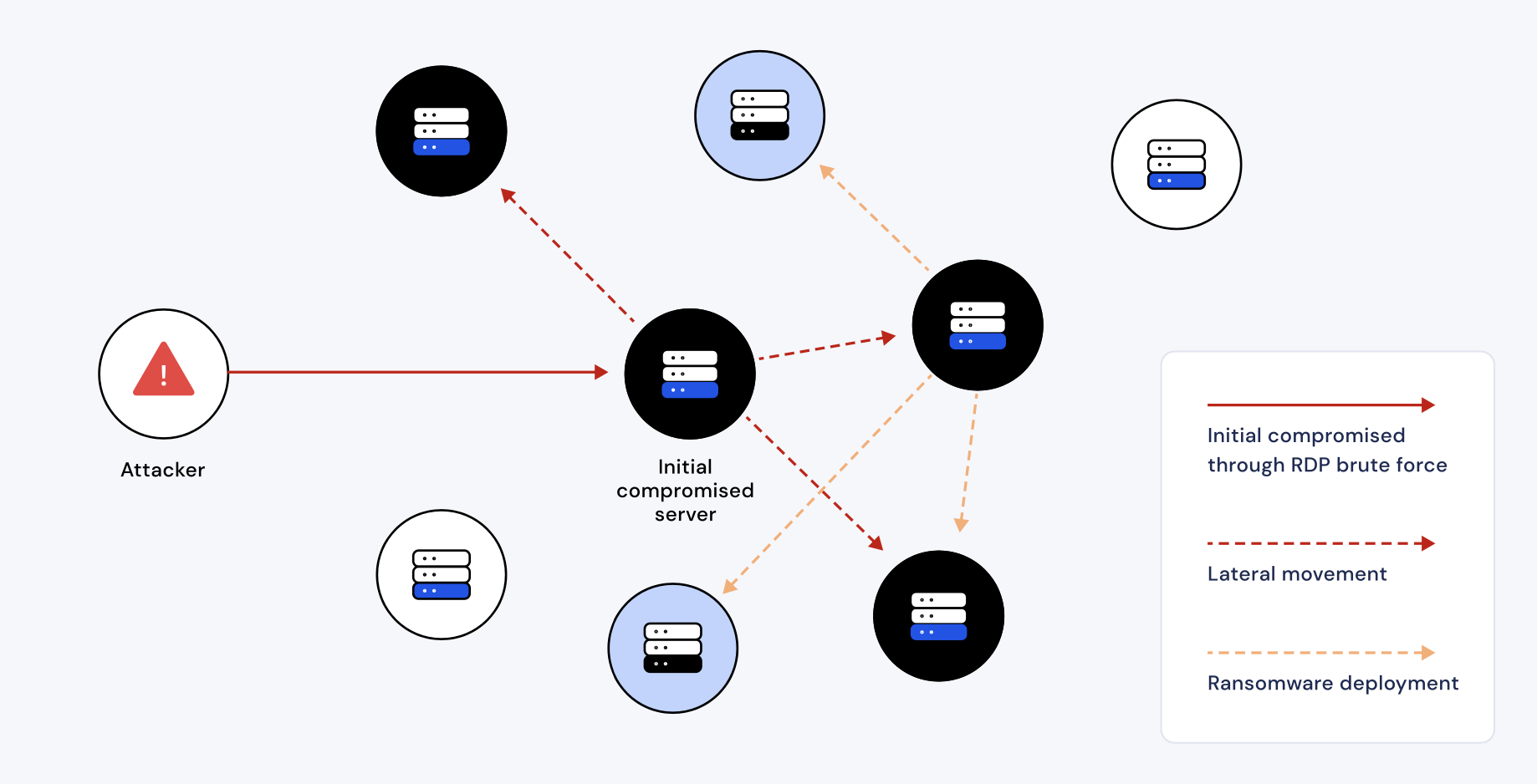
Imagine a thief breaking into the ground floor of a building. The initial breach might be through a window. However, to steal the valuable jewels located in a vault on a higher floor, they must move laterally through hallways, unlock doors, bypass internal security systems, and potentially even impersonate an authorized person to gain further access. In the digital realm, lateral movement is precisely this internal exploration and expansion of access. It’s a core component of almost every advanced persistent threat (APT) and ransomware attack, making its identification and prevention a cornerstone of modern cybersecurity strategy.
Understanding the Anatomy of Lateral Movement
Lateral movement isn’t a single action but a sophisticated chain of events, each step carefully executed by an attacker seeking to deepen their control and reach their ultimate objective. It begins after an initial compromise and involves a series of reconnaissance, privilege escalation, and movement techniques designed to mimic legitimate network activity while achieving illicit goals.
The Initial Breach: Gaining a Foothold
Every successful lateral movement campaign starts with an initial point of entry. This “foothold” is often achieved through common attack vectors such as phishing emails that trick users into revealing credentials or running malicious software, exploiting unpatched software vulnerabilities on internet-facing systems, or brute-forcing weak login credentials. The critical point is that this initial compromise rarely grants direct access to the attacker’s final target—be it a domain controller, a critical database, or intellectual property. Instead, it provides a low-level entry point from which the attacker must begin their internal journey. This initial access is often limited in scope and privileges, necessitating further steps to gain broader control.
Reconnaissance and Discovery
Once inside the network, even with limited access, the attacker doesn’t immediately strike. Instead, they enter a phase of meticulous reconnaissance and discovery. This involves gathering intelligence about the network’s layout, identifying connected devices, understanding user accounts, and mapping out potential pathways to more valuable assets. Attackers utilize various tools and techniques for this purpose, including network scanning to identify active hosts and open ports, querying Active Directory for user and group information, and enumerating local host configurations. The goal is to build a comprehensive picture of the environment, identifying critical systems, administrative accounts, and potential vulnerabilities that can be exploited for further movement. This phase is crucial for planning the subsequent steps of the attack.
Privilege Escalation
Gaining a foothold and mapping the network is useful, but to access high-value targets, attackers almost invariably need elevated privileges. Privilege escalation is the process by which an attacker gains higher levels of access than initially obtained, moving from a standard user account to an administrative account, or even to system-level access. This can be achieved by exploiting misconfigured services, leveraging unpatched operating system vulnerabilities, abusing legitimate administrative tools, or by harvesting credentials from memory. Techniques like “pass-the-hash” or “pass-the-ticket” are particularly effective here, allowing attackers to authenticate to other systems without needing the plaintext password, simply by using cryptographic hashes or Kerberos tickets. With elevated privileges, the attacker gains the keys to more doors within the network.
Movement Techniques
With reconnaissance complete and elevated privileges in hand, attackers begin their actual lateral movement across systems. This involves leveraging various network protocols and services, often those used by legitimate administrators, to connect to other hosts. Common techniques include using Remote Desktop Protocol (RDP) for interactive graphical access, Server Message Block (SMB) for file sharing and remote command execution (e.g., via PsExec), or Windows Management Instrumentation (WMI) for powerful remote scripting and execution on Windows networks. In Linux environments, Secure Shell (SSH) is frequently abused. Attackers often blend these malicious activities with legitimate network traffic, making detection difficult. The goal is to establish a presence on multiple systems, broadening their reach and creating redundancy, making it harder to dislodge them.
Common Lateral Movement Techniques and Tools
The ingenuity of attackers in leveraging existing functionalities for malicious purposes means that lateral movement techniques are varied and constantly evolving. However, several core strategies remain prevalent.
Credential Theft and Reuse
This is arguably one of the most effective and widely used methods for lateral movement. Once an attacker has control over a system, they will often attempt to dump credentials from memory (e.g., using tools like Mimikatz), registry hives, or local files. These stolen credentials—which can be plaintext passwords, NTLM hashes, or Kerberos tickets—are then reused to authenticate to other systems within the network. “Pass-the-Hash” (PtH) and “Pass-the-Ticket” (PtT) attacks are particularly potent as they allow attackers to authenticate without ever needing to crack the password, simply by presenting the stolen hash or ticket to other machines in the domain. This method is incredibly difficult to detect purely based on failed logins, as the authentication is often successful.
Exploiting Network Protocols and Services
Attackers frequently abuse standard network protocols and services that are essential for legitimate network operations.
- Remote Desktop Protocol (RDP): If an attacker obtains credentials for a user with RDP access to other machines, they can simply log in remotely, appearing as a legitimate user. This provides interactive control over the target system.
- Server Message Block (SMB): Widely used for file sharing and printer services, SMB can also be exploited. Attackers can use tools like PsExec (which leverages SMB for remote service creation and execution) to push and execute malicious code on remote hosts.
- Windows Management Instrumentation (WMI): A powerful interface for managing Windows systems, WMI can be used by attackers for remote command execution, reconnaissance, and persistence. Its legitimate nature makes it a stealthy tool for malicious activities.
- Secure Shell (SSH): In Unix/Linux environments, SSH is the primary protocol for secure remote access. Stolen SSH keys or credentials allow attackers to move between Linux servers with ease.
Using Legitimate Tools for Malicious Purposes
One of the most insidious aspects of lateral movement is the abuse of legitimate system administration tools. This “living off the land” approach allows attackers to blend in with normal network activity, making their actions harder to detect by traditional security solutions that focus on signature-based detection of known malware.
- PsExec: Part of Sysinternals Suite, PsExec is a command-line tool that allows for remote execution of processes. Attackers frequently use it to run payloads on remote systems.
- PowerShell: A powerful scripting language and shell for Windows, PowerShell can be used for extensive reconnaissance, privilege escalation, and remote execution. Its versatility makes it a favorite tool for adversaries.
- Scheduled Tasks: Attackers can create scheduled tasks on compromised systems to establish persistence or execute code at specific times on remote machines.
- Group Policy Objects (GPOs): In Active Directory environments, GPOs can be manipulated to push malicious settings or scripts to multiple machines, acting as a broad distribution mechanism for an attacker.
Why Lateral Movement is a Critical Threat
Lateral movement transforms a contained incident into a potentially catastrophic breach. Its significance in the attack lifecycle cannot be overstated, as it directly impacts the scope, severity, and potential duration of a cyber-attack.
Bypassing Perimeter Defenses
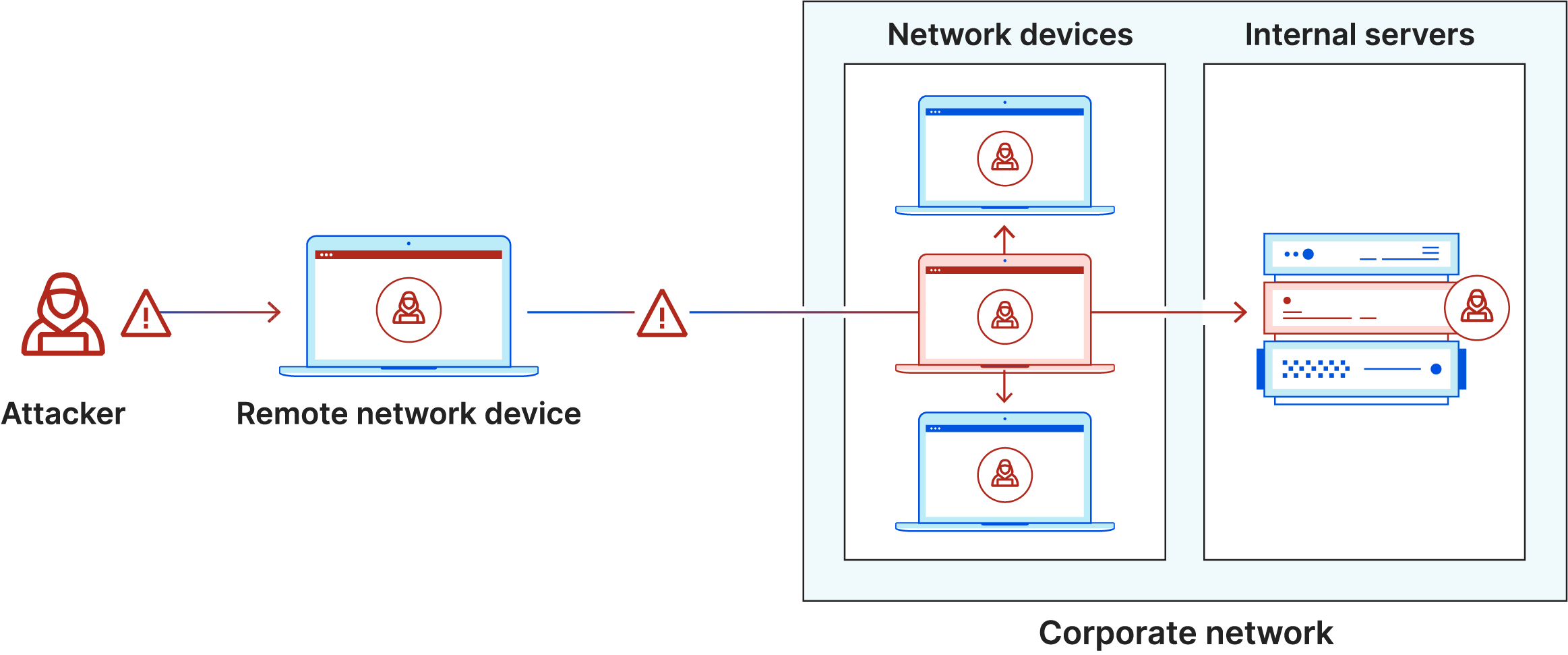
Once an attacker has successfully breached the network perimeter, traditional perimeter defenses like firewalls and intrusion prevention systems (IPS) become significantly less effective. These tools are designed to stop external threats from entering, not to detect an adversary already operating within the internal network. This forces defenders to shift their focus to internal network segmentation and host-based security, highlighting the inadequacy of a perimeter-centric security model.
Expanding the Attack Surface
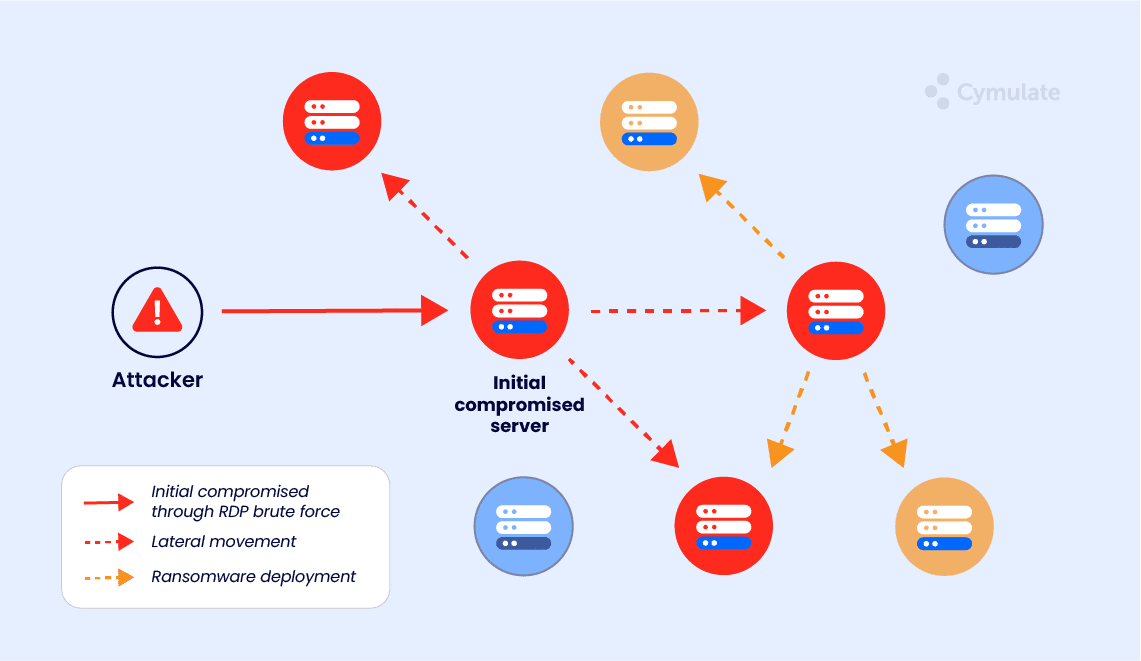
Each successful lateral move provides the attacker with a new beachhead, expanding their footprint within the organization. A single compromised workstation can lead to access to a departmental server, which then leads to a database server, and eventually, to the domain controller – the crown jewel of many networks. This exponential growth in access increases the overall attack surface and provides more opportunities for data exfiltration, service disruption, or the deployment of ransomware across a wider range of critical systems.
Achieving Persistence and Evasion
By establishing multiple points of presence and creating various backdoors across different systems, attackers can achieve robust persistence. If one compromised system is cleaned, they can simply pivot from another. Furthermore, by using legitimate credentials and living off the land, attackers can blend their activities with normal network traffic, making them incredibly difficult to detect by security solutions that rely on identifying anomalous or outright malicious files. This evasion capability prolongs the attack duration and increases the likelihood of achieving their objectives.
Targeting High-Value Assets
The ultimate goal of most sophisticated attacks is not just to get inside, but to reach high-value assets. These can include intellectual property databases, financial records, customer data, critical operational technology systems, or the domain controllers that manage all user authentication. Lateral movement is the indispensable pathway to these “crown jewels.” Without the ability to move freely and escalate privileges, attackers would be largely confined to their initial point of entry, limiting the potential impact of their breach.
Defending Against Lateral Movement
Mitigating lateral movement requires a multi-layered, proactive, and adaptive security strategy that focuses on limiting an attacker’s ability to move internally, detecting suspicious behavior, and responding swiftly.
Network Segmentation and Micro-segmentation
One of the most effective defensive strategies is to segment the network, isolating sensitive systems and limiting communication pathways between different network zones. Micro-segmentation takes this a step further, applying granular security policies to individual workloads and applications. By creating smaller, isolated segments, an attacker who compromises one part of the network will find it significantly harder to move to another, effectively containing the breach and limiting its blast radius. This aligns with Zero Trust principles, where no user or device is inherently trusted, regardless of its location.
Strong Authentication and Access Control
Implementing robust authentication and authorization mechanisms is crucial. Multi-Factor Authentication (MFA) should be enforced for all user accounts, especially privileged ones, making credential theft much less effective. The principle of Least Privilege must be strictly adhered to, ensuring users and systems only have the minimum necessary access to perform their functions. Privileged Access Management (PAM) solutions can centrally manage, monitor, and audit privileged accounts, reducing the risk of their compromise and abuse. Regular auditing of user accounts, groups, and permissions helps identify and remediate over-privileged accounts.
Endpoint Detection and Response (EDR)
EDR solutions are vital for detecting lateral movement. They continuously monitor host activity, including process execution, file system changes, network connections, and registry modifications. By analyzing these behaviors, EDR can identify anomalous activities indicative of lateral movement techniques like credential dumping, remote command execution via PsExec or WMI, or the abuse of legitimate administrative tools. Advanced EDRs use behavioral analytics and machine learning to distinguish between legitimate and malicious activities, even those that “live off the land.”
Network Traffic Analysis (NTA) and Intrusion Detection Systems (IDS)
Monitoring internal network traffic for unusual patterns, protocol anomalies, and known attack signatures is essential. NTA tools can detect suspicious communication flows between hosts that shouldn’t normally interact, unusual port usage, or the presence of lateral movement techniques like Pass-the-Hash. Internal IDS can identify command-and-control (C2) traffic or specific attack patterns that might indicate an attacker pivoting between systems.
Vulnerability Management and Patching
While not directly preventing lateral movement, a robust vulnerability management program that includes regular patching and configuration hardening significantly reduces the initial attack surface. By closing known vulnerabilities, organizations deny attackers easy footholds and reduce the number of potential privilege escalation vectors they can exploit once inside. This proactive approach makes the attacker’s job much harder from the outset.
Security Awareness Training
The human element remains a common initial point of compromise. Comprehensive security awareness training can educate employees about the dangers of phishing, social engineering, and the importance of strong passwords. By reducing the success rate of initial access attempts, organizations can prevent many lateral movement scenarios before they even begin.
The Future of Lateral Movement and Defense
The cat-and-mouse game between attackers and defenders continues to evolve. Attackers are becoming more sophisticated, leveraging automation, AI, and supply chain vulnerabilities to gain initial access and execute lateral movements more stealthily. The rise of “adversary in the middle” attacks and increasingly complex ransomware operations underscore the persistent threat.
Defenders are responding with advanced strategies. AI and machine learning are being increasingly integrated into security tools to analyze vast datasets, identify subtle anomalies, and predict attacker behavior patterns. Deception technologies, such as honeypots and honeytokens, are being deployed to lure attackers into traps, detect their presence, and gather intelligence on their tactics without risking production systems. Proactive threat hunting, where security teams actively search for hidden threats within their networks, is also becoming a standard practice. The future of defending against lateral movement will hinge on even more intelligent, adaptive, and proactive security measures that assume compromise and focus on swift detection and containment.
Conclusion
Lateral movement is a fundamental concept in cybersecurity, representing the critical phase where an initial breach can escalate into a full-blown organizational crisis. Understanding its mechanisms, common techniques, and the profound threat it poses is no longer optional; it is an imperative for every organization. By implementing a layered defense strategy that encompasses strong access controls, rigorous network segmentation, advanced endpoint and network monitoring, proactive vulnerability management, and continuous security awareness, organizations can significantly hinder an attacker’s ability to move laterally. In the ongoing battle against cyber threats, recognizing and effectively defending against lateral movement is not just about protection – it’s about resilience.
aViewFromTheCave is a participant in the Amazon Services LLC Associates Program, an affiliate advertising program designed to provide a means for sites to earn advertising fees by advertising and linking to Amazon.com. Amazon, the Amazon logo, AmazonSupply, and the AmazonSupply logo are trademarks of Amazon.com, Inc. or its affiliates. As an Amazon Associate we earn affiliate commissions from qualifying purchases.