
Decoding the PRNDL Selector: A Fundamental Automotive Interface
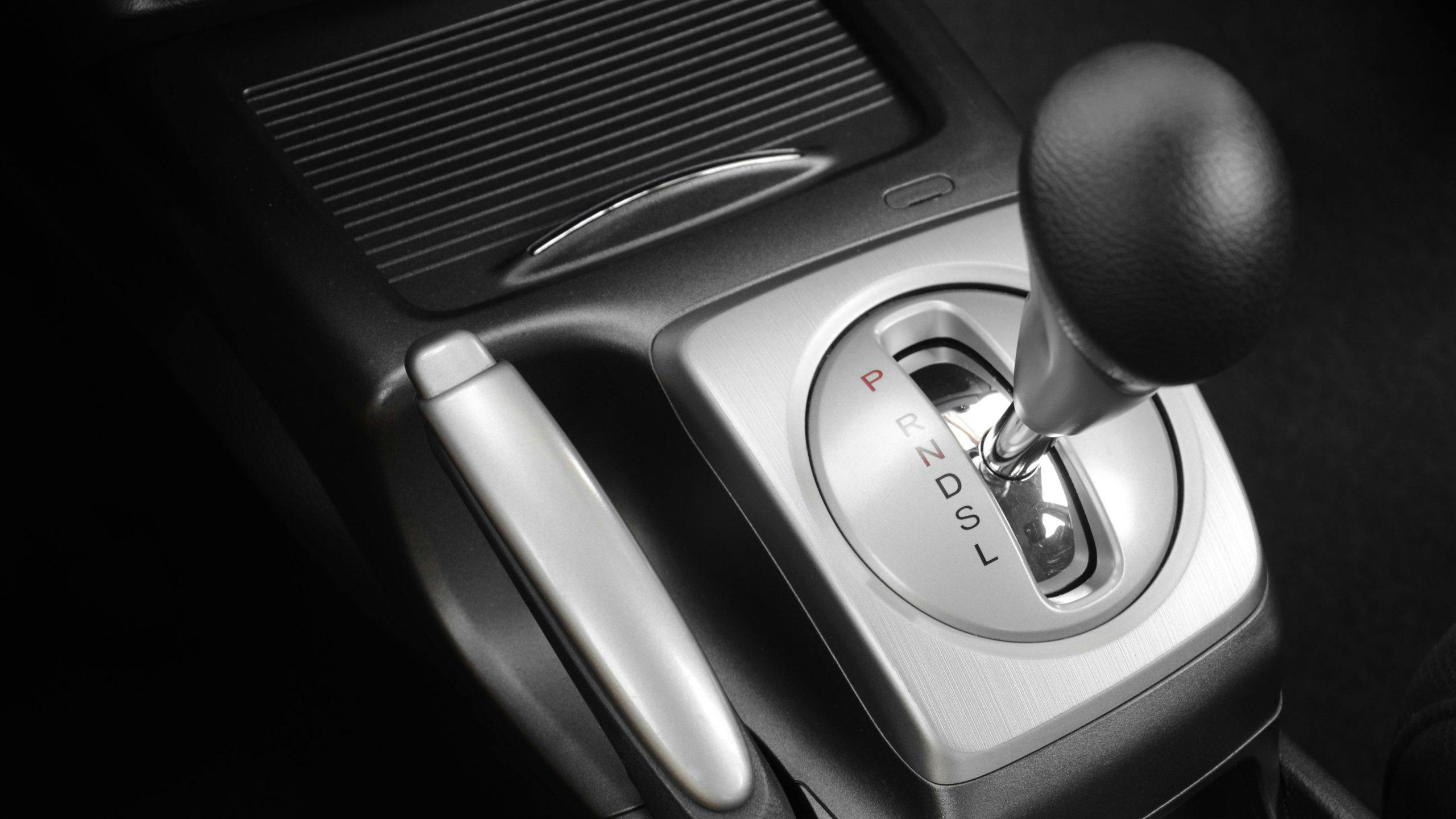
The PRNDL selector, a seemingly simple arrangement of letters on a vehicle’s gear shift, represents one of the most fundamental user interfaces in modern automotive technology. For decades, it has served as the primary means for drivers to communicate their desired operational state to an automatic transmission. P stands for Park, R for Reverse, N for Neutral, and D for Drive. While these four modes are universally understood and frequently utilized, the ‘L’ often found at the end of this sequence remains a mystery to many drivers, an enigmatic button or position that is rarely engaged. However, understanding ‘L’ is key to unlocking a deeper level of control and capability engineered into your vehicle’s powertrain.
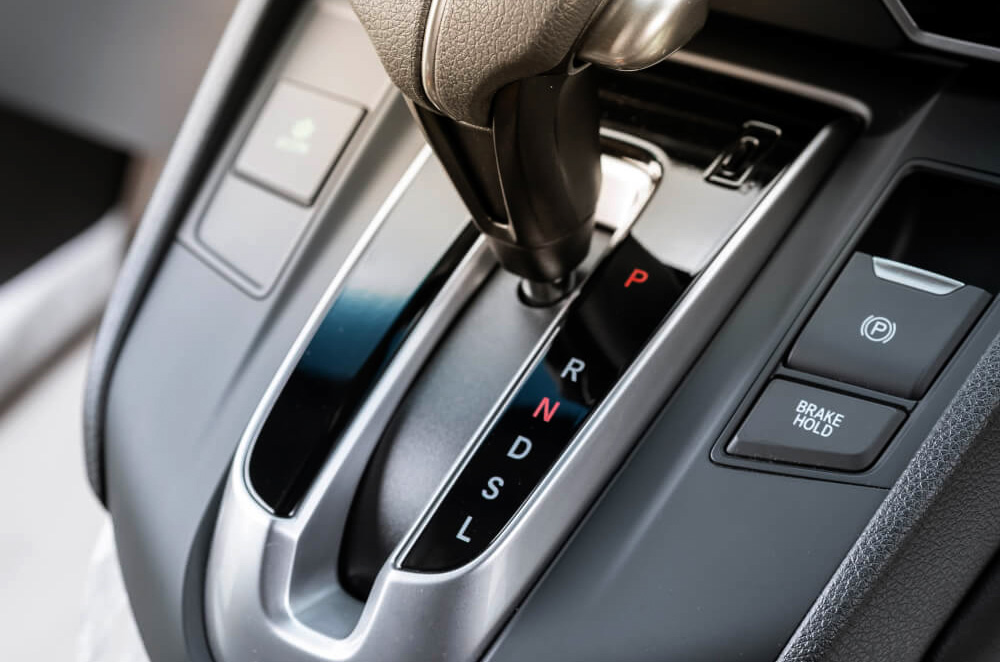
In an era where automotive technology is rapidly advancing, from sophisticated infotainment systems to autonomous driving features, the mechanical and electronic underpinnings of how a car translates driver input into motion are more complex than ever. The PRNDL interface, whether a traditional console shifter, a rotary dial, or a set of buttons, is a critical component of the vehicle’s overall control system. Each selection sends electronic signals to the transmission control module (TCM) or powertrain control module (PCM), which then orchestrates the appropriate gear engagement, fluid pressure, and engine RPM to achieve the desired effect. Far from being a relic, the gear selector, including the ‘L’ option, is an integrated part of a vehicle’s advanced technological framework designed for optimized performance and driver safety.
The Evolution of Gear Selection Interfaces
Initially a purely mechanical linkage, today’s PRNDL selectors are predominantly “shift-by-wire” systems. These digital interfaces replace physical connections with electronic signals, offering designers greater flexibility in cockpit layout and enabling advanced features like adaptive shift logic. This technological shift means that selecting ‘L’ is not just moving a lever; it’s sending a precise command to an onboard computer, which then executes a carefully programmed sequence of actions to alter the vehicle’s dynamic behavior. Grasping the intent behind ‘L’ therefore becomes an exercise in understanding a specific functional mode within your vehicle’s complex software and hardware ecosystem.
The Function of ‘L’: Leveraging Low Gear for Enhanced Control
At its core, ‘L’ stands for “Low Gear.” While ‘D’ (Drive) allows the transmission to automatically cycle through all available forward gears, optimizing for fuel efficiency and smooth acceleration, ‘L’ restricts the transmission to a lower gear ratio, typically the lowest available first or second gear. This restriction is not simply about going slow; it’s about altering the vehicle’s power delivery and braking characteristics to achieve specific operational advantages.
Engine Braking: A Crucial Advantage
The primary benefit of ‘L’ is enhanced engine braking. When you select ‘L’, the transmission holds a lower gear, which in turn causes the engine’s revolutions per minute (RPM) to increase significantly when the vehicle is moving at a given speed. This higher RPM creates greater resistance within the engine itself, effectively slowing the vehicle without heavy reliance on the friction brakes. This is particularly valuable on long, steep descents, where continuous use of the foot brakes can lead to overheating, fading, and reduced stopping power. By using engine braking, you preserve your conventional brakes for emergencies and critical stops, enhancing overall safety and extending brake component life.
Torque Multiplication for Demanding Conditions
Another significant aspect of ‘L’ is its ability to provide maximum torque multiplication. A lower gear ratio means the engine’s power is amplified more aggressively at the wheels. This translates into greater pulling power at lower speeds. For situations requiring maximum leverage, such as towing heavy loads, climbing steep inclines, or navigating challenging off-road terrain, ‘L’ ensures that the engine can deliver its peak power output to overcome significant resistance. It provides the grunt necessary to get moving and maintain momentum when the conditions demand more than typical “Drive” mode can offer.
Enhanced Control on Slippery Surfaces
In conditions of low traction, such as snow, ice, or mud, ‘L’ can also offer superior control. By holding a lower gear, it helps prevent unwanted upshifts that could momentarily reduce torque to the wheels and potentially cause them to slip. More importantly, the enhanced engine braking provided by ‘L’ allows for a smoother, more controlled deceleration, reducing the likelihood of skidding compared to sudden application of the friction brakes. This fine-tuned control over the wheels’ rotational speed is a critical safety feature in adverse weather.
When and How to Use Low Gear
Understanding what ‘L’ does is only half the battle; knowing when and how to engage it safely and effectively is paramount to leveraging your vehicle’s full capabilities.
Steep Descents: Preserving Your Brakes
This is arguably the most common and beneficial application of ‘L’. When descending a long, steep grade, shift into ‘L’ (or a similar low gear selection like ‘2’ or ‘B’ on some modern vehicles). You’ll immediately notice the engine revving higher, and the vehicle slowing down without you needing to press the brake pedal constantly. This prevents your brakes from overheating, a phenomenon known as “brake fade,” which can drastically reduce their effectiveness. Always consult your vehicle’s manual for specific recommendations on appropriate speeds and gear selections for various gradients.
Heavy Towing and Hauling
If you’re towing a boat, a camper, or any other heavy trailer, ‘L’ becomes an invaluable tool. On inclines, it provides the extra torque needed to pull the load without straining the engine or transmission. On descents, it again offers critical engine braking to manage the combined weight of your vehicle and its cargo, preventing runaway speeds and excessive brake wear. Modern vehicles often feature a dedicated “Tow/Haul” mode, which might automatically engage similar low-gear logic, but ‘L’ provides direct manual override when needed.
Off-Roading and Challenging Terrain
For enthusiasts of off-road adventures, ‘L’ is a cornerstone of vehicle control. Whether crawling over rocks, traversing deep mud, or ascending/descending extremely steep and uneven terrain, selecting ‘L’ provides the precise, low-speed torque and enhanced engine braking necessary to navigate obstacles safely and deliberately. It helps maintain traction by delivering consistent power and preventing sudden, wheel-spinning accelerations that can lead to getting stuck. Many 4×4 vehicles integrate ‘L’ within a more complex low-range transfer case system, offering even greater gear reduction.
Driving in Snow, Ice, or Slippery Conditions
As mentioned, ‘L’ can be beneficial in low-traction environments. By keeping the vehicle in a lower gear, it helps to prevent wheelspin upon acceleration, and the gentle deceleration provided by engine braking minimizes the risk of skidding when lifting off the accelerator. This allows for a more controlled and stable drive, especially when navigating tricky turns or icy patches. However, always remember that no gear selection can defy the laws of physics on extremely slippery surfaces; caution and appropriate tires remain paramount.
Modern Interpretations and the Future of ‘L’
While the fundamental principle of ‘L’ remains constant, its implementation and alternatives are evolving with automotive technology.
Regenerative Braking in Electric Vehicles (EVs)
Electric vehicles, lacking a traditional multi-gear transmission, interpret the concept of “low gear” differently. Many EVs feature a “B” mode (for Brake) or adjustable regenerative braking settings. When engaged, these modes significantly increase the amount of energy recovered from deceleration, mimicking the effect of strong engine braking. This not only slows the vehicle down effectively but also recharges the battery, making it a highly efficient equivalent to ‘L’ for managing descents and controlling speed without using friction brakes. This “one-pedal driving” experience is a direct technological evolution of the engine braking principle.
Advanced Driver-Assist Systems (ADAS) and Gear Selection
As vehicles become more automated, the role of manual gear selection is also being re-evaluated. Adaptive cruise control, hill descent control, and other ADAS features can automatically manage vehicle speed and, in some cases, even engage specific “gear” behaviors (or their electronic equivalents) to maintain control on gradients. However, these systems are typically designed for general conditions, and the driver’s ability to manually select ‘L’ still provides a level of granular control and adaptability that can surpass automated systems in extreme or unique scenarios.
Manual Modes and Paddle Shifters
Many modern automatic transmissions include a “manual” mode, often accessible via paddle shifters on the steering wheel or a +/- gate on the gear selector. While these allow the driver to manually select specific gears, they typically offer a wider range of gears than a simple ‘L’ mode. The ‘L’ function is often a simplified, dedicated mode for the lowest possible gear, emphasizing maximum torque and engine braking without requiring the driver to actively manage multiple gear choices. It serves as a straightforward “set-and-forget” option for severe conditions.
Maximizing Your Vehicle’s Capabilities: Beyond Basic Driving
Understanding and utilizing ‘L’ goes beyond basic driving; it’s about engaging with your vehicle’s full technological potential and becoming a more skilled and safer driver. It represents a specific algorithm within your vehicle’s powertrain management system, designed to handle demanding physical situations with greater efficiency and control.
Safety Implications
Proper use of ‘L’ significantly enhances safety, particularly on challenging roads. By reducing reliance on friction brakes, you mitigate the risk of brake fade and maintain optimal stopping power for emergencies. It also provides smoother, more predictable deceleration on slippery surfaces, minimizing skidding. This is a crucial aspect of proactive driving that every vehicle owner should master.
Fuel Efficiency Considerations
While ‘L’ is not designed for fuel efficiency (it keeps the engine at higher RPMs), using it appropriately can indirectly contribute to better overall vehicle health and, in the long run, save money on brake maintenance. In situations where ‘L’ is genuinely beneficial (e.g., long descents), attempting to “feather” the friction brakes to save fuel is counterproductive and unsafe.

Understanding Your Vehicle’s Manual
Ultimately, the most reliable source for information on your specific vehicle’s ‘L’ function, its capabilities, and recommended usage is your owner’s manual. Manufacturers invest heavily in engineering these features and documenting their optimal use. Taking the time to understand this often-overlooked aspect of your vehicle’s technology can transform your driving experience, making you more confident, capable, and safer on the road. The ‘L’ in PRNDL isn’t just a letter; it’s an advanced function waiting to be utilized for peak performance and control.
aViewFromTheCave is a participant in the Amazon Services LLC Associates Program, an affiliate advertising program designed to provide a means for sites to earn advertising fees by advertising and linking to Amazon.com. Amazon, the Amazon logo, AmazonSupply, and the AmazonSupply logo are trademarks of Amazon.com, Inc. or its affiliates. As an Amazon Associate we earn affiliate commissions from qualifying purchases.