
In an increasingly digital financial landscape, understanding and accessing your bank’s routing number is a fundamental aspect of managing your money effectively. Whether you’re setting up direct deposit, paying bills online, or facilitating a wire transfer, this nine-digit code is an indispensable piece of information. Far from being a mere string of numbers, it acts as a unique identifier for your financial institution, ensuring that your funds land in the correct bank. This article will demystify the bank routing number, explain its importance, and provide you with a comprehensive guide on how to effortlessly locate it whenever you need it.

Understanding Your Bank Routing Number
Before delving into the “how-to,” it’s crucial to grasp what a routing number is and why it holds such significance in the financial ecosystem. This foundational understanding will empower you to use and safeguard this information responsibly.
What Exactly is a Routing Number?
A bank routing number, also known as an ABA (American Bankers Association) routing transit number (RTN), is a nine-digit code that identifies the specific financial institution and sometimes even the specific branch where an account is held. Established by the ABA in 1910, its primary purpose is to facilitate the routing of electronic funds transfers (EFTs) and paper checks efficiently and accurately between banks. Think of it as a bank’s unique address in the vast network of the U.S. financial system. Without it, transactions wouldn’t know where to go, leading to delays and errors. Each of the nine digits has a specific meaning, helping to direct funds to the correct bank for processing.
Why Is It So Important?
The routing number is an essential component for a myriad of financial transactions. Its importance cannot be overstated in modern personal and business finance. Here are some key scenarios where you’ll invariably need it:
- Direct Deposit: For receiving your paycheck, government benefits, or tax refunds directly into your bank account.
- Automatic Bill Payments: Setting up recurring payments for utilities, loans, or subscriptions from your bank account.
- Wire Transfers: Sending or receiving funds quickly and securely, often for large amounts, domestically or internationally.
- ACH Transfers (Automated Clearing House): This network handles electronic funds transfers, including direct deposits, direct debits, and electronic checks. Most routine electronic payments use ACH.
- Online Payment Services: Linking your bank account to payment platforms like PayPal, Venmo, or Zelle.
- Tax Payments: Paying federal or state taxes directly from your bank account.
- Setting up Brokerage or Investment Accounts: Linking your primary bank account for funding and withdrawals.
Essentially, any transaction that requires money to move from an account at one bank to an account at another bank will likely require a routing number.
Differentiating from an Account Number
It’s common for individuals to confuse their routing number with their bank account number, but they serve distinct purposes. While both are critical for financial transactions, they identify different things:
- Routing Number: Identifies your bank (the financial institution). It’s typically the same for all customers of a particular bank within a specific region or for certain types of transactions.
- Account Number: Identifies your specific account within that bank. This number is unique to you and your individual checking or savings account.
You will often need both numbers together to complete a transaction, as they work in tandem to ensure funds are correctly routed to your specific account at the intended bank. Always double-check which number is being requested to avoid costly errors.
Simple Ways to Locate Your Routing Number
Finding your bank routing number is usually a straightforward process, thanks to its ubiquitous presence across various bank-related documents and services. Here are the most reliable methods:
On Your Checks
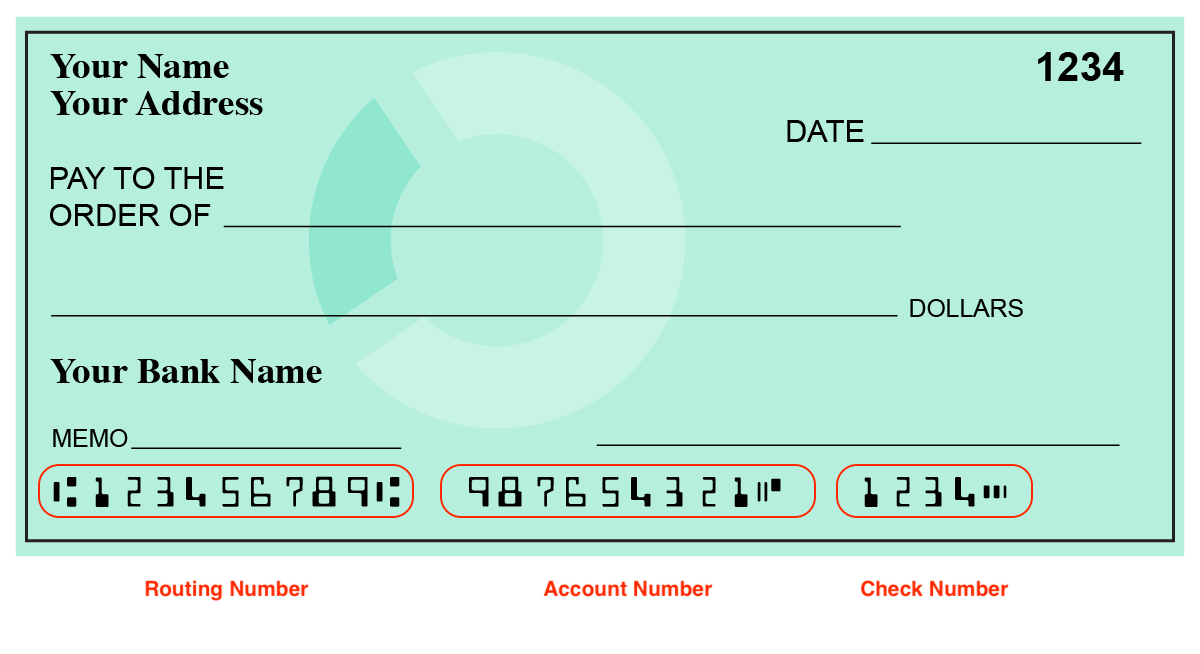
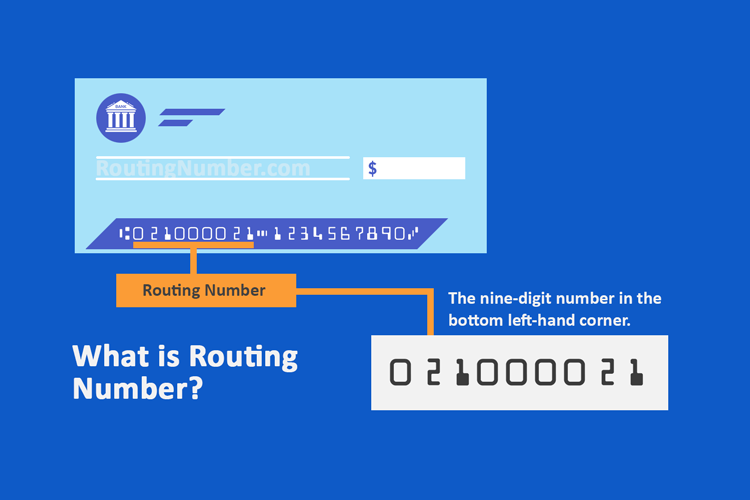
For many, the most accessible place to find their routing number is right on a physical check. Look at the bottom left-hand corner of your personal checks. You’ll typically see three sets of numbers, printed using magnetic ink character recognition (MICR) font. The first set of nine digits on the left is usually your bank’s routing number. The middle set is your individual account number, and the last set is the check number. Be aware that savings accounts often don’t have checks, so this method applies primarily to checking accounts.
Through Online Banking or Mobile App
In the age of digital banking, your routing number is just a few clicks or taps away. Almost all banks provide easy access to this information through their online banking portals and mobile applications.
- Online Banking: Log in to your bank’s website. Navigate to your account summary or profile settings. Often, you’ll find your routing number listed alongside your account details for checking and savings accounts. Some banks may have a dedicated “Account Information” or “Direct Deposit Information” section.
- Mobile App: Open your bank’s mobile app and log in. Similar to online banking, look for your account details, account settings, or a “More Information” tab related to your specific checking or savings account. Many apps prominently display it to facilitate easy direct deposit setup.
These digital methods are often the quickest and most convenient, especially if you don’t have a checkbook readily available.
On Your Bank Statements
Your monthly or quarterly bank statements, whether paper or electronic, are another reliable source for your routing number. It is typically printed near your account number and other bank information, often in the header or footer section of the statement. If you receive paper statements, check the top or bottom of the first page. For electronic statements, you can usually download them as PDFs from your online banking portal and then locate the number.
Contacting Your Bank Directly
If for any reason you’re unable to find your routing number using the methods above, or if you want to confirm it for a specific transaction type, don’t hesitate to contact your bank’s customer service.
- Phone Call: Call the customer service number listed on your bank’s official website, your debit card, or a recent bank statement. Be prepared to verify your identity with personal information (e.g., account number, date of birth, mother’s maiden name) to ensure security.
- In-Person Visit: Visit your local bank branch. A teller or customer service representative will be able to provide you with the correct routing number and answer any specific questions you might have. Remember to bring a valid form of identification.
While less convenient than digital methods, direct contact ensures you get accurate information straight from the source.
Using the Bank’s Official Website
Many banks provide a dedicated page or a prominent section on their public website (even before logging in) where you can look up their routing numbers. This is particularly useful if you need the general routing number for a bank where you don’t have an account yet, or if you’re trying to help someone else find theirs. Look for sections like “Contact Us,” “Help & FAQs,” or “About Us,” where routing information is often posted. A quick search within the bank’s site for “routing number” will usually yield the answer.
Routing Numbers for Different Transaction Types
It’s a common misconception that every transaction uses the same routing number. In reality, some banks use different routing numbers for specific types of transfers, especially for international transactions or certain electronic payments.
ACH vs. Wire Transfers
While both ACH and wire transfers are electronic funds transfers, they operate on different networks and sometimes use different routing numbers.
- ACH (Automated Clearing House) Transfers: These are typically used for recurring payments, direct deposits, and most standard electronic bill payments. The routing number for ACH transfers is often the same one found on your checks or through online banking. ACH transfers are generally less expensive and take longer to process (1-3 business days) compared to wire transfers.
- Wire Transfers: These are faster, often more expensive, and typically used for large, time-sensitive transfers. Some banks use a specific routing number for incoming wire transfers that might be different from their standard ACH routing number. It is crucial to confirm the correct wire transfer routing number directly with your bank, especially if you are the recipient. Providing the wrong number can cause significant delays or even loss of funds.
Always specify the type of transaction when you are asking for the routing number to ensure you receive the correct one.
Domestic vs. International Transfers
When it comes to international money transfers, the routing number is generally not sufficient on its own.
- Domestic Transfers: For transfers within the United States, your bank’s routing number (and your account number) is usually all that’s required.
- International Transfers: For sending or receiving money from outside the U.S., you’ll typically need a SWIFT/BIC (Society for Worldwide Interbank Financial Telecommunication / Bank Identifier Code) code instead of or in addition to a routing number. A SWIFT code is an international standard that identifies banks globally. Each bank has a unique SWIFT code, usually 8 or 11 characters long. If you are receiving an international wire transfer, you will need to provide the sender with your bank’s SWIFT code and your full bank account number. Your bank can provide you with their SWIFT code, often found on their website under international wire transfer instructions.
Misunderstanding these distinctions can lead to failed transactions and unnecessary fees, highlighting the importance of confirming the specific requirements for your transfer.
Safeguarding Your Financial Information
While your routing number is less sensitive than your full account number or debit card details, it’s still a piece of financial information that should be handled with care. Responsible sharing and awareness of potential risks are key to maintaining your financial security.
When to Share and When Not to Share
It’s perfectly safe and necessary to share your routing number (along with your account number) with trusted entities for legitimate financial transactions, such as:
- Your employer for direct deposit.
- Utility companies for automatic bill payments.
- Government agencies for tax refunds or payments.
- Reputable financial institutions for linking accounts.
However, you should exercise caution and discretion. Never provide your routing number, or any other banking details, in response to unsolicited emails, texts, or phone calls, especially if they create a sense of urgency or claim to be from your bank asking to “verify” your account. Legitimate institutions will not ask for sensitive information in this manner.
Recognizing Scams
Scammers often attempt to phish for banking information by posing as legitimate organizations. Be wary of:
- Phishing Emails/Texts: Messages asking you to click a link to “update your account information” or “verify your identity” which then lead to fake websites designed to steal your data.
- Impersonation Calls: Callers claiming to be from your bank, the IRS, or other official bodies, demanding your bank details under threat of account closure or legal action.
- Unusual Requests: Be suspicious if someone you don’t know well or a service you haven’t initiated asks for your routing and account numbers.
Always verify the legitimacy of any request for your financial information by contacting the institution directly using official contact details (not numbers provided in suspicious messages).
Best Practices for Online Security
To further protect your financial information, adopt these best practices:
- Use Strong, Unique Passwords: For your online banking accounts and all other financial services.
- Enable Two-Factor Authentication (2FA): This adds an extra layer of security, requiring a second verification step (like a code sent to your phone) beyond just your password.
- Monitor Your Accounts Regularly: Check your bank statements and transaction history frequently for any unauthorized activity.
- Keep Software Updated: Ensure your operating system, web browser, and antivirus software are always up to date to protect against the latest vulnerabilities.
- Be Skeptical of Public Wi-Fi for Banking: Avoid conducting sensitive financial transactions over unsecured public Wi-Fi networks.
By understanding what your routing number is, knowing how to find it, and being vigilant about its security, you can navigate your financial life with confidence and precision. This small but mighty nine-digit code is a cornerstone of modern banking, and having a firm grasp of its role empowers you to manage your money more effectively and securely.
aViewFromTheCave is a participant in the Amazon Services LLC Associates Program, an affiliate advertising program designed to provide a means for sites to earn advertising fees by advertising and linking to Amazon.com. Amazon, the Amazon logo, AmazonSupply, and the AmazonSupply logo are trademarks of Amazon.com, Inc. or its affiliates. As an Amazon Associate we earn affiliate commissions from qualifying purchases.