
In the landscape of American retail, few names carry the same weight of ubiquity and strategic resilience as Kohl’s. To the casual shopper, Kohl’s is a destination for apparel, home goods, and electronics. However, to brand strategists and market analysts, Kohl’s represents a sophisticated case study in middle-market positioning. Founded in 1962, the company has navigated decades of shifting consumer behaviors, the rise of e-commerce, and the collapse of the traditional department store model. Understanding what Kohl’s is requires more than a look at its inventory; it requires an analysis of its brand identity, its unique psychological approach to value, and its aggressive pursuit of strategic partnerships.

The Identity of a Middle-Market Titan
At its core, Kohl’s is a department store retail chain that operates more than 1,100 stores across 49 states. Unlike its high-end competitors like Nordstrom or its discount rivals like Target and Walmart, Kohl’s occupies a distinct “middle-market” niche. This positioning is intentional and serves as the foundation of its corporate identity.
The Value-Oriented Brand Promise
Kohl’s has built its brand around the promise of “attainable aspiration.” The brand does not attempt to sell luxury in the traditional sense; instead, it offers the look and feel of high-quality lifestyle brands at a price point that remains accessible to the average American household. This balance is maintained through a carefully curated mix of national brands—such as Nike, Levi’s, and Under Armour—and private-label brands that provide higher margins while reinforcing the store’s value proposition.
Geographic Strategy and Store Format
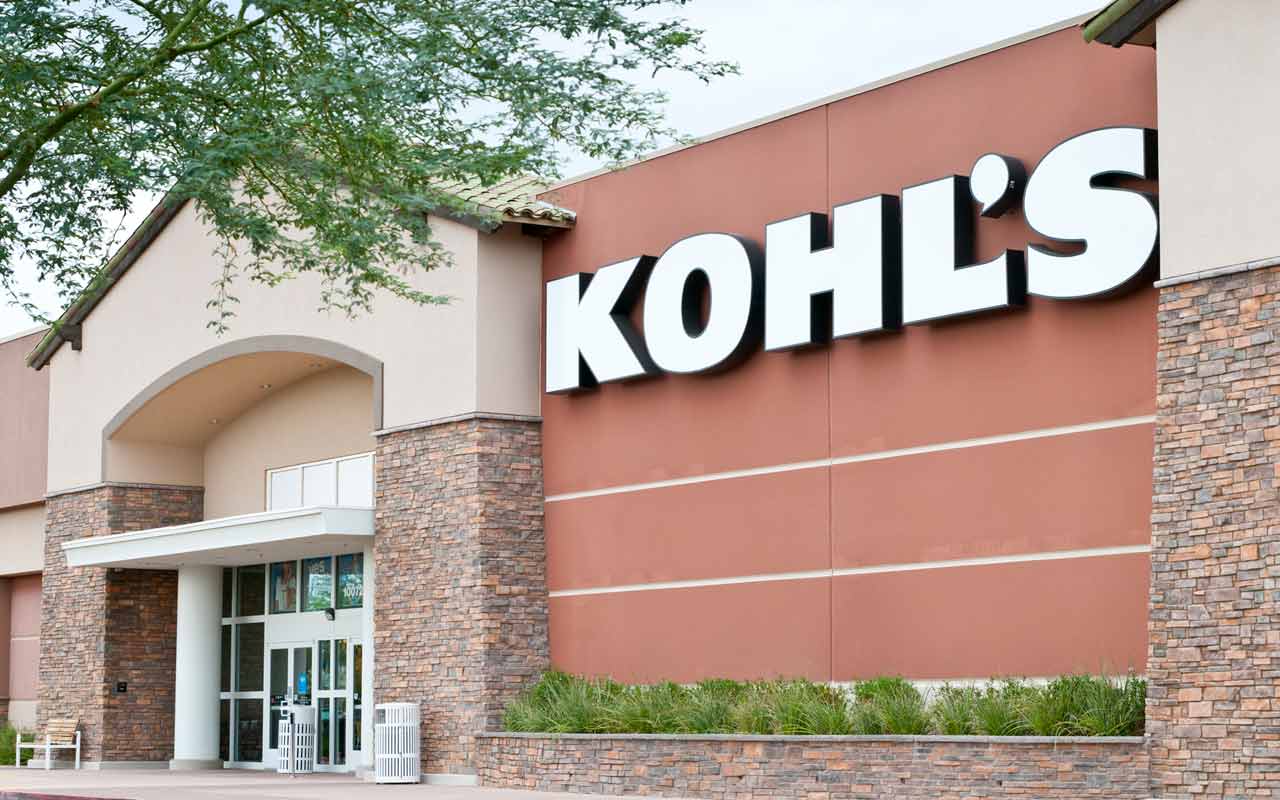
Unlike many of its competitors who anchored themselves in traditional shopping malls, Kohl’s early strategy focused on “off-mall” locations. This branding decision was a masterstroke in convenience. By placing stores in standalone locations or power centers, Kohl’s branded itself as an accessible, quick-entry alternative to the exhausting experience of a massive shopping mall. This physical accessibility became a core part of the brand’s identity: a place where the suburban family could run an errand with the same ease as visiting a grocery store.
Strategic Partnerships: A Rebranding Masterclass
In the last decade, as the “retail apocalypse” claimed numerous legacy brands, Kohl’s survived and thrived by leaning into a “store-within-a-store” strategy. This approach has allowed the brand to refresh its image and attract demographics that might previously have overlooked it.
The Sephora Synergy
Perhaps the most significant brand pivot in recent history was the partnership between Kohl’s and Sephora. By replacing its own beauty departments with Sephora boutiques, Kohl’s effectively borrowed the prestige and “cool factor” of the world’s leading beauty retailer. This was not just a merchandising move; it was a rebranding effort. It signaled to younger, trend-conscious consumers that Kohl’s was a destination for premium beauty. For Sephora, it provided access to the suburban markets where Kohl’s is a dominant force. This partnership has redefined the Kohl’s foot traffic profile, bringing in a more diverse and affluent customer base.
The Amazon Returns Integration
One of the most unorthodox branding moves in retail history was Kohl’s decision to accept Amazon returns in its physical stores. On the surface, partnering with the very entity accused of killing traditional retail seemed counterintuitive. However, from a brand strategy perspective, it was brilliant. It transformed Kohl’s stores into essential service hubs. By positioning itself as a solution to a common consumer pain point—mailing back online returns—Kohl’s ensured a steady stream of foot traffic. Once inside, these “returners” are exposed to the Kohl’s brand environment, often leading to impulse purchases. This move branded Kohl’s as a pragmatic, modern collaborator rather than a defensive, legacy holdout.
The Psychology of Loyalty: The Kohl’s Cash Phenomenon
No discussion of the Kohl’s brand is complete without an analysis of “Kohl’s Cash.” This loyalty program is more than a discount scheme; it is a fundamental pillar of the brand’s psychological engagement with its customers.
Gamifying the Shopping Experience
Kohl’s Cash operates on a system of delayed gratification that encourages repeat visits. By awarding coupons that can only be used during specific future dates, Kohl’s creates a cyclical shopping habit. This creates a “win-win” brand perception: the customer feels they have “earned” money, while the brand ensures a second transaction. This gamification has fostered a level of brand loyalty that is rare in the retail sector, turning casual shoppers into “Kohl’s enthusiasts” who plan their spending around these promotional windows.
Behavioral Economics and Brand Perception
The brand uses a “high-low” pricing strategy. It is rare for a customer to pay the “original” price for an item at Kohl’s. By constantly running sales and layering them with Kohl’s Cash and “Yes2You” rewards, the brand positions itself as a place where the consumer always “beats the system.” This empowers the customer, making them feel like a savvy shopper. This emotional connection—the feeling of getting a deal—is the primary driver of the Kohl’s brand equity.
Private Labels and Design Innovation
While national brands draw customers in, Kohl’s private labels are what define its internal design identity. Brands like Sonoma Goods for Life, Croft & Barrow, and Apartment 9 are designed to mirror current trends while maintaining a timeless, approachable aesthetic.
Bridging the Gap with Celebrity Collaborations
To elevate its brand status, Kohl’s has frequently engaged in exclusive celebrity and designer collaborations. From Vera Wang (Simply Vera) to Lauren Conrad and Martha Stewart, these partnerships allow Kohl’s to offer high-design concepts at department store prices. These collaborations serve to polish the brand’s fashion credentials, proving that “budget-friendly” does not have to mean “out of style.”
Curating a Lifestyle Brand
Kohl’s has successfully transitioned from a clothing store to a lifestyle curator. By integrating home décor, kitchenware, and fitness equipment into its brand narrative, it positions itself as a one-stop-shop for the modern home. The brand identity is built around the idea of the “Kohl’s Life”—organized, stylish, and financially responsible.
Adapting to the Digital Era: The Omnichannel Brand
The modern definition of Kohl’s must include its digital presence. A brand today is only as strong as its app and its website, and Kohl’s has invested heavily in creating a seamless omnichannel experience.
Digital Integration and the “Kohl’s App”
The Kohl’s mobile app is often cited as one of the best in the retail industry. It integrates the loyalty program, digital wallet, and in-store navigation into a single interface. By digitizing the Kohl’s Cash experience, the brand has successfully transitioned its legacy loyalty model into the smartphone era. This digital transformation has allowed the brand to remain relevant to Gen Z and Millennial shoppers who demand efficiency and mobile-first interactions.
The Future of the Kohl’s Identity
As we look forward, the identity of Kohl’s continues to evolve. The brand is increasingly focusing on “active and wellness” categories, recognizing the shift in consumer spending toward health and athleisure. By expanding its footprint in brands like Nike and Adidas, Kohl’s is rebranding itself as a destination for the active family.
Furthermore, the brand is navigating the complexities of modern corporate identity by focusing on sustainability and diversity. A brand’s value is no longer measured solely by its margins, but by its impact. Kohl’s has made significant strides in sustainable sourcing and inclusive marketing, ensuring that its brand remains resonant in a socially conscious marketplace.

Conclusion
So, what is Kohl’s? It is a resilient, adaptive, and strategically brilliant retail brand. It is a bridge between the convenience of a discount store and the curated experience of a department store. Through its masterclass in partnerships, its psychological mastery of customer loyalty, and its commitment to digital innovation, Kohl’s has carved out a unique space in the American consciousness. It is a brand that understands its audience intimately: the value-seeking, time-crunched, and style-conscious suburban consumer. In an era where many of its peers have faded into history, Kohl’s remains a testament to the power of a clear brand identity and the courage to evolve with the times.
aViewFromTheCave is a participant in the Amazon Services LLC Associates Program, an affiliate advertising program designed to provide a means for sites to earn advertising fees by advertising and linking to Amazon.com. Amazon, the Amazon logo, AmazonSupply, and the AmazonSupply logo are trademarks of Amazon.com, Inc. or its affiliates. As an Amazon Associate we earn affiliate commissions from qualifying purchases.