
Navigating the world of personal finance often involves making decisions that extend beyond the individual. For many couples, business partners, or family members, opening a joint bank account is a pivotal step toward financial synchronicity. Chase, as one of the largest financial institutions in the United States, offers a robust suite of tools and account options designed to facilitate this transition. Managing money together requires more than just a shared login; it requires an understanding of the banking ecosystem, legal implications, and the strategic advantages of a unified financial front.

A joint bank account at Chase functions much like a standard checking or savings account, but with one critical distinction: two or more individuals have equal ownership and access to the funds. This guide explores the nuances of opening a Chase joint bank account, from the initial documentation to the long-term management of shared assets.
The Strategic Value of a Chase Joint Account
Before diving into the “how-to,” it is essential to understand the “why.” In the realm of modern money management, a joint account serves as the central nervous system for a household’s economy. It simplifies the process of paying recurring bills, such as mortgages, utilities, and insurance, by pooling resources into a single bucket.
Streamlining Household Expenses
When partners maintain separate accounts for shared bills, the process of transferring funds back and forth can lead to delays and confusion. A Chase joint account eliminates this friction. By utilizing features like Chase Online Bill Pay, both parties can view when a payment is scheduled and ensure the account is sufficiently funded. This transparency reduces the risk of missed payments and the subsequent credit score damage that follows.
Building a Unified Financial Future
Beyond the utility of paying bills, a joint account fosters a sense of shared goals. Whether saving for a down payment on a home or planning a significant vacation, having a high-visibility account where both parties contribute creates a shared psychological commitment to the financial objective. Chase’s digital tools, including the “Goals” feature within the mobile app, allow joint owners to track their progress in real-time, turning abstract financial plans into tangible milestones.
Prerequisites and Eligibility: What You Need Before You Start
Opening a joint account is a legal commitment, as both parties are equally liable for the account’s activity. Consequently, Chase requires specific documentation to verify the identities of both applicants. Being prepared with these documents can significantly expedite the process, whether you are applying online or in a physical branch.
Required Documentation for Both Parties
Chase adheres to strict “Know Your Customer” (KYC) regulations. To open an account, both individuals must provide:
-
Government-Issued Photo ID: This typically includes a valid driver’s license, a state-issued ID, or a passport.
-
Social Security Number (SSN): This is required for tax reporting purposes and identity verification.
-
Contact Information: Both parties must provide their current physical address, email address, and phone number.
-
Initial Deposit: Depending on the account type, you may need a minimum opening deposit. This can be transferred from an external bank or deposited via cash or check.
Choosing the Right Chase Checking Product
Chase offers several tiers of checking accounts, and choosing the right one depends on your combined financial habits.
-
Chase Total Checking®: This is the most popular option, suitable for everyday banking. It offers a standard set of features with various ways to waive the monthly service fee, such as through qualifying direct deposits.
-
Chase Premier Plus Checking℠: For those who maintain higher balances, this account offers interest-bearing benefits and waived fees for certain services like money orders and cashier’s checks.
-
Chase Sapphire℠ Checking: This is a premium tier for high-net-worth individuals, providing dedicated 24/7 support, no ATM fees worldwide, and higher withdrawal limits.
The Step-by-Step Process to Opening Your Account
Chase has streamlined the application process to accommodate both digital-first users and those who prefer a face-to-face interaction. The path you choose depends on whether you are both existing Chase customers or new to the bank.
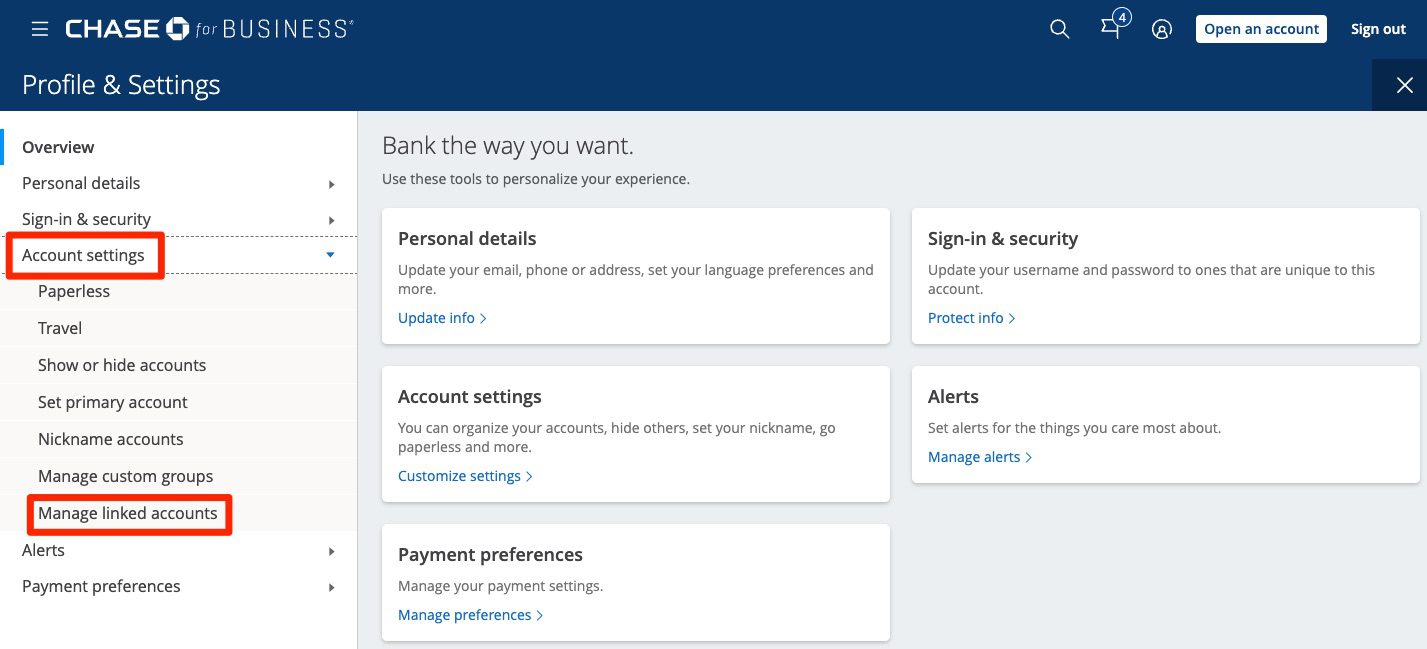
Option 1: The Online Application Process
If both applicants are comfortable with digital banking, the online route is the fastest.
-
Visit the Chase Website: Navigate to the checking accounts section and select the account type you’ve decided on.
-
Start the Application: Click “Open Account.” You will be asked if you want to open an individual or joint account. Select “Joint.”
-
Enter Personal Information: The primary applicant will enter their details first, followed by the co-applicant. If the co-applicant is not present, they may receive an email invitation to complete their portion of the application.
-
Identity Verification: Chase may ask a series of security questions based on your credit history to verify your identity.
-
Fund the Account: Link an external bank account to make your initial deposit.
-
Review and Sign: Both parties must electronically sign the deposit account agreement.
Option 2: Scheduling an In-Person Appointment
For complex situations—such as opening an account with a non-U.S. citizen who may have different documentation—an in-person visit is recommended.
-
Use the Online Scheduler: You can book an appointment at a local branch through the Chase website or mobile app.
-
Gather Both Parties: Both individuals must be physically present at the branch to sign the signature card.
-
Consult with a Banker: A personal banker can help you compare account tiers and ensure you are taking advantage of any current promotional offers or “new account” bonuses.
Converting an Existing Individual Account to Joint Status
If one person already has a Chase account, you cannot simply click a button online to “make it joint.” Usually, this requires visiting a branch. The existing account holder and the new co-owner must meet with a banker to add the second person to the account. This process effectively issues a new signature card and updates the legal ownership of the funds already in the account.
Maximizing the Benefits of the Chase Ecosystem
Once the account is active, the real work begins. Managing a joint account requires leveraging the digital tools Chase provides to ensure both parties stay informed.
Leveraging the Chase Mobile App for Two
The Chase Mobile app is one of the most highly-rated financial apps for a reason. For joint account holders, it offers:
-
Real-Time Alerts: Both owners can set up push notifications for transactions, low balances, or large withdrawals. This is a crucial security feature that ensures both parties are aware of account activity.
-
Zelle Integration: Sending money to friends or paying a shared contractor is seamless with Zelle. Both parties can link their specific contact information to the joint account to receive funds directly.
-
Snapshot View: Both owners can see a high-level view of their spending patterns through the “Spending & Budgeting” tool, which categorizes transactions automatically.
Managing Fees and Minimum Balance Requirements
To make the most of your money, it is vital to avoid unnecessary fees. Most Chase accounts have a monthly service fee that can be waived through specific actions. In a joint account, this is easier to achieve because the combined activity of two people counts toward the requirement. For example, if the requirement is a $1,500 minimum daily balance, the total of both individuals’ contributions is what matters. Likewise, if the fee is waived via direct deposit, only one of the two owners needs to have a qualifying direct deposit to benefit both.
Best Practices for Success in Joint Financial Management
While the technical process of opening the account is straightforward, the human element of shared finance is more complex. Success requires communication and established protocols.
Establishing Clear Communication Protocols
A joint account is not a substitute for financial conversation; it is a tool to facilitate it. Successful pairs often establish “spending thresholds”—a dollar amount (e.g., $200) above which both parties must agree before a purchase is made from the joint account. This prevents surprises and builds trust.
Security and Privacy Considerations
In a joint account, both parties have a “Right of Survivorship.” This means if one owner passes away, the other automatically becomes the sole owner of the funds, bypassing the often-lengthy probate process. However, it also means that both parties are equally responsible for any overdrafts or fees incurred. If one person overdraws the account, the bank can pursue either owner for the balance.
Additionally, both parties should maintain their own unique login credentials for the Chase app, even though they are viewing the same account. Sharing passwords is a security risk and can complicate the bank’s ability to verify which user performed a specific action.

Finalizing the Transition
Opening a Chase joint bank account is a strategic move that can significantly enhance your financial efficiency. By understanding the account options, preparing the necessary documentation, and utilizing the bank’s digital infrastructure, you create a solid foundation for shared financial success. Whether you are merging your lives or simply seeking a more efficient way to manage shared obligations, the tools provided by Chase offer the security and flexibility needed to thrive in a collaborative financial environment. Using these resources wisely ensures that your joint banking experience is a bridge to your goals rather than a source of friction.
aViewFromTheCave is a participant in the Amazon Services LLC Associates Program, an affiliate advertising program designed to provide a means for sites to earn advertising fees by advertising and linking to Amazon.com. Amazon, the Amazon logo, AmazonSupply, and the AmazonSupply logo are trademarks of Amazon.com, Inc. or its affiliates. As an Amazon Associate we earn affiliate commissions from qualifying purchases.