
Kawaii fashion, at its heart, is an aesthetic deeply rooted in the Japanese cultural concept of “kawaii,” meaning cute, adorable, or lovable. Far from being a fleeting trend, it represents a vibrant and multifaceted visual language that has transcended its origins to become a global phenomenon. For brands and individuals alike, understanding kawaii is not merely about appreciating cuteness; it’s about grasping a potent communication tool, a strategic differentiator, and a powerful conduit for emotional connection and identity expression. Within the realm of branding, kawaii offers an expansive palette for crafting unique identities, engaging diverse audiences, and building resonant narratives.

The Cultural Roots and Global Appeal of Kawaii
The journey of kawaii began in Japan, evolving from a youth subculture in the 1970s and 80s into a pervasive element of national identity. Initially manifesting in handwriting styles and then in character design, its emphasis on childlike innocence, bright colors, rounded shapes, and often whimsical themes quickly resonated with a broad audience. This aesthetic was not just about superficial charm; it embodied a yearning for softness, warmth, and an escape from the complexities of adult life. Its inherent optimism and approachable nature paved the way for its eventual global embrace, making it a compelling reference point for brand strategists.
From Subculture to Mainstream Influence
What began as a counter-cultural expression of youth quickly seeped into mainstream Japanese consumer culture, with brands like Sanrio leading the charge with iconic characters such as Hello Kitty. This success demonstrated the commercial viability of the kawaii aesthetic, proving that cuteness could be a powerful driver of brand loyalty and product sales. As Japan’s cultural exports grew, so too did the global recognition and appreciation for kawaii. Anime, manga, video games, and J-pop acts all carried the kawaii torch across borders, exposing international audiences to its diverse manifestations and paving the way for its adoption in Western markets. For brands, this trajectory highlights how a distinct aesthetic, initially niche, can be strategically scaled to achieve widespread appeal, provided it maintains its core authenticity and emotional resonance.
The Emotional Connection: Cuteness as a Universal Language
At the core of kawaii’s enduring appeal is its ability to evoke strong positive emotions. Cuteness, in many cultures, is instinctively associated with innocence, vulnerability, and playfulness, triggering a nurturing response. Brands leveraging kawaii tap into this universal human wiring, creating an immediate sense of approachability, warmth, and even trust with their consumers. This emotional connection goes beyond mere aesthetic preference; it fosters a deeper bond, transforming products from mere commodities into delightful companions. For brand strategy, understanding this emotional leverage means designing products, packaging, and marketing campaigns that don’t just look cute but feel cute, building a positive emotional landscape around the brand experience. This emotional language translates across demographics, making kawaii a versatile tool for brands aiming to connect on a human level, irrespective of geographical or cultural boundaries, albeit with careful localization.
Kawaii as a Powerful Brand Aesthetic
The visual characteristics of kawaii – pastel colors, rounded edges, exaggerated features, whimsical motifs, and often anthropomorphic designs – provide a rich design language for brands. Integrating these elements can infuse a brand with a distinctive personality, setting it apart in crowded markets. This aesthetic is not limited to fashion brands; it extends to food, electronics, stationery, and even corporate identities, proving its adaptability and broad applicability.
Visual Identity and Product Design
For many brands, kawaii is not just a style choice; it’s a foundational element of their visual identity. Consider the playful logos, character mascots, and packaging designs that instantly communicate a brand’s ethos. A brand that adopts a kawaii aesthetic for its visual identity signals a commitment to approachability, fun, and sometimes a lighthearted disposition. In product design, applying kawaii principles can transform mundane items into desirable objects. From kitchenware adorned with cute faces to tech gadgets featuring soft, rounded lines and pastel hues, the aesthetic imbues products with charm and personality. This design strategy aims to create an immediate emotional appeal, turning functional items into pieces that consumers cherish and want to display. It’s about designing an experience as much as a product, where the visual delight contributes significantly to perceived value and customer satisfaction.
Marketing and Consumer Engagement
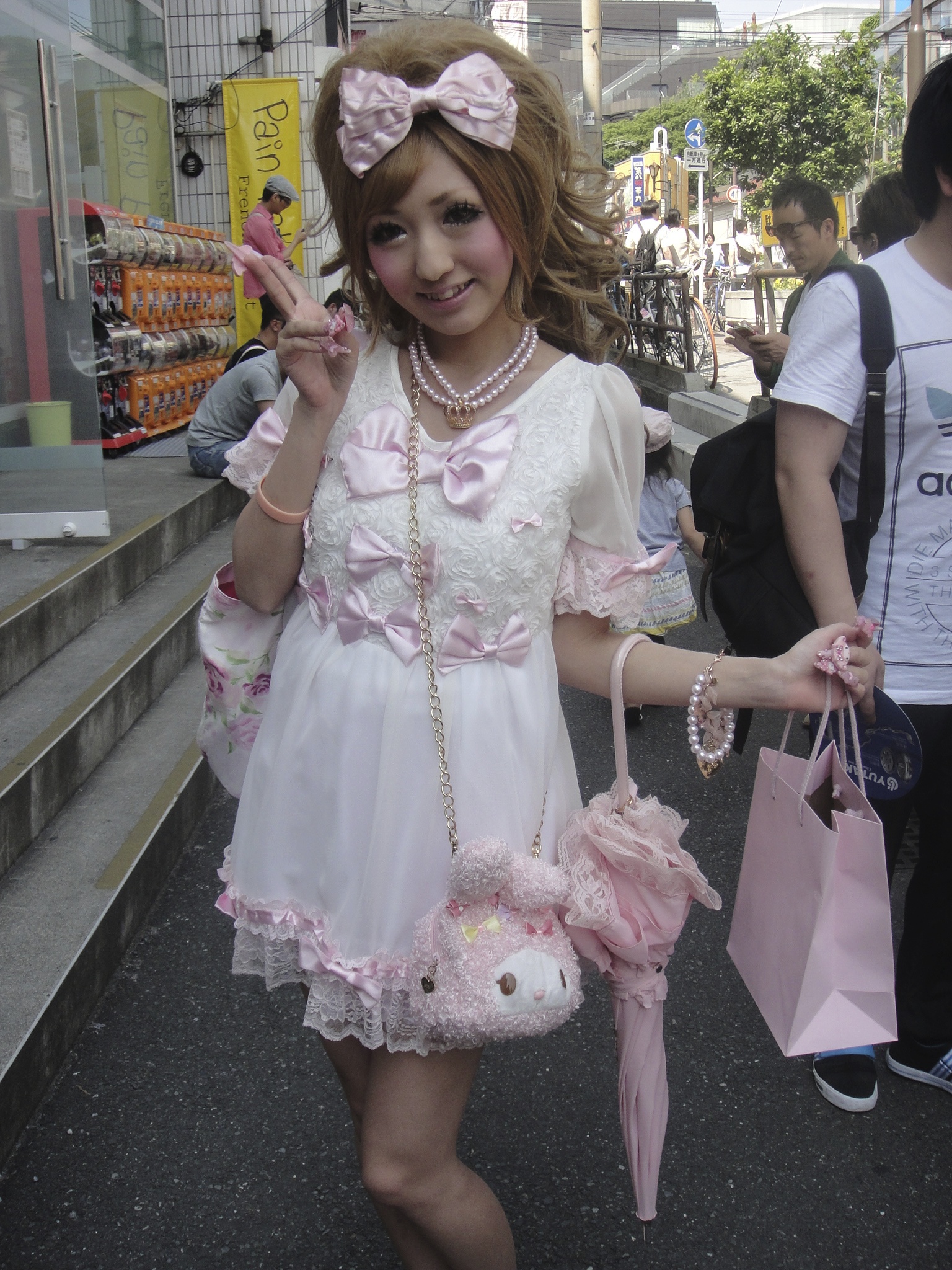
Kawaii’s inherent charm makes it an exceptionally effective tool in marketing and consumer engagement. Cute imagery naturally captures attention and is highly shareable, a crucial factor in the age of social media. Brands utilize kawaii characters in advertising campaigns, animated shorts, and interactive digital experiences to build memorable connections. The playful nature of kawaii encourages interaction, turning passive consumption into active participation. For instance, limited-edition kawaii collaborations can generate significant buzz and drive urgency, while kawaii-themed events or pop-ups create immersive brand experiences that foster community and loyalty. This approach leverages the aesthetic not just to sell products, but to build a narrative around the brand that is inviting, inclusive, and emotionally rewarding, leading to higher engagement rates and brand advocacy.
Leveraging Kawaii for Brand Strategy
Strategically integrating kawaii into a brand goes beyond superficial aesthetics; it involves a deep understanding of target demographics, market positioning, and brand storytelling. It’s about consciously choosing when, where, and how to deploy this powerful aesthetic to achieve specific business objectives.
Authenticity and Niche Targeting
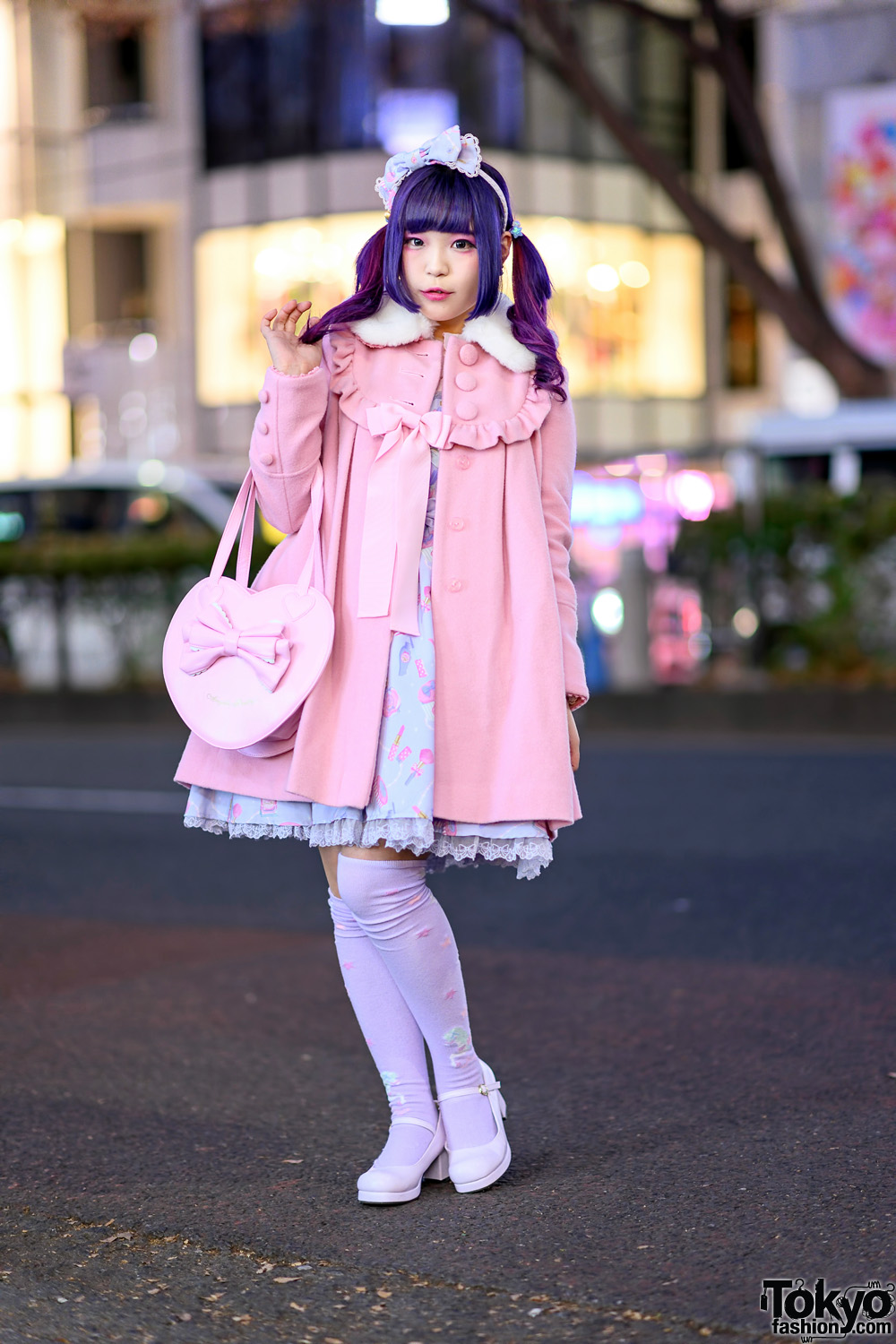
While kawaii has global appeal, its most effective application often lies in its ability to connect with specific niche markets. Brands aiming for younger demographics (Gen Z, Gen Alpha) or those with an affinity for Japanese popular culture often find kawaii to be an authentic and powerful point of connection. However, authenticity is paramount. A brand’s adoption of kawaii must feel genuine and integrated into its core values, rather than appearing as a cynical appropriation. Understanding the nuances of different kawaii sub-styles (e.g., Decora, Pastel Goth, Harajuku) allows brands to target specific consumer segments with precision, building a loyal following that recognizes and appreciates the depth of the aesthetic. This strategic targeting ensures that the brand’s message resonates deeply with its intended audience, fostering strong brand affinity and repeat business.
Expanding Market Reach and Brand Storytelling
Beyond niche targeting, kawaii can also be a strategic tool for expanding a brand’s market reach. Its widespread recognition can help brands enter new geographical markets or appeal to broader demographics by offering a universally understood visual language of positivity and charm. For instance, a traditionally conservative brand might introduce a kawaii sub-line or limited-edition collection to appeal to a younger, more playful audience without alienating its core demographic. Moreover, kawaii lends itself exceptionally well to brand storytelling. The whimsical nature allows for the creation of rich narratives, endearing characters, and fantastical brand worlds that captivate consumers’ imaginations. This narrative approach builds an emotional context around the brand, making it more memorable and relatable, and transforming transactional relationships into enduring emotional connections.
Personal Branding in the Kawaii Space
Kawaii is not exclusively a corporate branding tool; it is also a significant element in personal branding, particularly for content creators, artists, and influencers. Individuals leverage the aesthetic to cultivate a distinct online persona, attract followers, and build a unique community.
Expressing Identity Through Aesthetic Choices
For individuals, embracing kawaii fashion is often a profound expression of personal identity and values. It allows creators to visually communicate playfulness, optimism, individuality, and a rejection of conventional norms. Through their choice of clothing, accessories, makeup, and even their digital content aesthetics, they craft a personal brand that is instantly recognizable and resonant with like-minded individuals. This visual consistency builds a strong personal identity that helps them stand out in crowded digital spaces. It’s about curating an image that reflects one’s inner world, establishing an authentic connection with an audience drawn to that specific visual and emotional language.
Building a Community and Influence
Content creators specializing in kawaii aesthetics often cultivate highly engaged and supportive communities. By consistently producing content that aligns with the kawaii style, they attract an audience that shares similar aesthetic preferences and values. This community becomes a powerful asset for personal branding, providing a platform for genuine interaction, collaboration, and influence. These individuals often become trendsetters within the kawaii sphere, influencing purchase decisions and inspiring others to adopt the style. For businesses, collaborating with such personal brands offers an authentic way to reach targeted audiences, leveraging the influencer’s credibility and the community’s trust in the kawaii aesthetic to promote products or services. This symbiotic relationship underscores the power of kawaii not just as a fashion trend, but as a cultural movement capable of fostering deep connections and driving significant economic impact.
aViewFromTheCave is a participant in the Amazon Services LLC Associates Program, an affiliate advertising program designed to provide a means for sites to earn advertising fees by advertising and linking to Amazon.com. Amazon, the Amazon logo, AmazonSupply, and the AmazonSupply logo are trademarks of Amazon.com, Inc. or its affiliates. As an Amazon Associate we earn affiliate commissions from qualifying purchases.