
In the burgeoning landscape of digital entertainment, streaming services have become a staple for households worldwide. Among the titans of this industry, Amazon Prime Video holds a prominent position, offering a vast library of movies, TV shows, and original content. However, for many prospective subscribers and budget-conscious consumers, the primary question isn’t just about what’s available, but rather: “How much does Amazon Prime Video cost?” Delving into the financial implications of this popular service requires a comprehensive understanding of its various pricing tiers, bundled offers, and potential hidden expenses. This guide aims to demystify the investment required for Amazon Prime Video, providing a clear financial roadmap for current and future subscribers.
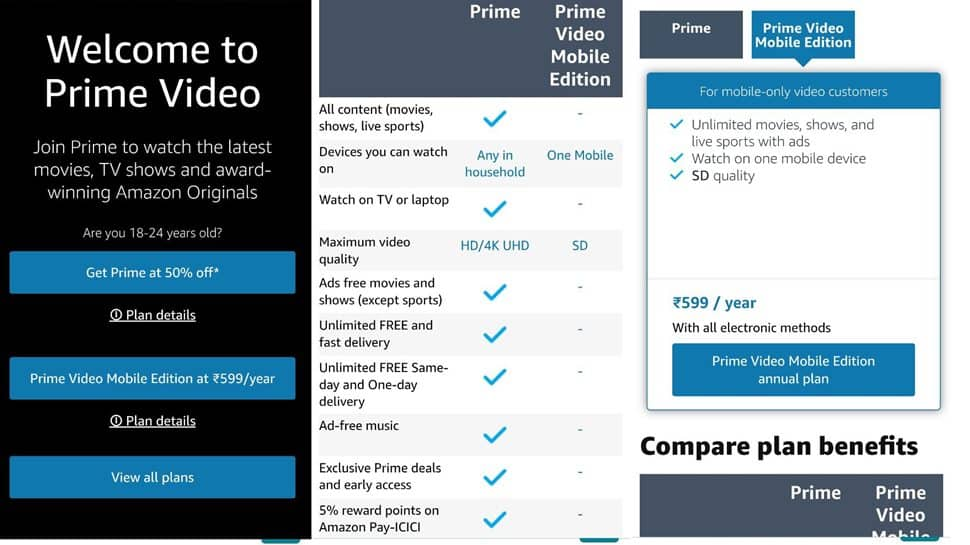
Understanding the cost of Amazon Prime Video isn’t as straightforward as a single monthly fee. It’s often integrated into a broader ecosystem of Amazon services, offering different value propositions depending on how you choose to access it. For those meticulously managing their personal finances or seeking the best return on their entertainment budget, a detailed breakdown is essential. We’ll explore the standalone subscription model, its inclusion within the comprehensive Amazon Prime membership, and other monetary considerations that contribute to the overall expenditure, allowing you to make an informed financial decision.
Demystifying Amazon Prime Video’s Pricing Structure
Amazon Prime Video’s pricing structure is multifaceted, designed to cater to a variety of consumer preferences and financial commitments. The most crucial distinction lies in whether you opt for Prime Video as a standalone service or as part of a more extensive Amazon Prime membership. Each option presents a different financial outlay and a unique set of benefits, making it imperative to assess your needs against the costs.
The Core Offer: Prime Video as a Standalone Subscription
For consumers whose primary interest is solely in accessing Amazon’s streaming content library, the standalone Prime Video subscription offers a direct and focused pathway. This option is particularly appealing to those who may not frequently utilize other Amazon Prime benefits such as free expedited shipping, Amazon Music, or Prime Reading. Typically, this subscription is offered on a monthly basis, providing flexibility without a long-term commitment.
The standalone Prime Video subscription provides access to Amazon’s extensive catalog of on-demand movies and TV shows, including all Amazon Originals. It’s a straightforward transaction: a fixed monthly fee for unlimited streaming from their included library. While seemingly simpler, it’s vital to compare this cost against the broader Prime membership, especially if you anticipate even occasional use of other Amazon services. For instance, if you make just a few Amazon purchases a year that would incur shipping costs, the standalone video subscription might paradoxically become less financially efficient than a full Prime membership. From a budgeting perspective, this option offers predictability and clarity for those who only want streaming.
The All-Inclusive Value: Prime Video with an Amazon Prime Membership
The most common way subscribers access Amazon Prime Video is through a full Amazon Prime membership. This package is Amazon’s flagship offering, bundling numerous services into a single subscription fee. For a slightly higher cost than the standalone Prime Video, members unlock a vast array of benefits, fundamentally altering the value proposition from a purely entertainment-focused expenditure to a more comprehensive lifestyle investment.
An Amazon Prime membership typically offers both monthly and annual payment options. The annual option almost always presents a significant cost saving compared to paying month-to-month over a year, making it the financially astute choice for committed users. Beyond Prime Video, this membership includes:
- Free two-day (or faster) shipping: A major draw for frequent online shoppers.
- Amazon Music Prime: Ad-free access to a curated selection of songs.
- Prime Reading: A rotating selection of free ebooks and magazines.
- Amazon Photos: Unlimited full-resolution photo storage.
- Early access to Lightning Deals: A perk for deal hunters.
- Prime Gaming: Free games and in-game content.
From a financial planning standpoint, the decision to opt for a full Prime membership hinges on whether the cumulative value of these additional services outweighs the incremental cost compared to a standalone Prime Video subscription. If your household regularly uses Amazon for shopping, listens to music, or reads digital books, the full Prime membership often presents a superior economic value, effectively making Prime Video a ‘bonus’ rather than the sole driver of the cost. Analyzing your spending habits and service usage is crucial here to determine if the bundled approach offers genuine savings.
Regional Variations and Currency Considerations
It’s important to acknowledge that the cost of Amazon Prime Video and a full Amazon Prime membership is not uniform across all geographies. Prices can vary significantly based on the country, reflecting local market conditions, taxes, economic factors, and content licensing agreements. For instance, a subscription in the United States will have a different price point in USD compared to a subscription in India in INR or the UK in GBP.
These regional differences extend to the specific benefits included in a Prime membership as well. While core features like Prime Video and free shipping are generally universal, the breadth of the content library, the speed of delivery, and the availability of other bundled services can differ. When evaluating the cost, consumers must ensure they are looking at the pricing relevant to their specific country of residence. Furthermore, currency exchange rates can impact the perceived cost for international travelers or individuals considering subscriptions in different regions, though direct subscriptions typically require a local payment method. Always consult Amazon’s official website for the most accurate and up-to-date pricing in your local currency.
Beyond the Base: Understanding Additional Costs and Value
While the core subscription fee grants access to a vast library, the Amazon Prime Video experience can be expanded, often incurring additional costs. Understanding these supplementary expenditures is crucial for a complete financial picture and to prevent unexpected charges on your monthly statement. These additional options, while enhancing the viewing experience, require careful budgeting and consideration.
Renting, Buying, and Premium Channels: Expanding Your Content Library
The standard Amazon Prime Video subscription provides access to a rotating selection of movies and TV shows included with your membership. However, many new releases, older classics, and certain popular titles are often not included. For these, Amazon offers options to rent or buy on a per-title basis.
- Renting: This allows you temporary access to a movie or TV show, typically for 24-48 hours once playback begins, and a limited time (e.g., 30 days) from the point of rental to start watching. Rental prices vary based on the title’s popularity, age, and resolution (SD/HD/4K). This is a one-time transaction per title.
- Buying: Purchasing a title grants you indefinite digital ownership, allowing you to watch it as many times as you like. Purchase prices are generally higher than rental fees and also vary by title and quality.
Additionally, Amazon Prime Video acts as a hub for various premium channels or add-on subscriptions. These are separate monthly subscriptions that you can add to your Prime Video account, offering content from other providers (e.g., HBO Max, Showtime, STARZ, Paramount+). Each premium channel comes with its own distinct monthly fee, billed through your Amazon account. While convenient for consolidating billing, these add-ons significantly increase your overall monthly entertainment expenditure. Financial diligence is key here to avoid stacking up numerous subscriptions without realizing their cumulative impact on your budget. It’s essential to review whether the content on these channels justifies the additional recurring cost.
Unlocking Enhanced Features: Ad-Free Viewing and Beyond
In an evolving streaming landscape, some services have introduced advertising tiers to offer a lower-cost option or, conversely, charge an additional fee for an ad-free experience. Amazon Prime Video has recently introduced an ad-supported tier for its included content. While the base subscription still offers a substantial library, an additional monthly fee is now required to remove commercials from Prime Video content.
This shift presents a new financial consideration for subscribers. Previously, the ad-free experience was standard with a Prime Video subscription. Now, consumers must weigh the convenience of uninterrupted viewing against the added monthly expense. For some, the nominal fee might be a small price to pay for an enhanced viewing experience, especially if they watch a significant amount of content. For others, particularly those on a strict budget, enduring a few ads might be a more financially prudent choice. It highlights the trend of unbundling features and charging incrementally for them, necessitating a closer look at the true cost of the desired experience.
Beyond ad-free viewing, some services also offer enhancements like offline downloads, higher streaming quality (4K HDR), or multiple simultaneous streams. While these are often included in the standard Prime Video subscription, it’s always wise to verify the specifics of your plan to ensure it meets your technical and household needs without incurring unforeseen charges or limitations.
Free Trials and Promotional Offers: Maximizing Your Initial Value
For new subscribers, Amazon frequently offers free trials for both the standalone Prime Video service and the full Amazon Prime membership. These trials typically last for 7, 14, or 30 days and provide full access to the respective service without charge during the trial period. This is an excellent opportunity to test the service, explore the content library, and assess its value before committing financially.
However, a critical financial note here is to be mindful of the automatic renewal. Unless cancelled before the trial period ends, the subscription will automatically convert to a paid membership, and your chosen payment method will be charged. Savvy consumers often set a reminder to review their satisfaction before the trial expires to either commit or cancel without incurring any cost.

Amazon also periodically rolls out promotional offers and discounts. These can include:
- Student discounts: Reduced annual rates for college students.
- EBT/Medicaid cardholder discounts: Reduced monthly rates for eligible individuals.
- Bundles with other services: Temporary discounts when signing up for multiple Amazon services.
- Holiday promotions: Special pricing during peak shopping seasons.
Taking advantage of these promotions can significantly reduce the initial financial outlay or the ongoing cost of the subscription. It pays to keep an eye on Amazon’s official announcements or check for eligibility if you fall into one of the special categories. Maximizing these initial savings can stretch your entertainment budget further, providing more value for your dollar.
Evaluating the Financial Value of Amazon Prime Video
Making an informed decision about subscribing to Amazon Prime Video, or retaining your current membership, extends beyond simply knowing the monthly fee. It requires a deeper financial analysis, weighing the costs against the perceived value and comparing it with alternative entertainment options. This evaluation helps ensure that your investment in streaming services aligns with your overall financial goals and entertainment needs.
Cost-Benefit Analysis: Is Amazon Prime Video Worth the Investment?
A comprehensive cost-benefit analysis for Amazon Prime Video involves more than just listing expenses; it’s about quantifying the utility you derive from the service.
On the cost side, we consider:
- The monthly or annual subscription fee (standalone Prime Video or full Prime membership).
- Additional costs for renting/buying specific titles.
- Fees for premium channels or ad-free viewing.
- The opportunity cost of not using that money elsewhere.
On the benefit side, we assess:
- Content library: Do you find enough movies and shows that genuinely interest you? Are the Amazon Originals compelling?
- Usage frequency: How often do you (and your household) actually use the service? High frequency naturally increases perceived value.
- Exclusivity: Is there content on Prime Video that you cannot get elsewhere that you highly value?
- Additional Prime benefits (if applicable): If you have a full Prime membership, how much value do you place on free shipping, music, reading, etc.? Estimate the monetary savings from these benefits if you were to pay for them separately or through alternative services.
- Convenience: The ease of accessing a vast library on demand.
If you rarely watch content on Prime Video, or if most of your viewing consists of titles you have to rent or buy separately, the “value” of your base subscription diminishes. Conversely, if you frequently utilize the bundled shipping, music, and video, the full Amazon Prime membership often presents a compelling economic proposition. The ‘worth’ is highly subjective, but a personal financial audit of your usage can provide objective clarity.
Comparative Spending: Prime Video Against Other Streaming Services
In a crowded streaming market, Amazon Prime Video doesn’t exist in a vacuum. Consumers often subscribe to multiple services, leading to “subscription fatigue” and escalating monthly bills. Therefore, a crucial part of financial evaluation is comparing Prime Video’s cost and offerings against its competitors such as Netflix, Disney+, Hulu, HBO Max, and others.
- Cost vs. Content: While one service might be cheaper, does it offer the variety and quality of content you desire? Some services specialize (e.g., family-friendly, prestige TV), while others aim for broad appeal.
- Bundles: Some competitors offer their own bundles (e.g., Disney+/Hulu/ESPN+ bundle) that might rival the value of an Amazon Prime membership for certain user profiles.
- Ad-tiers: Compare the ad-free costs across services. If you’re willing to watch ads on one platform to save money, consider if the same applies to Prime Video.
- Exclusive Content: Identify which service has the exclusive shows and movies you absolutely cannot miss. This often dictates a base subscription choice.
From a financial perspective, it’s often more prudent to prioritize 2-3 services that genuinely meet your needs rather than subscribing to every popular platform. Regularly auditing your streaming subscriptions and rotating them if necessary (subscribing for a few months to binge content then cancelling) can be an effective budgeting strategy, ensuring you only pay for what you actively use and value.
Budgeting for Entertainment: Integrating Prime Video into Your Financial Plan
Incorporating Amazon Prime Video, and indeed all entertainment expenses, into a broader personal financial plan is critical for maintaining fiscal health. Digital subscriptions, while seemingly small individually, can accumulate into a significant monthly outlay if not monitored.
- Categorize and Track: Clearly designate a portion of your monthly budget for “Entertainment” or “Digital Subscriptions.” Use budgeting apps or spreadsheets to track these recurring costs meticulously.
- Set Limits: Decide on a maximum amount you’re willing to spend on all streaming services combined each month. This forces conscious decisions about which services to keep.
- Regular Review: At least once a quarter, review all your subscriptions. Are you still actively using Prime Video? Are the benefits of a full Prime membership still relevant to your current shopping and lifestyle habits? Are there services you can pause or cancel?
- Annual vs. Monthly: If you’re committed to Prime for the long term, consider the annual payment option to save money. Just ensure the lump sum payment fits within your cash flow.
By actively managing and integrating Amazon Prime Video into your financial plan, you transform an abstract expense into a controlled and deliberate investment in your leisure. This proactive approach ensures that your entertainment spending remains sustainable and aligned with your overall financial objectives, rather than becoming a forgotten drain on your resources.
Managing Your Subscription: Practical Financial Steps
Once you’ve decided to subscribe to Amazon Prime Video, or if you’re an existing member, knowing how to manage your subscription is paramount for financial control. This includes understanding payment processes, how to cancel or pause services, and ongoing monitoring to prevent unintended expenses. Effective management ensures you get the most value for your money and can adjust your spending as needed.
How to Subscribe: Navigating Payment Options
Subscribing to Amazon Prime Video is a straightforward process, but understanding the payment mechanisms and associated terms is crucial. Whether signing up for the standalone service or a full Prime membership, the process typically involves:
- Account Creation/Login: You’ll need an Amazon account.
- Plan Selection: Choosing between monthly or annual payments (for full Prime) and acknowledging any free trial terms.
- Payment Method: Providing a valid credit card, debit card, or other accepted payment method. Amazon securely stores this information for recurring billing.
- Confirmation: Receiving an email detailing your subscription, next billing date, and how to manage your membership.
Important Financial Considerations:
- Automatic Renewal: All Amazon subscriptions are set to automatically renew at the end of each billing cycle (monthly or annually). Be aware of the renewal date to avoid unwanted charges if your intentions change.
- Payment Defaults: Ensure your payment method is always up-to-date to prevent service interruptions. If a payment fails, Amazon will typically notify you and attempt to recharge.
- Gift Memberships: Amazon offers the option to purchase Prime memberships as gifts, which can be a way for others to cover your subscription cost for a period, providing a temporary financial relief.
Cancelling or Pausing Your Subscription: Financial Flexibility
Life circumstances and entertainment needs can change, making the ability to cancel or pause a subscription a critical financial flexibility. Amazon makes it relatively easy to manage your Prime Video or Prime membership:
- Access Account Settings: Navigate to your “Account & Lists” on Amazon.com and select “Prime Membership” or “Memberships & Subscriptions.”
- Manage Membership: Here you can find options to “End Membership” or “Cancel.”
- Cancellation Process: Follow the prompts. Amazon usually offers a refund for the unused portion of an annual membership if you haven’t used Prime benefits since the last renewal. For monthly subscriptions, you generally retain access until the end of the current billing cycle.
Financial Planning Tip: If you’re trying to cut costs, consider cancelling and then resubscribing later if a specific show or season interests you. This “churning” strategy can save significant money over time compared to maintaining subscriptions year-round when you’re not actively watching. For students or seasonal workers, pausing (if available for your specific subscription) or cancelling during inactive periods can be a smart financial move.
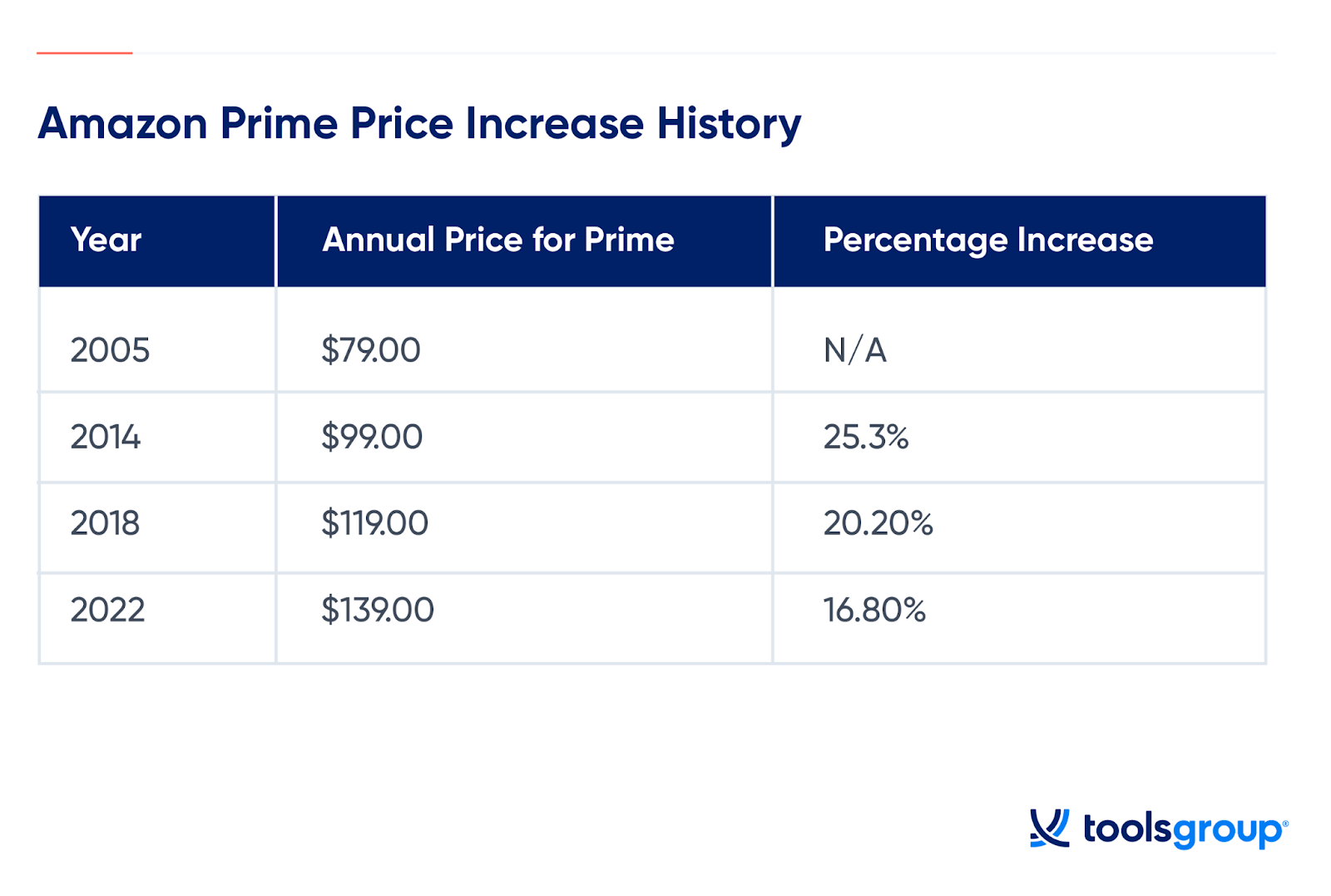
Monitoring Your Spending: Keeping Track of Digital Entertainment Costs
Proactive financial management requires ongoing vigilance. Digital subscriptions can be insidious because they are often small, recurring charges that might go unnoticed if not actively tracked.
- Bank/Credit Card Statements: Regularly review your bank or credit card statements for all recurring charges. Identify and confirm all Amazon-related debits. Look for “Amazon Prime,” “Amazon Video,” or specific channel add-on names.
- Amazon Account History: Your Amazon account provides a detailed history of your subscriptions and purchases, including rentals and purchases on Prime Video. This is your definitive record.
- Budgeting Tools: Utilize personal finance apps or budgeting software that can automatically track and categorize your spending. Many can flag recurring subscriptions for easy review.
By diligently monitoring your spending, you can quickly identify any unauthorized charges, understand the cumulative cost of your entertainment, and make informed decisions about where to cut back or where you’re getting good value. This disciplined approach ensures that Amazon Prime Video, and all your digital entertainment, remains a controlled and enjoyable expense rather than a hidden drain on your finances.
In conclusion, the cost of Amazon Prime Video is not a simple figure but a nuanced calculation influenced by subscription type, additional content choices, regional pricing, and personal usage habits. By understanding these various components and applying sound financial management principles, consumers can optimize their entertainment spending, ensuring they get maximum value from their investment in Amazon’s extensive streaming ecosystem.
aViewFromTheCave is a participant in the Amazon Services LLC Associates Program, an affiliate advertising program designed to provide a means for sites to earn advertising fees by advertising and linking to Amazon.com. Amazon, the Amazon logo, AmazonSupply, and the AmazonSupply logo are trademarks of Amazon.com, Inc. or its affiliates. As an Amazon Associate we earn affiliate commissions from qualifying purchases.