
Kinesiology tape, often simply called K-tape or athletic tape, has transitioned from a specialized tool in sports medicine to a widely recognized aid for pain relief, injury recovery, and athletic performance. While not a digital gadget or a software application, K-tape represents a fascinating application of material science and biomechanical principles, making it a “tech” tool in the realm of physical health and human performance. Understanding its multifaceted utility requires delving into the innovative design and scientific basis that underpins its widespread adoption.
The Core Technology Behind Kinesiology Tape
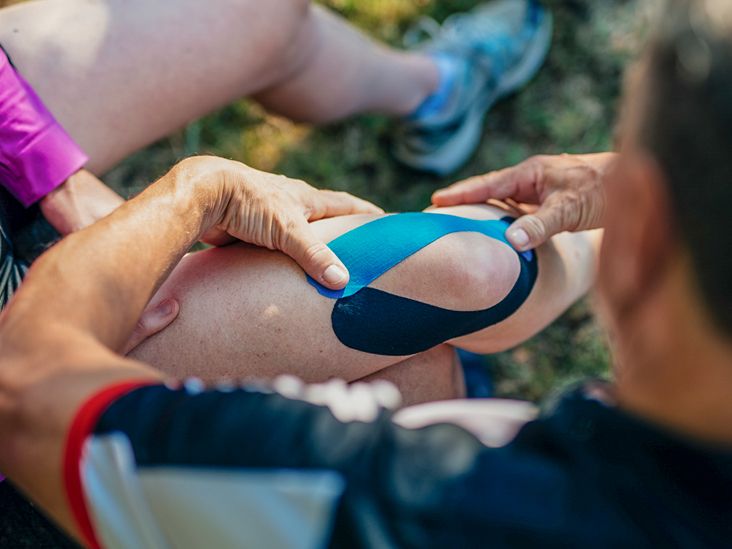
At its heart, K-tape is a sophisticated elastic therapeutic tape designed to mimic the elasticity and thickness of human skin. Developed by Japanese chiropractor Dr. Kenzo Kase in the 1970s, its initial design sought to provide support and stability to joints and muscles without restricting the body’s range of motion, a common drawback of traditional athletic tape. This foundational principle distinguishes K-tape as a unique “tech” solution for body mechanics.
Distinctive Features and Design Principles
The “technology” of K-tape lies in its specific physical properties and how they interact with the body.
- Elasticity and Stretch: Unlike rigid athletic tape, K-tape boasts a significant degree of elasticity, typically stretching 130-140% of its original length. This allows it to move with the body’s natural contours and movements, rather than immobilizing them. This dynamic property is crucial for its therapeutic effects, as it permits full range of motion while providing support.
- Material Composition: Most K-tapes are made from a blend of cotton and a polymer elastic core, which makes them breathable and water-resistant. The adhesive is typically an acrylic-based, heat-activated, medical-grade glue that is applied in a wave pattern. This wave pattern is a key technological feature; it allows for better air circulation and moisture evaporation, preventing skin irritation and enabling the tape to stay on for several days, even through showering and exercise.
- Adhesive Pattern and Skin Interaction: The wave-patterned adhesive creates microscopic lifts in the skin. This lifting action is one of the primary mechanisms through which K-tape exerts its effects, influencing fluid dynamics, nerve receptors, and muscle function. This intricate interaction with the body’s largest organ – the skin – highlights the thoughtful engineering behind the product.
- Non-Medicated Nature: Importantly, K-tape itself does not contain any medicinal compounds. Its therapeutic benefits derive solely from its mechanical interaction with the skin, muscles, and fascia. This makes it a non-pharmacological “tech” solution for various physical ailments.
Versatile Applications in Sports and Rehabilitation
The unique design of K-tape enables it to be applied in numerous ways to achieve different therapeutic outcomes. Its versatility positions it as a go-to “tool” for a wide array of physical challenges, from athletic performance enhancement to chronic pain management.
Injury Prevention and Performance Enhancement
Athletes frequently use K-tape as a prophylactic measure or to enhance performance during competition and training.
- Muscle Support and Facilitation: When applied with a specific tension and direction, K-tape can support weakened muscles, helping them to contract more efficiently. For example, taping an athlete’s quadriceps before a long run can provide subtle support, potentially delaying fatigue and improving muscle endurance. Conversely, it can also inhibit overused or hypertonic muscles.
- Joint Stability: While not providing the rigid support of traditional athletic tape, K-tape can offer proprioceptive feedback around joints. By stimulating nerve endings in the skin, it enhances the body’s awareness of its joint position in space, which can be crucial in preventing sprains and strains, particularly in ankles, knees, and shoulders. This biofeedback mechanism is a subtle yet powerful “tech” feature.
- Improved Biomechanics: Strategic application can help correct minor biomechanical imbalances. For instance, taping along the IT band can subtly encourage proper knee tracking during movements, reducing stress and improving efficiency for runners or cyclists.
Pain Management and Swelling Reduction
Beyond athletic performance, K-tape is widely utilized in rehabilitation settings for its significant effects on pain and inflammation.
- Pain Gate Theory: The lifting action of the tape on the skin is thought to activate mechanoreceptors, nerve endings responsible for touch, pressure, and stretch. This sensory input can interfere with pain signals traveling to the brain, effectively “gating” or reducing the perception of pain. This non-invasive pain management strategy makes it a popular alternative or complement to other therapies.
- Reduced Swelling and Bruising: By lifting the skin, K-tape creates more space in the interstitial tissue, the area between the skin and muscle. This increased space allows for better circulation of blood and lymphatic fluid, facilitating the removal of inflammatory byproducts and reducing swelling and bruising. This lymphatic drainage effect is particularly beneficial post-injury or post-surgery.
- Accelerated Recovery: By addressing pain and swelling, K-tape indirectly contributes to faster recovery times. Patients are often able to move more comfortably and begin rehabilitation exercises sooner, which is critical for restoring function and preventing muscle atrophy.
Postural Support and Proprioception
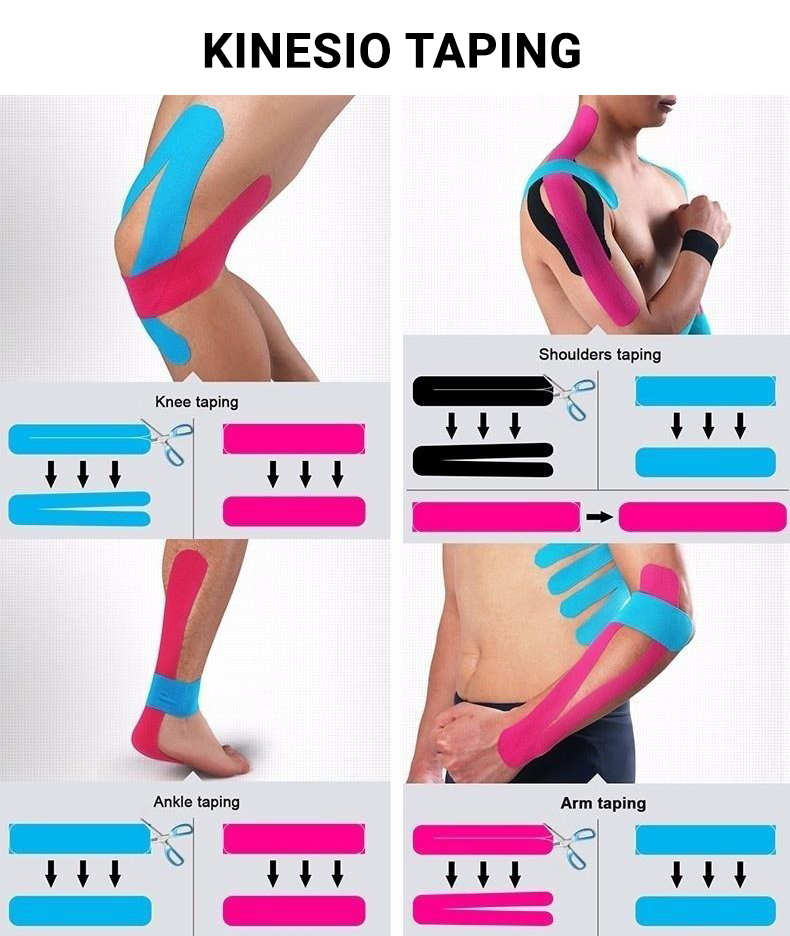
K-tape can also be employed to encourage better posture and enhance body awareness.
- Postural Cues: For individuals struggling with poor posture, such as rounded shoulders or a slouching back, K-tape can be applied along the spine or shoulders. While it doesn’t physically force the body into a correct position, the gentle pull and sensory feedback from the tape act as a constant reminder to maintain proper alignment. This continuous, subtle “alert” system is a key “tech” application for behavioral modification.
- Enhanced Body Awareness (Proprioception): Proprioception is the body’s ability to sense its position and movement in space. K-tape enhances this through the continuous stimulation of nerve endings in the skin and underlying tissues. This improved awareness is invaluable for athletes needing precise control, individuals recovering from neurological conditions, or those simply seeking better body mechanics in daily life.
Practical Considerations and Application Techniques
Mastering K-tape application is akin to learning how to properly use any specialized tool or software; it requires specific knowledge and technique to maximize effectiveness. Improper application can render the tape ineffective or even cause skin irritation.
Proper Application Methods for Efficacy
The “how-to” aspect of K-tape is paramount. Key principles include:
- Skin Preparation: The skin must be clean, dry, and free of oils, lotions, or hair for optimal adhesion. Shaving the area might be necessary for some.
- Anchoring: The ends of the tape should always be applied without stretch, creating “anchors” that prevent peeling and maintain the desired tension in the working section.
- Tension Control: The amount of stretch applied to the tape dictates its effect. Different levels of tension are used for muscle facilitation (light stretch), muscle inhibition (moderate stretch), pain reduction (light to moderate stretch), or lymphatic drainage (very light stretch, often in a fan shape). This precision in application makes it a nuanced “tech” skill.
- Muscle Position: The muscle or joint should be placed in a stretched position during application to allow the tape to recoil and create the lifting effect.
- Rubbing to Activate Adhesive: After application, firmly rubbing the tape creates friction and heat, which activates the medical-grade adhesive, ensuring it adheres properly and stays in place.
Who Benefits Most from K-Tape?
While beneficial for many, certain groups tend to experience the most significant advantages from K-tape.
- Athletes of All Levels: From professional sports stars managing chronic conditions to weekend warriors preventing sprains, athletes use K-tape for performance enhancement, injury prevention, and expedited recovery.
- Individuals with Musculoskeletal Pain: Those suffering from conditions like runner’s knee, shin splints, plantar fasciitis, shoulder impingement, lower back pain, or neck strain often find relief and improved function with K-tape.
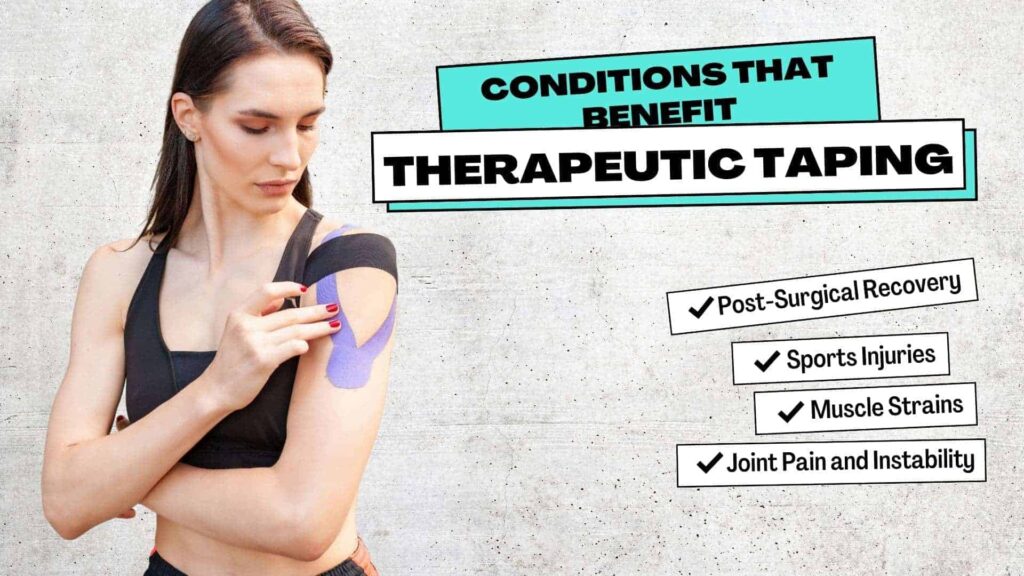
- Rehabilitation Patients: Physical therapists frequently integrate K-tape into treatment plans for post-surgical recovery, injury rehabilitation, and improving movement patterns.
- People with Edema or Swelling: Post-operative swelling, lymphedema, or general bruising can be effectively managed by K-tape’s ability to promote lymphatic drainage.
- Pregnant Women: K-tape can provide support for growing bellies and alleviate common pregnancy-related back pain, making it a safe, non-pharmacological option.
Beyond the Basics: Evolving Uses and Best Practices
As with any effective “tech” tool, the applications and understanding of K-tape continue to evolve, driven by user experience, clinical research, and advancements in sports medicine.
Emerging Trends and Research
The therapeutic potential of K-tape is still being explored. Current research aims to further elucidate its precise physiological mechanisms and validate its efficacy for a broader range of conditions. Studies are investigating its impact on neurological conditions, chronic pain syndromes, and even post-stroke rehabilitation. The ongoing scientific inquiry ensures that K-tape remains a dynamic and expanding component of the physical health toolkit.
Complementing Other Therapeutic Modalities
K-tape is rarely used as a standalone treatment but rather as an adjunct to a comprehensive therapeutic plan. It works synergistically with other treatments such as manual therapy, exercise, stretching, massage, and cryotherapy. This integrated approach leverages K-tape’s unique ability to provide continuous therapeutic input between clinical sessions, reinforcing the benefits of other interventions. As a versatile, non-invasive, and relatively low-cost “tech” solution, K-tape continues to be a valuable asset in optimizing physical well-being and recovery for a diverse population.
aViewFromTheCave is a participant in the Amazon Services LLC Associates Program, an affiliate advertising program designed to provide a means for sites to earn advertising fees by advertising and linking to Amazon.com. Amazon, the Amazon logo, AmazonSupply, and the AmazonSupply logo are trademarks of Amazon.com, Inc. or its affiliates. As an Amazon Associate we earn affiliate commissions from qualifying purchases.