
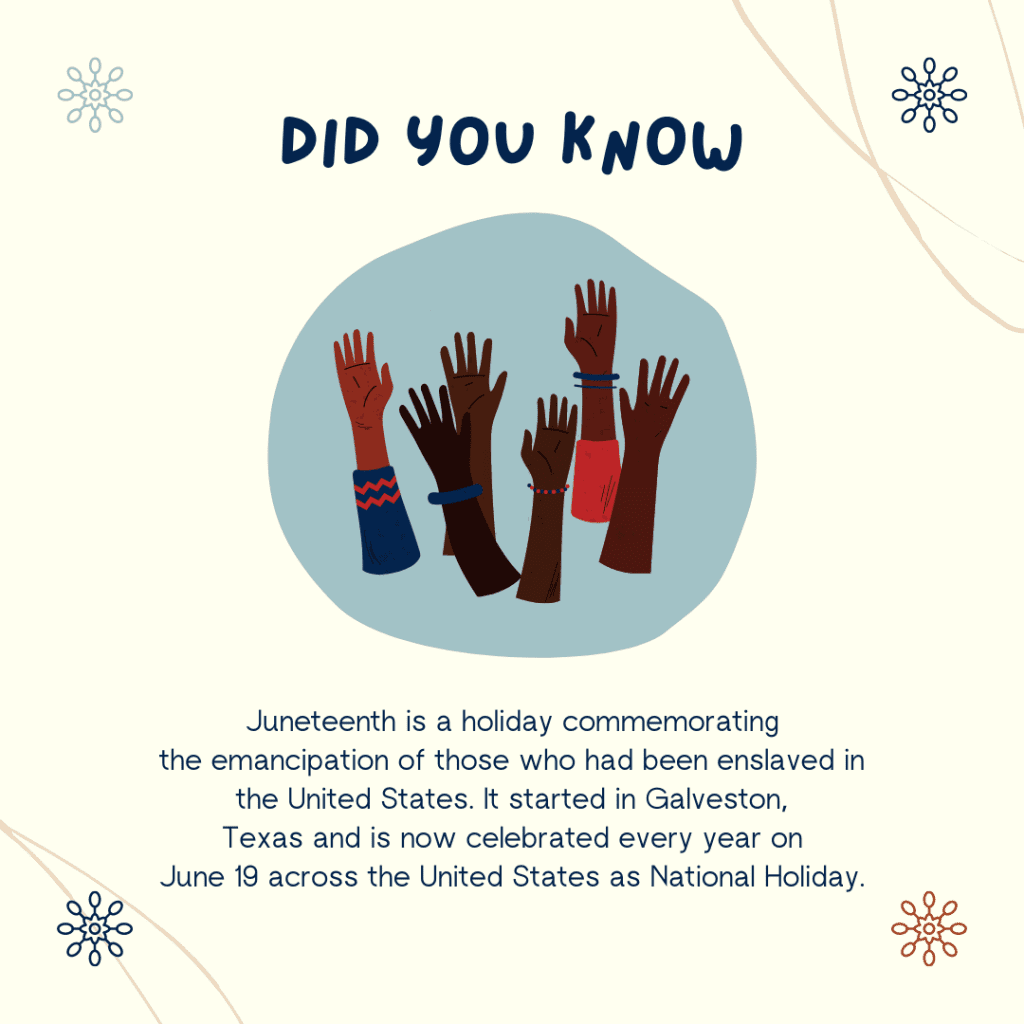
In the modern marketplace, the intersection of history, culture, and commerce has become a critical focal point for brand managers and corporate strategists. Juneteenth—celebrated on June 19th—marks the day in 1865 when the last enslaved African Americans in Galveston, Texas, were informed of their freedom, more than two years after the Emancipation Proclamation was signed. While its historical roots are deeply embedded in the narrative of American liberation, its contemporary significance has evolved into a vital touchstone for brand identity and corporate responsibility.
For a brand, understanding what Juneteenth stands for goes far beyond recognizing a federal holiday. it represents a fundamental challenge to align corporate values with the ongoing pursuit of equity, justice, and authentic representation. In an era where consumers demand transparency and purpose-driven action, how a brand approaches Juneteenth can either solidify its reputation as an ally or expose it as a performative participant in social movements.
The Core Significance of Juneteenth in a Corporate Context
At its heart, Juneteenth stands for the triumph of the human spirit over systemic oppression and the enduring hope for a more equitable future. For brands, this translates into a call for integrity. The shift from a cultural observation to a federally recognized holiday in the United States has accelerated the need for companies to define their stance on civil rights and systemic change.
Defining the Brand Narrative
Every brand tells a story, and the inclusion of Juneteenth in that story must be handled with extreme care. A brand’s narrative is the sum of its history, its actions, and its promises. When a company acknowledges Juneteenth, it is essentially stating that its brand identity is cognizant of the historical context of its audience. This is not merely about a social media post; it is about demonstrating that the brand understands the long-term struggle for freedom and how that struggle informs the current economic and social landscape of its consumers.
The Shift from Recognition to Integration
In the past, many brands approached cultural milestones through the lens of “recognition”—a simple nod to the calendar. Today, the expectation has shifted toward “integration.” Integration means that the values Juneteenth represents—liberation, honesty, and progress—are woven into the fabric of the corporate identity. This involves looking inward at hiring practices, board diversity, and supply chain ethics. A brand that celebrates freedom on the outside while maintaining restrictive or inequitable environments on the inside risks a catastrophic failure of brand trust.
Navigating the Risks of Performative Marketing
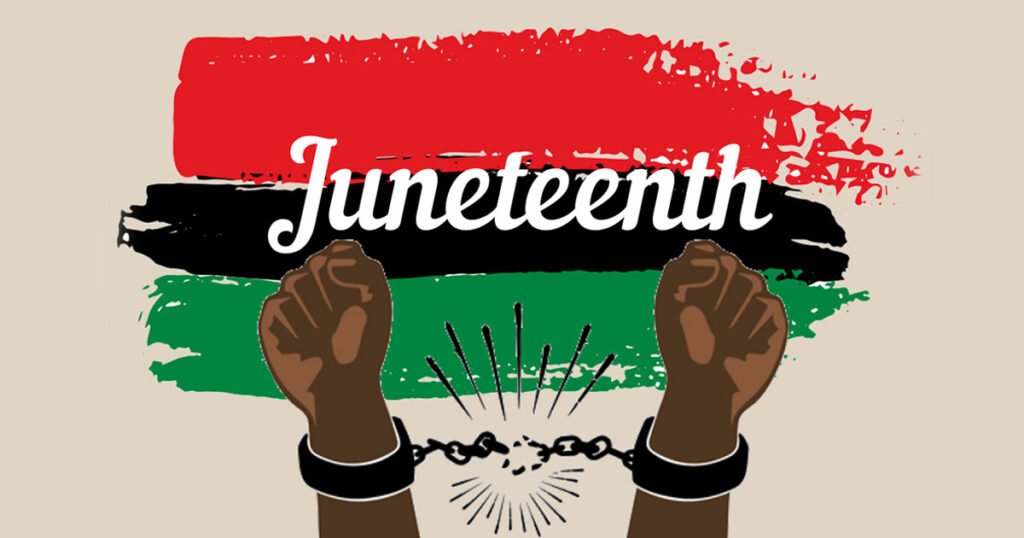
One of the greatest threats to brand equity in the context of Juneteenth is performative marketing. This occurs when a brand adopts the symbols and language of a movement for commercial gain without making a meaningful contribution to the cause. For Juneteenth, this has often manifested as “holiday-washing,” where brands slap a red, black, and green color palette on products or advertisements without a deeper connection to the community or the history being honored.
Identifying “Holiday-Washing”
Consumers, particularly Gen Z and Millennials, are highly adept at spotting opportunistic marketing. Holiday-washing is easily identified when a brand’s Juneteenth messaging feels disconnected from its year-round actions. If a brand only speaks on racial equity during the month of June, the market perceives it as an attempt to capitalize on a cultural moment. This can lead to a significant backlash, damaging the brand’s reputation and alienating a core demographic of conscious consumers.
Lessons from Recent Brand Failures
Several high-profile brands have faced public scrutiny for Juneteenth-themed products that were perceived as tone-deaf or exploitative. For example, when major retailers released Juneteenth-themed food items or party supplies, the reaction was swift and critical. The criticism centered on the commodification of a day rooted in the trauma and eventual liberation of enslaved people. These case studies serve as a warning to brand strategists: Juneteenth is not a “marketing opportunity” in the traditional sense; it is a time for reflection, education, and support. The focus must remain on the community, not the bottom line.
Building Authentic Brand Equity through Social Justice
To build authentic brand equity, a company must move beyond the “what” and focus on the “how.” Authenticity is the cornerstone of modern branding. When a brand demonstrates that it stands for the same things Juneteenth stands for—namely, the breaking of barriers and the empowerment of the disenfranchised—it fosters a deep, emotional connection with its audience.
Internal vs. External Alignment
A brand’s external messaging is only as strong as its internal culture. Before launching any external campaign related to Juneteenth, brand leaders must conduct an audit of their internal corporate identity. Are there mentorship programs for Black employees? Is the company culture inclusive? Does the organization have a history of supporting racial justice initiatives? Authentic branding requires that the company’s internal operations reflect the values it promotes publicly. When these two are in alignment, the brand gains “moral authority,” which is a powerful asset in a competitive market.
Investing in Community Partnerships
One of the most effective ways to demonstrate brand purpose is through long-term community partnerships. Rather than creating proprietary Juneteenth products, brands can use their platforms to amplify Black-owned businesses, artists, and non-profit organizations. By redirecting resources and attention to those who are directly connected to the legacy of Juneteenth, a brand shifts from being a “performer” to being a “facilitator.” This strategy builds lasting brand loyalty because it shows that the company is invested in the success of the community, not just the success of its own quarterly sales.
Strategies for Respectful Engagement and Communication
Effective brand strategy during Juneteenth requires a nuanced approach to communication. The goal should be to honor the holiday’s significance while positioning the brand as a thoughtful and humble participant in the conversation.
Content Strategy and Visual Identity
The visual representation of Juneteenth must be handled with dignity. Avoiding clichés and stereotypes is paramount. Brands should consider collaborating with Black creators and designers to ensure that any visual content is culturally accurate and respectful. Furthermore, the content strategy should prioritize education over sales. Sharing the history of the holiday, highlighting the stories of those who fought for freedom, and providing resources for further learning are all ways to engage the audience without appearing commercial.
Measuring Impact Over Profit
In the context of social-cause branding, the metrics of success should change. Instead of focusing solely on click-through rates or conversion, brand managers should measure the “impact.” This might include the amount of money donated to civil rights organizations, the number of people reached through educational content, or the internal growth of diversity and inclusion metrics. By prioritizing impact, a brand proves that its commitment to what Juneteenth stands for is genuine and measurable.
The Future of Brand Purpose and Civil Rights
As the business landscape continues to evolve, the expectation for brands to act as social agents will only increase. Juneteenth stands for a legacy of resilience and a future of possibility. Brands that understand this will be the ones that survive and thrive in an increasingly values-driven economy.
Establishing Year-Round Consistency
The most successful brands are those that don’t wait for a specific date to advocate for equity. Consistency is the key to building a brand that stands the test of time. A brand’s commitment to the ideals of Juneteenth—liberation, equity, and progress—should be evident in January as much as it is in June. This involves a sustained investment in social justice, a commitment to diversifying the workforce at all levels, and a willingness to speak out on issues that matter to their community.
Conclusion: The Strategic Path Forward
Understanding what Juneteenth stands for is a prerequisite for any modern brand aiming for longevity and relevance. It is a reminder that brand strategy is no longer just about the product; it is about the values the product represents. By approaching Juneteenth with humility, authenticity, and a focus on community empowerment, brands can move beyond the surface level of marketing and contribute to the profound legacy of freedom that the holiday celebrates. In doing so, they do more than just build a brand; they help build a more equitable world, ensuring that the liberation celebrated on June 19th is reflected in the corporate structures of the future.
aViewFromTheCave is a participant in the Amazon Services LLC Associates Program, an affiliate advertising program designed to provide a means for sites to earn advertising fees by advertising and linking to Amazon.com. Amazon, the Amazon logo, AmazonSupply, and the AmazonSupply logo are trademarks of Amazon.com, Inc. or its affiliates. As an Amazon Associate we earn affiliate commissions from qualifying purchases.