
The Core Identity of Justice: Defining Judicial Independence
At its heart, judicial independence is the bedrock upon which the judiciary builds its enduring brand of impartiality, fairness, and unwavering commitment to the rule of law. It is not merely an abstract legal principle but the very essence of what allows the justice system to stand distinct, credible, and trustworthy in the eyes of the public and the global community. For an institution whose core product is justice, its independence serves as its most critical brand attribute, defining its corporate identity and shaping public perception.
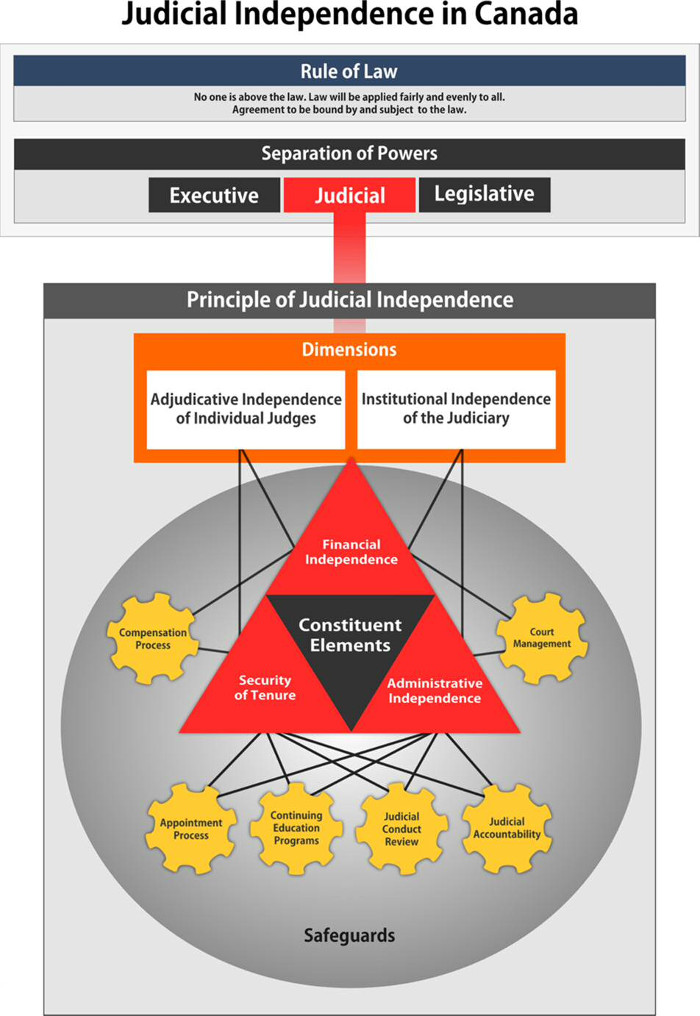
This independence signifies the judiciary’s freedom from external pressures and influences, primarily from the executive and legislative branches of government, but also from partisan political groups, powerful economic interests, or even public opinion itself. It ensures that judges make decisions based solely on the facts presented in court and the applicable law, without fear of reprisal or expectation of reward. In a world where institutional credibility is constantly scrutinized, a robust brand of judicial independence is paramount for maintaining societal order and safeguarding individual rights.
Beyond Impartiality: The Institutional Brand
While impartiality speaks to the unbiased nature of individual judicial decision-making, judicial independence extends this concept to the entire institution. It is the guarantee that the system itself is structured to prevent undue influence. Think of it as the constitutional and operational framework that protects the judiciary’s brand integrity. Without this structural independence, even the most impartial judge might find their decisions undermined or their authority challenged, thus weakening the collective brand of justice. It’s the difference between a product being good and the company behind it having a reputation for consistent quality and ethical practices. The judiciary, as a service provider of justice, must project an institutional brand that is impervious to manipulation.
A Cornerstone of Public Trust and Legitimacy
The strength of any brand is ultimately measured by the trust it inspires. For the judiciary, public trust is its most valuable asset, directly linked to its legitimacy and authority. When citizens and businesses perceive the courts as truly independent, they are more likely to accept judicial rulings, even when those rulings go against their interests. This acceptance is crucial for the peaceful resolution of disputes and the effective functioning of society. A judiciary that is seen as beholden to political whims or financial pressures suffers a catastrophic brand erosion, leading to cynicism, defiance, and a breakdown of the rule of law. Thus, judicial independence is not merely an internal operational guideline; it is a critical marketing message, constantly reinforcing the judiciary’s promise of fair and unbiased justice to its stakeholders – the public.
Building the Judiciary’s Brand: Pillars of Independence
The institutional brand of an independent judiciary is not self-sustaining; it is meticulously constructed and maintained through several interconnected pillars. These structural elements serve as both defensive fortifications against undue influence and proactive strategies to uphold the judiciary’s identity and reputation.
Financial Autonomy: Protecting the Brand from Influence
A fundamental aspect of judicial independence, and a key component of its brand integrity, is financial autonomy. This ensures that the judiciary’s budget, including judges’ salaries and operational expenses, is determined and secured in a manner that shields it from political manipulation. If judges’ compensation or court funding could be easily cut or increased based on political favor, it would create an incentive for judicial decisions to align with executive or legislative desires. This direct linkage would severely compromise the judiciary’s brand of impartiality, creating a perception of vulnerability and potential for corruption. An independently administered budget underscores the message that the judiciary operates on its own terms, free from the financial leverage of other state actors, thereby reinforcing its self-standing brand identity.
Security of Tenure: Fostering Brand Consistency and Experience
Security of tenure means that judges, once appointed, generally serve until a set retirement age and cannot be easily removed from office except for serious misconduct, typically through a rigorous impeachment process. This pillar is vital for nurturing a consistent and experienced judicial brand. It liberates judges from the fear of political retribution for unpopular but legally sound decisions, allowing them to adjudicate without external pressure. Imagine a corporate brand constantly changing its leadership based on short-term political shifts; its messaging, quality, and long-term vision would suffer. Similarly, secure tenure ensures continuity, allows for the accumulation of deep legal expertise, and promotes a stable, predictable brand of justice delivery. It communicates that the judiciary’s decisions are driven by law and legal precedent, not the fleeting demands of electoral cycles.
Institutional Separation: Defining the Brand Boundaries
The principle of separation of powers, where the judiciary operates distinctly from the executive and legislative branches, is critical for defining the judiciary’s unique institutional brand. This separation ensures that the judiciary has its own distinct mandate, processes, and responsibilities, preventing encroachment from other governmental entities. It’s about clear brand boundaries—the judiciary is not merely an extension or enforcement arm of the government, but a distinct, co-equal branch. This clear delineation helps solidify the perception that courts are a neutral forum, not just another political arena. Maintaining this separation also involves safeguarding the judiciary’s administrative independence, ensuring that matters like court administration, judicial appointments (often involving independent commissions), and internal disciplinary processes are managed autonomously, free from external partisan interference that could tarnish its distinct brand identity.

Operational Freedom: Delivering the Brand Promise
Operational freedom refers to the ability of judges to conduct court proceedings and make rulings without interference in specific cases. This includes freedom from direct pressure regarding particular judgments, sentencing, or the interpretation of law. It’s the practical, day-to-day delivery of the judiciary’s brand promise. If judges were told how to rule in specific cases by political figures or lobbyists, the entire brand of “justice” would be rendered hollow. This freedom also extends to the processes by which courts manage their dockets, allocate resources for trials, and set their procedural rules, within the bounds of law. By ensuring judges can operate unfettered in their core duties, the judiciary consistently delivers on its brand promise of fair process and just outcomes.
Protecting the Brand: Threats and Safeguards to Judicial Independence
The brand of judicial independence, while foundational, is perpetually vulnerable to various pressures. Recognizing these threats and implementing robust safeguards is essential for any institution committed to maintaining its public trust and legitimacy.
External Pressures: Reputation Management in a Connected World
In today’s interconnected world, external pressures can manifest in myriad ways, posing significant threats to the judiciary’s brand. Political attacks, media campaigns, or even well-intentioned public advocacy can challenge judicial decisions, sometimes unfairly. When political actors publicly criticize judges for specific rulings, it can undermine public confidence and create a perception of political vulnerability. The judiciary must navigate these challenges with strategic reputation management, often relying on judicial councils or spokespersons to articulate its role and defend its processes, without commenting on the merits of individual cases. Maintaining a unified, professional brand voice is crucial in countering narratives that seek to erode its independence. Furthermore, safeguarding the judicial appointment process from overt political influence is a primary defense against external capture, ensuring that candidates are chosen based on merit and impartiality, reinforcing the brand’s commitment to quality.
Internal Ethics: Maintaining Brand Integrity
Beyond external threats, internal ethical standards are paramount to preserving judicial independence and brand integrity. A robust code of judicial conduct, coupled with effective disciplinary mechanisms, ensures that judges uphold the highest standards of integrity, honesty, and professionalism. Any perceived corruption, conflicts of interest, or unethical behavior by individual judges can severely tarnish the entire judiciary’s brand. Such incidents create a deep chasm in public trust, making it difficult for the institution to maintain its authority and legitimacy. Strong ethical frameworks act as an internal quality control, guaranteeing that the “product” – justice – is delivered with unwavering integrity, thereby safeguarding the institution’s most valuable asset: its reputation for fairness.
The Role of Public Perception: Branding for Trust
Ultimately, the perceived independence of the judiciary is as crucial as its actual independence. Public perception is not just an outcome of judicial independence; it actively shapes its resilience. A judiciary that is well-understood by the public, whose role and limitations are clear, is better positioned to withstand scrutiny. Public education initiatives, transparent communication about judicial processes, and clear explanations of how decisions are reached can significantly enhance public understanding and trust. This is essentially strategic branding for a public institution, demonstrating that the judiciary is open, accountable within its framework, and dedicated to serving the common good. By actively engaging with the public and demystifying its operations, the judiciary can proactively manage its brand narrative and reinforce its image as an independent arbiter of justice.
The Impact on National Identity and Global Brand
The brand of judicial independence extends beyond the immediate confines of the courtroom; it profoundly influences a nation’s identity and its standing on the global stage.
Attracting Investment: A Strong Legal Brand
For international investors and businesses, a nation’s judicial independence is a powerful indicator of stability, predictability, and the security of contracts and property rights. A strong, independent legal brand signals that investments will be protected by fair processes, disputes will be resolved impartially, and government actions will be held accountable. This perception significantly lowers investment risk, making a country more attractive for foreign direct investment. Conversely, a judiciary perceived as susceptible to political or commercial influence creates an environment of uncertainty, deterring investment and hampering economic growth. Thus, judicial independence isn’t just about justice; it’s a critical component of a nation’s economic brand and its competitiveness in the global marketplace.
Upholding Democratic Values: The Nation’s Brand Promise
Finally, an independent judiciary is an indispensable guardian of democratic values and human rights. It ensures that governments operate within the bounds of the law, protecting citizens from arbitrary power and upholding constitutional principles. This role forms a fundamental part of a nation’s ‘brand promise’ to its citizens and the international community. Countries with demonstrably independent judiciaries are often viewed as more stable, democratic, and respectful of individual liberties. This enhances a nation’s soft power, its diplomatic standing, and its ability to advocate for human rights globally. The brand of judicial independence, therefore, is not merely an internal characteristic; it is a critical element of a nation’s identity, projecting an image of justice, fairness, and accountability that resonates both domestically and internationally.
aViewFromTheCave is a participant in the Amazon Services LLC Associates Program, an affiliate advertising program designed to provide a means for sites to earn advertising fees by advertising and linking to Amazon.com. Amazon, the Amazon logo, AmazonSupply, and the AmazonSupply logo are trademarks of Amazon.com, Inc. or its affiliates. As an Amazon Associate we earn affiliate commissions from qualifying purchases.