
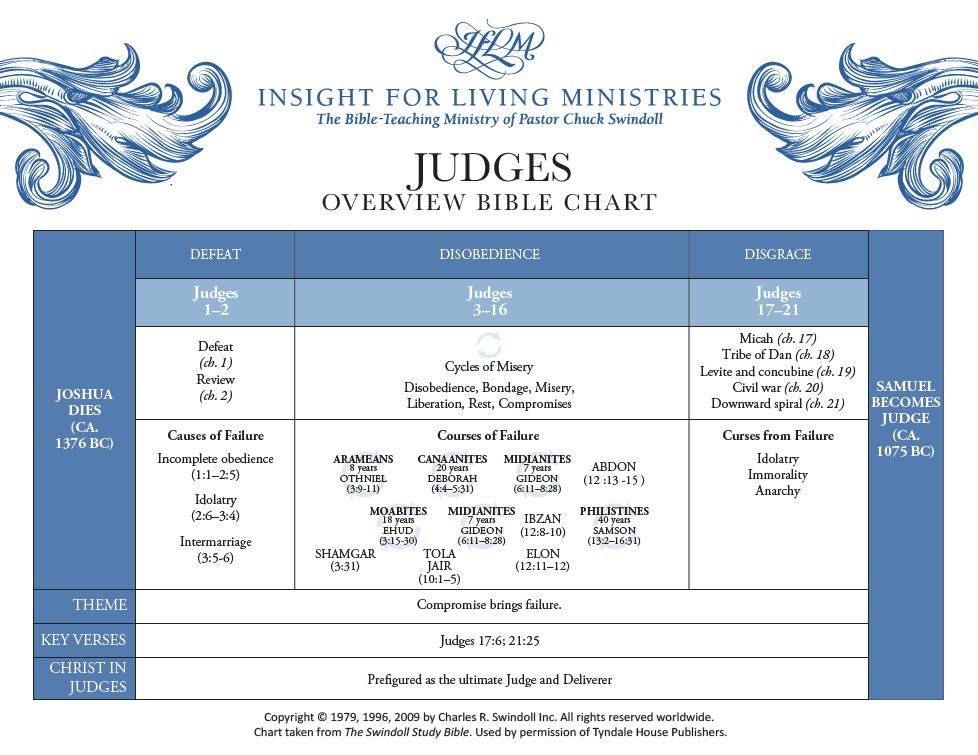
The Book of Judges, a pivotal text within the Hebrew Bible, presents a complex narrative of Israel’s early history following the death of Joshua. It chronicles a period marked by cycles of apostasy, oppression by foreign powers, repentance, and deliverance through divinely appointed leaders known as judges. Understanding “what is Judges about” extends beyond a simple summary of its stories; it requires a deep dive into its historical, cultural, linguistic, and theological layers. In the digital age, technology has revolutionized the study of such ancient texts, offering unprecedented tools and methodologies for scholars, theologians, and curious readers alike to unravel its multifaceted narrative. From sophisticated textual analysis software to immersive geospatial mapping, modern technological advancements provide new lenses through which to appreciate the intricacies and enduring relevance of the Book of Judges.

Digital Archives and Textual Criticism: Peeling Back Layers of Ancient Scripture
The foundation of understanding any ancient text lies in its accurate preservation and critical examination. Digital technology has transformed the field of textual criticism, providing vast resources and powerful tools that enhance our ability to study the Book of Judges with unparalleled precision.
The Role of Digital Libraries and Online Concordances
Digital libraries like the Dead Sea Scrolls Digital Library, the Codex Sinaiticus Project, and comprehensive Bible gateways offer instant access to critical editions, ancient manuscripts, and various translations of the Book of Judges. These platforms allow users to compare different textual traditions side-by-side, such as the Masoretic Text, the Septuagint, and fragments from Qumran. Online concordances, like those embedded in popular Bible study software, provide immediate access to every instance of a particular Hebrew word or phrase within Judges, alongside its grammatical parsing and semantic range. This capability significantly streamlines the process of lexical and thematic analysis, enabling researchers to quickly identify recurring motifs, theological concepts, and linguistic patterns that might otherwise take years to collate manually. For instance, tracing the term “spirit of the Lord” or “doing what was right in their own eyes” across different judge narratives becomes a matter of seconds, revealing critical insights into the book’s theological framework and cyclical nature.
Software for Linguistic and Literary Analysis
Specialized software suites have emerged as indispensable tools for in-depth linguistic and literary analysis of texts like Judges. Programs designed for Hebrew grammatical analysis can automatically identify verbal stems, noun forms, and syntactic structures, highlighting nuances in meaning that might be lost in translation. Literary analysis tools can map narrative arcs, identify chiasms, ring compositions, and other poetic structures prevalent in ancient Near Eastern literature, including sections of Judges like the Song of Deborah (Judges 5). These tools allow scholars to explore the artistry of the biblical writers, understanding how literary devices contribute to the overall message and impact of the text. By dissecting the narrative construction, researchers can gain a clearer picture of the author’s intent and the cultural context that shaped these powerful stories of leadership, betrayal, and divine intervention.
Preserving and Accessing Ancient Manuscripts Digitally
The digitization of ancient manuscripts is a monumental undertaking that ensures the preservation of fragile artifacts while simultaneously democratizing access. High-resolution imaging, multispectral photography, and 3D scanning techniques capture every detail of scrolls and codices, making them available for global scholarly review without the risk of physical degradation. This digital preservation extends to textual variants and marginal notes (masorah), providing a comprehensive view of the transmission history of Judges. Researchers can zoom in on minute details, analyze faded script, and even reconstruct damaged portions using advanced imaging algorithms. This level of access and detail is crucial for establishing the most reliable textual basis for translation and interpretation, directly impacting how we understand the stories of Gideon, Samson, Deborah, and Jephtah.
Geospatial Technology and Historical Reconstruction: Mapping the World of Judges
The Book of Judges is deeply rooted in specific geographical locations, detailing events that unfold across the ancient land of Canaan. Geospatial technology, including Geographic Information Systems (GIS), interactive maps, and satellite imagery, provides invaluable context, helping to visualize the landscapes, territories, and strategic significance of the settings described.
GIS for Understanding Geographical Context
GIS applications allow scholars to overlay archaeological data, historical maps, and modern topography onto a unified digital platform. This enables a dynamic understanding of the geographical realities faced by the tribes of Israel during the period of the judges. For example, understanding the mountainous terrain of Ephraim where Deborah and Barak rallied their forces, or the Philistine plains where Samson performed his feats, provides critical insights into military strategies, tribal boundaries, and economic challenges. GIS can illustrate the fragmentation of Israelite settlement, the strategic importance of certain trade routes, and the defensive advantages or disadvantages of various tribal territories. By visualizing these elements, the “what” of Judges – the struggles, migrations, and conflicts – becomes much more tangible and comprehensible.
Interactive Maps and Virtual Reconstructions
Interactive digital maps go a step further, allowing users to explore the geographical settings of Judges with a level of detail previously unimaginable. These maps can be populated with archaeological site data, proposed historical routes, and even climate information for the period. Virtual reconstructions, sometimes employing 3D modeling, can bring ancient cities, fortifications, and battlefields to life, offering a sense of immersion. Imagine virtually walking through the gates of Hazor or standing atop Mount Tabor, gaining a visual appreciation for the scale and challenges of the battles described. These tools aid in understanding the narratives not just as abstract stories, but as events that transpired in a very real and often harsh landscape, directly impacting the decisions and outcomes of the characters in Judges.
Satellite Imagery and Archaeological Insights

Modern satellite imagery, combined with advanced analytical algorithms, provides unprecedented insights into ancient landscapes and potential archaeological sites. High-resolution satellite data can reveal subtle topographical changes indicative of ancient settlements, road networks, or agricultural practices. While not directly excavating, this remote sensing technology helps archaeologists target specific areas for fieldwork, potentially uncovering new evidence related to the period of the judges. For instance, identifying ancient water sources or defensive structures from above can shed light on the logistical challenges and strategic thinking described in the biblical narratives, confirming or challenging existing historical hypotheses about the time of Judges.
Artificial Intelligence and Machine Learning: Unlocking New Interpretations
The advent of Artificial Intelligence (AI) and Machine Learning (ML) is pushing the boundaries of biblical studies, offering innovative ways to analyze vast datasets and uncover patterns that might be imperceptible to the human eye. These technologies are beginning to provide fresh perspectives on the meaning and significance of the Book of Judges.
AI in Semantic Analysis and Thematic Extraction
AI-powered natural language processing (NLP) models can perform sophisticated semantic analysis on the Hebrew text of Judges. These models can identify nuanced connections between words, phrases, and concepts across the entire book, revealing subtle thematic threads and theological arguments. Beyond simple keyword searches, AI can detect semantic clusters, analyze sentiment, and even identify rhetorical devices. For example, an AI could analyze the different ways “deliverance” is described in Judges, comparing the language used for Gideon’s victory versus Samson’s individual exploits, to highlight variations in divine intervention or human agency. This level of thematic extraction can reveal deeper layers of meaning and intent within the complex narratives.
Predictive Modeling for Historical Scenarios
While not predicting future events, AI can be used to build predictive models based on historical, archaeological, and textual data relevant to the period of Judges. By inputting known variables – such as population densities, climate data, political structures from neighboring cultures, and the textual descriptions of conflicts – AI algorithms can simulate potential scenarios. This could involve modeling the likely impact of certain military strategies, the spread of cultural influences, or the demographic shifts described. Such models do not offer definitive historical facts but rather provide plausible frameworks for understanding the complex historical dynamics at play during Israel’s early monarchy, helping to contextualize the challenges faced by the judges and the tribes they led.
Cross-Referencing and Intertextual Discovery
The Bible is a highly intertextual document, with later books often referencing or alluding to earlier ones. AI excels at identifying these subtle connections across vast corpora of text. For the Book of Judges, AI can cross-reference its narratives with parallel accounts in Samuel, Kings, or even prophetic literature, identifying thematic echoes, shared vocabulary, or re-interpretations of earlier events. This intertextual discovery can illuminate how the stories of Judges were understood and re-contextualized by later biblical authors, providing a richer understanding of its reception history and theological development within the broader biblical canon.
Educational Platforms and Collaborative Tools: Engaging with Judges in the Digital Age
Beyond specialized research, technology has significantly enhanced accessibility and engagement with the Book of Judges for students, congregants, and general readers. Digital platforms foster collaborative learning and offer interactive experiences that make complex biblical texts more approachable.
Bible Study Apps and Digital Commentaries
Modern Bible study applications (apps) are powerful tools that integrate various resources, allowing users to dive into Judges with ease. These apps typically feature multiple Bible translations, linked digital commentaries, cross-references, linguistic tools, and note-taking capabilities. Users can highlight passages, search for specific themes, and access scholarly insights on demand. The ability to instantly compare different interpretations or quickly look up the historical background of a character like Delilah or Abimelech makes the study of Judges more dynamic and less daunting for those without formal theological training. These platforms democratize access to rich scholarly resources previously confined to university libraries.
Online Courses and Virtual Study Groups
The rise of online learning platforms has brought the study of Judges to a global audience. Universities and theological institutions offer massive open online courses (MOOCs) that explore the historical, literary, and theological aspects of the book, often incorporating video lectures, quizzes, and discussion forums. Virtual study groups, facilitated through video conferencing and collaborative document editing tools, allow individuals from diverse geographical locations to engage in communal exploration of Judges. This fosters a dynamic learning environment where different perspectives can be shared and discussed, enriching the understanding of complex narratives and moral dilemmas presented in the book.
Gamification and Interactive Learning Experiences
Newer technological approaches are leveraging gamification and interactive learning experiences to engage users with biblical texts like Judges. Educational games might challenge players to navigate the political landscape of ancient Israel, make strategic decisions as a judge, or solve puzzles based on textual clues. Interactive timelines and character profiles with multimedia elements (e.g., historical illustrations, archaeological photos) can bring the stories of Judges to life in an engaging and memorable way, particularly for younger audiences. These innovative tools aim to make the process of understanding “what is Judges about” not only informative but also captivating, fostering a deeper connection with the ancient narrative and its timeless lessons on leadership, morality, and faith.
aViewFromTheCave is a participant in the Amazon Services LLC Associates Program, an affiliate advertising program designed to provide a means for sites to earn advertising fees by advertising and linking to Amazon.com. Amazon, the Amazon logo, AmazonSupply, and the AmazonSupply logo are trademarks of Amazon.com, Inc. or its affiliates. As an Amazon Associate we earn affiliate commissions from qualifying purchases.