
In the highly competitive and lucrative beauty industry, specific terminology often holds significant weight, not just for product description but as a cornerstone of brand identity and market positioning. “Virgin hair” is one such term, acting as a powerful differentiator that shapes consumer perceptions, dictates marketing strategies, and establishes a particular segment within the hair extension and wig market. Understanding its meaning from a branding and marketing lens reveals the intricate interplay between product characteristics, consumer expectations, and brand promise.
Decoding “Virgin Hair” as a Brand Differentiator
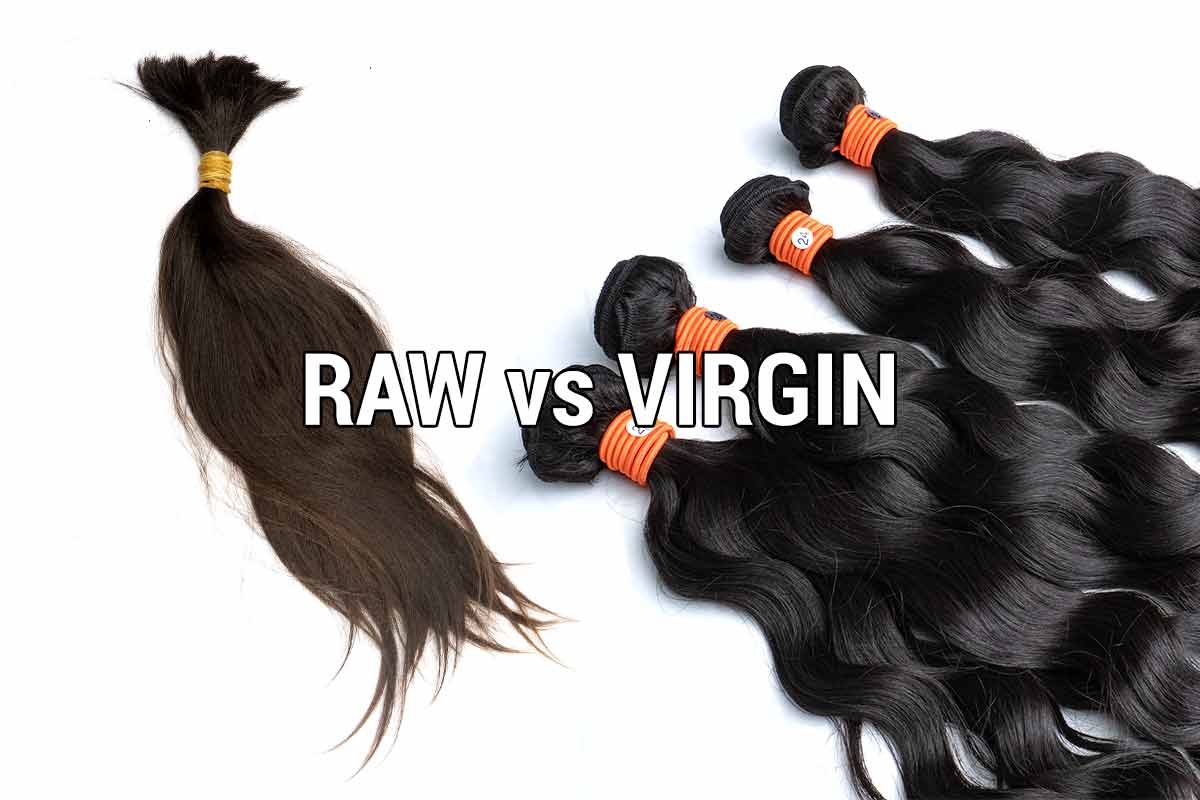
At its core, “virgin hair” refers to human hair that is completely unprocessed and unaltered. This means it has never been chemically treated in any way – no perms, dyes, bleaches, or harsh chemical washes. Furthermore, it implies that the cuticles of the hair strands are intact and aligned, flowing in the same direction, which contributes to its natural luster, strength, and tangle-free properties. For brands, this precise definition is not merely a technical specification; it is the foundation upon which premium positioning, perceived quality, and consumer trust are built.

The Core Definition and Its Market Implications
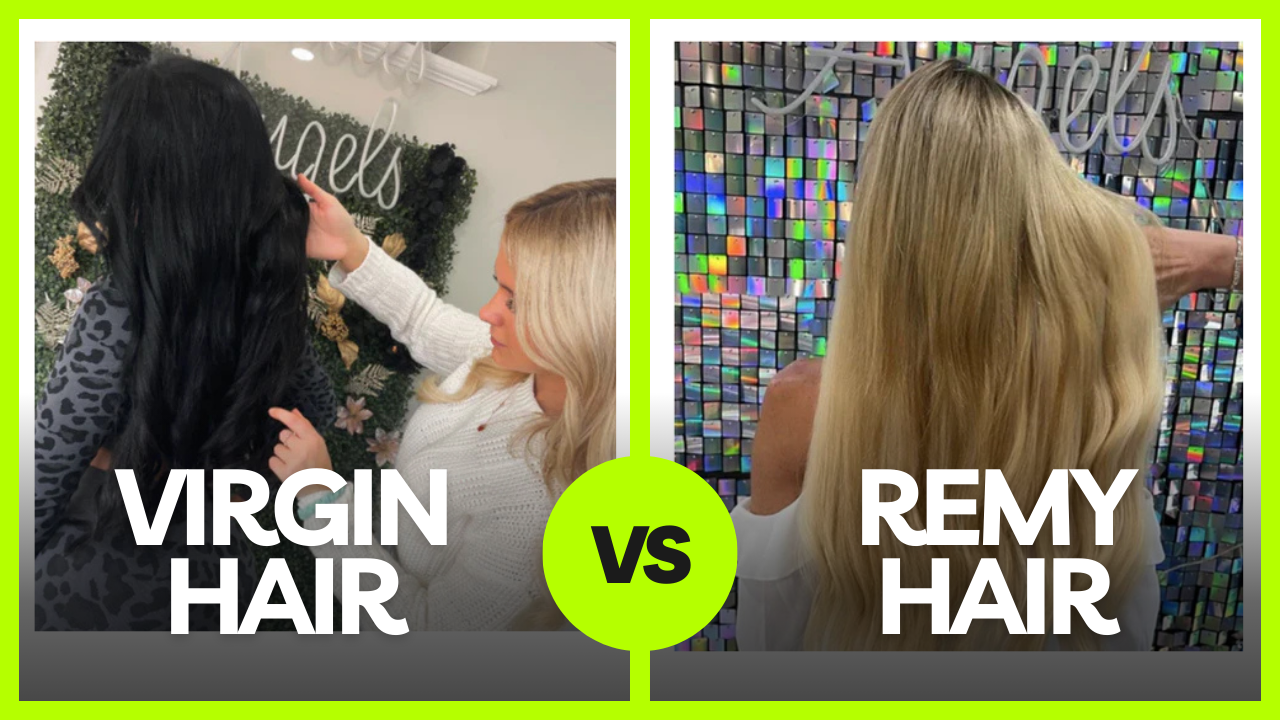
The literal meaning of “virgin” — pure, untouched, original — directly translates into its market value. In an industry where hair extensions can undergo extensive processing to achieve various textures and colors, the “virgin” label signifies a commitment to natural integrity. Brands that market “virgin hair” are essentially selling authenticity. This commitment to an untouched state differentiates their offerings from “Remy hair” (where cuticles are intact but the hair may be colored or permed) or non-Remy hair (where cuticles are stripped or misaligned, leading to tangling and shorter lifespans). The implication for consumers is a product that promises superior quality, longevity, and a natural aesthetic that processed hair often struggles to replicate. From a brand strategy perspective, this distinction allows companies to carve out a niche, appealing to a segment of the market that prioritizes natural beauty and durability.
Establishing Premium Positioning Through Purity
The purity implied by “virgin hair” allows brands to establish a premium price point and positioning within the market. This isn’t just about the raw material cost; it’s about the perceived value. Consumers are often willing to pay more for products they believe are superior, more durable, and less likely to cause issues like matting or excessive shedding. Brands leverage the “virgin” descriptor to communicate an investment in quality, craftsmanship, and a natural product that requires minimal intervention from the wearer. This premium positioning extends beyond pricing, influencing the brand’s overall image, its choice of marketing channels, and the demographic it targets. A brand selling virgin hair implicitly promises a luxury experience, positioning itself above mass-market alternatives and fostering a sense of exclusivity among its clientele.
Crafting Brand Identity Around Authenticity and Quality
For brands in the hair extension industry, “virgin hair” is more than a product feature; it’s a cornerstone of their corporate identity and an anchor for their marketing narratives. The term itself evokes images of natural beauty, untouched perfection, and high-end luxury, all of which are powerful elements in brand building.
Building Trust and Consumer Expectations
The promise of “virgin hair” directly impacts consumer trust. When a brand uses this term, it sets a high expectation for quality, consistency, and ethical sourcing. Consumers expect the hair to be soft, resilient, natural-looking, and capable of being styled, dyed, or permed just like their own natural hair, given its unprocessed state. Brands must meticulously manage their supply chains to ensure that the hair genuinely meets the “virgin” criteria. Any discrepancy can lead to severe reputational damage, as consumers who invest in premium products are particularly sensitive to false advertising or diluted quality. Therefore, a brand’s ability to consistently deliver on the “virgin hair” promise becomes a significant marker of its integrity and reliability, fostering long-term customer loyalty.
Visual and Messaging Strategies for Virgin Hair Brands
Marketing virgin hair demands a specific aesthetic and messaging strategy. Visuals often emphasize natural beauty, healthy hair, and diverse textures (straight, wavy, curly, kinky) that reflect the hair’s origin without artificial enhancement. Photography typically showcases the hair’s natural sheen, bounce, and movement, often on models with diverse skin tones, reinforcing the inclusivity and natural appeal. The messaging revolves around themes of purity, luxury, longevity, versatility, and the ability to customize. Slogans and taglines frequently highlight terms like “100% unprocessed,” “ethically sourced,” “natural beauty,” and “long-lasting quality.” Websites and social media content often feature testimonials, before-and-after transformations, and educational pieces about caring for virgin hair, all designed to reinforce the brand’s commitment to quality and empower the consumer to maximize their investment.
The Strategic Role in Marketing and Market Segmentation
The “virgin hair” designation plays a critical strategic role in how brands approach marketing, segment their audience, and define their competitive landscape. It allows for precise targeting and tailored messaging that resonates with a specific, discerning consumer base.
Targeting Discerning Consumers
Brands offering virgin hair primarily target consumers who are highly invested in their appearance and seek the highest quality available. This demographic is often less price-sensitive and more focused on durability, natural aesthetics, and versatility. They may include professional stylists, beauty enthusiasts, individuals with specific hair needs (e.g., medical hair loss), or those seeking a seamless blend with their natural hair. Marketing efforts for virgin hair brands often appear in high-end fashion magazines, beauty blogs, and social media platforms frequented by influencers and trendsetters. The focus is on educating these consumers about the benefits of virgin hair, positioning it as a smart, long-term investment rather than a temporary solution. This strategic targeting ensures that marketing spend is optimized, reaching an audience most likely to appreciate and purchase premium products.
Pricing Strategies and Perceived Value
The “virgin hair” label inherently supports a premium pricing strategy. Brands can justify higher costs due to the rigorous sourcing process, the untouched nature of the hair, and the superior quality it offers. This pricing is not merely about covering costs; it’s a powerful psychological tool that reinforces the perceived value and exclusivity of the product. When consumers see a higher price tag associated with “virgin hair,” it often confirms their belief in its superior quality and longevity. This allows brands to maintain healthy profit margins while simultaneously strengthening their image as a purveyor of luxury goods. Promotional strategies tend to focus less on aggressive discounting and more on value-added services, educational content, or loyalty programs that reward repeat customers, further cementing the brand’s premium status.
Challenges and Ethical Considerations in Branding “Virgin”
While “virgin hair” offers significant branding advantages, it also presents unique challenges and ethical considerations that brands must navigate carefully to maintain integrity and consumer trust.
Ensuring Supply Chain Integrity
The promise of “virgin hair” hinges entirely on the integrity of the supply chain. Brands must implement stringent sourcing practices to verify that the hair is genuinely unprocessed, has not been mixed with synthetic fibers or lower-quality hair, and is ethically obtained. This involves working with reputable suppliers, conducting regular audits, and often establishing direct relationships with hair donors or collection centers. Transparency in sourcing has become increasingly important, as consumers are more conscious of ethical practices and human rights. Brands that can demonstrate a clear, ethical, and verifiable supply chain for their “virgin hair” gain a significant competitive advantage and build stronger brand affinity. Any breach in this integrity can lead to accusations of mislabeling, exploitation, or deceptive practices, severely damaging brand reputation and consumer trust.
Battling Misrepresentation and Counterfeits
The popularity and premium pricing of virgin hair have unfortunately led to a proliferation of misrepresentation and counterfeit products in the market. Many unscrupulous vendors falsely label processed or low-quality hair as “virgin” to capitalize on the demand. This poses a significant challenge for legitimate virgin hair brands, as it erodes consumer confidence in the term itself and creates a highly saturated and confusing market. Brands must actively differentiate themselves through clear labeling, educational content that teaches consumers how to identify genuine virgin hair, and robust customer service policies. Building a strong brand reputation through consistent quality and transparency becomes a crucial defense against these illicit practices, safeguarding both the brand’s equity and the consumer’s investment.
Sustaining Brand Equity in a Competitive Landscape
In a dynamic market, merely offering “virgin hair” is not enough to guarantee long-term success. Brands must continuously work to sustain and enhance their equity, adapting to consumer trends while upholding their core promise.
The Importance of Education and Transparency
For virgin hair brands, ongoing consumer education is paramount. This includes explaining what truly defines virgin hair, how to distinguish it from other types, proper care and maintenance tips, and transparent information about sourcing. By empowering consumers with knowledge, brands not only build trust but also help customers achieve the best results from their purchases, leading to greater satisfaction and repeat business. Transparency about product origins, processing (or lack thereof), and ethical commitments further solidifies a brand’s credibility. This openness fosters a loyal community and transforms customers into brand advocates, which is invaluable in a word-of-mouth-driven industry.
Innovation Beyond the “Virgin” Claim
While “virgin hair” remains a powerful descriptor, successful brands must also look for ways to innovate and add value beyond this core promise. This could involve offering a wider range of naturally sourced textures and colors (without processing), developing specialized hair care products formulated specifically for virgin hair, providing exceptional customer service, or creating unique packaging and unboxing experiences. Some brands might explore sustainable sourcing initiatives, introduce recycling programs for extensions, or integrate new technologies (like AR try-on experiences) into their customer journey. By continuously evolving and adding layers of value, virgin hair brands can reinforce their premium status, stay relevant in a competitive market, and build a lasting legacy that transcends mere product features. Ultimately, “virgin hair” is a powerful starting point for a brand, but sustained success comes from a holistic approach to quality, ethics, customer experience, and continuous innovation.
aViewFromTheCave is a participant in the Amazon Services LLC Associates Program, an affiliate advertising program designed to provide a means for sites to earn advertising fees by advertising and linking to Amazon.com. Amazon, the Amazon logo, AmazonSupply, and the AmazonSupply logo are trademarks of Amazon.com, Inc. or its affiliates. As an Amazon Associate we earn affiliate commissions from qualifying purchases.