
Judas Priest is far more than just a musical group; it is a meticulously crafted and enduring brand that has significantly shaped the landscape of heavy metal music and global popular culture. Originating from Birmingham, England, in 1969, the band evolved into a formidable entity whose corporate identity, marketing strategies, distinctive design elements, and consistent brand messaging offer a compelling case study in long-term brand building within the entertainment industry. Their journey illustrates how a collective of musicians can transcend mere artistry to establish a powerful, recognizable, and highly influential global brand.
Forging an Iconic Brand Identity: Visuals, Sound, and Persona
The cornerstone of any successful brand lies in its ability to establish a unique and immediately recognizable identity. Judas Priest achieved this through a potent combination of a revolutionary sonic signature, groundbreaking visual aesthetics, and the cultivation of a compelling persona that resonated deeply with its target audience.

The Sonic Signature: Defining Heavy Metal
From their early days, Judas Priest consciously honed a sound that would become synonymous with heavy metal. Their innovative use of dual lead guitars, pioneered by K.K. Downing and Glenn Tipton, created a symphonic yet aggressive tapestry of riffs and solos that became a genre benchmark. This intricate interplay provided a distinct auditory fingerprint, differentiating them from blues-rock predecessors and contemporaries. Furthermore, Rob Halford’s operatic, multi-octave vocal range offered an unparalleled level of power and theatricality, solidifying the band’s unique vocal identity. This combination of instrumental virtuosity and vocal prowess didn’t just contribute to their music; it served as a foundational element of their brand, projecting strength, precision, and an undeniable sonic authority. Their consistent exploration of faster tempos, complex song structures, and themes of power and rebellion further reinforced their brand position as purveyors of pure, unadulterated heavy metal, influencing countless bands across subgenres for decades to come.
Visual Aesthetics: Leather, Studs, and the Metal God Persona
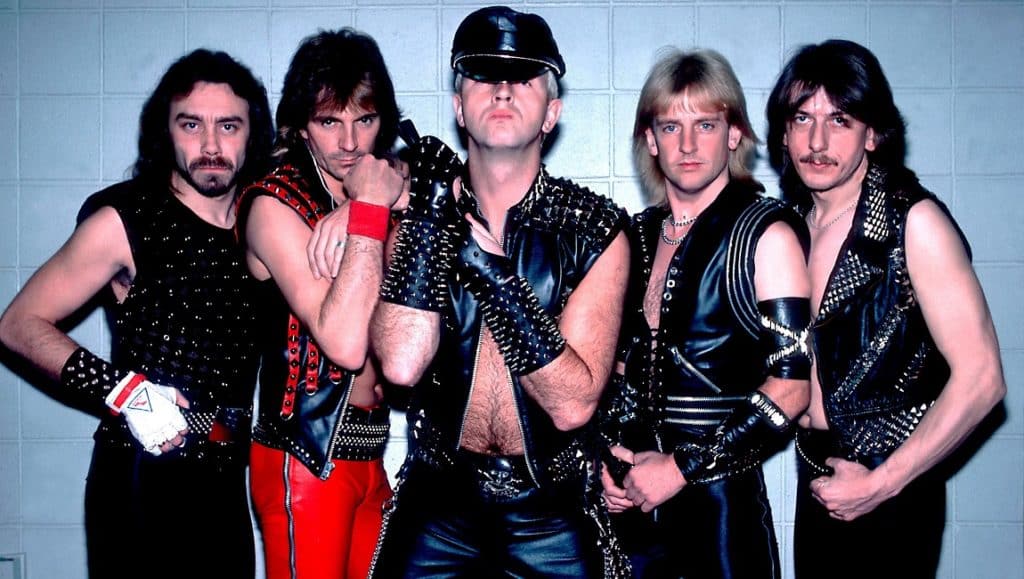
Perhaps one of Judas Priest’s most impactful contributions to brand identity within music was their revolutionary adoption of the S&M-inspired leather and studs aesthetic in the mid-1970s. Prior to this, rock bands often favoured denim, fringes, or psychedelic attire. Judas Priest, led by Rob Halford’s bold vision, stripped away the remnants of hippie culture and embraced a stark, powerful, and undeniably masculine uniform. This visual transformation was a strategic branding move, creating a cohesive, intimidating, and instantly iconic look that conveyed strength, defiance, and a certain primal energy. The leather, studs, and chains became synonymous not just with Judas Priest, but with heavy metal itself, establishing a visual lexicon that aspiring metal musicians globally would emulate.
Complementing this, Rob Halford cultivated the “Metal God” persona—a commanding stage presence characterized by powerful vocals, dynamic movements, and an unwavering aura of authority. This persona became a critical extension of the band’s brand, personifying the very essence of heavy metal. Album art, often featuring intricate, futuristic, or menacing designs, and the band’s bold, angular logo further cemented this visual brand consistency, ensuring that every touchpoint reinforced their core identity as titans of metal.
Brand Longevity and Evolution: Adapting Without Losing Core Identity
The true test of a powerful brand lies in its ability to not only establish itself but to maintain relevance and appeal over extended periods, often through changing market conditions and internal shifts. Judas Priest’s five-decade career offers profound insights into navigating these challenges.
Navigating Market Changes and Lineup Shifts
The music industry is notoriously volatile, with trends and consumer preferences shifting rapidly. Judas Priest’s brand resilience stems from its capacity to evolve its sound subtly without abandoning its core identity. While they experimented with different production techniques and lyrical themes—from the raw energy of British Steel to the synthesizer-infused Turbo—they consistently retained the fundamental elements that defined their brand: powerful riffs, soaring vocals, and an undeniable metallic edge. This strategic evolution allowed them to attract new generations of fans while retaining their loyal base.
Moreover, the brand successfully managed several significant lineup changes throughout its history, including the departure and return of key members like Rob Halford and K.K. Downing. Each transition presented a potential crisis for the brand’s continuity. However, through careful management, strategic album releases, and a focus on the collective “Judas Priest” entity rather than over-reliance on individual personalities (even prominent ones), the band maintained its integrity. The brand proved stronger than individual components, a testament to the robust foundation they had built. New members were often integrated into the existing brand aesthetic and sonic framework, ensuring a seamless transition and continuity of the brand promise.
Fan Engagement and Community Building
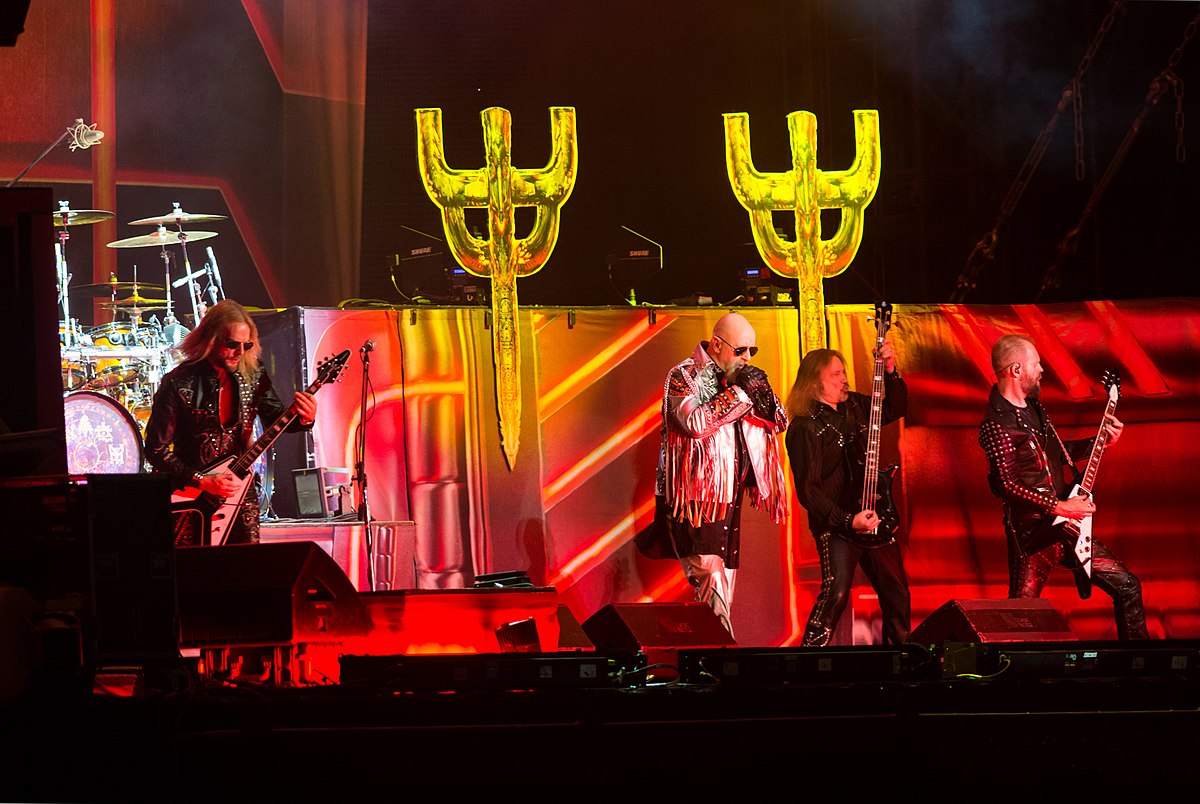
A strong brand fosters deep loyalty, and Judas Priest excels in cultivating a dedicated global fanbase. Their consistent touring schedule, spanning continents and generations, has been a critical element of their brand strategy, offering direct engagement and reinforcing the emotional connection between the brand and its consumers. Live performances are meticulously crafted experiences, serving as powerful brand activations that showcase their energy, precision, and stagecraft.
Merchandise—ranging from t-shirts and album art reproductions to limited edition collectibles—serves as a tangible extension of the Judas Priest brand, allowing fans to publicly express their affiliation and identity. In the digital age, the band has leveraged online platforms to connect with fans, sharing news, behind-the-scenes content, and fostering a sense of community. This continuous engagement, both in the physical and digital realms, transforms passive listeners into active brand ambassadors, amplifying the brand’s reach and cementing its cultural footprint.
The Global Impact of a Music Brand
The true measure of a brand’s success extends beyond sales figures; it encompasses its cultural footprint, its influence on subsequent generations, and its lasting legacy. Judas Priest has achieved monumental success in all these areas, solidifying its position as a global cultural phenomenon.
Influence on Culture and Future Generations
Judas Priest didn’t just play heavy metal; they codified it. Their distinct aesthetic and sound became the blueprint for countless bands that followed, influencing genres from speed metal and thrash to power metal. Their visual style, particularly the leather and studs, transcended music to become an iconic fashion statement adopted by subcultures worldwide. Beyond direct musical influence, Judas Priest became a symbol of rebellion, strength, and unwavering artistic vision. Their music provided a soundtrack for generations seeking identity and empowerment, demonstrating the profound cultural impact a well-defined brand can have. Films, television shows, video games, and literature have frequently referenced Judas Priest, further embedding their brand into the broader fabric of popular culture.
Commercial Success and Enduring Legacy
The commercial success of Judas Priest underscores the strength of its brand. With millions of albums sold worldwide, numerous platinum and gold certifications, and consistently sold-out arena tours, the band has demonstrated sustained market viability. Their revenue streams extend beyond music sales to include merchandise, licensing, and digital consumption, reflecting a diversified brand portfolio. The financial success is not merely a byproduct; it is a validation of their branding strategies, proving that their identity, messaging, and product resonate with a vast global audience.
The ultimate recognition of their enduring brand legacy came with their induction into the Rock and Roll Hall of Fame. This prestigious accolade acknowledged not only their musical contributions but also their profound influence and lasting cultural significance. It cemented their status as an institution, a brand whose impact transcends temporary trends and remains vital and relevant across eras.
Lessons in Branding from Judas Priest
The journey of Judas Priest offers invaluable lessons for any entity seeking to build a powerful and enduring brand.
Consistency and Reinvention
Judas Priest mastered the delicate balance between brand consistency and strategic reinvention. While their core identity—the power, the distinctive sound, the iconic visuals—remained steadfast, they were not afraid to experiment with production, lyrical themes, or even temporary stylistic shifts. This ability to innovate within defined boundaries prevented stagnation, kept the brand fresh, and allowed them to adapt to evolving market demands without compromising their fundamental essence. It’s a testament to understanding one’s core value proposition and finding new ways to express it.
Authenticity and Fan Connection
At its heart, the Judas Priest brand is built on authenticity. Their music, their image, and their stage presence always felt genuine and unapologetic. This authenticity fostered a deep, almost tribal connection with their fanbase. By consistently delivering on their brand promise—powerful, uncompromising heavy metal—they built immense trust and loyalty. This connection transformed fans into advocates, a crucial element for long-term brand success in any industry.
Visual and Auditory Distinctiveness
Finally, Judas Priest exemplifies the power of distinct sensory branding. Their unique sound, characterized by dual guitars and Halford’s vocals, created an unmistakable auditory signature. Simultaneously, their visual aesthetic of leather and studs provided an equally potent and iconic visual identity. Together, these elements formed a cohesive and memorable brand experience that was instantly recognizable and deeply impactful. In a crowded marketplace, creating such clear and consistent sensory differentiators is paramount for standing out and embedding a brand firmly in the minds of consumers. Judas Priest is not merely a band; it is a masterclass in brand building through sound, vision, and unwavering commitment to an identity.
aViewFromTheCave is a participant in the Amazon Services LLC Associates Program, an affiliate advertising program designed to provide a means for sites to earn advertising fees by advertising and linking to Amazon.com. Amazon, the Amazon logo, AmazonSupply, and the AmazonSupply logo are trademarks of Amazon.com, Inc. or its affiliates. As an Amazon Associate we earn affiliate commissions from qualifying purchases.