
In an increasingly hyper-connected world, where digital devices permeate every aspect of daily life, the concept of Electromagnetic Field (EMF) protection has emerged as a significant topic within the technology landscape. As a society, we are enveloped by a complex web of electromagnetic radiation emitted by our essential gadgets and infrastructure. Understanding what EMF protection entails means delving into the science of these fields, the technologies designed to mitigate their presence, and the proactive measures individuals can take to manage their digital environments effectively.
Understanding Electromagnetic Fields (EMF) in the Digital Age
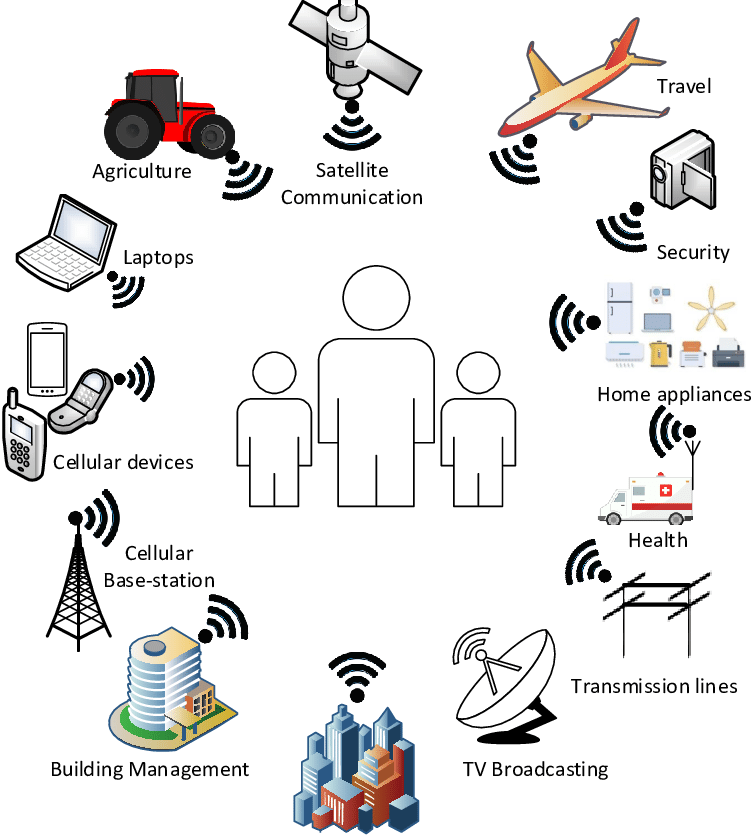
Electromagnetic fields are invisible areas of energy, often referred to as radiation, that are associated with the use of electrical power and various forms of natural and man-made lighting. In the context of the digital age, the proliferation of technology has vastly expanded our exposure to man-made EMFs, making their characterization and potential impact a key area of discussion in technological circles.
The Ubiquity of EMF Sources
Our modern lives are intrinsically linked to a vast array of devices that are significant sources of EMF. Every piece of technology that operates on electricity, transmits data wirelessly, or processes information generates an electromagnetic field. Common culprits include:
- Smartphones and Tablets: Constantly emitting radiofrequency (RF) EMF for cellular communication, Wi-Fi, and Bluetooth.
- Wi-Fi Routers and Access Points: Broadcasting RF signals to connect devices to the internet.
- Laptops and Desktop Computers: Emitting extremely low frequency (ELF) EMF from power supplies and screens, along with RF from integrated wireless cards.
- Smart Home Devices: From smart speakers and thermostats to smart lighting and security systems, these devices often use Wi-Fi, Bluetooth, or proprietary wireless protocols.
- Wearable Technology: Smartwatches, fitness trackers, and hearables maintain continuous wireless connections.
- Microwave Ovens and Induction Cooktops: Producing high levels of EMF during operation.
- Power Lines and Electrical Appliances: Generating ELF-EMF as a byproduct of electrical current.
The cumulative effect of these myriad sources means that humans in developed nations are constantly bathed in a soup of artificial electromagnetic energy, prompting questions about long-term exposure and the role of technological solutions for mitigation.
The Spectrum of EMF: From Non-Ionizing to Ionizing
EMF exists across a wide spectrum of frequencies and wavelengths, categorized primarily by their energy levels. It’s crucial for technology professionals and users alike to distinguish between them:
- Ionizing Radiation: This high-energy EMF (e.g., X-rays, gamma rays) has enough energy to break chemical bonds and cause cellular damage, which is why exposure is strictly regulated in medical and industrial settings.
- Non-Ionizing Radiation: This lower-energy EMF (e.g., radiofrequency, microwave, infrared, visible light, extremely low frequency) is associated with most consumer electronics. While it doesn’t have enough energy to break chemical bonds directly, its potential long-term biological effects, particularly for chronic low-level exposure, are a subject of ongoing scientific and technological research. The EMFs of primary concern in daily tech usage fall within the non-ionizing part of the spectrum, encompassing the radiofrequency (RF) and extremely low frequency (ELF) ranges.
The Technological Landscape of EMF Protection
EMF protection, within the tech realm, refers to a range of strategies, devices, and materials designed to reduce or manage exposure to electromagnetic fields. These solutions often leverage advanced materials science, electronic engineering, and software development to provide varying degrees of mitigation.
Passive Shielding Technologies
Passive shielding involves the use of materials or structural designs to physically block, reflect, or absorb EMF radiation. This approach is rooted in the principles of electromagnetism, where certain conductive and permeable materials can attenuate electromagnetic waves.
- Conductive Fabrics and Materials: Textiles woven with metallic threads (e.g., silver, copper, nickel) are used in clothing, bed canopies, and drapery to create a shielded environment. These materials act as a Faraday cage on a micro-scale, redirecting or dissipating EMF.
- EMF Shielding Paint and Window Films: Specialized paints containing conductive particles can be applied to walls to block RF radiation from entering or leaving a room. Similarly, metallic window films can reduce EMF penetration through glass.
- Device-Specific Shields: Cases for smartphones and laptops that incorporate shielding materials aim to reduce the direct emission towards the user while maintaining device functionality.
- Faraday Cages: On a larger scale, rooms or enclosures can be constructed as Faraday cages, using conductive mesh or solid enclosures to block virtually all external EMF signals. This is common in sensitive data centers or research labs.
Active Mitigation Devices
Beyond passive barriers, a growing category of electronic gadgets aims to actively neutralize, harmonize, or alter the characteristics of EMF. These devices often employ more complex electronic principles and proprietary technologies.
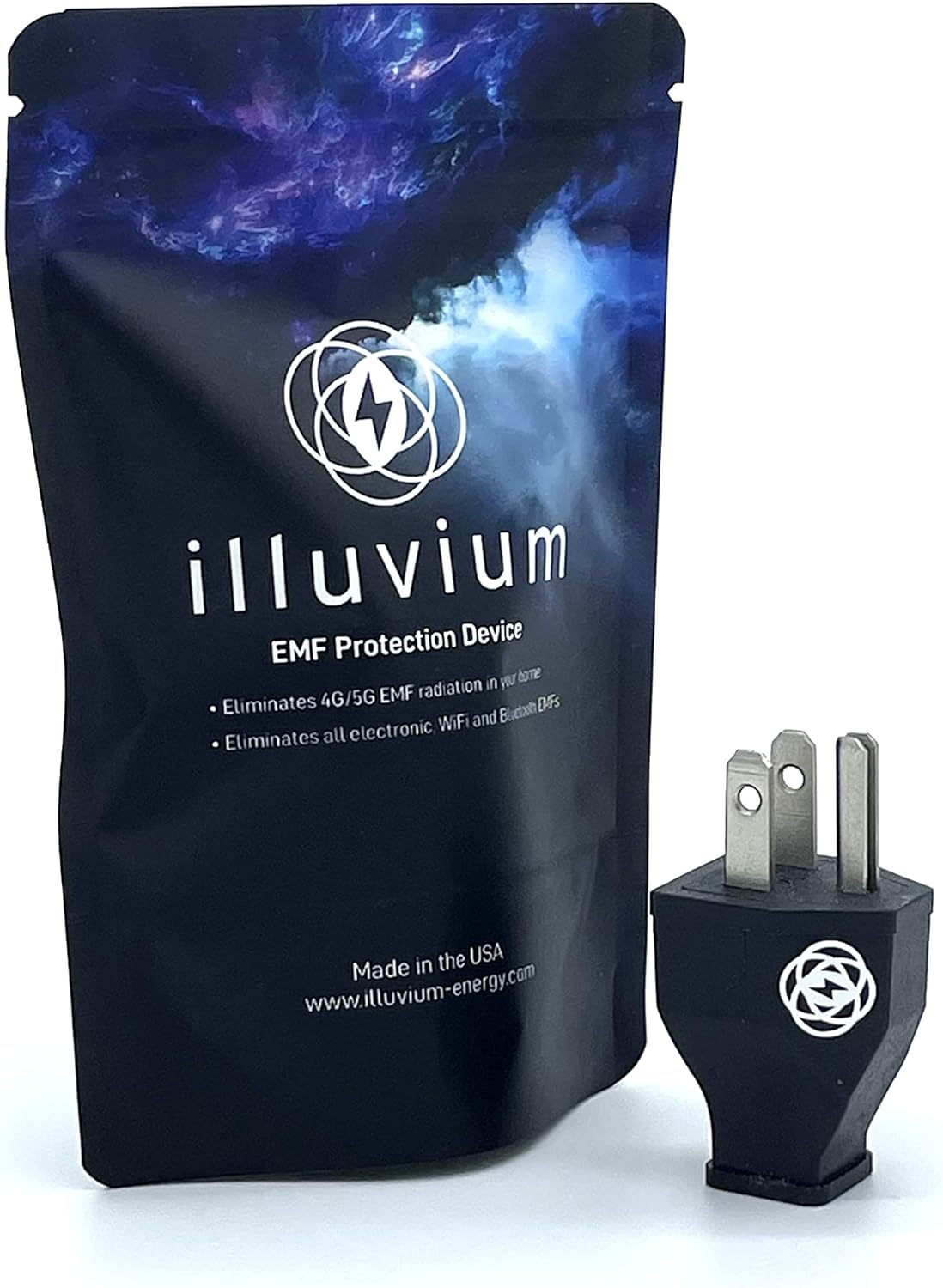
- EMF Neutralizers/Harmonizers: These devices, often small plugins or portable units, claim to generate counter-frequencies or subtle energy fields that “harmonize” or “neutralize” the harmful aspects of surrounding EMFs without blocking the signals themselves. The scientific consensus on their efficacy is still debated and varies significantly between products.
- Grounding/Earthing Systems: Some systems involve connecting individuals or devices to the earth’s electrical potential through conductive mats or sheets. The theory is that this helps to dissipate electrical charges and reduce the body’s exposure to electrical fields.
- Pulsed Electromagnetic Field (PEMF) Devices (for therapeutic use): While not primarily for “protection” against ambient EMF, PEMF technology uses controlled electromagnetic fields for therapeutic purposes. This highlights the dual nature of electromagnetic energy – its potential for both harm and benefit, depending on frequency, intensity, and application.
Software and App-Based Monitoring
The digital realm also offers tools for assessing and understanding EMF exposure. While software cannot block EMF, it can empower users with data to make informed decisions about their tech usage.

- Smartphone Apps with Magnetometers: Many smartphones include a magnetometer, which can be utilized by certain apps to detect magnetic fields, primarily ELF-EMF. These apps can help users identify “hotspots” of magnetic radiation from electrical wiring or appliances. It’s important to note that these are usually only effective for magnetic fields and often not reliable for RF detection.
- Specialized Handheld EMF Meters: Gadgets specifically designed to measure ELF (electric and magnetic fields) and RF (radiofrequency) EMF are invaluable tools. These devices provide quantitative readings, allowing users to accurately identify the strength and source of EMF in their environment and verify the effectiveness of protection strategies. They are essential for a data-driven approach to EMF management.
Navigating Digital Security and EMF Concerns
In the context of technology, EMF protection is not solely about physical shielding but also about fostering responsible tech usage habits and considering the broader implications of an increasingly connected world.
Responsible Tech Use and EMF Exposure Management
One of the most effective forms of EMF protection involves modifying how we interact with our digital devices. This is a behavioral strategy facilitated by technology understanding.
- Distance is Key: As EMF intensity drops sharply with distance, keeping devices away from the body (e.g., using speakerphone or wired headphones for calls, maintaining distance from Wi-Fi routers) is a fundamental strategy.
- Reducing “On” Time: Activating Wi-Fi, Bluetooth, and cellular data only when needed, and utilizing airplane mode, significantly reduces cumulative exposure. Smart home automation tools can be configured to power down non-essential devices or routers during specific hours.
- Opting for Wired Connections: For optimal digital security and often lower EMF, choosing wired Ethernet over Wi-Fi, wired headphones over Bluetooth earbuds, and physically connecting peripherals instead of using wireless alternatives, can be highly effective.
- Strategic Device Placement: Positioning Wi-Fi routers and other high-EMF emitters in less-frequented areas of a home or office can reduce overall exposure.
Smart Home Integration and EMF Considerations
The proliferation of smart home technology introduces new considerations for EMF management. While offering convenience, a network of always-on, wirelessly connected devices can contribute to ambient EMF levels.
- Network Design: Prioritizing wired connections (Ethernet, Powerline adapters) for stationary smart devices (e.g., smart TVs, gaming consoles, security cameras) can reduce the reliance on Wi-Fi.
- Scheduled Operation: Utilizing the scheduling features of smart hubs and routers to power down or reduce transmission strength during periods of inactivity (e.g., overnight) can be a practical solution.
- Product Selection: Researching and choosing smart devices designed with “low EMF” considerations or those that allow for greater control over wireless transmissions can also be a proactive step.
User Behavior and Device Security in an EMF Context
While EMF protection isn’t directly a cybersecurity issue in terms of data breaches or hacking, a digitally secure environment also often implies a mindful approach to device usage. Understanding the physical emanations of technology can be seen as an extension of understanding its digital footprint. Consumers seeking “safer” tech environments are also often those who prioritize digital privacy and device security, creating a symbiotic relationship between these concerns.
Best Practices and Future Trends in EMF Mitigation
As technology continues its rapid evolution, so too will the approaches to EMF protection. Best practices are emerging, and innovations are constantly being explored in materials science, device design, and public policy.
Practical Steps for a Tech-Conscious Lifestyle
Integrating EMF mitigation into a tech-centric lifestyle requires a combination of awareness, strategic choices, and the judicious use of protective technologies:
- Educate Yourself: Utilize reliable scientific and technological resources to understand EMF basics and evaluate protection claims.
- Measure and Verify: Employing a quality EMF meter is the most objective way to assess personal exposure levels and validate the effectiveness of any shielding or mitigation efforts.
- Prioritize Distance and Time: These are the simplest yet most effective “tech-free” protective strategies.
- Selective Shielding: Use passive shielding technologies strategically for known high-exposure areas (e.g., a shielded canopy in a bedroom) or for specific devices.
- Adopt Wired Alternatives: Whenever feasible, replace wireless connections with wired ones.
Innovations in Materials and Design
The future of EMF protection lies heavily in technological advancements, particularly in materials science and device engineering.
- Advanced Shielding Materials: Research continues into novel meta-materials, composites, and nanofabrics that offer superior EMF attenuation properties while being lightweight, breathable, and aesthetically pleasing.
- Integrated Device Shielding: Future generations of smartphones, laptops, and wearables may incorporate advanced internal shielding directly into their design, reducing emissions at the source without external accessories.
- Low-EMF Device Standards: As awareness grows, there may be increasing demand for “low-EMF” certifications or design standards for consumer electronics, encouraging manufacturers to prioritize reduced emissions.
The Evolving Debate and Research Frontier
The scientific community continues to study the biological effects of non-ionizing EMF. Organizations like the World Health Organization (WHO) and the International Commission on Non-Ionizing Radiation Protection (ICNIRP) regularly review and update guidelines based on the latest research. The ongoing deployment of 5G technology, with its higher frequencies and denser network infrastructure, further fuels this research, prompting a continuous technological response in terms of monitoring, assessment, and mitigation. As technology progresses, so too must our understanding and methods for living safely and productively within its electromagnetic embrace.
aViewFromTheCave is a participant in the Amazon Services LLC Associates Program, an affiliate advertising program designed to provide a means for sites to earn advertising fees by advertising and linking to Amazon.com. Amazon, the Amazon logo, AmazonSupply, and the AmazonSupply logo are trademarks of Amazon.com, Inc. or its affiliates. As an Amazon Associate we earn affiliate commissions from qualifying purchases.