
The vibrant, improvisational spirit of jazz dancing has long captured imaginations, evoking images of smoky clubs, energetic performances, and a deep connection to music. But beyond the dazzling footwork and expressive gestures, what truly defines jazz dance? In a world increasingly shaped by technological advancements, evolving brand identities, and the relentless pursuit of financial literacy, understanding jazz dance takes on a new dimension. This exploration delves into the essence of jazz dancing, dissecting its core elements and examining its relevance through the distinct yet interconnected lenses of technology, branding, and finance.
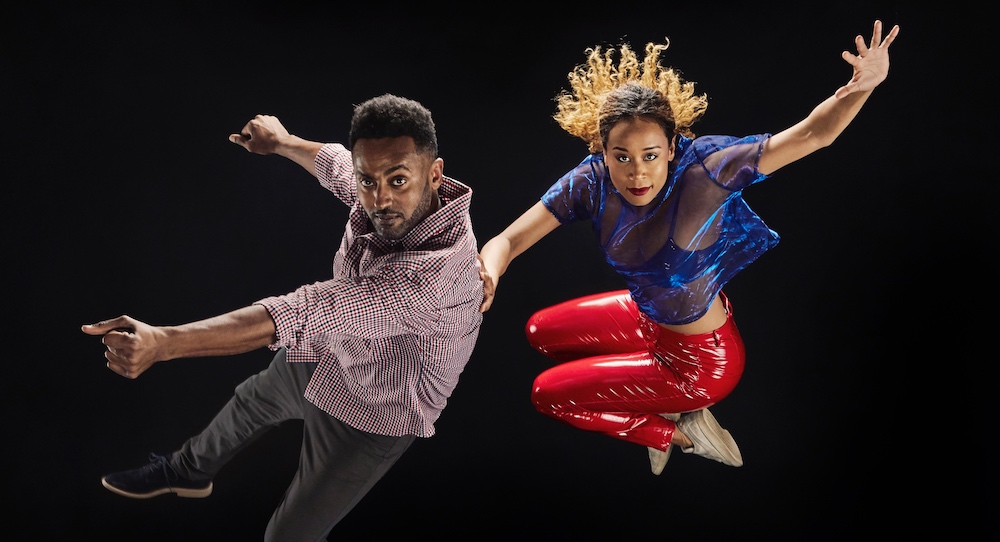
The Rhythmic Roots: Understanding the Core of Jazz Dance
To understand jazz dance, we must first journey back to its origins, tracing its evolution from African American vernacular dances to the sophisticated theatrical form we recognize today. It’s a dance born out of resilience, innovation, and a profound response to the music that fueled it.
From Social Expression to Stage Performance
Jazz dance is not a monolithic entity; it’s a dynamic tapestry woven from diverse influences. Its roots lie in the social dances of the early 20th century, particularly those performed by African Americans in the Southern United States. These dances, often spontaneous and improvisational, were a vital form of cultural expression, community building, and storytelling. Think of the energetic rhythms of the Charleston, the percussive footwork of the Lindy Hop, and the playful isolations of the Shimmy – all contributing to the burgeoning vocabulary of what would become jazz dance.
As jazz music gained popularity and evolved, so too did the dance. Performers began to translate the complex rhythms, syncopations, and improvisational solos of jazz musicians into movement. This led to the development of distinct jazz dance styles, each reflecting different eras and musical influences. From the flamboyant kicks and leaps of early musical theatre jazz to the sharp, angular movements of Bob Fosse, and the grounded, hip-hop infused styles of contemporary jazz, the genre has consistently adapted and innovated.
Key Characteristics of Jazz Dance
Several defining characteristics underpin all forms of jazz dance, regardless of their specific style or historical period:
- Rhythm and Syncopation: At its heart, jazz dance is deeply rooted in rhythm. It thrives on syncopation, the deliberate disruption of expected rhythmic patterns, mirroring the improvisational nature of jazz music. This often results in movements that feel unexpected, off-beat, and highly engaging.
- Improvisation: While choreography plays a significant role in staged jazz performances, improvisation remains a vital element. It allows dancers to respond spontaneously to the music and their fellow performers, infusing each performance with a unique energy and freshness. This improvisational spirit is a direct echo of the jazz musician’s solo.
- Isolation: Jazz dance often emphasizes the isolation of body parts, meaning one part of the body moves independently of the others. This creates dynamic lines and textures, showcasing intricate control and adding a percussive quality to movement. Think of a sharp shoulder roll, a quick hip thrust, or a ripple through the torso.
- Energy and Dynamism: Jazz dance is characterized by its high energy levels and dynamic range. It can be explosive and powerful, with leaps and turns, or subtle and nuanced, with intricate footwork and gestural emphasis. This dynamism keeps the audience captivated.
- Expressiveness and Emotion: More than just technical prowess, jazz dance is about conveying emotion and personality. Dancers are encouraged to imbue their movements with feeling, telling stories and connecting with the audience on an emotional level. This is where the art truly shines.
Jazz Dance in the Digital Age: Technology’s Impact on Creation and Consumption
The digital revolution has irrevocably altered how we create, consume, and even understand artistic forms. Jazz dance, with its emphasis on innovation and adaptation, has naturally found new avenues for expression and engagement through technology.
From Studio to Screen: Digital Platforms and Accessibility
The internet and social media have democratized access to dance education and performance. Platforms like YouTube, Instagram, and TikTok have become invaluable resources for aspiring jazz dancers. Here, they can find tutorials from world-renowned choreographers, watch performances from across the globe, and even participate in online dance challenges. This accessibility transcends geographical barriers, allowing individuals in remote areas to learn from the best and connect with a global community of dancers.
- Virtual Dance Classes and Workshops: The pandemic accelerated the adoption of virtual dance classes. Jazz dance instructors now offer live-streamed sessions, pre-recorded courses, and personalized feedback via video calls. This offers flexibility for students with busy schedules and allows for more targeted instruction. The ability to rewatch a complex sequence multiple times in a virtual setting is a significant advantage for mastering intricate jazz choreography.
- Performance Documentation and Archiving: High-quality video recording and editing technologies allow for the meticulous documentation of jazz performances. This not only preserves historical performances for future generations but also enables choreographers and dancers to analyze their work, refine their technique, and share their artistry with a wider audience. Digital archives are becoming crucial for understanding the evolution of jazz dance.
- Augmented Reality (AR) and Virtual Reality (VR) Experiences: While still in their nascent stages for dance, AR and VR hold exciting potential for jazz dance. Imagine immersive VR experiences where you can “step onto the stage” and feel like you’re part of the performance, or AR overlays that visualize intricate footwork patterns in real-time during practice. These technologies could offer entirely new ways to engage with and learn jazz dance.
AI and the Future of Choreography and Analysis
Artificial intelligence (AI) is beginning to make its mark on the creative arts, and dance is no exception. While the human element of improvisation and emotional expression remains paramount in jazz dance, AI tools can offer novel avenues for exploration and analysis.
- AI-Assisted Choreography: AI algorithms can analyze vast datasets of existing dance movements and musical structures to generate novel choreographic sequences. While not replacing human creativity, these tools can serve as inspiration, suggesting unexpected transitions, rhythmic variations, or spatial patterns that a choreographer might not have conceived independently. This can push the boundaries of jazz dance composition.
- Movement Analysis and Biomechanics: AI-powered motion capture and analysis tools can provide dancers and instructors with incredibly detailed feedback on their technique. By tracking precise joint angles, momentum, and force distribution, AI can identify inefficiencies, potential injury risks, and areas for technical improvement in jazz movements. This data-driven approach complements traditional observational feedback.
- Personalized Training Programs: AI can analyze a dancer’s performance data, strengths, and weaknesses to create personalized training regimens. This could include tailored practice routines, specific exercise recommendations to improve flexibility or strength for jazz movements, and adaptive learning pathways that adjust based on the dancer’s progress.
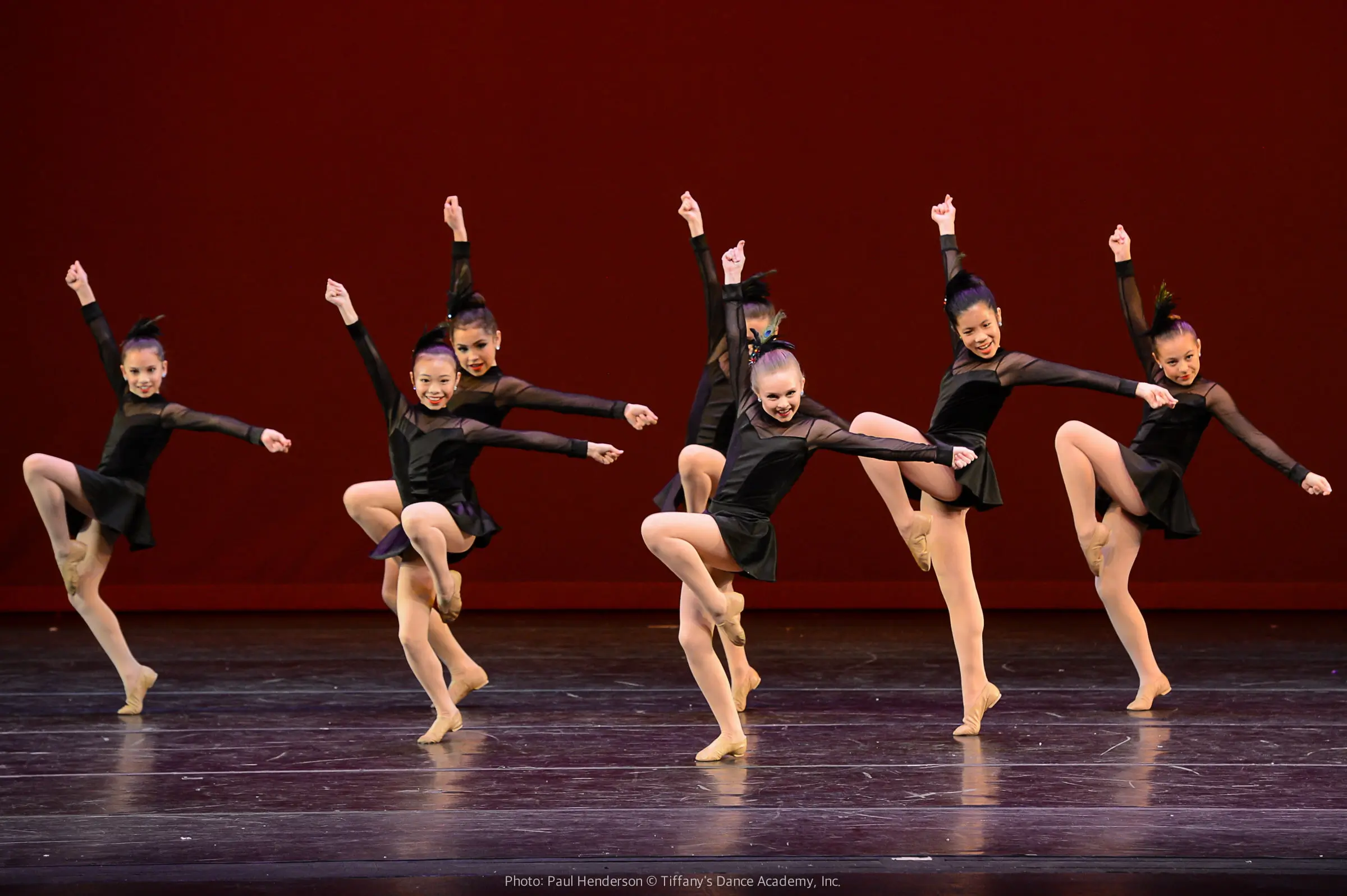
Branding Jazz Dance: Cultivating Identity and Marketability
In today’s competitive landscape, “branding” extends far beyond corporate logos. It encompasses the deliberate cultivation of an identity, a reputation, and a unique selling proposition. Jazz dance, as a genre and as individual art forms, can benefit immensely from strategic branding.
The “Brand” of Jazz Dance: Identity and Perception
The “brand” of jazz dance is multifaceted, encompassing its historical significance, its perceived characteristics, and its evolving contemporary presence.
- Historical Legacy as a Brand Asset: The rich history of jazz dance, its connection to African American culture, and its evolution alongside jazz music are powerful brand assets. Marketing and promoting jazz dance can leverage this legacy to attract audiences who appreciate artistic heritage and cultural depth.
- Perceived Attributes: Energy, Emotion, and Sophistication: Jazz dance is often perceived as energetic, emotionally expressive, and sophisticated. These attributes are key components of its brand identity. Marketing efforts can amplify these perceptions by showcasing dynamic performances, highlighting emotional depth, and emphasizing the skill and artistry involved.
- Contemporary Evolution and Niche Branding: As jazz dance continues to evolve, new sub-genres and stylistic fusions emerge. These can be further “branded” to appeal to specific audiences. For instance, a studio specializing in Fosse-inspired jazz might brand itself around glamour and theatricality, while a contemporary jazz company might focus on innovation and social commentary.
Personal Branding for Jazz Dancers and Educators
Beyond the genre itself, individual jazz dancers and educators can build powerful personal brands that elevate their careers and expand their reach.
- Developing a Unique Artistic Voice: A dancer’s personal brand is built on their unique artistic voice – their signature style, their expressive qualities, and their chosen repertoire. This is cultivated through consistent practice, exploration, and a deep understanding of their own artistic intentions.
- Building an Online Presence: A strong online presence is crucial for personal branding. This involves creating professional websites, active social media profiles showcasing their work, and engaging with their audience. High-quality photos and videos of their performances are essential for demonstrating their skills and personality.
- Storytelling and Authenticity: A compelling personal brand tells a story. Sharing their journey, their inspirations, and their passion for jazz dance creates a deeper connection with potential students, collaborators, and employers. Authenticity is key; audiences respond to genuine passion and dedication.
- Educational Branding: For jazz dance educators, branding involves establishing themselves as experts in their field. This can be achieved through offering specialized workshops, publishing articles or blogs on jazz dance technique, and consistently delivering high-quality instruction that builds a loyal student base. Their “brand” becomes synonymous with effective and inspiring teaching.
The Financial Ecosystem of Jazz Dance: Monetizing Art and Building Sustainable Careers
The pursuit of artistic expression often intersects with the practicalities of financial sustainability. Jazz dance, like any artistic discipline, has its own unique economic landscape.
Diverse Revenue Streams for Jazz Dance Professionals
The financial success of jazz dancers and educators hinges on their ability to diversify their income streams and understand the business aspects of their art.
- Performance Fees and Royalties: This is the most traditional revenue stream, involving payment for performing in shows, musicals, or commercial projects. Dancers may also earn royalties for their choreography if it’s commercially exploited. Negotiating fair performance fees and understanding contract terms are crucial financial skills.
- Teaching and Workshops: As mentioned earlier, teaching is a significant income source. This can range from studio classes, private lessons, to intensive workshops and masterclasses at festivals or educational institutions. The “brand” of an educator directly impacts their ability to command higher fees for their expertise.
- Choreography and Artistic Direction: Talented choreographers can earn substantial income creating routines for theatre productions, film, television, music videos, and even corporate events. Artistic directors of dance companies also command competitive salaries.
- Online Content Creation and Monetization: The rise of online platforms offers new financial avenues. Dancers can monetize their expertise through selling online courses, offering premium content subscriptions on platforms like Patreon, or partnering with brands for sponsored content related to dancewear, fitness, or well-being.
- Grants and Sponsorships: Many arts organizations and individual artists rely on grants from foundations and government arts councils to fund projects, tours, and educational initiatives. Developing strong grant proposals and cultivating relationships with potential sponsors is vital for financial stability.
Financial Literacy and Entrepreneurship for Dancers
In today’s economic climate, jazz dancers need to be more than just artists; they need to be savvy entrepreneurs.
- Budgeting and Financial Planning: Understanding personal finance is critical. Dancers need to budget for expenses like training, costumes, travel, and potentially periods of unemployment between gigs. Creating a financial plan that accounts for fluctuating income is essential.
- Investing in Skills and Future: Investing in further training, professional development, and even business courses can pay dividends in the long run. Dancers may also consider investing their earnings to build long-term financial security.
- Understanding Contracts and Negotiations: Dancers often work as independent contractors. Understanding contract terms, negotiation strategies, and legal rights is paramount to ensuring fair compensation and protecting their interests. Seeking advice from legal or financial professionals specializing in the arts can be invaluable.
- Building a Side Hustle or Diversified Income: Given the unpredictable nature of performance work, many jazz dancers develop “side hustles” or complementary income streams. This could include freelance graphic design, social media management, fitness coaching, or any skill that can be leveraged to supplement their dance income. This diversification reduces financial risk and provides greater stability.
- The Business of Running a Dance Studio: For those who choose to open their own studios, a deep understanding of business finance, marketing, and operations is non-negotiable. This involves managing overhead, pricing classes effectively, and understanding profit margins to ensure the studio’s long-term viability.

Conclusion: The Enduring Resonance of Jazz Dance
From its rhythmically complex origins to its contemporary manifestations, jazz dance remains a vibrant and evolving art form. By examining it through the lenses of technology, branding, and finance, we gain a richer appreciation for its multifaceted nature. Technology offers new tools for creation, dissemination, and education, expanding its reach and accessibility. Strategic branding allows the art form and its practitioners to cultivate distinct identities, connect with audiences, and enhance their marketability. And a strong understanding of financial literacy and entrepreneurship empowers jazz dancers to build sustainable careers and monetize their passion effectively. Ultimately, the enduring appeal of jazz dance lies in its ability to blend technical mastery with raw emotion, innovation with tradition, and its capacity to constantly reinvent itself while staying true to its soulful, improvisational spirit.
aViewFromTheCave is a participant in the Amazon Services LLC Associates Program, an affiliate advertising program designed to provide a means for sites to earn advertising fees by advertising and linking to Amazon.com. Amazon, the Amazon logo, AmazonSupply, and the AmazonSupply logo are trademarks of Amazon.com, Inc. or its affiliates. As an Amazon Associate we earn affiliate commissions from qualifying purchases.