
In the fast-evolving landscape of modern networking, terms like “fiber optics,” “5G,” and “broadband” dominate the conversation. Yet, beneath the layers of contemporary internet infrastructure lies a foundational technology that transformed digital communication: the Integrated Services Digital Network (ISDN). While it may seem like a relic of the late 20th century, understanding ISDN is crucial for comprehending the evolution of data transmission and the transition from analog telephony to the high-speed digital world we inhabit today.
The Genesis of Digital Connectivity
Before the widespread adoption of ISDN, telecommunications networks were primarily analog. Voice signals were transmitted as continuous waves, which were susceptible to degradation and interference. As the demand for data transmission—specifically early internet connectivity and computer-to-computer communication—began to rise, the limitations of analog telephone lines became glaringly apparent.
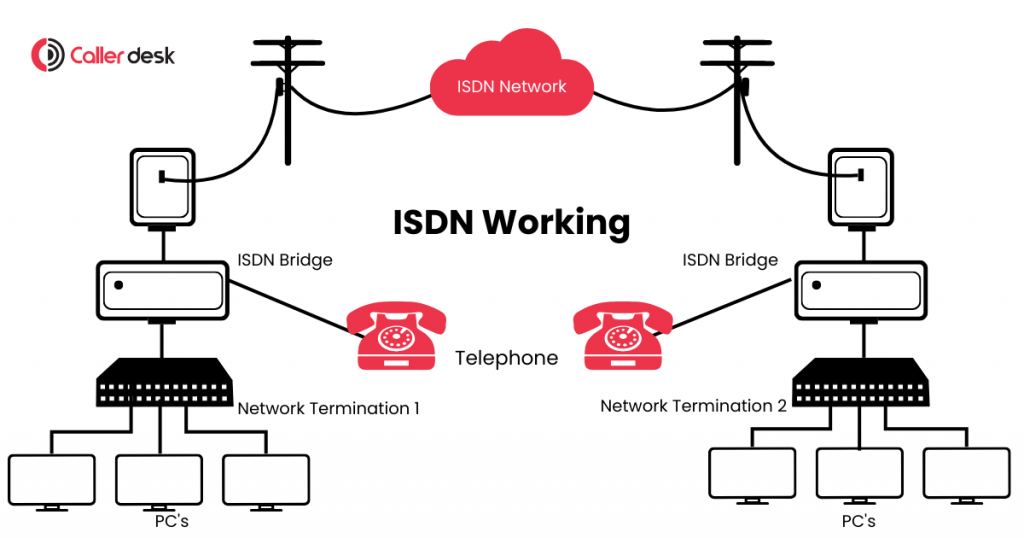
ISDN was conceived as a global standard for digital communication, designed to allow voice and data to be transmitted simultaneously over existing telephone lines. At its core, the goal of ISDN was to create a digital pipeline that replaced the noisy, inefficient analog path with a clean, binary stream of information. By digitizing the end-to-end connection, ISDN offered a level of clarity and reliability that was revolutionary at the time of its introduction in the late 1980s.
The Shift from Analog to Digital
The transition to ISDN represented a paradigm shift. Unlike traditional dial-up connections that required a modem to convert digital data into analog audio signals (and vice versa), ISDN kept data in its digital form throughout the transmission. This eliminated the need for complex signal conversion and significantly reduced error rates. Businesses quickly gravitated toward this technology, as it provided the first reliable mechanism for high-quality digital voice calls and faster file transfers, effectively bridging the gap between basic telephony and the early data networks.
Architecture and Technical Standards
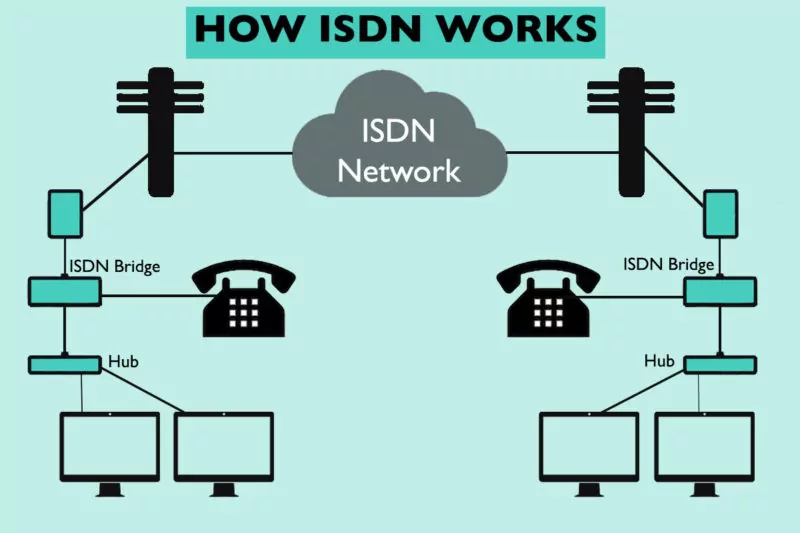
To understand how ISDN operates, one must look at its architectural foundation. ISDN operates on the concept of “channels,” which are divided into distinct categories based on their function. This multiplexing capability is what allowed a single ISDN line to perform multiple tasks simultaneously, a feat that felt like magic to users accustomed to “one line, one function” setups.
Understanding B-Channels and D-Channels
The ISDN interface is composed of two primary types of channels:
- Bearer Channels (B-channels): These are the workhorses of the network. Operating at a speed of 64 kilobits per second (kbps), they carry the actual payload—whether it is voice, data, or video.
- Data Channels (D-channels): These act as the “control plane” for the connection. They handle signaling information, such as call setup, routing, and disconnection instructions. By separating control traffic from data traffic, ISDN achieved superior efficiency and faster call establishment times.
BRI and PRI: The Two Flavors of ISDN
ISDN was generally deployed in two configurations:
- Basic Rate Interface (BRI): Designed primarily for individual users and small businesses, BRI consists of two 64 kbps B-channels and one 16 kbps D-channel. This “2B+D” configuration allowed a user to have a phone call on one B-channel while browsing the internet on the other, all through the same physical line.
- Primary Rate Interface (PRI): Aimed at larger enterprises and data centers, PRI offers significantly higher capacity. In North America, it consists of 23 B-channels and one 64 kbps D-channel, while in Europe, it typically offers 30 B-channels. This robust capacity allowed large companies to manage high volumes of incoming and outgoing calls, making it the standard for private branch exchanges (PBXs) for decades.
The Role of ISDN in the Internet Boom
During the mid-to-late 1990s, ISDN became the gold standard for power users, small businesses, and early remote workers. Before the ubiquity of Digital Subscriber Line (DSL) and cable internet, ISDN was the most accessible “high-speed” technology available. While it could not compete with the fiber-optic speeds of today, it was a massive upgrade over the 56k dial-up modems that characterized the early internet experience.
Benefits Over Dial-Up
The advantages of ISDN during this era were clear. First, the connection speed was consistent. Unlike dial-up, which relied on the varying quality of copper voice lines and often struggled to hit its maximum theoretical speed, ISDN provided a dedicated digital circuit. Second, the “always-on” potential (depending on the provider’s billing model) and the ability to use the phone while connected made it the premier choice for professionals who required stable connections for email, FTP transfers, and early web conferencing.
The Limitations and Eventual Decline
Despite its strengths, ISDN had inherent limitations that eventually paved the way for its successors. The primary issue was bandwidth. As internet content evolved from simple text and low-resolution images to rich media, flash animations, and eventually video, the 128 kbps maximum capacity of a standard BRI line (using both B-channels) became a bottleneck. Furthermore, the cost of ISDN was relatively high compared to the emerging DSL and cable technologies, which offered significantly higher speeds at lower price points by leveraging different frequency spectrums on existing lines.
ISDN in the Modern Context
One might ask: If ISDN has been surpassed by fiber and broadband, why is it still relevant? The reality is that ISDN has not disappeared; it has simply migrated to specialized niches. While consumer internet usage has long since moved to faster mediums, the telecommunications industry still relies on the principles established by ISDN for specific infrastructure requirements.
Continued Use in Broadcasting and Telephony
ISDN remains a staple in the radio and television broadcasting industry. Because of its predictable, dedicated bandwidth, ISDN lines are frequently used for high-quality audio transmission from remote locations back to studio headquarters. Unlike the public internet, which suffers from jitter and packet loss, an ISDN circuit provides a stable, “point-to-point” path that ensures audio fidelity. Many legacy telephone systems and digital trunking setups in corporate buildings also continue to function via ISDN PRI connections, as they provide a reliable, battle-tested framework for managing complex voice systems.
The Move Toward SIP and VoIP
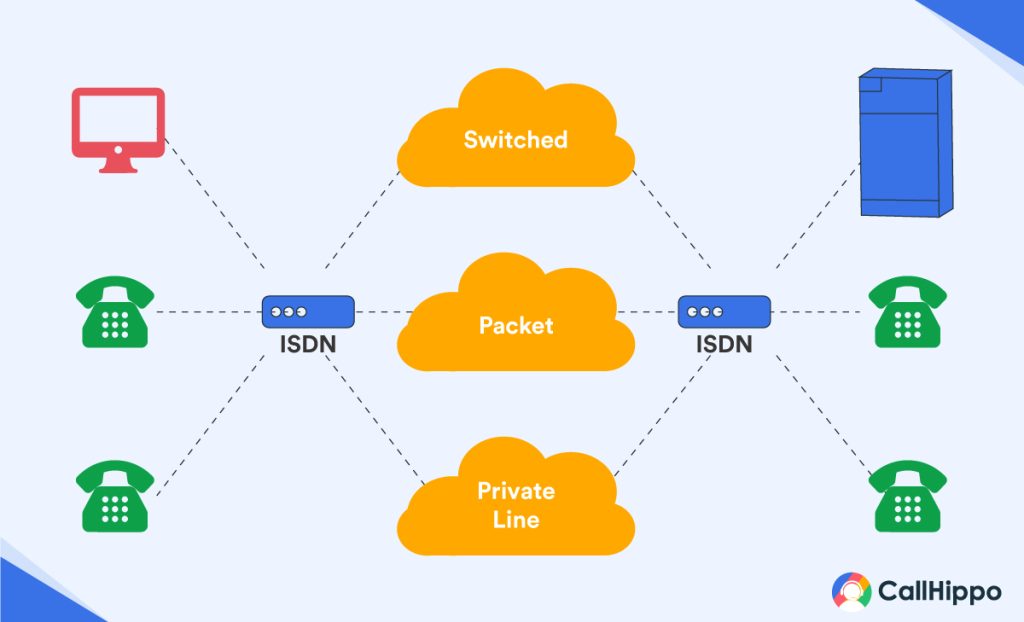
The global transition toward Session Initiation Protocol (SIP) and Voice over IP (VoIP) is effectively the final chapter for ISDN. Modern businesses are increasingly migrating from traditional PRI lines to SIP trunking, which delivers voice services over an internet protocol network rather than through dedicated telephone switching hardware. However, the logic of the D-channel signaling used in ISDN provided the architectural blueprint for how modern VoIP sessions are established and managed.
Final Reflections
ISDN was more than just a bridge between the analog era and the broadband age; it was a testament to the power of digital standards. By defining the parameters for digital voice and data, it paved the way for the integrated communication ecosystems we take for granted today.
For the tech enthusiast or IT professional, studying ISDN is an exercise in appreciating the evolution of networking. It serves as a reminder that every technological leap—from the 64 kbps B-channel to the multi-gigabit connections of today—is built upon the structural innovations of the past. While ISDN may be slowly fading from the public consciousness, its legacy endures in the way we connect, communicate, and transmit the data that drives the modern global economy. Whether through the persistent use of PRI in corporate telephony or the continued reliance on ISDN-based audio links in broadcasting, the “Integrated Services Digital Network” remains a vital part of the digital narrative.
aViewFromTheCave is a participant in the Amazon Services LLC Associates Program, an affiliate advertising program designed to provide a means for sites to earn advertising fees by advertising and linking to Amazon.com. Amazon, the Amazon logo, AmazonSupply, and the AmazonSupply logo are trademarks of Amazon.com, Inc. or its affiliates. As an Amazon Associate we earn affiliate commissions from qualifying purchases.