
Cash App, developed by Block, Inc., has revolutionized the way millions of Americans handle peer-to-peer payments, direct deposits, and even stock investments. As a financial tool, its widespread adoption often leads users to ponder its underlying banking infrastructure, particularly the crucial question: what bank does Cash App use? Understanding the financial institutions that back Cash App is essential for users to grasp the security, compliance, and overall functionality of their funds. Unlike traditional banks, Cash App operates through strategic partnerships with established, FDIC-insured financial institutions. This model allows it to offer banking-like services without holding a full banking charter itself.
Understanding Cash App’s Banking Partnerships
Cash App does not operate as a standalone bank in the traditional sense. Instead, it leverages partnerships with federally regulated and FDIC-insured banks to provide its suite of financial services. These partnerships are critical for various functions, including the issuance of Cash App debit cards, direct deposit capabilities, and the holding of customer funds. The primary banks associated with Cash App are Sutton Bank and Lincoln Savings Bank. These relationships are foundational to how Cash App integrates into the broader financial ecosystem and offers a secure environment for user funds.
The Role of Sutton Bank
For many Cash App users, Sutton Bank is the primary institution linked to their accounts. Sutton Bank, an Ohio-chartered commercial bank, plays a vital role in enabling Cash App’s functionality, particularly concerning the Cash App Card. This Visa debit card, which allows users to spend funds directly from their Cash App balance, is issued by Sutton Bank. This arrangement means that while you interact with Cash App for your transactions, the actual card issuance and associated banking protocols are managed by Sutton Bank. This partnership ensures that the Cash App Card operates within established banking networks, providing reliability and widespread acceptance. Moreover, Sutton Bank helps facilitate direct deposit services, allowing users to receive paychecks, tax refunds, and other payments directly into their Cash App account using a unique routing and account number. The funds held in Cash App through this partnership are eligible for FDIC pass-through insurance, provided all criteria are met.
The Importance of Lincoln Savings Bank
In addition to Sutton Bank, Lincoln Savings Bank, an Iowa-chartered bank, also partners with Cash App. This partnership further strengthens the financial backbone of Cash App’s services. Lincoln Savings Bank’s involvement primarily focuses on providing additional infrastructure for various Cash App features, particularly those related to holding customer funds and facilitating certain transaction types. The strategic use of multiple banking partners provides redundancy and allows Cash App to scale its operations while adhering to regulatory requirements. For users, the presence of Lincoln Savings Bank reinforces the security and regulatory oversight of their funds, ensuring that their money is handled by reputable and compliant institutions. Both Sutton Bank and Lincoln Savings Bank are crucial for the integrity and functionality of Cash App as a comprehensive financial tool.
Implications for Your Finances
Knowing Cash App’s banking partners has several practical implications for managing your personal finances. It clarifies how your money is secured, how direct deposits work, and where to look for specific banking details crucial for integrating Cash App with other financial services.
Direct Deposits and Account Numbers
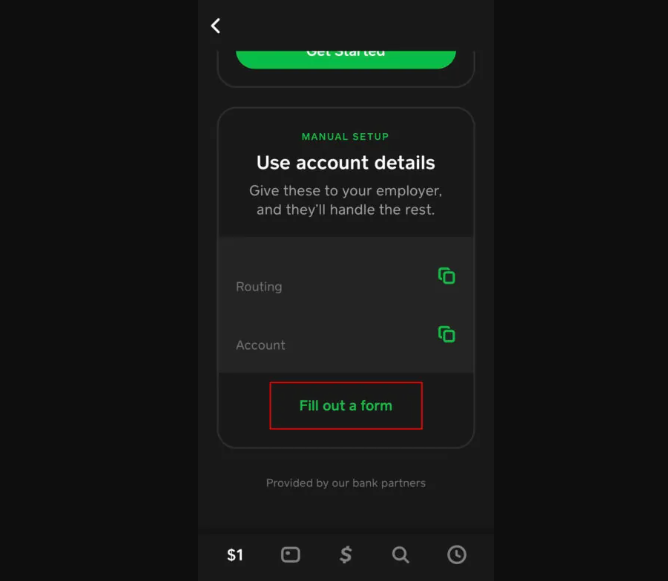
One of the most appealing features of Cash App for many users is its ability to serve as a hub for direct deposits. When you set up direct deposit with Cash App, you are provided with a unique routing number and account number. These numbers are directly associated with the underlying banking partners, primarily Sutton Bank. This means that your employer or government agency can send funds directly to your Cash App balance, bypassing traditional bank accounts if you choose. The routing number identifies the financial institution (Sutton Bank), while the account number identifies your specific Cash App deposit account within that institution. This seamless integration makes Cash App a viable alternative for receiving income, offering convenience and rapid access to funds. Understanding that these details link to an FDIC-insured bank provides a layer of confidence for users entrusting their income to the platform.
FDIC Insurance: Protecting Your Funds
A paramount concern for any financial tool holding customer funds is deposit insurance. Through its partnerships with Sutton Bank and Lincoln Savings Bank, Cash App provides FDIC pass-through insurance for eligible funds. The Federal Deposit Insurance Corporation (FDIC) is an independent agency of the United States government that protects bank depositors against the loss of their insured deposits if an FDIC-insured bank fails. For Cash App users, this means that up to the standard maximum deposit insurance amount ($250,000 per depositor, per insured bank, for each account ownership category), your funds held within Cash App are protected, provided they meet specific criteria. It’s crucial to understand that this insurance applies to the funds held by the partner banks, not directly by Cash App itself. This arrangement is standard for many fintech companies that partner with chartered banks. This robust protection is a significant factor in establishing Cash App’s credibility as a secure platform for managing a portion of your personal finances.

How Cash App Functions as a Financial Tool
Cash App goes beyond simple peer-to-peer payments, evolving into a multi-faceted financial tool that challenges traditional banking models. Its structure, built on bank partnerships, allows it to offer a broad spectrum of services that mimic and sometimes surpass conventional banking experiences.
Beyond Traditional Banking
Cash App’s operational model allows it to innovate rapidly, offering features that might take traditional banks longer to implement. These include instant peer-to-peer transfers, the ability to buy and sell Bitcoin, and fractional stock investing. By partnering with established banks for core deposit and card services, Cash App can focus its development efforts on user experience and expanding its service offerings. This hybrid approach allows users to access a streamlined, mobile-first financial experience without the overhead of physical branches. For individuals seeking agility in managing their money, Cash App provides a compelling alternative or supplement to traditional bank accounts, particularly for budgeting, everyday spending, and micro-investments.
Managing Your Money Safely
The safety of funds is a primary concern for any financial service. Cash App employs a multi-layered security approach, combining its own technological safeguards with the regulatory compliance and insurance provided by its banking partners. All transactions are encrypted, and users can enable various security features like PINs, Touch ID, or Face ID. The involvement of FDIC-insured banks means that the foundational elements of deposit protection are in place. This combination of robust app-level security and federally regulated banking partnerships creates a secure environment for users to manage their funds. Regular monitoring of account activity, strong password practices, and vigilance against phishing scams remain important personal responsibilities for all users of digital financial tools.
Key Considerations for Cash App Users
While Cash App offers immense convenience and functionality, understanding its specific operational model and limitations is crucial for effective financial management.
Linking External Bank Accounts
For many users, Cash App serves as one component of a broader financial strategy. It is commonly linked to external, traditional bank accounts to facilitate transfers between Cash App and your primary checking or savings accounts. This linking process typically involves verifying your external bank account via instant verification or micro-deposits. This interoperability highlights Cash App’s role as a complementary tool, allowing users to move funds seamlessly between different financial platforms. Understanding the transaction limits and potential fees associated with these transfers is important for budgeting and managing liquidity effectively.
Security and Compliance
Cash App adheres to various financial regulations through its banking partners. This includes compliance with anti-money laundering (AML) and know-your-customer (KYC) laws, which require identity verification for certain features or transaction volumes. These measures are in place to prevent fraud and financial crimes, adding another layer of security for users and the financial system as a whole. While some users might find the verification process cumbersome, it is a necessary component of operating a regulated financial service. Staying informed about Cash App’s security features and reporting any suspicious activity promptly contributes to a safer user experience for everyone.

When to Use Cash App vs. Traditional Banks
Deciding when to use Cash App versus a traditional bank depends on individual financial needs and preferences. Cash App excels at peer-to-peer payments, quick access to funds via direct deposit, and micro-investing. It offers a convenient, mobile-first experience for everyday transactions and short-term financial needs. However, traditional banks often provide a broader range of services, including complex lending products (mortgages, auto loans), advanced investment platforms, physical branch support, and more comprehensive customer service for intricate financial matters. For many, Cash App complements a traditional banking relationship, serving as a powerful tool for specific tasks rather than a complete replacement for all banking needs. Understanding the strengths of each platform allows users to leverage the best of both worlds for optimized personal finance management.
aViewFromTheCave is a participant in the Amazon Services LLC Associates Program, an affiliate advertising program designed to provide a means for sites to earn advertising fees by advertising and linking to Amazon.com. Amazon, the Amazon logo, AmazonSupply, and the AmazonSupply logo are trademarks of Amazon.com, Inc. or its affiliates. As an Amazon Associate we earn affiliate commissions from qualifying purchases.