
In the vast ecosystem of global commerce, identity is everything. For a corporation, it is a logo and a trademark; for an individual, it is a personal brand; but for a book, that identity is distilled into a 13-digit sequence known as the ISBN (International Standard Book Number). While often overlooked as a mere barcode on the back cover, the ISBN is, in fact, the most critical piece of metadata in the publishing world. It serves as a product’s digital passport, ensuring that a title is recognizable, trackable, and professional across every border and database on the planet.
For authors and corporate entities entering the world of publishing, understanding the ISBN is not merely a technical requirement; it is a strategic branding decision. This number acts as the bridge between a creative manuscript and a commercial asset. Without it, a book is essentially invisible to the global supply chain. In this exploration, we will dive into why the ISBN is the cornerstone of professional branding and how it functions as a tool for market authority.
Decoding the ISBN: More Than Just a String of Digits
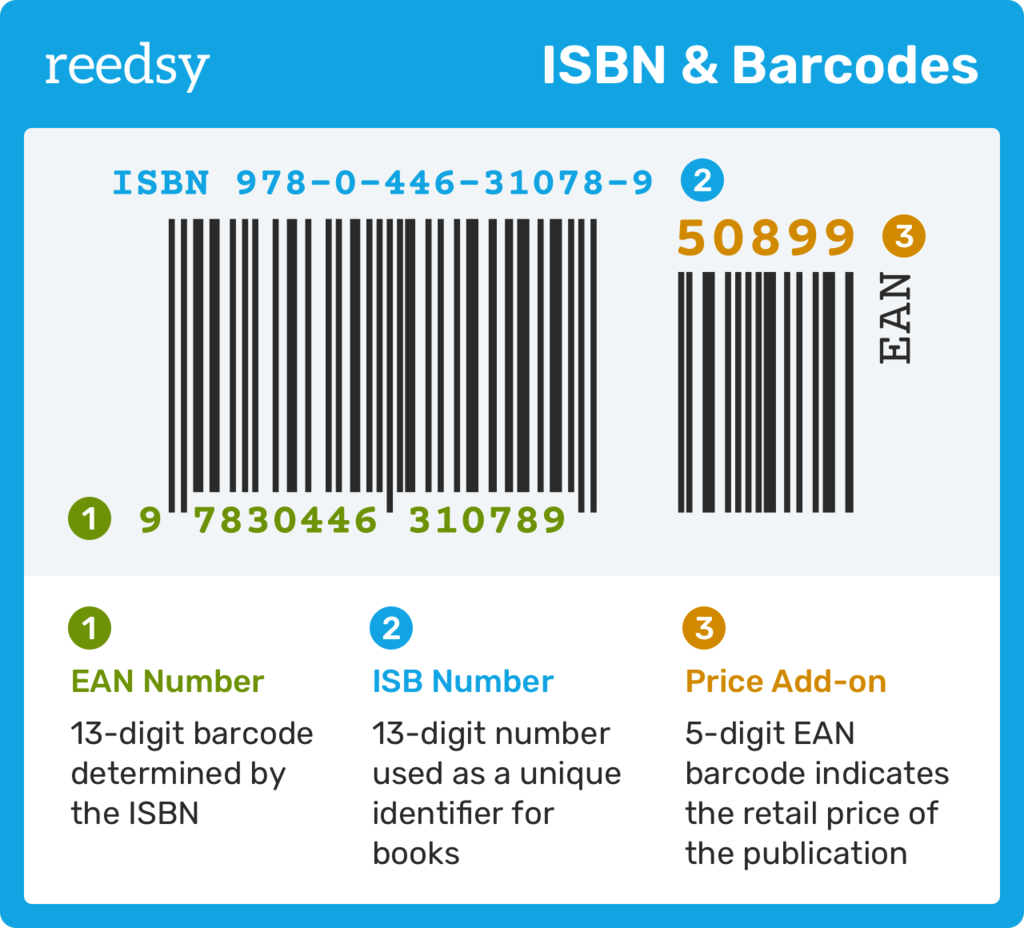
To the untrained eye, an ISBN is a random assortment of numbers. To a brand strategist or a professional publisher, it is a structured data set that communicates specific information about the origin and nature of the product. Since 2007, the standard has been the ISBN-13, a sequence designed to harmonize with the global EAN (European Article Number) barcoding system.
The Anatomy of the 13-Digit Sequence
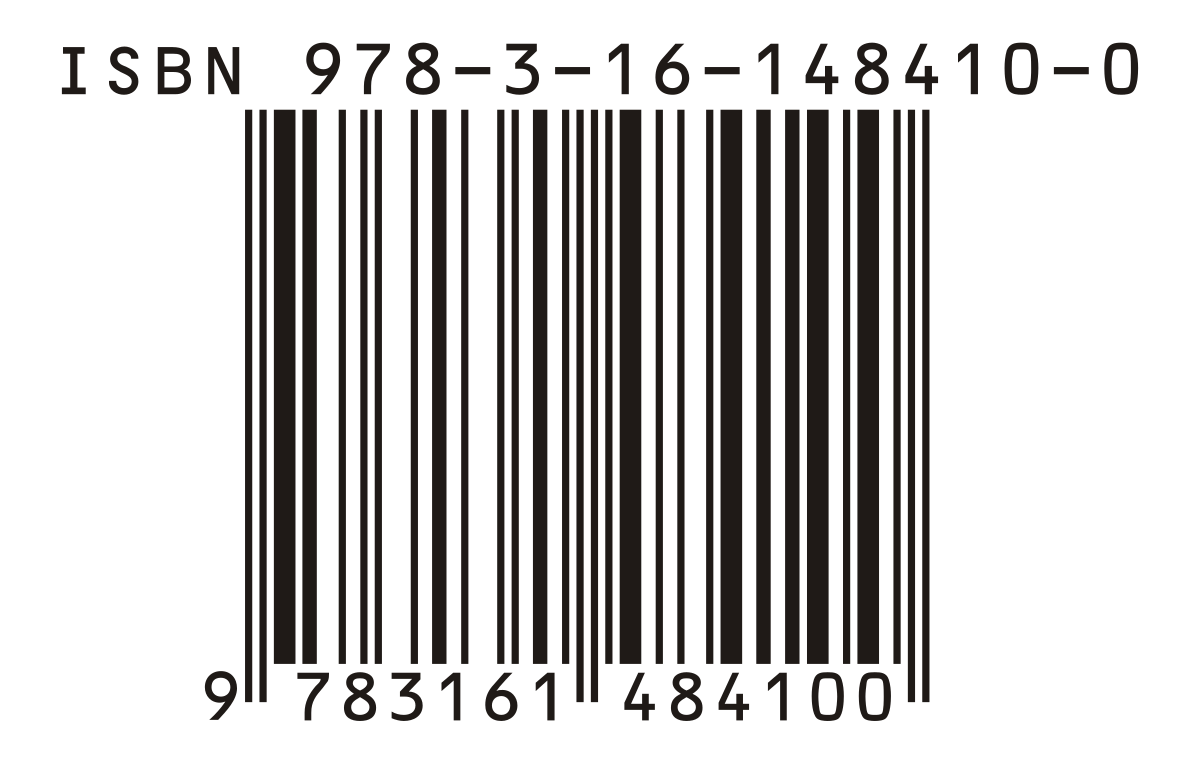
An ISBN is divided into five distinct elements, each separated by hyphens. Understanding these elements is crucial for brand management:
- The Prefix (978 or 979): This indicates that the product is a book within the global EAN system.
- The Registration Group: This identifies the country, geographical region, or language area (e.g., ‘0’ or ‘1’ for English-speaking countries).
- The Registrant Element: This is perhaps the most important for branding. It identifies the specific publisher or imprint.
- The Publication Element: This identifies the specific edition and format of the work.
- The Check Digit: A final single digit that mathematically validates the rest of the number.
By looking at the “Registrant Element,” industry professionals can immediately identify the “parent brand” behind a book. This is why major publishing houses own large blocks of ISBNs; it solidifies their brand footprint in global databases.
Transitioning from ISBN-10 to ISBN-13: A Brand Evolution
The shift from 10-digit to 13-digit numbers was more than a technical upgrade; it was a response to the massive expansion of the global book market. As more independent brands and corporate publishers entered the fray, the original 10-digit system ran out of capacity. For a modern brand, using the 13-digit format is a signal of contemporary standards. It ensures compatibility with modern point-of-sale systems and inventory management software used by giants like Amazon, Barnes & Noble, and Ingram.
The Role of ISBN in Brand Strategy and Market Credibility
In the world of professional branding, credibility is the currency of choice. An ISBN is one of the primary indicators that a book is a “real” product intended for public consumption rather than a private document or a casual project. It signals to wholesalers, libraries, and retailers that the publisher is serious about their corporate identity.
Establishing Authority in the Publishing Ecosystem
When a brand publishes a book—whether it is a CEO’s memoir, a corporate white paper, or a technical manual—the goal is often to establish “thought leadership.” An ISBN facilitates this by allowing the book to be indexed in the “Books in Print” database. This database is the primary resource used by librarians and bookstore buyers to source content.
If a book lacks an ISBN, it cannot be stocked in most physical bookstores, nor can it be easily ordered by libraries. From a branding perspective, being “unbuyable” in traditional spaces severely diminishes the perceived authority of the author. By securing a dedicated ISBN, a brand ensures it has a seat at the table of global discourse.
Protecting Your Intellectual Property and Corporate Identity
An ISBN is intrinsically linked to the “Publisher of Record.” When a company or individual purchases an ISBN, they are registered as the official publisher in international registries. This is a vital step in brand protection.
If an author uses a “free” ISBN provided by a self-publishing platform, that platform—not the author—is often listed as the publisher of record in the metadata. For a professional brand, this is an unacceptable compromise. Owning your ISBNs means you retain total control over your brand’s metadata, ensuring that your corporate name is the one associated with the intellectual property in perpetuity.
Navigating the Global Marketplace: Distribution and Discoverability
A brand is only as strong as its reach. In the digital age, “reach” is dictated by algorithms and search engines. The ISBN serves as the primary “Unique Identifier” that allows digital systems to categorize and retrieve book data accurately.
Streamlining Logistics through Standardized Data
For a brand looking to scale, logistics are a major hurdle. The ISBN streamlines the supply chain by providing a universal language for distributors. When a book moves from a printer to a warehouse, and eventually to a consumer’s doorstep, the ISBN is the “tracking code” that ensures the right version of the product is being moved.
Imagine a brand that releases a “Second Edition” of a successful business book. Without a new ISBN for that specific edition, the supply chain would conflate the old and new data, leading to customer dissatisfaction and brand erosion. The ISBN ensures that the brand’s promise—providing the most up-to-date information—is fulfilled through logistical precision.
Enhancing Digital Discoverability and SEO for Books
Search Engine Optimization (SEO) is not limited to websites. In the world of e-commerce, the ISBN is a high-octane SEO tool. Search engines like Google and Bing use ISBNs to aggregate reviews, price comparisons, and bibliographical data.
When a consumer searches for a specific 13-digit number, they are presented with a unified profile of that book across the web. This creates a cohesive “brand image” online. Furthermore, metadata associated with the ISBN—such as the title, subtitle, and author bio—is what feeds the search algorithms of retailers like Amazon. A strategically managed ISBN ensures that a brand’s content appears in front of the right audience at the right time.
Strategic Considerations for Authors and Corporate Publishers
Deciding how to handle ISBNs is a foundational step in a brand’s publishing strategy. It involves choosing between convenience and control, a classic dilemma in brand management.
Owning vs. Leasing: The Brand Impact of ISBN Ownership
Many retail platforms offer “free ISBNs” to entice users. While this lowers the barrier to entry, it carries a heavy branding cost. As mentioned, the entity that owns the ISBN is the “Publisher of Record.” For a business, having “Amazon” or “Lulu” listed as the publisher on a corporate book can look amateurish.
Investing in a block of ISBNs from an official agency (like Bowker in the United States or Nielsen in the UK) allows a company to create its own “Imprint Name.” This name appears in the metadata of every major retailer, reinforcing the corporate brand. It allows a company to appear as a professional publishing entity, which is essential for B2B branding and high-level consulting.
ISBNs for Digital Media and Multi-Format Branding
In the modern market, a book is rarely just a physical object. It is an ebook, an audiobook, and perhaps a hardcover collector’s edition. Each of these formats requires its own unique ISBN. This is a crucial point for brand consistency.
By assigning a different ISBN to each format, a brand can track the performance of its content across different mediums. It also prevents “data collisions” where an ebook’s price might accidentally be applied to a hardcover. Maintaining a clean, organized portfolio of ISBNs for various formats is a hallmark of a well-managed, sophisticated brand. It demonstrates an attention to detail that resonates with discerning consumers and professional partners.
Conclusion: The ISBN as the Foundation of a Sustainable Book Brand
The ISBN is far more than a requirement for the checkout counter; it is a foundational element of a book’s brand identity. It provides the structure necessary for global distribution, the metadata required for digital discoverability, and the professional “stamp of approval” that separates amateur projects from authoritative works.
For any organization or individual looking to leverage publishing as a tool for branding, the ISBN should be treated with the same respect as a trademark or a domain name. It is a long-term investment in the product’s legacy. By owning and strategically managing these 13 digits, a brand ensures that its voice is heard, its intellectual property is protected, and its presence in the global marketplace is permanent and professional. In the end, the ISBN is the silent partner in every bestseller’s success, providing the invisible infrastructure upon which great brands are built.
aViewFromTheCave is a participant in the Amazon Services LLC Associates Program, an affiliate advertising program designed to provide a means for sites to earn advertising fees by advertising and linking to Amazon.com. Amazon, the Amazon logo, AmazonSupply, and the AmazonSupply logo are trademarks of Amazon.com, Inc. or its affiliates. As an Amazon Associate we earn affiliate commissions from qualifying purchases.