
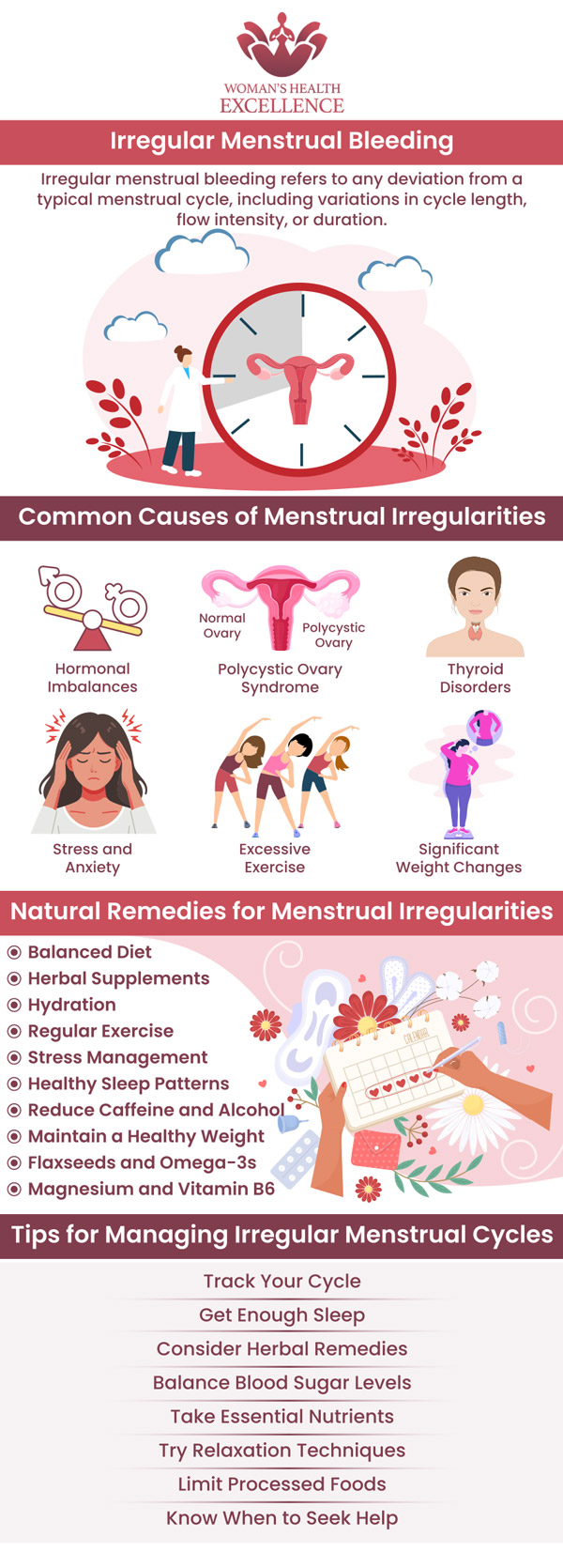
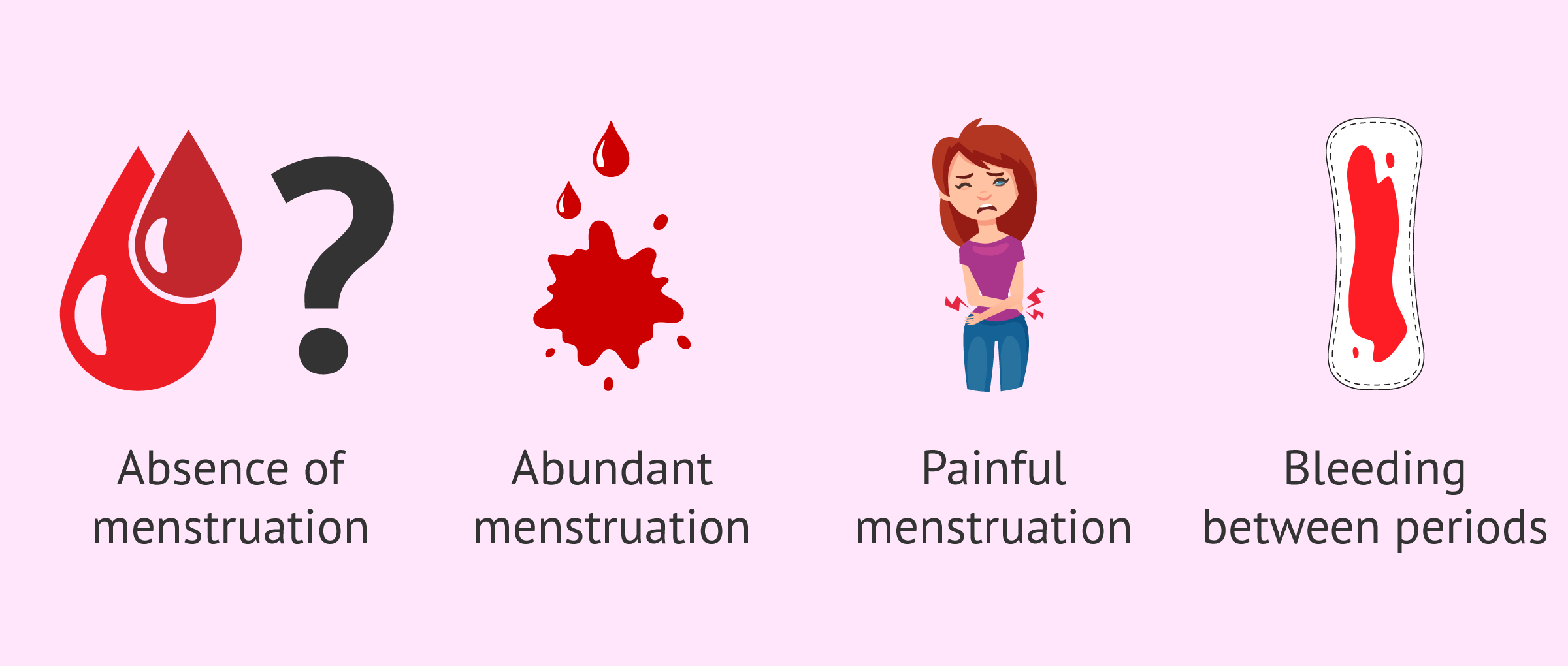
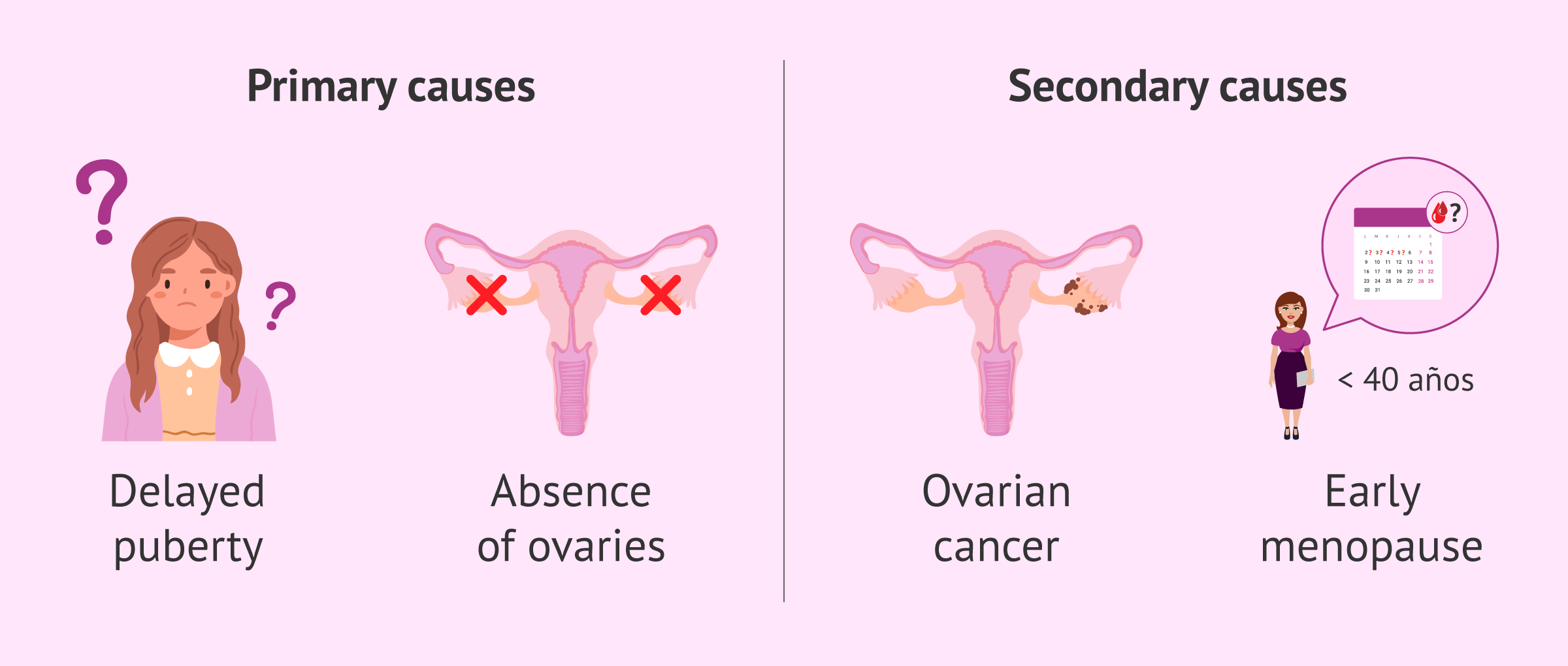
While irregular menstrual bleeding is primarily a health concern, its implications extend significantly into the realm of personal finance, impacting individuals’ budgets, long-term financial planning, and economic well-being. Understanding this condition from a financial perspective is crucial for effective management and safeguarding one’s monetary stability. Irregular menstrual bleeding refers to any deviation from the typical menstrual cycle pattern, encompassing variations in frequency, duration, or flow. This can manifest as periods that are too frequent (polymenorrhea), too infrequent (oligomenorrhea), absent (amenorrhea), or characterized by exceptionally heavy (menorrhagia) or prolonged bleeding. Spotting between periods, or bleeding after menopause, also falls under this umbrella. While some irregularities can be benign, others may signal underlying health issues ranging from hormonal imbalances and stress to more serious conditions like polycystic ovary syndrome (PCOS), uterine fibroids, endometriosis, or thyroid disorders. The journey from initial symptoms to diagnosis and ongoing management can incur substantial costs, placing an undeniable financial burden on affected individuals.
The Financial Burden of Menstrual Irregularities
The path to understanding and managing irregular menstrual bleeding is often fraught with a series of expenses that can quickly accumulate, creating a significant financial strain. These costs are both direct, related to medical care, and indirect, affecting earning potential and daily financial stability.
Direct Medical Costs: From Diagnosis to Treatment
The initial step in addressing irregular bleeding typically involves a consultation with a healthcare professional, often a general practitioner or a gynecologist. Each visit carries a cost, whether it’s a co-pay, deductible payment, or the full fee for uninsured individuals. Beyond the primary consultation, a thorough diagnosis frequently necessitates a battery of tests. These can include blood tests to check hormone levels (estrogen, progesterone, thyroid hormones), iron levels (due to potential anemia from heavy bleeding), and to rule out pregnancy. Each laboratory test incurs its own fee.
Further diagnostic procedures might include imaging tests such as pelvic ultrasounds, which provide detailed images of the uterus, ovaries, and fallopian tubes to identify structural abnormalities like fibroids or cysts. In some cases, more invasive procedures like hysteroscopy (examining the inside of the uterus) or endometrial biopsy (taking a tissue sample from the uterine lining) may be required to rule out more serious conditions. These procedures are often performed in outpatient clinics or hospitals, involving facility fees, anesthesia costs, and professional fees for the performing physician. The cumulative expense of these diagnostic steps can quickly escalate into hundreds or even thousands of dollars, even with health insurance coverage.
Once a diagnosis is established, treatment options can vary widely, each with its own financial implications. Hormonal treatments, such as birth control pills, hormonal IUDs, or progesterone therapy, involve ongoing medication costs, which can range from affordable generics to more expensive brand-name prescriptions. Non-hormonal medications, such as NSAIDs for pain or antifibrinolytics for heavy bleeding, also contribute to recurring expenses. For conditions like uterine fibroids or endometriosis, surgical interventions may be necessary. Procedures such as myomectomy (fibroid removal), hysterectomy (uterus removal), or endometrial ablation (destroying the uterine lining) can involve significant surgical fees, hospital stays, anesthesia, and post-operative care, easily reaching tens of thousands of dollars. Even with robust insurance, out-of-pocket maximums and deductibles can still leave individuals facing substantial bills.
Indirect Financial Impacts: Work, Productivity, and Quality of Life
Beyond the direct medical costs, irregular menstrual bleeding can exert a powerful, often overlooked, indirect financial toll. The physical symptoms associated with irregular bleeding – heavy flow, severe pain, fatigue, and mood disturbances – can directly impact an individual’s ability to perform at work or manage daily responsibilities. Missed workdays due to severe symptoms, medical appointments, or recovery from procedures translate into lost wages or accrued sick leave, which may not always be fully compensated. For hourly workers or those without comprehensive paid time off benefits, this can lead to a significant reduction in monthly income.
Even when able to attend work, reduced productivity due to discomfort, pain, or the stress of managing symptoms can hinder career progression and earning potential. The need to frequently manage heavy bleeding, deal with discomfort, or navigate symptoms can divert focus and energy, potentially impacting performance reviews, promotions, and ultimately, salary increases. Furthermore, the psychological impact of living with an unpredictable and often distressing health condition can lead to increased stress, anxiety, or depression. These mental health challenges can themselves incur additional costs, such as therapy or medication, further straining financial resources.
The need for specialized menstrual products (e.g., super-absorbent pads, tampons, menstrual cups, period underwear) is another often-unacknowledged expense. For individuals experiencing heavy or prolonged bleeding, the consumption of these products can be significantly higher than average, representing a recurring, incremental cost that adds up over time. Moreover, the need to replace stained clothing or bedding also contributes to household expenses. These indirect financial impacts, though often harder to quantify, collectively represent a substantial burden that can erode savings, delay financial goals, and create persistent stress.
Strategic Financial Management for Women’s Health
Proactive financial planning is essential for navigating the unpredictable nature of health expenses, especially those associated with chronic or recurring conditions like irregular menstrual bleeding. By adopting strategic approaches to insurance and budgeting, individuals can mitigate the financial impact.
Maximizing Health Insurance Benefits and HSAs/FSAs
A thorough understanding of one’s health insurance policy is the cornerstone of managing medical expenses. Individuals should familiarize themselves with their plan’s deductible, co-pays, co-insurance percentages, and out-of-pocket maximums. Knowing which services are covered, whether a referral is needed for specialists, and if certain procedures require prior authorization can prevent unexpected bills. Many plans offer access to an online portal or a dedicated customer service line where benefits can be clarified. Choosing in-network providers is almost always more cost-effective, as these providers have negotiated rates with the insurance company.
Leveraging tax-advantaged accounts like Health Savings Accounts (HSAs) and Flexible Spending Accounts (FSAs) can significantly reduce the financial burden. HSAs, available with high-deductible health plans (HDHPs), allow individuals to save pre-tax money for qualified medical expenses. Funds roll over year to year, grow tax-free, and can be used for a wide array of medical costs, including doctor visits, prescriptions, and diagnostic tests. FSAs, often offered through employers, also allow pre-tax contributions but usually have a “use it or lose it” rule, meaning funds must be spent within the plan year (though some plans offer a grace period or limited rollover). Both HSAs and FSAs effectively make healthcare dollars go further by reducing taxable income and covering out-of-pocket costs with pre-tax money.
Budgeting and Emergency Funds for Unforeseen Health Challenges
Incorporating a dedicated line item for healthcare expenses into a personal budget is a prudent step, particularly for those managing ongoing health conditions. This budget line should account for regular co-pays, recurring prescription costs, and an allowance for potential diagnostic tests or follow-up appointments. For individuals experiencing irregular menstrual bleeding, estimating these costs can be challenging due to the unpredictable nature of the condition, making a robust emergency fund even more critical.
An emergency fund, typically three to six months’ worth of living expenses, should ideally include a buffer for unexpected medical bills. For those with chronic health concerns, it may be wise to aim for the higher end of this range or even create a separate “medical emergency” fund. This fund acts as a financial safety net, preventing individuals from dipping into long-term savings or incurring high-interest debt when faced with substantial medical costs not fully covered by insurance. Building this fund gradually through automated savings transfers can make the process more manageable. Regularly reviewing and adjusting the healthcare budget line and emergency fund allocation ensures they remain aligned with evolving health needs and financial circumstances.
Leveraging Resources and Tools for Cost-Effective Care
In an increasingly complex healthcare landscape, utilizing available resources and digital tools can empower individuals to make more informed and cost-effective decisions regarding their health and finances.
Telehealth, Generic Medications, and Comparative Pricing
Telehealth services have emerged as a powerful tool for reducing healthcare costs and improving access to care. Virtual consultations with doctors or specialists can often be less expensive than in-person visits, saving on co-pays, travel time, and associated expenses like parking. For follow-up appointments, medication adjustments, or initial symptom discussions related to irregular bleeding, telehealth offers a convenient and affordable option. Many insurance plans cover telehealth, and some providers offer direct-pay options that are competitively priced.
When it comes to medications, always inquire about generic alternatives. Generic drugs contain the same active ingredients and are bioequivalent to their brand-name counterparts but are significantly cheaper. Pharmacists can often provide information on generic availability, and doctors can prescribe them. Additionally, comparative pricing for medications across different pharmacies can reveal substantial savings. Websites and apps exist that allow users to compare drug prices at local pharmacies, sometimes offering coupons or discounts that can further reduce costs. For specific procedures or tests, price transparency tools and services are becoming more prevalent, allowing patients to compare costs at different facilities within their network before committing to a service. Negotiating cash prices with providers for services not covered by insurance, or for those with high deductibles, can also lead to discounts.
Digital Financial Tools for Health Expense Tracking
In the digital age, a variety of financial tools and apps can assist in managing healthcare expenses more effectively. Many personal finance apps allow users to categorize expenses, making it easier to track medical costs over time. By consistently logging doctor visit co-pays, prescription refills, and other health-related purchases, individuals gain a clear picture of their total healthcare spending. This data can be invaluable for budgeting, tax purposes, and advocating for better insurance coverage or employer benefits.
Beyond general budgeting apps, some specialized healthcare apps can help track medical bills, manage appointments, and even store insurance information. Some apps specifically designed for women’s health or period tracking may integrate features for logging symptoms alongside associated costs, offering a holistic view of the financial impact of irregular bleeding. Additionally, online patient portals provided by healthcare systems often allow access to billing statements, payment histories, and explanations of benefits (EOBs), simplifying the reconciliation of medical charges against insurance payments. Utilizing these digital tools fosters greater financial awareness and control, transforming the often opaque world of medical billing into a manageable financial category.
The Broader Economic Implications of Women’s Health
Understanding the financial aspects of irregular menstrual bleeding extends beyond individual budgets to touch upon broader economic and policy considerations. The cumulative impact of these conditions represents a significant public health and economic challenge.
Advocating for Equitable Healthcare Spending and Policy
The financial burden of women’s reproductive health issues, including irregular menstrual bleeding, has a ripple effect on society. When individuals struggle to afford necessary diagnostic tests, treatments, or even adequate menstrual products, their overall health can decline, leading to more severe conditions, increased healthcare expenditures in the long run, and reduced participation in the workforce. This not only affects individual financial stability but also impacts national productivity and economic growth.
Advocating for policies that ensure equitable healthcare spending and access is therefore not just a matter of social justice but also sound economic strategy. This includes supporting initiatives for transparent healthcare pricing, advocating for comprehensive insurance coverage for women’s health services (including preventative care and specialists), and pushing for increased research funding into common conditions like endometriosis and PCOS, which are often sources of irregular bleeding. Furthermore, policies that recognize the economic impact of missed work due to menstrual health issues, such as flexible work arrangements or improved paid sick leave policies, can mitigate the indirect financial strain on individuals. Ultimately, investing in women’s health is an investment in the economic vitality of communities and nations, recognizing that the well-being of individuals is inextricably linked to their financial capacity and the broader economic environment.
aViewFromTheCave is a participant in the Amazon Services LLC Associates Program, an affiliate advertising program designed to provide a means for sites to earn advertising fees by advertising and linking to Amazon.com. Amazon, the Amazon logo, AmazonSupply, and the AmazonSupply logo are trademarks of Amazon.com, Inc. or its affiliates. As an Amazon Associate we earn affiliate commissions from qualifying purchases.