
In an era where data is often described as the new oil, the ability to control, secure, and monitor how information is handled has become the cornerstone of modern digital strategy. As organizations transition toward permanent remote work models and cloud-centric infrastructures, the traditional “perimeter-based” security model—where a firewall protects everything inside a network—has become obsolete. Today, data regularly leaves the corporate network, traveling across personal devices, third-party apps, and international borders.
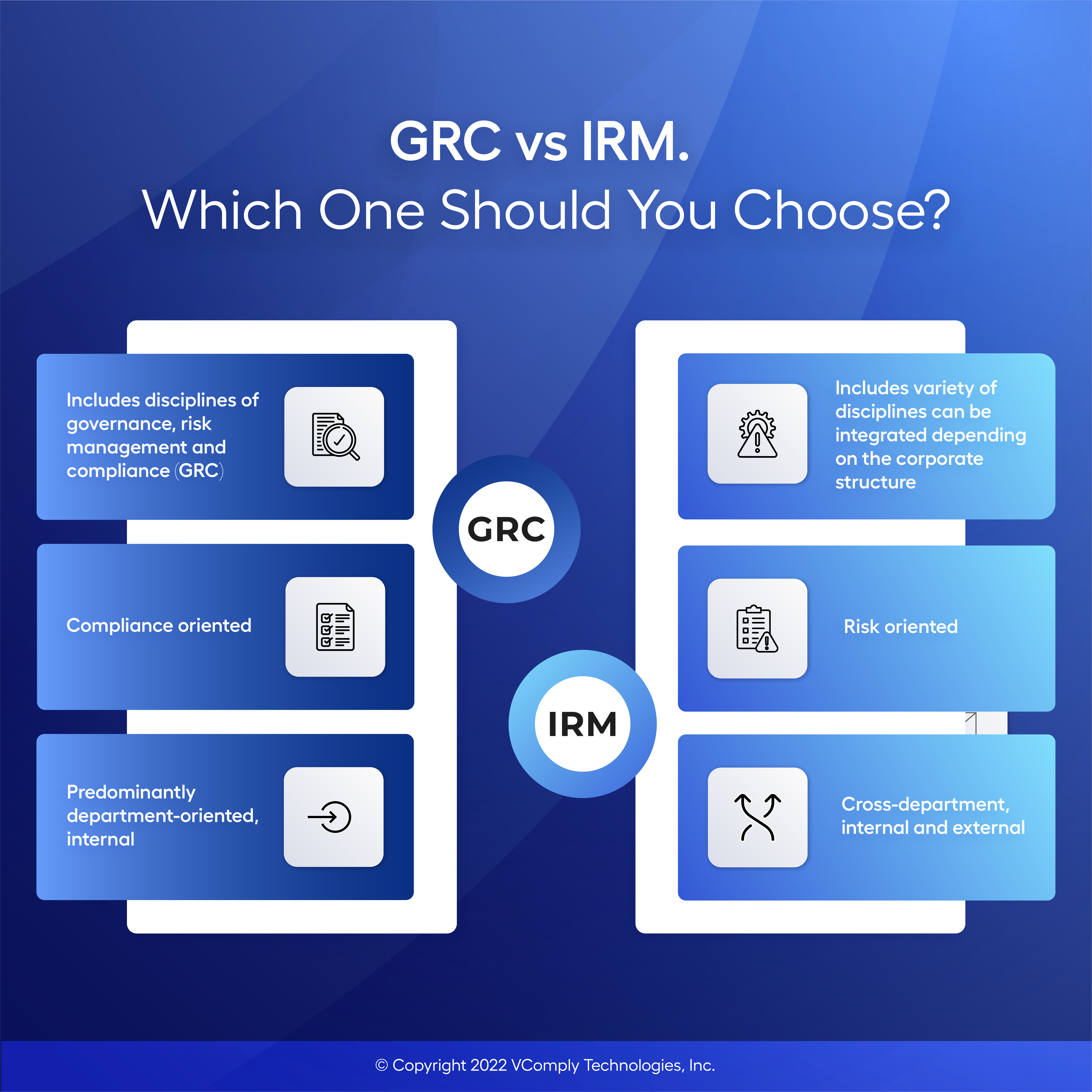
This is where Information Rights Management (IRM) enters the conversation. IRM is not just a security tool; it is a specialized subset of digital rights management (DRM) designed to protect sensitive information from unauthorized access, regardless of where that information resides. By embedding security directly into the file itself, IRM ensures that protection remains persistent, whether the data is at rest, in transit, or actively in use.
Understanding Information Rights Management (IRM)
To understand IRM, one must first recognize the fundamental vulnerability of standard file sharing. Typically, once a file is sent to a recipient, the sender loses all control over it. The recipient can copy the text, forward the email, print the document, or upload it to a public server. IRM solves this by attaching a security policy to the document’s metadata.
Definition and Core Principles
Information Rights Management is a technology that uses encryption and specific usage rules to protect sensitive documents, such as emails, spreadsheets, and presentations. Unlike standard encryption, which only secures data while it travels from point A to point B, IRM is “persistent.” The security travels with the file. If an IRM-protected PDF is moved from a secure server to an unsecured USB drive, it remains encrypted. To open it, the user must authenticate their identity, and the IRM server must grant permission based on the current policy.
The core principles of IRM revolve around the “Least Privilege” model. It ensures that users have only the minimum level of access required to perform their jobs. For instance, a financial analyst might be able to view a budget report but be restricted from printing it or taking a screenshot.
The Difference Between IRM and DRM
While the terms are often used interchangeably, there is a distinct technical and functional difference. Digital Rights Management (DRM) is a broad term usually associated with the consumer media industry—think of the technology that prevents you from sharing a movie from a streaming service or an e-book from a digital store. Its primary goal is to prevent copyright infringement and digital piracy.
IRM, on the other hand, is enterprise-focused. It deals with corporate intellectual property, such as legal contracts, R&D blueprints, and HR records. While DRM protects “content” for mass consumption, IRM protects “information” for organizational integrity. IRM is more granular, allowing administrators to revoke access to a single document even after it has been downloaded by a user.
How IRM Protects Sensitive Digital Assets
The technical mechanics of IRM are what make it an essential component of a robust “Tech” stack. It operates through a combination of public-key cryptography and centralized policy management.
Encryption and Persistent Access Control
When a document is protected by IRM, it is encrypted at the file level. A “license” is then associated with that file. When a user attempts to open the file, the IRM-aware application (such as Microsoft Word or Adobe Acrobat) sends a request to a licensing server. The server verifies the user’s identity through an Identity Provider (IdP) and checks the access control list (ACL).
If the user is authorized, the server issues a temporary decryption key and a set of “usage rights.” This process happens seamlessly in the background, but the security it provides is immense. Even if a hacker manages to steal the file, they cannot view its contents without the corresponding cryptographic key and authenticated credentials.
Dynamic Policy Enforcement
One of the most powerful features of IRM is the ability to enforce policies dynamically. Traditional security is static; once a file is “unlocked,” it stays unlocked. IRM allows for “time-bombing” and “remote shredding.”
- Time-bombing: An administrator can set an expiration date on a document. After a specific project ends, the document becomes inaccessible to all external consultants, even if the files are still on their hard drives.
- Remote Shredding: If an employee leaves the company or a device is stolen, the administrator can revoke the “keys” to all IRM-protected documents globally. The files remain where they are, but they effectively become useless digital noise.
Auditing and Tracking Capabilities
In the realm of digital security, visibility is as important as protection. IRM provides a comprehensive audit trail. Administrators can see who opened a document, when they opened it, what device they used, and whether they attempted to perform unauthorized actions (like printing). This telemetry is invaluable for forensic investigations and for ensuring that sensitive data is being handled according to company policy.

The Strategic Role of IRM in Modern Cybersecurity
As the “Tech” landscape evolves, IRM is no longer a luxury for high-security government agencies; it is a necessity for any business operating in a digital-first economy.
Supporting Remote Work and Cloud Collaboration
The shift to remote work has expanded the attack surface for most companies. Employees are now accessing corporate data via home Wi-Fi and personal tablets. IRM facilitates “Zero Trust” security by assuming that the network is always compromised. By securing the data itself, rather than the network perimeter, IRM allows teams to collaborate freely on platforms like Slack, Microsoft Teams, and Dropbox without the fear that a shared link might end up in the wrong hands.
Compliance with Global Data Privacy Regulations
The regulatory environment is becoming increasingly stringent. With the rise of the General Data Protection Regulation (GDPR) in Europe, the California Consumer Privacy Act (CCPA), and HIPAA in healthcare, companies face massive fines for data leaks.
IRM helps organizations meet “Privacy by Design” requirements. Because IRM provides granular control over who sees Personal Identifiable Information (PII), it serves as a powerful defense against accidental disclosure. Many regulations require companies to prove they have “adequate technical measures” to protect data; IRM is often cited as a gold standard for such measures.
Preventing Insider Threats and Data Leaks
Not all data breaches are the result of external hackers. Often, data leaks occur because of “shadow IT” or disgruntled employees. An employee might download a list of clients before moving to a competitor. Without IRM, that data is gone. With IRM, the company can disable the employee’s account, and those downloaded files will fail to authenticate the next time they are opened.
Implementing IRM: Best Practices and Tool Selection
Successfully deploying IRM requires a balance between rigorous security and user productivity. If the IRM solution is too cumbersome, users will find “workarounds” that compromise security.
Identifying Critical Data Sets
The first step in any IRM strategy is data classification. Not every email needs to be IRM-protected. Applying high-level security to a lunch menu or a general company announcement creates unnecessary overhead. Organizations should focus on:
- Intellectual Property (IP) and Trade Secrets.
- Financial Statements and Mergers & Acquisitions (M&A) data.
- Legal and Compliance documentation.
- Customer PII and Health records.
Integrating IRM with Existing Software Ecosystems
For IRM to be effective, it must integrate with the tools employees already use. Most modern IRM solutions are built into major productivity suites. For example, Microsoft Purview Information Protection (formerly Azure Information Protection) integrates directly into the Office 365 ecosystem. This allows a user to “label” a document as “Confidential” directly from the ribbon in Word, automatically applying the necessary IRM policies.
Balancing Security with User Experience
The biggest hurdle to IRM adoption is “friction.” If a partner outside the organization cannot open a protected file because they don’t have the right software or credentials, the workflow breaks. Modern IRM solutions solve this by using web-based viewers. If an external recipient receives an IRM-protected file, they can be directed to a secure web portal where they authenticate via a one-time passcode (OTP) or social login, allowing them to view the document without installing specialized software.
The Future of IRM and Emerging Tech Trends
As we look toward the future of digital security, IRM is evolving to become more intelligent and automated.
AI-Driven Automated Classification
The manual labeling of documents is prone to human error. The next generation of IRM uses Artificial Intelligence (AI) and Machine Learning (ML) to scan documents in real-time. If an employee types a credit card number or a social security number into a document, the AI can automatically apply an IRM “Restricted” tag, preventing the file from being sent to an external address. This proactive approach significantly reduces the risk of accidental data exposure.
Zero Trust Architecture and IRM
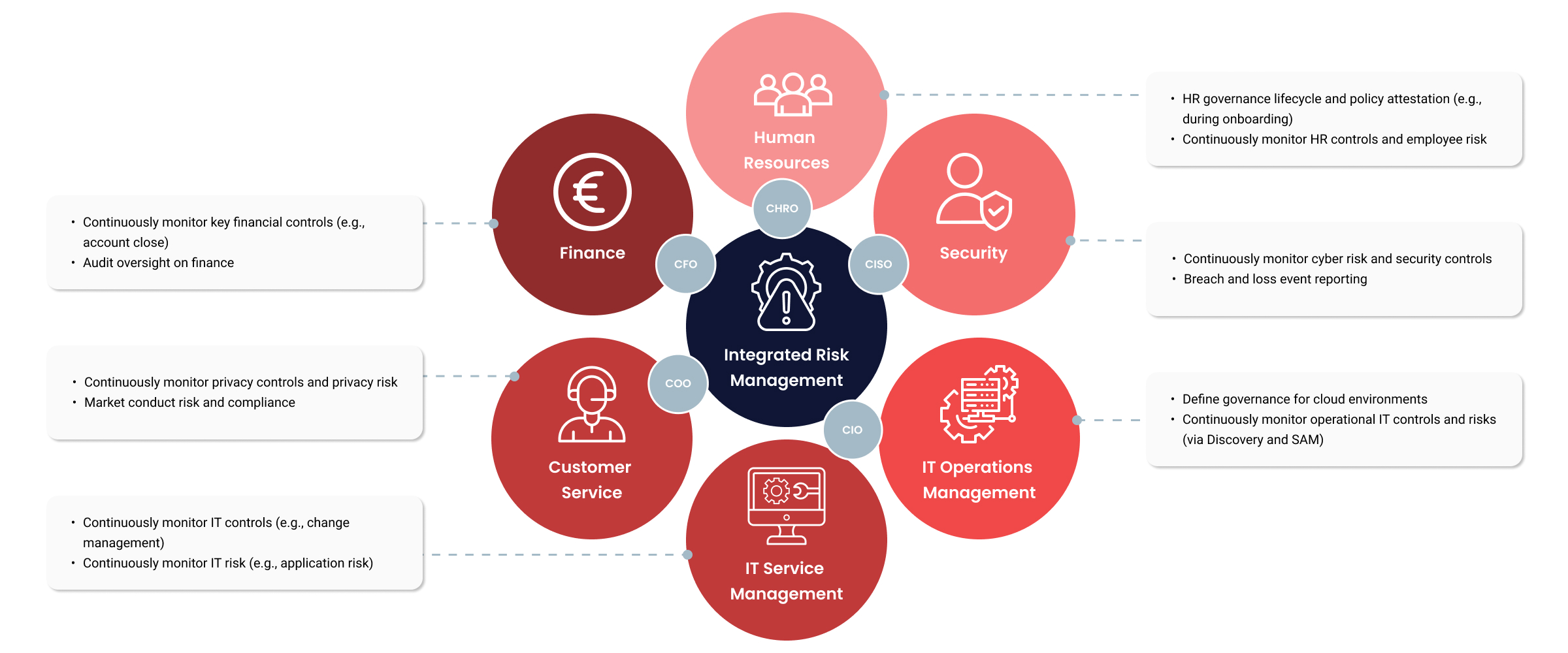
The industry is moving toward a “Zero Trust” architecture, where “never trust, always verify” is the mantra. IRM is a perfect fit for this philosophy. In a Zero Trust environment, identity is the new perimeter. IRM ensures that even if a user is inside the network, their identity must be continuously verified against the specific rights of the document they are trying to access.
In conclusion, Information Rights Management is the ultimate safeguard for digital assets in a hyper-connected world. By shifting the focus from “securing the container” to “securing the content,” IRM provides a level of control and visibility that traditional security measures simply cannot match. For any organization looking to protect its intellectual property and maintain regulatory compliance, understanding and implementing IRM is not just a technical choice—it is a strategic imperative.
aViewFromTheCave is a participant in the Amazon Services LLC Associates Program, an affiliate advertising program designed to provide a means for sites to earn advertising fees by advertising and linking to Amazon.com. Amazon, the Amazon logo, AmazonSupply, and the AmazonSupply logo are trademarks of Amazon.com, Inc. or its affiliates. As an Amazon Associate we earn affiliate commissions from qualifying purchases.