
Major League Soccer (MLS) stands as a testament to the surging popularity of soccer in North America. For many, the simple question, “How many teams are in the MLS?” is an entry point into understanding the league’s scale, reach, and ambitious growth trajectory. As of the start of the 2024 season, Major League Soccer comprises 29 teams, with plans for further expansion firmly on the horizon. This isn’t just a numerical fact; it’s a dynamic indicator of a deliberate and highly successful brand strategy that has transformed MLS from a fledgling league into a vibrant, competitive, and culturally significant entity.
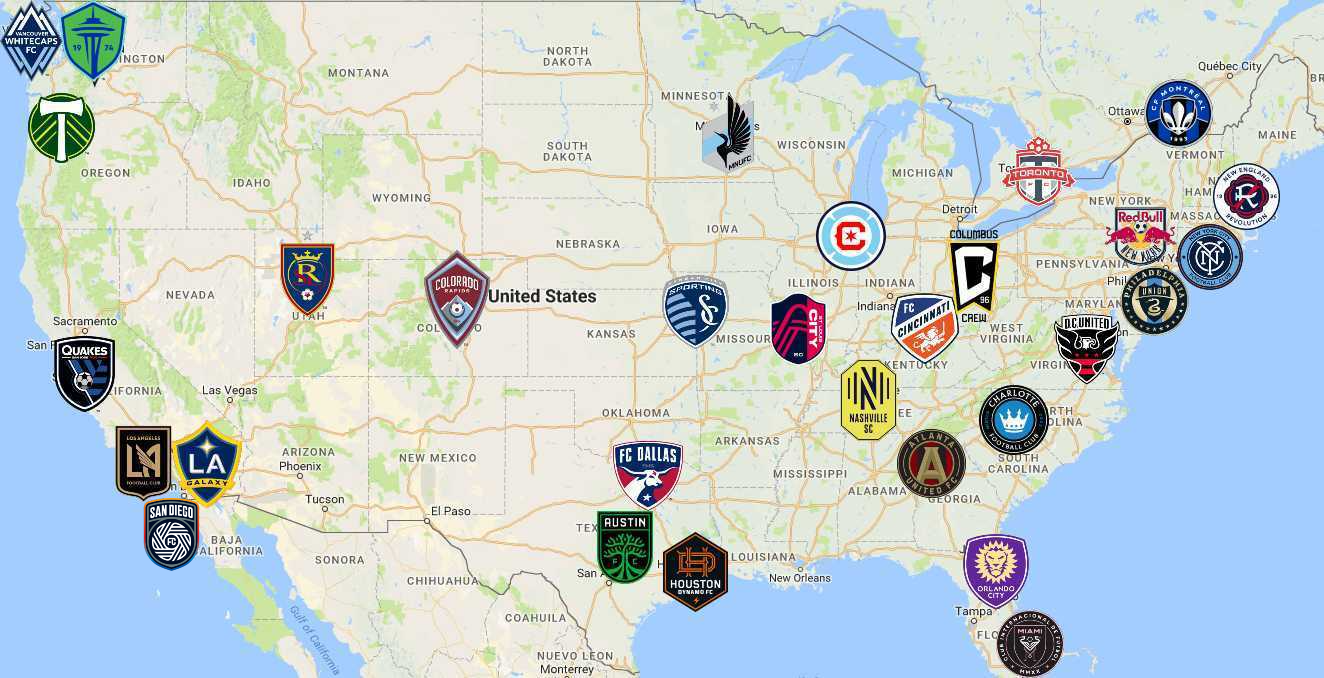
The journey to 29 teams reflects a meticulous approach to brand building, market penetration, and corporate identity development. Each new franchise represents not merely an additional competitor, but a new market segment, a fresh wave of fan engagement, and a strategic anchor in a burgeoning sports landscape. This article will delve into the strategic implications of MLS team expansion, exploring how the evolving number of teams directly influences the league’s brand identity, marketing efforts, and overall positioning within the global sports arena.
The Evolving Landscape: MLS Team Count and Strategic Geographic Reach
The growth of Major League Soccer has been one of the most compelling narratives in North American sports branding over the past two decades. From its modest beginnings in 1996 with just 10 teams, the league has systematically and strategically expanded its footprint, demonstrating a clear vision for market dominance and brand omnipresence. The current count of 29 teams is not an arbitrary figure but the result of carefully considered brand expansion initiatives designed to capitalize on demographic shifts, burgeoning soccer interest, and untapped commercial opportunities.
The Strategic Roster: Tracking the Growth of MLS Franchises
The phased introduction of new teams has been a cornerstone of MLS’s brand strategy. Each expansion slot is awarded after a rigorous evaluation process that assesses market potential, ownership group stability, stadium plans, and community engagement. This selective approach ensures that each new franchise is a strong addition, capable of upholding and enhancing the overall MLS brand image. For instance, the recent additions of teams like Austin FC and St. Louis City SC were not just about adding another city to the map; they were about strategically planting the MLS flag in passionate soccer markets that promised robust fan bases and strong local brand identities. This careful curation of new teams minimizes risk and maximizes the potential for brand success in each new territory. The expansion process itself generates significant media attention, serving as a powerful marketing tool that keeps the MLS brand in the public consciousness, even between seasons. It signals dynamism, ambition, and a league that is constantly evolving and growing.
Geographic Expansion: Cultivating New Markets for the MLS Brand
The decision to expand beyond traditional soccer strongholds has been pivotal for the MLS brand. By venturing into diverse geographic locations across the United States and Canada, the league has effectively broadened its appeal and diversified its fan base. This isn’t just about adding more viewers; it’s about building a national, and indeed international, brand presence. Each new city brings with it a unique cultural context, allowing the MLS brand to be localized and embraced by different communities. For example, expanding into the Pacific Northwest (Seattle, Portland, Vancouver) or the Southeast (Atlanta, Orlando, Charlotte) has allowed the league to tap into distinct regional identities, fostering passionate rivalries and creating deeply embedded local brands that contribute to the overarching MLS corporate identity. This geographic diversification is a masterclass in brand segmentation, ensuring that the MLS message resonates with a wide array of demographics, from traditional sports fans to new, younger audiences passionate about global soccer culture.
Brand Strategy Through Expansion: Why More Teams Matter for MLS
The strategic decision to continuously expand the number of teams goes far beyond simply adding games to a schedule. It is a fundamental pillar of the MLS brand strategy, designed to achieve several critical objectives that strengthen the league’s identity, market position, and commercial viability. More teams translate directly into increased brand visibility, enhanced fan engagement, and a more robust ecosystem for growth and investment.
Deepening Market Penetration and Fan Engagement
Every new MLS team represents a fresh opportunity for the league to deepen its market penetration. When a city gains an MLS franchise, it inherently generates a significant surge in local interest in the sport and the league. This is not merely about attracting existing soccer fans; it’s about converting new demographics into loyal supporters. The presence of a local team creates a tangible connection to the global sport, offering local heroes, hometown narratives, and community pride. This localized presence allows the MLS brand to resonate on a more personal level, fostering intense fan engagement through local rivalries, community outreach programs, and tailored marketing efforts. The collective impact of these individual market penetrations is a strengthened national brand, built upon a foundation of fervent local loyalties. The “home team” phenomenon is a powerful branding tool, and MLS is leveraging it to its fullest potential.
Strengthening the MLS Brand Identity Nationally and Internationally
A growing number of teams intrinsically strengthens the overall MLS brand identity. Domestically, more teams mean more media coverage, more discussions, and a greater presence in the national sports consciousness. It elevates MLS from a niche league to a prominent player in the North American sports landscape, competing for attention alongside established giants like the NFL, NBA, and MLB. Internationally, the expansion of MLS signals a league of ambition and growing stature. As more teams join, and the quality of play continues to improve, MLS positions itself as a serious destination for global talent and a recognized entity in the worldwide soccer ecosystem. This global recognition is vital for the MLS brand, attracting international viewership, fostering partnerships, and solidifying its reputation as a significant contributor to the sport’s global narrative. The collective brand power of 29 (and soon more) diverse teams creates a far more compelling and recognizable corporate identity than a smaller, more concentrated league.
Attracting Investment and Media Partnerships
The consistent growth in team numbers is a powerful magnet for investment and media partnerships, crucial components of any successful brand strategy. Each expansion fee represents a substantial financial injection into the league, indicating confidence from ownership groups in the MLS brand’s long-term viability and growth potential. Furthermore, a larger league with a broader geographic reach and deeper market penetration offers a more attractive proposition for media rights holders and corporate sponsors. More teams mean more games, more content, and more diverse audiences to target. This expands advertising opportunities, justifies higher broadcasting fees, and allows the league to forge more lucrative partnerships. These investments, in turn, enable the league to further enhance player development, improve infrastructure, and elevate the overall fan experience, creating a virtuous cycle that continually strengthens the MLS brand’ and its financial health. The league’s ability to consistently attract new investors and maintain valuable media deals is a direct reflection of its robust expansion-driven brand strategy.
The Brand Impact of Team Identity and Local Market Resonance
While the MLS brand is a unified corporate entity, its strength is profoundly amplified by the individual brand identities of its constituent teams. The league’s expansion strategy inherently recognizes the power of local resonance, fostering unique team brands that contribute to the collective identity of Major League Soccer while simultaneously captivating their respective fan bases. This delicate balance between overarching league brand and distinct team brands is a hallmark of successful sports branding.
Crafting Unique Team Brands Within the League Ecosystem
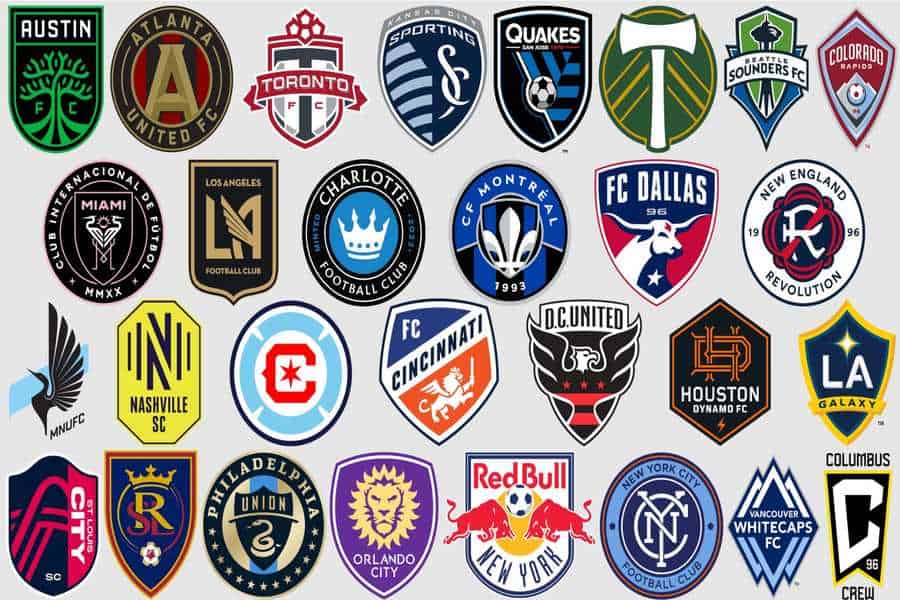
Each MLS team is a brand in its own right, meticulously crafted with distinct colors, crests, mascots, and narratives. From the vibrant, community-focused brand of Atlanta United FC to the historic, established identity of the LA Galaxy, these individual brands are not merely arbitrary designs; they are strategic assets. They are designed to evoke local pride, historical connections, and cultural relevance, allowing fans to form deep emotional bonds. The league actively encourages these unique identities, understanding that a rich tapestry of diverse team brands makes the overall MLS brand more engaging and dynamic. This internal competition in branding—where each team strives to be the most compelling in its market—ultimately elevates the quality and vibrancy of the entire league’s brand output. The distinct storylines, rivalries, and fan cultures stemming from these unique team brands are invaluable content for marketing the entire MLS ecosystem.
From Local Loyalty to National Brand Cohesion
The strength of individual team brands directly translates into the strength of the national MLS brand. When fans develop fierce loyalty to their local team, they inherently become more invested in the league as a whole. They follow other teams, understand the league standings, and engage with national broadcasts. This organic growth of national brand cohesion, built on a foundation of local allegiance, is a powerful effect of the expansion strategy. The MLS brand benefits from the collective passion generated by its diverse teams. It creates a sense of belonging for fans, knowing their team is part of a larger, growing, and exciting national story. The narrative of “our team in our city” directly feeds into the broader narrative of “our league in North America,” fostering a strong, unified corporate identity that is still rich in local flavor.
Stadiums and Fan Culture: Pillars of the Local Brand Experience
Modern stadiums are more than just venues; they are monumental brand statements. The MLS has prioritized the development of soccer-specific stadiums, which serve as physical embodiments of team brands and central hubs for fan culture. These stadiums, often located in urban cores, become iconic landmarks for their respective cities, cementing the team’s identity within the urban fabric. The fan culture cultivated within these venues, characterized by supporter groups, chants, and elaborate tifos, creates an immersive and unforgettable brand experience. This vibrant atmosphere, often showcased in league-wide marketing, reinforces the MLS brand as one of passion, community, and excitement. The investment in these physical spaces and the nurturing of a unique fan culture are critical elements in ensuring that each team’s local brand is robust and compelling, ultimately contributing to the overall strength and allure of the MLS corporate identity.
Managing Growth: Challenges and Opportunities for the MLS Brand
While expansion has been a resounding success for the MLS brand, continuous growth also presents unique challenges that require astute brand management. Balancing rapid expansion with maintaining brand quality, consistency, and competitive integrity is a delicate act. However, these challenges also open new opportunities for the league to further solidify its market position and brand leadership.
Maintaining Brand Consistency Across a Growing League
A primary challenge with rapid expansion is ensuring brand consistency. As more teams join, each with its own local identity and marketing efforts, the league must work diligently to ensure that the overarching MLS brand message remains coherent and strong. This involves developing clear brand guidelines, fostering communication between the league office and individual franchises, and ensuring that all teams uphold the core values and standards associated with Major League Soccer. From digital content to broadcast graphics, and from merchandise to fan engagement initiatives, maintaining a consistent professional image across 29 (and more) distinct entities is crucial to prevent brand dilution and ensure that the MLS corporate identity remains premium and recognizable. This calls for strong central governance and a collaborative approach with individual team ownership groups.
Balancing Competition and Collaboration Among Franchises
Another delicate balancing act for the MLS brand is managing the inherent tension between competition and collaboration among its franchises. While on-field rivalry fuels fan engagement and media interest, a successful league brand also requires a spirit of collective effort. Teams must collaborate on league-wide marketing initiatives, uphold player salary cap structures, and contribute to shared revenue streams. The league brand thrives when individual teams see their success intertwined with the success of the overall entity. Fostering this balance—where teams compete fiercely but also contribute to the collective good of the MLS brand—is a continuous management challenge. Successful navigation of this challenge ensures that the league remains competitive and exciting, while also maintaining a unified front in the broader sports entertainment market.
The Future Vision: Strategic Expansion as a Brand Imperative
Looking ahead, strategic expansion remains a core imperative for the MLS brand. The league has openly stated its intention to grow further, potentially reaching 30 or more teams. This ongoing commitment to expansion is a powerful brand statement in itself – signaling ambition, confidence, and a continuous pursuit of broader market reach. Each new city and team offers not just an economic benefit, but a fresh narrative, new rivalries, and an opportunity to introduce the sport to new generations of fans. The continued growth ensures that the MLS brand remains dynamic, relevant, and forward-thinking, preventing stagnation and ensuring its position as a leading sports brand in North America. The question of “how many teams” will always be fluid, a testament to a brand that is perpetually evolving and strengthening its footprint.
aViewFromTheCave is a participant in the Amazon Services LLC Associates Program, an affiliate advertising program designed to provide a means for sites to earn advertising fees by advertising and linking to Amazon.com. Amazon, the Amazon logo, AmazonSupply, and the AmazonSupply logo are trademarks of Amazon.com, Inc. or its affiliates. As an Amazon Associate we earn affiliate commissions from qualifying purchases.