
When you hold an iPhone in your hand, you’re not just holding a communication device; you’re holding a marvel of modern engineering and global manufacturing. The question “What is an iPhone made out of?” delves far beyond the obvious smooth glass screen and sleek metal frame. It’s a journey that touches upon advanced materials science, intricate supply chains, and the very essence of brand identity that Apple has cultivated. To truly understand the composition of an iPhone, we need to explore its constituent parts through the lenses of Tech, Brand, and Money.
The Technological Tapestry: From Silicon to Circuits
At its core, an iPhone is a sophisticated piece of technology, and its construction reflects this. The materials used are not chosen by chance; they are selected for their performance, durability, and the specific technological functions they enable.
The Heart of the Machine: Semiconductors and Rare Earth Elements
The most critical component, the brain of the iPhone, is its System on a Chip (SoC), such as Apple’s A-series or M-series chips. These are built upon incredibly complex semiconductor materials, primarily silicon. Silicon is abundant in sand and is purified to an extremely high degree to create wafers upon which intricate circuits are etched. This process is at the forefront of Tech, requiring specialized factories and advanced lithography techniques.
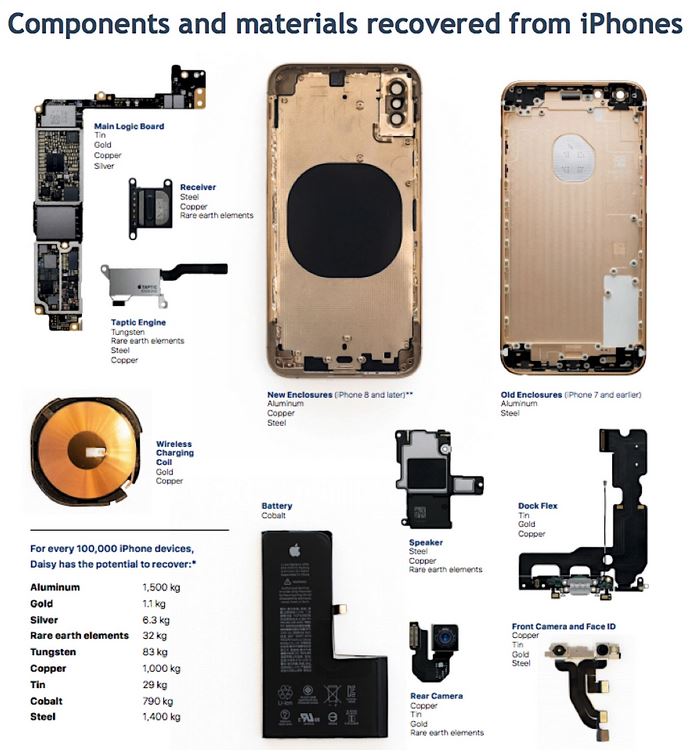
Beyond silicon, these chips, along with other electronic components like memory modules and sensors, rely on a range of rare earth elements. These elements, such as neodymium, praseodymium, and dysprosium, are crucial for creating powerful magnets within the speakers, haptic feedback engines, and even for the vibrant colors displayed on the screen. The extraction and refinement of these elements are complex and often raise significant environmental and geopolitical concerns, making their responsible sourcing a key challenge in the Tech industry.
The Display: A Window of Advanced Materials
The iPhone’s iconic display is another area where material science shines. The cover glass, famously resilient, is typically made from Ion-X glass or Ceramic Shield, a proprietary material developed by Apple. This involves a dual-ion exchange process that creates a harder, more scratch-resistant surface. Beneath the glass lies the display panel itself, often utilizing OLED (Organic Light-Emitting Diode) technology. OLEDs are composed of organic compounds that emit light when an electric current is applied, offering superior contrast, color accuracy, and energy efficiency compared to older LCD technologies. The production of these organic compounds and the precise layering required for OLEDs are highly specialized Tech processes.
The Body: A Symphony of Metals and Polymers
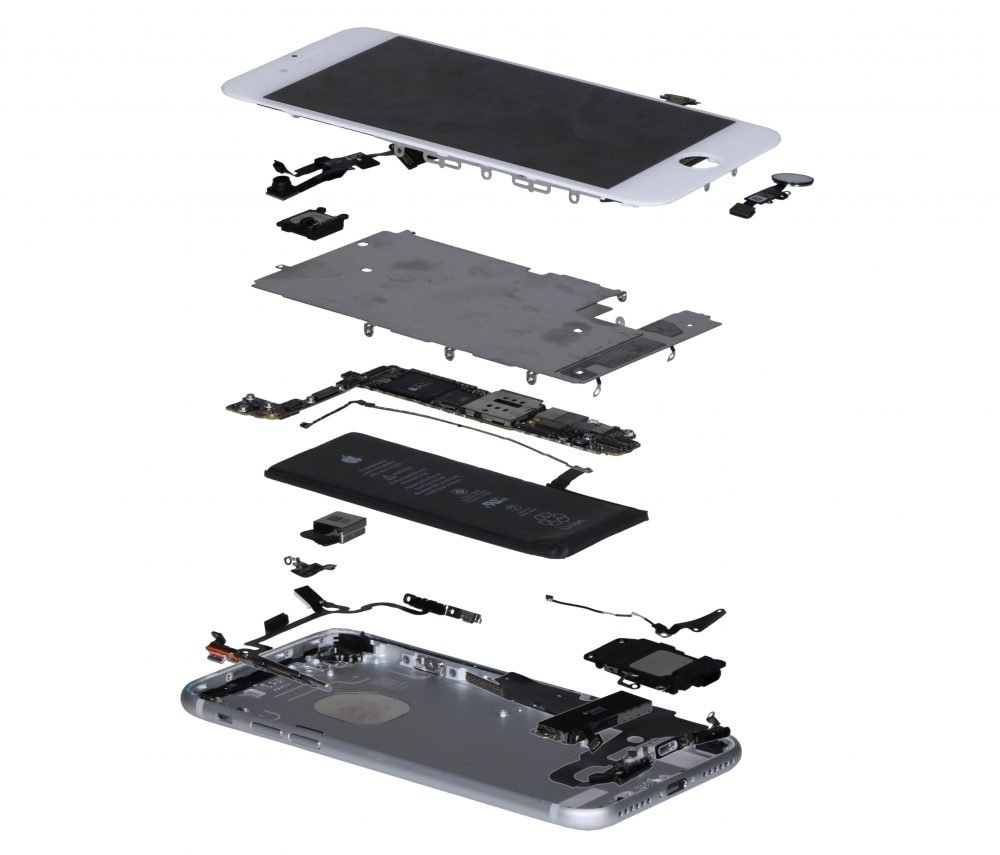
The chassis of the iPhone is often constructed from aerospace-grade aluminum or, in higher-end models, stainless steel. These metals are chosen for their strength-to-weight ratio and their ability to be precisely machined into the sleek designs Apple is known for. Aluminum is anodized to create a durable, colored finish, while stainless steel offers a premium feel and enhanced scratch resistance.
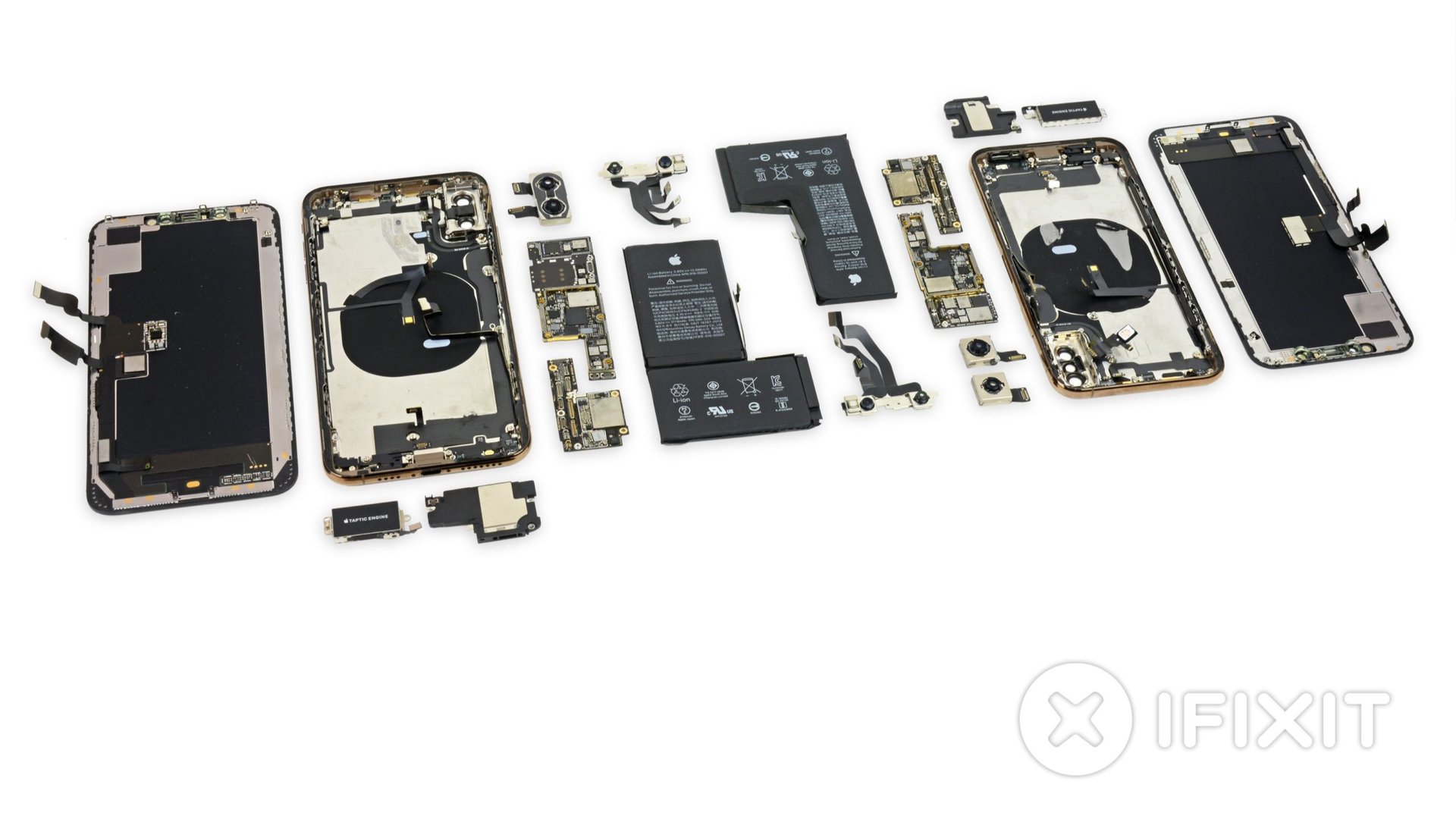
Internally, you’ll find a complex network of printed circuit boards (PCBs) made from fiberglass-reinforced epoxy resin, a composite material that provides electrical insulation and structural support. These boards are populated with countless tiny electronic components, each made from a variety of metals, including copper for conductivity, gold for its corrosion resistance in connectors, and tin for solder. The intricate assembly and miniaturization of these components represent a significant feat of Tech engineering.
Battery Technology: The Power Source
The iPhone’s battery is a crucial component, typically made using lithium-ion technology. These batteries consist of a cathode (often a lithium metal oxide), an anode (typically graphite), an electrolyte (a lithium salt dissolved in an organic solvent), and a separator. The ongoing research and development in Tech are constantly striving to improve battery density, charging speed, and longevity, pushing the boundaries of material science in this critical area.
The Brand’s Blueprint: Design, Identity, and Consumer Perception
The materials an iPhone is made out of are intrinsically linked to Apple’s Brand strategy. The choice of materials isn’t just about functionality; it’s about conveying a message of quality, innovation, and premium appeal.
The Tactile Experience: Premium Feel and Durability
The smooth, cool feel of an aluminum or stainless steel body, combined with the seamless integration of glass, creates a distinct tactile experience that has become synonymous with the Apple brand. This attention to detail in material selection contributes significantly to the perception of the iPhone as a high-quality, premium product. It’s not just about how it looks, but how it feels in your hand, reinforcing the Brand‘s commitment to user experience.
The Aesthetics of Innovation: Sleekness and Minimalism
Apple’s design philosophy is rooted in minimalism and sleekness. The materials chosen are those that can be precisely molded, polished, and finished to achieve these aesthetic goals. The absence of visible screws in many of its designs, for example, is a testament to the sophisticated manufacturing processes and the materials that allow for such seamless construction. This visual language reinforces the Brand‘s image as innovative and forward-thinking.
The Story of Sustainability: A Brand Imperative
In recent years, Apple has increasingly focused on the sustainability of its products, and this directly impacts the materials used. The company highlights its efforts to use recycled materials, such as recycled aluminum, rare earth elements, and cobalt, in its iPhones. This is not just an environmental consideration; it’s a critical aspect of modern Brand strategy, appealing to a growing segment of consumers who prioritize ethical and sustainable consumption. The Brand narrative around recycled materials positions Apple as a responsible corporate citizen, enhancing its reputation.
The Financial Foundation: Costs, Supply Chains, and Economic Impact
The question of what an iPhone is made out of also has a significant Money component. The cost of raw materials, the complexity of the supply chain, and the economic implications of manufacturing all play a vital role.
The Price of Precision: Material Costs and Manufacturing Expense
The advanced materials used in an iPhone, from high-purity silicon to specialized alloys and rare earth elements, are not inexpensive. The intricate manufacturing processes, which often occur in highly specialized and capital-intensive facilities, further add to the overall cost. The Money involved in R&D, material sourcing, and production is substantial, contributing to the premium price point of iPhones.
The Global Symphony of Supply Chains: Complexity and Risk
The assembly of an iPhone involves a vast and intricate global supply chain. Components are sourced from numerous suppliers across different countries, each specializing in specific technologies or materials. This global network is a marvel of logistics and business finance, but it also presents inherent risks, from geopolitical instability to natural disasters, which can impact production and pricing. Understanding these supply chains is crucial for comprehending the flow of money and the economic forces at play.
The Economic Ripple Effect: Jobs, Innovation, and Investment
The production of iPhones has a significant economic impact worldwide. It creates jobs in manufacturing, research and development, and logistics. The demand for specialized materials drives investment in mining and refining industries, albeit with associated environmental and social considerations. The continuous innovation in materials science and manufacturing techniques, fueled by the pursuit of better iPhones, also translates into broader advancements in Tech and other industries, creating a positive feedback loop for economic growth.
The Value Proposition: Brand Equity and Consumer Spending
Ultimately, the materials, technology, and design converge to create a product with immense brand equity. Consumers are willing to pay a premium for an iPhone not just for its functionality but for what it represents: innovation, quality, and a certain lifestyle. This willingness to spend is a testament to the success of Apple’s Brand strategy, which has effectively translated material composition and technological prowess into significant money generation. The personal finance decisions of millions of consumers globally are influenced by the perceived value of an iPhone.
In conclusion, the question “What is an iPhone made out of?” is a multifaceted one. It’s a story woven from the threads of advanced Tech, meticulously crafted Brand identity, and the complex economic realities of global Money. From the microscopic world of silicon to the macrocosm of global supply chains, each material and process contributes to the iconic device in your hand, a testament to human ingenuity and the interconnectedness of our modern world.
aViewFromTheCave is a participant in the Amazon Services LLC Associates Program, an affiliate advertising program designed to provide a means for sites to earn advertising fees by advertising and linking to Amazon.com. Amazon, the Amazon logo, AmazonSupply, and the AmazonSupply logo are trademarks of Amazon.com, Inc. or its affiliates. As an Amazon Associate we earn affiliate commissions from qualifying purchases.