
Fistulas, particularly those involving the colon, represent a complex medical challenge, often characterized by an abnormal connection between two organs or between an organ and the exterior of the body. While the direct definition of a fistula is purely medical, understanding its implications, diagnosis, and management increasingly relies on sophisticated technological advancements. This article will explore the nature of colonic fistulas through the lens of technological innovation, examining how cutting-edge tools and techniques are revolutionizing our ability to comprehend and combat these intricate conditions.
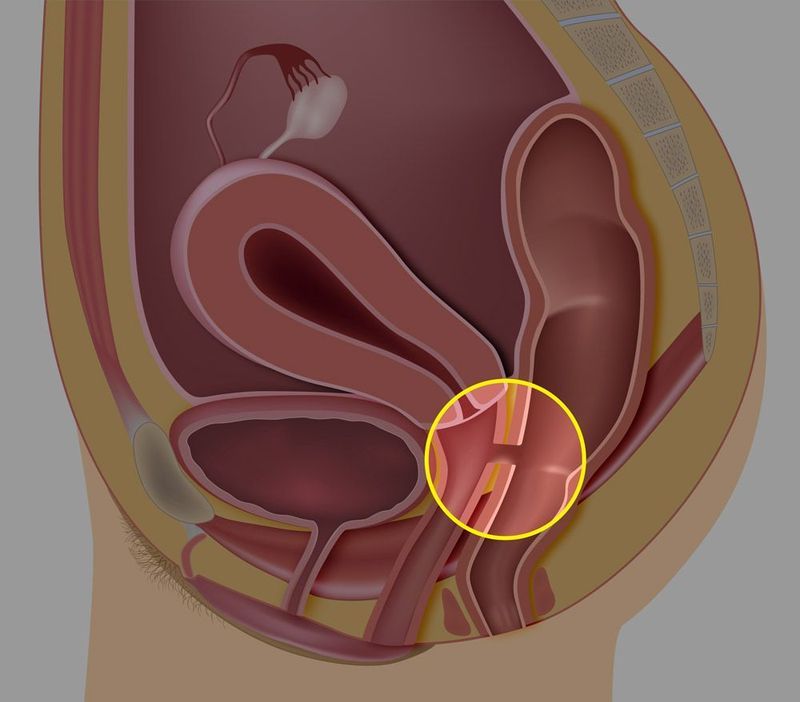
The Evolving Landscape of Colonic Fistula Detection
The precise identification and characterization of colonic fistulas are paramount for effective treatment. Historically, diagnosis relied on invasive procedures and subjective interpretations of symptoms. However, the advent of advanced imaging technologies has dramatically improved the accuracy, speed, and non-invasiveness of fistula detection. These technological leaps not only allow for better visualization of the anatomical anomaly but also provide crucial information regarding its size, location, extent, and relationship to surrounding structures, all of which are vital for surgical planning and therapeutic strategy.
High-Resolution Imaging Modalities
Modern diagnostic imaging has moved far beyond basic X-rays. For colonic fistulas, modalities such as Computed Tomography (CT) scans and Magnetic Resonance Imaging (MRI) have become indispensable. CT scans, particularly with the use of intravenous and oral contrast agents, can effectively highlight inflammatory changes and delineate the tract of the fistula. The development of multi-detector CT (MDCT) scanners allows for rapid acquisition of detailed, three-dimensional images, providing a comprehensive view of the affected area.
MRI offers superior soft-tissue contrast, making it particularly useful for assessing the extent of inflammation, identifying associated abscesses, and visualizing fistulas in complex anatomical regions, such as those involving the pelvic organs. Specialized MRI sequences, like diffusion-weighted imaging (DWI), can further enhance the detection of active inflammation and differentiate between healthy and pathological tissue.
Endoscopic Innovations
Endoscopy, a procedure involving the insertion of a flexible tube with a camera, has also seen significant technological evolution, offering direct visualization of the colon and potential points of fistula formation. Colonoscopy, the endoscopic examination of the colon, can often identify internal openings of fistulas, particularly those stemming from inflammatory bowel diseases like Crohn’s disease.
More advanced endoscopic techniques, such as Endoscopic Ultrasound (EUS), combine endoscopy with ultrasound imaging. This allows for a more detailed assessment of the fistula tract, its depth, and its relationship to surrounding structures, including the anal sphincters, which is crucial for surgical decision-making, especially in cases of perianal fistulas. EUS can also guide fine-needle aspiration for tissue sampling, aiding in the diagnosis of underlying causes like malignancy or infection.
Radioisotope Imaging
In select cases, radioisotope imaging, such as Indium-111 labeled white blood cell scans, can be employed. This technique helps to identify areas of active inflammation, which may correspond to the location of a fistula or an associated abscess, especially when other imaging modalities are inconclusive. The technology involves injecting the patient with tagged white blood cells that accumulate in areas of infection or inflammation, which are then detected by a specialized scanner.
Technological Frontiers in Colonic Fistula Treatment
The management of colonic fistulas has been profoundly impacted by technological advancements, moving from purely surgical interventions to minimally invasive techniques and novel therapeutic approaches. These innovations aim to improve treatment efficacy, reduce patient morbidity, and accelerate recovery times. The integration of robotic surgery, advanced imaging during procedures, and the development of biomaterials are continuously reshaping the treatment paradigm.
Minimally Invasive Surgical Techniques
Traditional open surgery for colonic fistulas can be extensive and associated with significant recovery periods. However, the rise of laparoscopic surgery has transformed this landscape. Laparoscopic techniques involve small incisions through which specialized instruments and a high-definition camera are inserted. This allows surgeons to operate with greater precision, visualize the operative field with magnified clarity, and achieve comparable outcomes to open surgery with reduced pain, shorter hospital stays, and faster return to normal activities.
The evolution of robotic-assisted surgery represents a further leap in minimally invasive capabilities. Robotic systems provide surgeons with enhanced dexterity, tremor filtration, and three-dimensional visualization, enabling more complex procedures to be performed with even greater precision. For challenging fistulas, particularly those involving the pelvis or intricate anatomical relationships, robotic surgery can offer superior control and access.
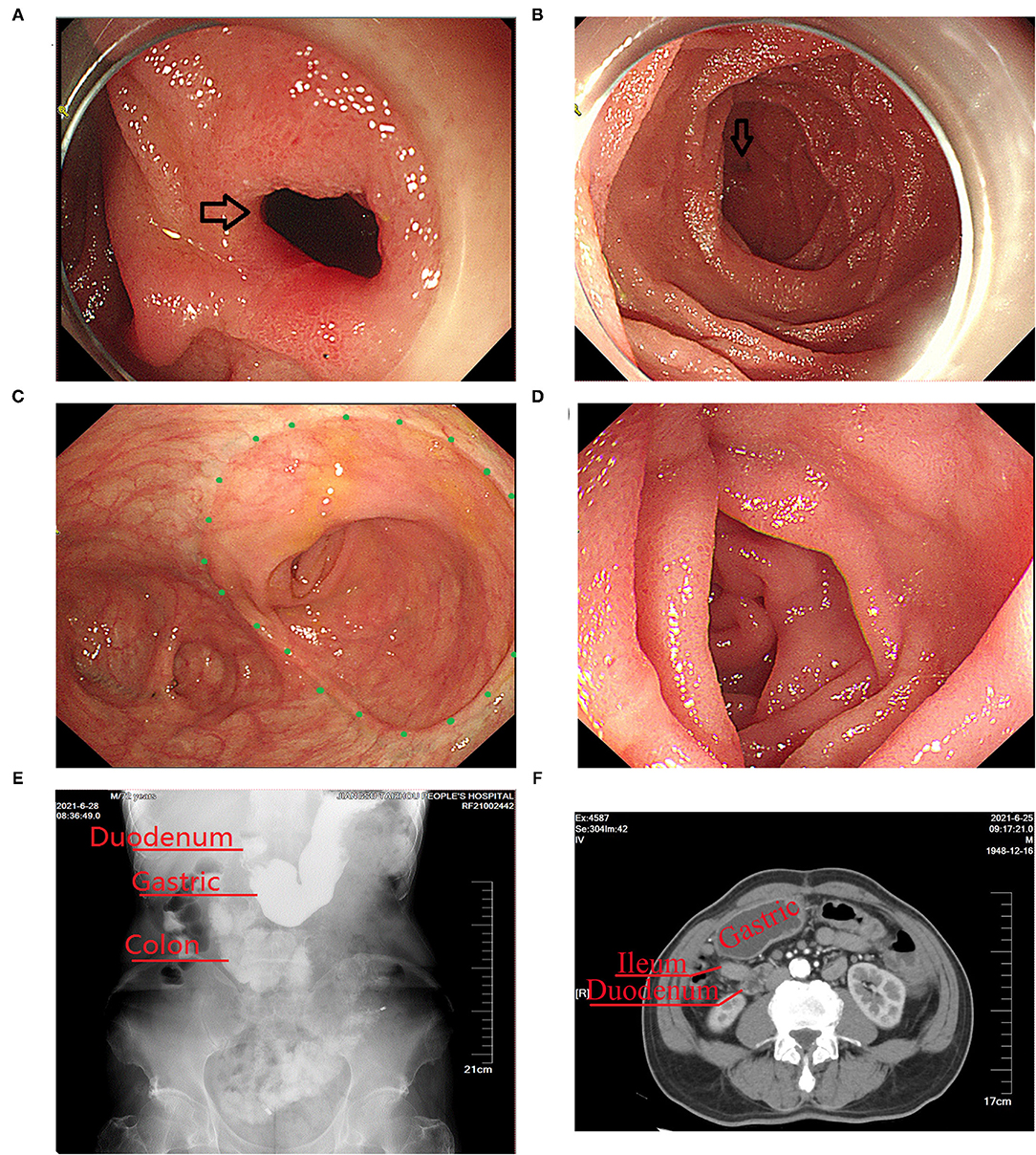
Advanced Endoscopic and Interventional Radiology Approaches
Beyond diagnostic capabilities, endoscopy and interventional radiology are increasingly used for the treatment of colonic fistulas. Techniques such as Endoscopic Vacuum-Assisted Closure (EVAC) are employed for complex perianal fistulas. In this method, a foam dressing is inserted into the fistula tract, and a vacuum device is connected to continuously remove exudate and promote granulation tissue formation, thereby facilitating healing.
Interventional radiologists utilize image-guided techniques to treat fistulas. This can involve percutaneous drainage of associated abscesses, which can significantly reduce inflammation and make subsequent definitive treatment more feasible. In some cases, they may also be able to occlude or seal fistula tracts using minimally invasive methods, guided by real-time imaging such as fluoroscopy or ultrasound.
Bio-engineered Materials and Novel Therapies
The development of advanced biomaterials and novel therapeutic agents is also playing a growing role in fistula management. Biologics, such as anti-tumor necrosis factor (TNF) agents, have become a cornerstone in the treatment of fistulas associated with inflammatory bowel disease. These medications target specific inflammatory pathways, helping to reduce inflammation and promote healing of the fistula tract.
Furthermore, research is ongoing into the use of stem cells and tissue engineering approaches to promote fistula closure. The idea is to harness the regenerative potential of these technologies to rebuild damaged tissues and seal abnormal connections. While still largely in the experimental stages for colonic fistulas, these advancements hold immense promise for future treatment strategies.
The Role of Digital Health and Data Analytics in Fistula Management
The increasing digitization of healthcare is extending its reach into the realm of chronic and complex conditions like colonic fistulas. Digital health tools and sophisticated data analytics are beginning to offer new avenues for monitoring, personalized treatment, and improved patient outcomes. This integration of technology allows for a more proactive and data-driven approach to managing these often-challenging medical issues.
Telemedicine and Remote Monitoring
For patients with chronic conditions like Crohn’s disease that frequently lead to fistulas, telemedicine and remote monitoring technologies can significantly enhance care. Through secure video consultations, patients can connect with their healthcare providers without the need for in-person visits, which is particularly beneficial for those living in remote areas or who have mobility issues.
Remote monitoring devices and patient-reported outcome measures (PROMs) submitted through apps can help healthcare teams track a patient’s symptoms, medication adherence, and overall well-being. This continuous stream of data allows for early detection of worsening symptoms or potential complications, enabling timely intervention and preventing the need for more aggressive treatments or hospitalizations. For individuals prone to fistula recurrence, this proactive approach can be invaluable.
Artificial Intelligence and Predictive Analytics
The vast amounts of data generated in healthcare are a fertile ground for the application of Artificial Intelligence (AI) and predictive analytics. In the context of colonic fistulas, AI algorithms are being developed to analyze medical images with greater speed and accuracy, potentially identifying subtle signs of fistula formation that might be missed by the human eye.
Furthermore, predictive models can analyze patient data, including genetic factors, lifestyle, and medical history, to identify individuals at higher risk of developing fistulas or experiencing recurrence. This allows for personalized preventative strategies and tailored treatment plans. AI can also assist in optimizing treatment protocols by analyzing the outcomes of large patient cohorts, identifying which interventions are most effective for specific types and severities of fistulas.
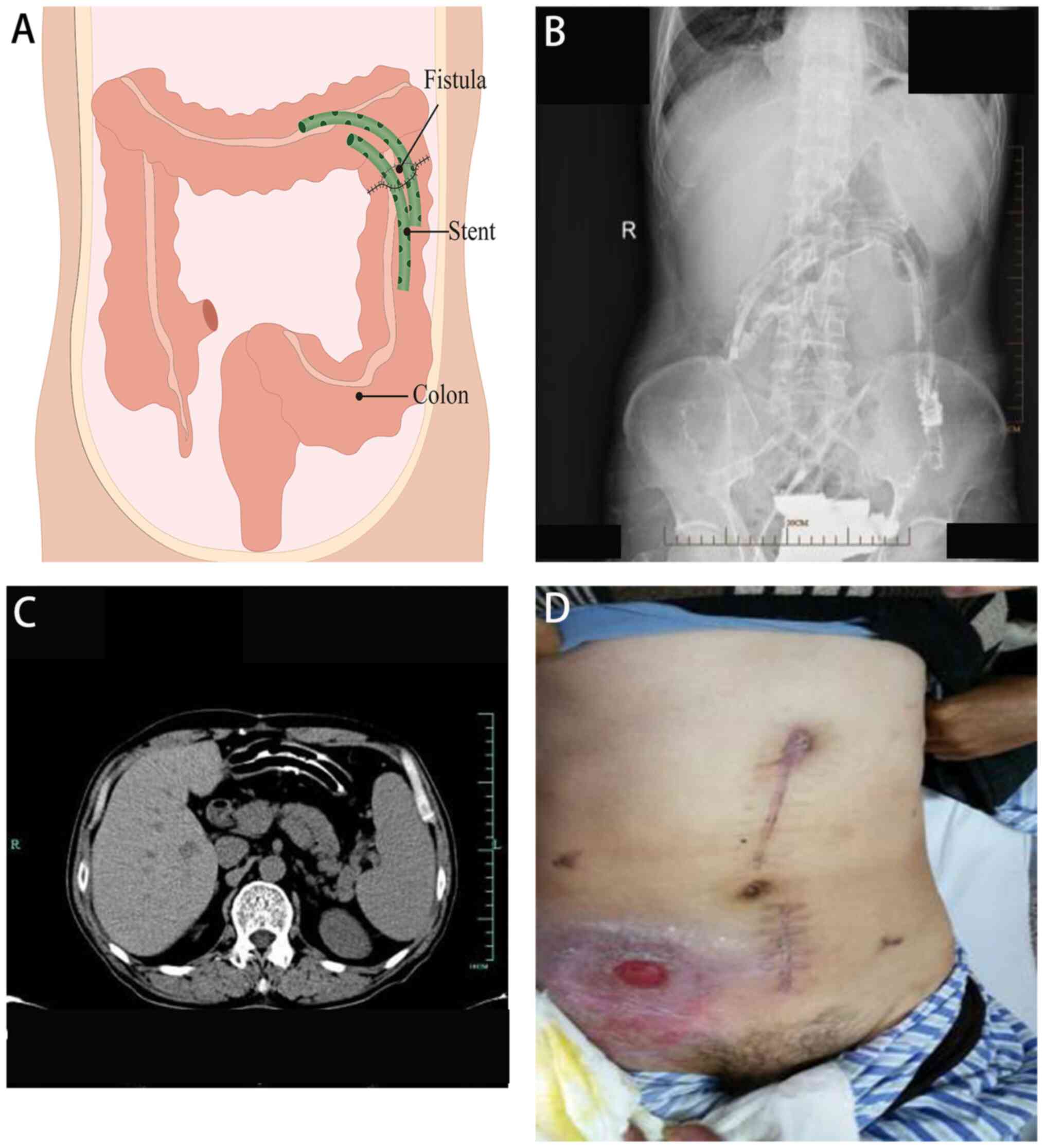
Electronic Health Records and Data Integration
The widespread adoption of Electronic Health Records (EHRs) has created a digital infrastructure for storing and accessing patient information. Effective integration of EHRs across different healthcare providers and institutions is crucial for comprehensive fistula management. This allows for a complete view of a patient’s medical history, including previous diagnoses, treatments, and imaging results, ensuring that all healthcare professionals involved in a patient’s care have access to the most up-to-date and relevant information. This seamless data flow is essential for coordinated care, especially when patients require the expertise of multiple specialists, such as gastroenterologists, surgeons, and radiologists.
In conclusion, while a fistula in the colon is fundamentally a medical concern, the way we understand, diagnose, and treat it is increasingly intertwined with technological advancements. From sophisticated imaging techniques that offer unprecedented visualization to minimally invasive surgical robots and the burgeoning field of AI in healthcare, technology is not just an aid but a transformative force in managing these complex conditions. The ongoing innovation in these technological frontiers promises a future where colonic fistulas can be detected earlier, treated more effectively, and managed with a greater focus on patient well-being and recovery.
aViewFromTheCave is a participant in the Amazon Services LLC Associates Program, an affiliate advertising program designed to provide a means for sites to earn advertising fees by advertising and linking to Amazon.com. Amazon, the Amazon logo, AmazonSupply, and the AmazonSupply logo are trademarks of Amazon.com, Inc. or its affiliates. As an Amazon Associate we earn affiliate commissions from qualifying purchases.