
Safety monitoring, in its modern technological incarnation, transcends simple human observation to become a sophisticated, multi-layered discipline powered by advanced digital systems. It encompasses the continuous and systematic process of collecting, analyzing, and interpreting data to detect potential hazards, prevent incidents, ensure compliance, and protect assets, individuals, and the environment. This intricate field is fundamentally driven by a convergence of sensor technologies, robust connectivity, artificial intelligence, and stringent digital security protocols, evolving rapidly to create more proactive, precise, and pervasive safety frameworks across virtually every sector.
The Foundation of Modern Safety Monitoring Systems
At its core, contemporary safety monitoring relies on an intricate ecosystem of hardware and software designed for unparalleled data acquisition and management. This foundational layer is critical for transforming raw environmental or operational parameters into actionable insights.
Data Collection and Sensor Technologies
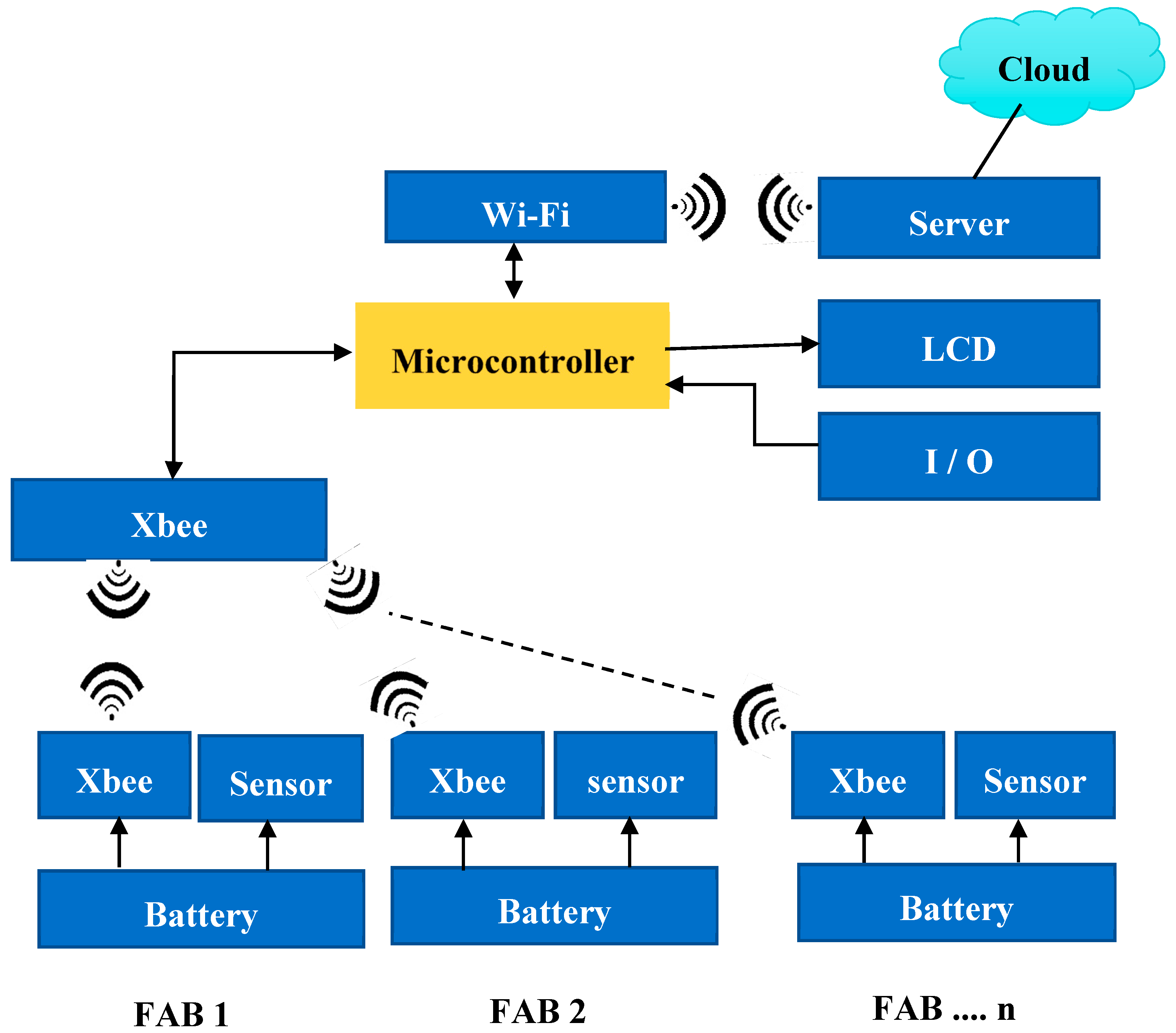
The primary input for any sophisticated safety monitoring system comes from a diverse array of sensors. These intelligent devices are the “eyes and ears” of the system, capable of detecting a multitude of physical, chemical, and environmental variables. Industrial settings commonly deploy sensors for temperature, pressure, vibration, gas leaks (e.g., methane, carbon monoxide), and particulate matter. Environmental monitoring often leverages sensors for air quality, water contamination, radiation levels, and seismic activity. In personal and public safety, motion sensors, proximity detectors, biometric scanners, and smart wearables (monitoring heart rate, falls, or location) are becoming ubiquitous. Optical sensors, including high-resolution cameras with advanced image capture capabilities, provide visual data, while acoustic sensors pick up unusual sounds indicative of machinery malfunction or distress. The sheer volume and variety of data collected by these interconnected sensors form the bedrock upon which all subsequent monitoring activities are built.
Connectivity and Communication Protocols
Once data is collected by sensors, it must be reliably transmitted to processing units for analysis. This demands robust and often redundant communication infrastructures. Various connectivity technologies are employed depending on the scale, environment, and real-time requirements. High-bandwidth options like 5G and Wi-Fi 6 facilitate rapid data transfer for applications requiring immediate feedback, such as real-time video surveillance or industrial automation. For remote or geographically dispersed deployments, cellular networks (4G/5G) and satellite communications provide essential links. Low-Power Wide-Area Networks (LPWANs) such as LoRaWAN and NB-IoT are ideal for transmitting small packets of data from battery-powered sensors over long distances, common in environmental or smart city safety applications. Alongside these physical connections, standardized communication protocols like MQTT (Message Queuing Telemetry Transport), CoAP (Constrained Application Protocol), and OPC UA (Open Platform Communications Unified Architecture) ensure seamless, secure, and efficient data exchange between disparate devices and platforms, particularly in Industrial IoT (IIoT) environments.
Centralized Data Management Platforms
The vast torrent of data generated by myriad sensors requires sophisticated platforms for ingestion, storage, processing, and retrieval. Centralized data management platforms, often cloud-based or hybrid cloud solutions, provide the necessary infrastructure. These platforms leverage scalable architectures, including distributed databases (e.g., NoSQL, time-series databases) and data lakes, to handle terabytes or even petabytes of structured and unstructured safety-related data. Data ingestion pipelines are engineered to process high-velocity data streams in real-time, while robust data warehousing capabilities ensure historical data is archived for long-term analysis, trend identification, and regulatory compliance. Effective data management is crucial for ensuring data integrity, accessibility, and the ability to perform complex analytics that drive predictive and prescriptive safety measures.
Leveraging AI and Advanced Analytics for Proactive Safety
The true power of modern safety monitoring is unlocked through the application of artificial intelligence (AI) and advanced analytics. These technologies move beyond mere data reporting to offer predictive capabilities, enabling proactive intervention rather than reactive response.
Predictive Analytics and Anomaly Detection
Machine learning (ML) algorithms are at the forefront of transforming safety monitoring from a reactive to a proactive discipline. By analyzing historical data patterns, these algorithms can learn what constitutes “normal” operation and identify subtle deviations or anomalies that may precede an incident. For instance, ML models can predict equipment failure by analyzing sensor data for minute changes in vibration, temperature, or current draw, allowing for maintenance to be scheduled before a catastrophic breakdown occurs. In personnel safety, predictive analytics can identify high-risk behaviors or environmental conditions that correlate with past incidents. Anomaly detection algorithms are particularly vital for flagging unusual events in real-time – be it an unexpected surge in network traffic indicating a cyber-attack, an unusual sound in a machine, or a deviation from a prescribed operational parameter – enabling immediate investigation and mitigation.
Machine Vision and Computer Audition for Real-time Threat Identification
Cameras and microphones, when combined with AI-powered machine vision and computer audition systems, offer unparalleled capabilities for real-time safety monitoring. Machine vision systems can analyze video feeds to detect a range of safety concerns: identifying unauthorized access to restricted areas, verifying the correct use of Personal Protective Equipment (PPE) by workers, detecting falls, spills, or obstructions, and even monitoring crowd density in public spaces. Facial recognition and object detection algorithms enhance security measures and asset tracking. Similarly, computer audition systems can identify specific sounds indicative of danger, such as breaking glass, alarms, gunshots, or the distinct sounds of machinery operating abnormally. These systems can process vast amounts of sensory data concurrently, providing continuous vigilance that is impossible for human operators alone.
Autonomous Systems and Robotics in Hazardous Environments

For environments that pose significant risks to human workers, autonomous systems and robotics are becoming indispensable tools for safety monitoring. Drones equipped with high-resolution cameras, thermal imagers, and gas detectors can conduct inspections of critical infrastructure (e.g., pipelines, power lines, tall structures) or survey disaster zones without exposing human personnel to danger. Automated Guided Vehicles (AGVs) or autonomous mobile robots (AMRs) can monitor conditions, transport materials, or even perform safety checks in hazardous industrial areas. Remotely operated vehicles (ROVs) are used for underwater inspections or handling dangerous materials. These robotic platforms can gather data, identify hazards, and even perform initial mitigation tasks in environments that are too toxic, unstable, or inaccessible for human intervention, significantly reducing occupational risks.
Digital Security and Data Integrity in Safety Monitoring
The reliance on interconnected digital systems for safety monitoring introduces a critical imperative: robust digital security. The compromise of safety data or control systems can have catastrophic real-world consequences, making cybersecurity an integral component of any monitoring infrastructure.
Protecting Sensitive Safety Data
Safety monitoring systems often collect highly sensitive data, ranging from personal biometric information (e.g., heart rates from wearables) to proprietary operational parameters and critical infrastructure vulnerabilities. Protecting this data from unauthorized access, modification, or destruction is paramount. This involves implementing multi-layered cybersecurity measures, including strong encryption for data at rest and in transit, robust access controls (Role-Based Access Control – RBAC, Multi-Factor Authentication – MFA), intrusion detection and prevention systems, and advanced firewalls. Regular security audits, penetration testing, and vulnerability assessments are essential to identify and remediate potential weaknesses before they can be exploited. A breach of safety monitoring data could not only compromise privacy but also provide attackers with critical information to exploit physical systems.
Ensuring System Resilience and Uptime
The continuous operation of safety monitoring systems is non-negotiable; even brief outages can leave organizations vulnerable. Ensuring system resilience and uptime involves architectural design choices and operational protocols focused on reliability. This includes implementing redundant hardware and software components, failover mechanisms that automatically switch to backup systems in case of primary system failure, and robust disaster recovery planning. Network infrastructure must be designed to withstand attacks and ensure consistent data flow. Regular software patching and updates are critical to address newly discovered vulnerabilities, while system monitoring tools continuously track performance and health, alerting operators to potential issues before they escalate into outages.
Regulatory Compliance and Data Privacy
Safety monitoring systems, particularly those involving personal data, must adhere to a complex web of regulatory compliance frameworks. Regulations such as GDPR (General Data Protection Regulation), HIPAA (Health Insurance Portability and Accountability Act), and various industry-specific safety standards (e.g., OSHA, IEC 61508 for functional safety) dictate how data is collected, stored, processed, and used. Ensuring compliance requires meticulous data governance strategies, including data anonymization or pseudonymization where appropriate, clear consent mechanisms for data collection, and strict data retention policies. Organizations must implement auditable logs and reporting capabilities to demonstrate adherence to these legal and ethical requirements, building trust and avoiding severe penalties.
Human-Machine Collaboration and Operational Integration
While technology automates much of the safety monitoring process, human expertise remains indispensable. The effective integration of these systems into operational workflows, alongside skilled human oversight, maximizes their impact.
User Interfaces and Alerting Mechanisms
The output of complex safety monitoring systems must be translated into actionable intelligence for human operators through intuitive and efficient user interfaces. Modern dashboards provide real-time visualizations of key safety metrics, sensor readings, and system statuses. Mobile applications allow operators to monitor conditions and receive alerts remotely. Augmented Reality (AR) can overlay safety data onto physical environments, providing contextual information directly in the field. Effective alerting mechanisms are crucial, ranging from immediate audible alarms and visual cues to multi-channel notifications (SMS, email, push notifications) with clear escalation protocols to ensure that critical alerts reach the right personnel promptly, minimizing response times.
Training and Skill Development for Operators
The increasing sophistication of safety monitoring technology necessitates a highly trained workforce capable of operating, interpreting, and maintaining these systems. Operators need comprehensive training on the specific software platforms, analytical tools, and alert response protocols. This includes understanding the nuances of AI-driven insights, calibrating sensors, troubleshooting connectivity issues, and interpreting complex data visualizations. Digital twin simulations and VR/AR training environments can provide immersive, risk-free spaces for operators to practice responding to various safety scenarios. Continuous professional development is essential to keep pace with evolving technologies and emerging threats, ensuring that human judgment remains sharp and informed by the most advanced tools available.
Integrating Safety Monitoring with Enterprise Systems
For a holistic safety posture, monitoring systems cannot operate in isolation. They must be seamlessly integrated with broader enterprise systems to enable comprehensive operational awareness and automated workflows. This includes integration with Enterprise Resource Planning (ERP) systems for resource allocation, Human Resources (HR) systems for personnel tracking and training records, Environmental, Health, and Safety (EHS) management systems for incident reporting and compliance, and Building Management Systems (BMS) for controlling physical infrastructure in response to safety events. Such integration allows for a unified view of organizational risk, automates corrective actions, streamlines reporting, and ensures that safety considerations are embedded into every layer of an organization’s operations, transforming raw data into strategic organizational intelligence.
aViewFromTheCave is a participant in the Amazon Services LLC Associates Program, an affiliate advertising program designed to provide a means for sites to earn advertising fees by advertising and linking to Amazon.com. Amazon, the Amazon logo, AmazonSupply, and the AmazonSupply logo are trademarks of Amazon.com, Inc. or its affiliates. As an Amazon Associate we earn affiliate commissions from qualifying purchases.