
In the world of personal and business finance, few concepts are as fundamental yet frequently misunderstood as the interest rate. At its simplest, an interest rate is the price you pay to borrow money or the reward you receive for saving it. When you take out a loan, the interest rate represents the “rent” you pay to a lender for the privilege of using their capital over a specific period. It is the mechanism that allows the financial system to function, balancing the needs of those who have excess capital with those who require it for investment, consumption, or growth.
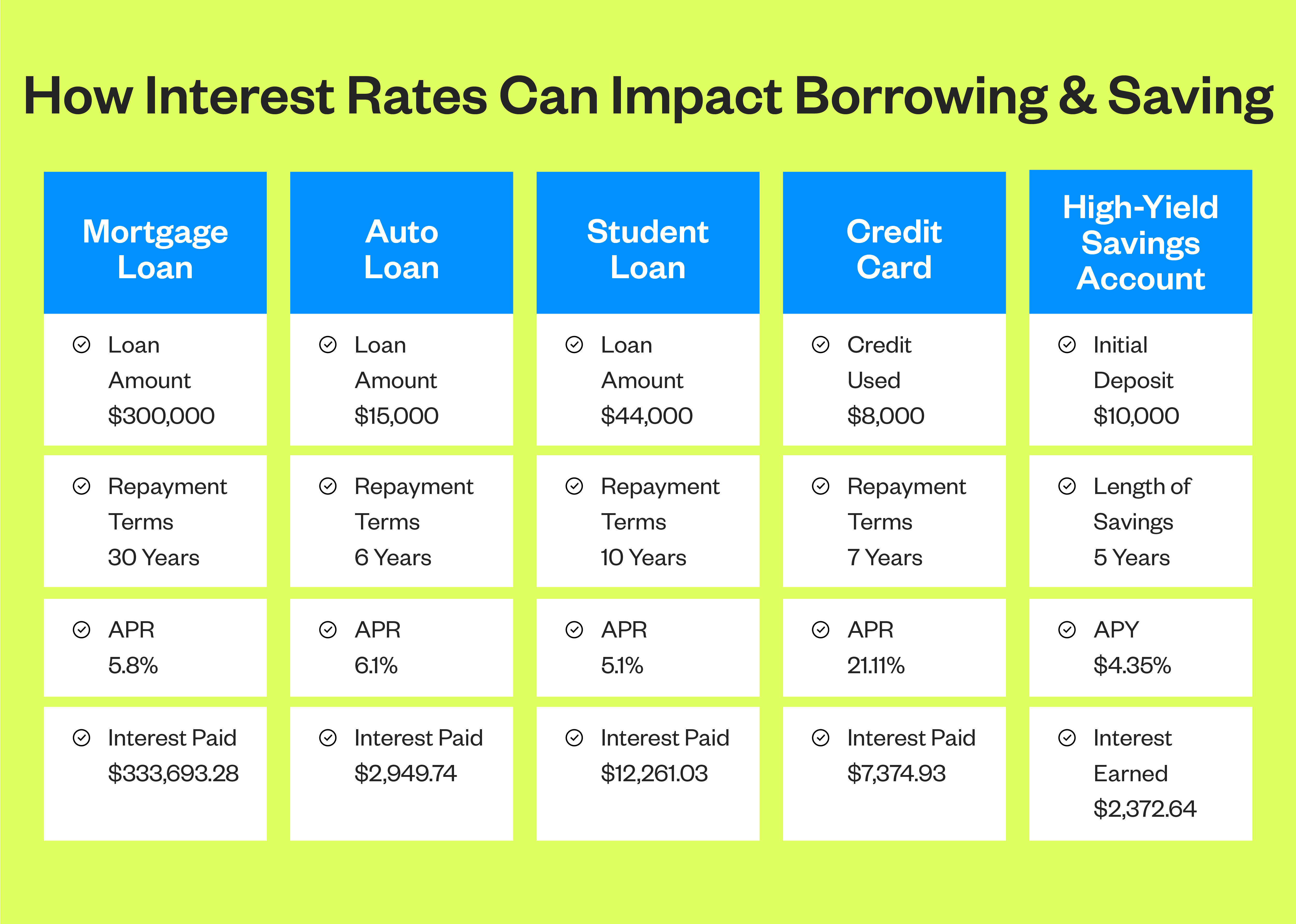
Understanding interest rates is not merely an academic exercise; it is a critical skill for navigating the modern economy. Whether you are signing for a mortgage, financing a new vehicle, or securing a line of credit for a small business, the interest rate attached to that capital will dictate the ultimate cost of the transaction and significantly impact your long-term financial health.
The Fundamental Mechanics of Interest Rates
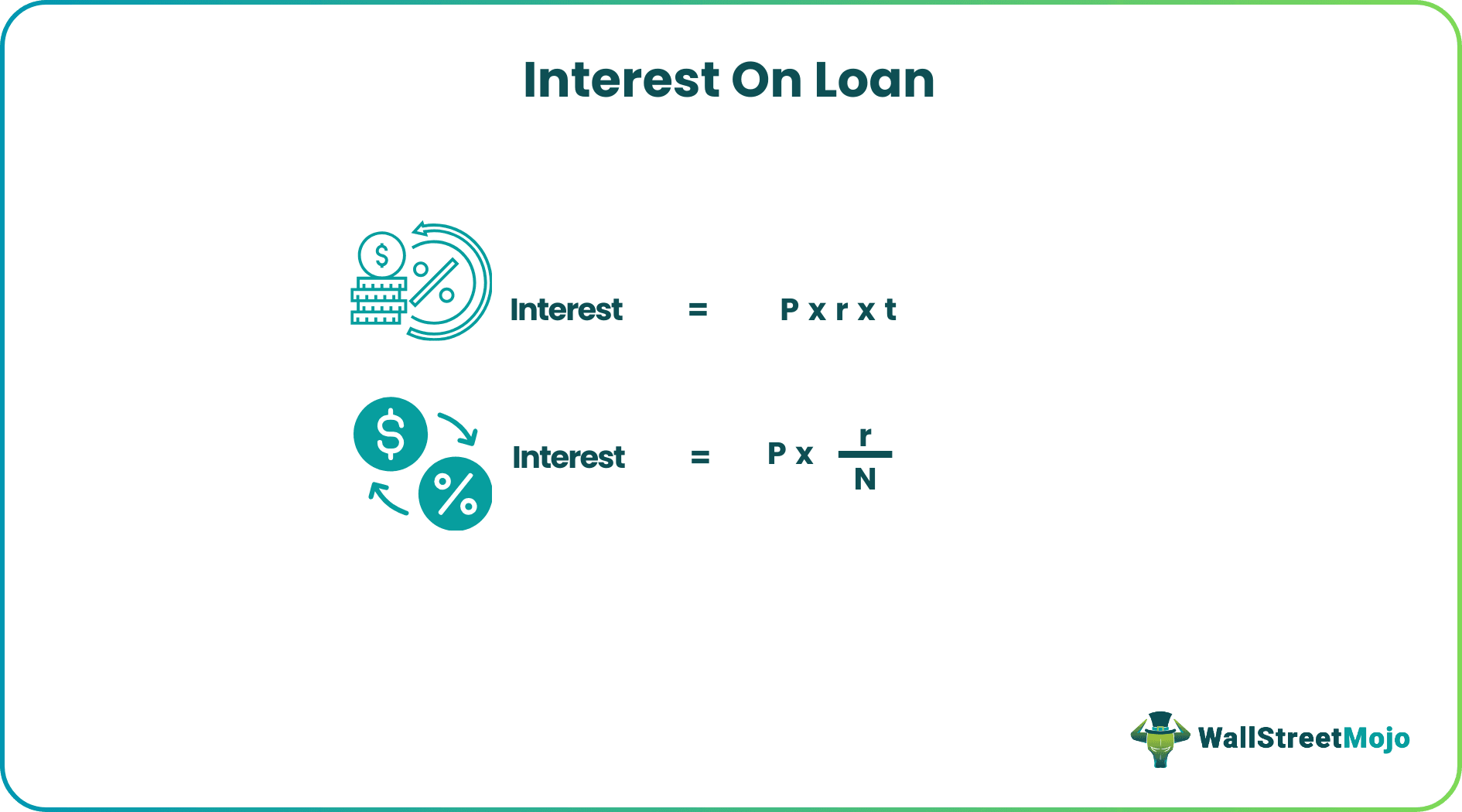
To grasp what an interest rate truly represents, one must look at the two primary components of a loan: the principal and the interest. The principal is the original amount of money borrowed. The interest is the additional amount charged by the lender, typically expressed as a percentage of the principal, calculated on an annual basis.
Nominal Interest Rate vs. Annual Percentage Rate (APR)
One of the most common points of confusion for borrowers is the distinction between the nominal interest rate and the Annual Percentage Rate (APR). The nominal rate is the basic periodic interest rate—the sticker price, so to speak. However, it does not tell the whole story.
The APR is a more comprehensive measure of the cost of borrowing. It includes the nominal interest rate plus any additional fees, insurance, or points required to secure the loan. For instance, a mortgage might have a nominal rate of 6%, but after factoring in origination fees and closing costs, the APR might be 6.25%. For a consumer, the APR is the most accurate metric for comparing different loan offers, as it reflects the true total cost of credit.
Simple vs. Compound Interest
Interest can be calculated in two primary ways: simple and compound. Simple interest is calculated only on the principal amount. It is relatively rare in long-term consumer lending but common in short-term personal loans.
Compound interest, conversely, is calculated on the principal plus any accumulated interest from previous periods. This is often referred to as “interest on interest.” In the context of a loan, compounding works against the borrower, as the total debt can grow exponentially if payments do not cover the interest accrued. Most traditional loans, such as mortgages and auto loans, utilize a monthly compounding schedule integrated into an amortization table, ensuring that each payment covers the interest due while also reducing the principal.
The Determinants: Why Interest Rates Vary
Not all borrowers are offered the same interest rate. Lenders determine the rate based on a complex calculation of risk and market conditions. The interest rate is essentially a risk premium; the more likely a lender believes a borrower is to default, the higher the interest rate will be to compensate for that risk.
Credit Score and Financial History
The most significant factor for an individual borrower is their credit score. This numerical representation of creditworthiness—calculated by agencies like FICO or VantageScore—tells a lender how reliably you have managed debt in the past. A high credit score signals lower risk, which translates to lower interest rates. Conversely, a history of late payments, high debt-to-income ratios, or bankruptcies will lead to significantly higher rates, or even the denial of credit.
The Role of Central Banks and the Macroeconomy
On a broader scale, interest rates are influenced by the monetary policy of central banks, such as the Federal Reserve in the United States. Central banks set “benchmark” rates (like the Federal Funds Rate), which dictate the cost at which commercial banks borrow money from each other. When the central bank raises rates to combat inflation, the cost of borrowing for consumers and businesses inevitably rises. When the economy is sluggish, central banks may lower rates to encourage spending and investment.
Loan Term and Collateral
The structure of the loan itself also dictates the rate. Shorter-term loans often carry lower interest rates because there is less time for the borrower’s financial situation to deteriorate or for inflation to erode the value of the lender’s returns. Additionally, “secured” loans—those backed by collateral like a house or a car—carry lower rates than “unsecured” loans (like credit cards or personal loans). This is because the lender has a legal claim to an asset they can seize and sell if the borrower defaults.

Navigating Fixed and Variable Rates
When selecting a loan, one of the most critical decisions is choosing between a fixed-interest rate and a variable (or adjustable) interest rate. Both structures have specific advantages depending on the economic climate and the borrower’s risk tolerance.
The Stability of Fixed Rates
A fixed-interest rate remains constant throughout the entire life of the loan. If you sign a 30-year mortgage at 5.5%, your interest rate will remain 5.5% regardless of what happens in the global economy. This provides predictability and protection against rising interest rates. Fixed rates are ideal for long-term budgeting, as the borrower knows exactly what their monthly obligation will be for the duration of the debt.
The Dynamics of Variable Rates
Variable rates are tied to a market index (such as the Prime Rate or SOFR). While these loans often start with an “introductory” rate that is lower than current fixed rates, they can fluctuate over time. If market rates go up, your monthly payment goes up.
Variable rates can be beneficial in a falling-rate environment or for borrowers who plan to pay off their debt quickly before a potential rate hike occurs. However, they carry “interest rate risk,” where a sudden spike in market rates can make a once-affordable loan prohibitively expensive.
The Impact of Interest on Long-Term Wealth Building
In personal finance, interest is a double-edged sword. While it allows you to purchase assets today that you couldn’t otherwise afford, the cumulative cost of interest can be staggering. This is best visualized through the process of amortization.
In the early years of a long-term loan, such as a mortgage, the majority of your monthly payment goes toward interest rather than principal. On a $300,000 mortgage at 6% over 30 years, the total interest paid over the life of the loan would be roughly $347,000—more than the original amount borrowed.
Understanding this impact is vital for business finance as well. A company must ensure that the “Return on Investment” (ROI) generated by the borrowed funds exceeds the interest rate of the loan. If a business borrows money at 8% to fund an expansion that only generates a 5% return, they are effectively destroying value. This is the essence of “leverage”—using borrowed capital to amplify returns, provided those returns outpace the cost of the interest.
Tactical Approaches to Minimizing Interest Costs
Because the interest rate is the primary driver of the cost of debt, even a small reduction in your rate can save thousands, or even tens of thousands, of dollars over time.
Improving Creditworthiness Before Applying
Before seeking a major loan, it is often wise to spend six to twelve months optimizing your financial profile. This includes paying down existing revolving debt to lower your credit utilization ratio and ensuring there are no errors on your credit report. Moving from a “Good” credit tier to an “Excellent” tier can result in a rate reduction of 0.5% to 1.5%, which has a massive impact on large loans.
Comparison Shopping and Negotiation
Many borrowers settle for the first loan offer they receive from their primary bank. However, the lending market is highly competitive. By obtaining quotes from credit unions, online lenders, and traditional banks, you can often find significant discrepancies in rates and fees. Furthermore, interest rates are sometimes negotiable, especially for business loans or for individuals with substantial assets. Bringing a competing offer to a lender can often prompt them to “price match” or offer a better rate to secure your business.
Refinancing Opportunities
The interest rate environment is not static. If you have a loan with a high interest rate and market rates drop—or if your credit score improves significantly—refinancing can be a powerful tool. Refinancing involves taking out a new loan at a lower interest rate to pay off the old one. While there are often closing costs associated with this process, the long-term savings from a lower interest rate often outweigh the initial expense.
Interest rates are the pulse of the financial world. By understanding how they are calculated, what factors influence them, and how they impact the total cost of capital, borrowers can make more informed, strategic decisions that preserve their wealth and facilitate their long-term financial goals. Whether you are managing personal debt or corporate finance, the interest rate is the single most important variable in the equation of borrowing.
aViewFromTheCave is a participant in the Amazon Services LLC Associates Program, an affiliate advertising program designed to provide a means for sites to earn advertising fees by advertising and linking to Amazon.com. Amazon, the Amazon logo, AmazonSupply, and the AmazonSupply logo are trademarks of Amazon.com, Inc. or its affiliates. As an Amazon Associate we earn affiliate commissions from qualifying purchases.