
Amazon Prime has become an almost ubiquitous presence in the modern consumer landscape, transitioning from a simple fast-shipping service to a comprehensive ecosystem of benefits. For millions worldwide, it’s a staple subscription, yet many members remain unaware of the full spectrum of services and advantages bundled into their annual or monthly fee. From a financial perspective, understanding “what is included in Prime Membership” is not merely an exercise in enumeration; it’s a critical assessment of value, a calculation of potential savings, and a consideration of whether this multi-faceted subscription truly offers a worthwhile return on investment for your personal finances.

In an era of burgeoning subscription services, each vying for a slice of your disposable income, dissecting the true financial proposition of Amazon Prime is more important than ever. Is it a smart financial decision that consolidates various needs, or is it an overlooked expenditure? This article will meticulously break down the included features of Prime Membership, analyzing each through the lens of personal finance to help you determine its true economic impact and maximize its potential value.
The Core Financial Proposition: Shipping and Shopping Advantages
At its genesis, Amazon Prime was synonymous with expedited shipping, a game-changer that redefined online retail expectations. While the service has expanded dramatically, its foundational value still heavily relies on its direct shopping benefits, which translate into tangible financial savings for active users.
Unlocking Expedited and Free Delivery
The most universally recognized benefit of Amazon Prime is its expedited and free delivery on millions of eligible items. This isn’t just a convenience; it’s a significant financial advantage. For non-Prime members, shipping costs can quickly accumulate, often acting as a deterrent for smaller purchases or encouraging larger bulk orders to meet free shipping thresholds. Prime negates these costs entirely for countless items, offering various speeds from standard to same-day delivery in select areas.
From a personal finance perspective, this eliminates a recurring expense that many online shoppers face. If you make frequent purchases on Amazon – even small ones – the cumulative savings on shipping fees alone can quickly offset a substantial portion, if not all, of your Prime membership cost. For example, if standard shipping typically costs $5-$10 per order, and you place just a few orders a month, the annual savings can easily reach hundreds of dollars. This aspect transforms Prime from an expense into a potential cost-saving tool, particularly for households that rely heavily on online shopping for everyday necessities, gifts, or specialty items.
Exclusive Deals and Discounts
Beyond free shipping, Prime membership provides a gateway to a world of exclusive financial incentives. Prime Day, Amazon’s proprietary annual sales event, is perhaps the most prominent example. During this period, members gain access to thousands of exclusive deals, often at significant discounts, spanning virtually every product category. For savvy shoppers, Prime Day isn’t just a marketing gimmick; it’s an opportunity to make planned purchases, from electronics to home goods, at substantial savings.
But the financial perks aren’t confined to a single event. Prime members frequently receive early access to Lightning Deals, special pricing on select items throughout the year, and discounts on specific product categories. For consumers who are strategic about their spending, these exclusive offers can represent considerable cost reductions on items they would likely purchase anyway. The trick, from a financial perspective, is to leverage these deals for needs rather than impulse buys, ensuring genuine savings rather than simply spending more. The inclusion of these exclusive financial advantages means that, for a diligent shopper, the membership can effectively pay for itself through targeted savings on high-value items.
Prime at the Grocery Store: Whole Foods Market Benefits
Amazon’s acquisition of Whole Foods Market brought a new dimension to Prime’s financial utility, particularly for grocery shoppers. Prime members enjoy exclusive discounts on select items at Whole Foods Market, often marked with yellow signs, and receive an additional 10% off hundreds of sale items (excluding alcohol). Furthermore, Prime members can get free two-hour grocery delivery from Whole Foods Market in select areas on orders over a certain threshold, eliminating delivery fees that non-members would incur.
For individuals or families who regularly shop at Whole Foods, these benefits can translate into considerable weekly or monthly savings. By strategically combining these Prime-exclusive discounts with other sales, members can reduce their grocery bills, a significant line item in most household budgets. The free delivery option further enhances the financial value proposition by saving both money (on delivery fees) and time (which can be quantified as an indirect financial saving). This particular inclusion underscores how Prime is evolving to cover more aspects of daily consumer spending, offering a more holistic financial benefit package.
Entertainment and Digital Value: Beyond the Physical
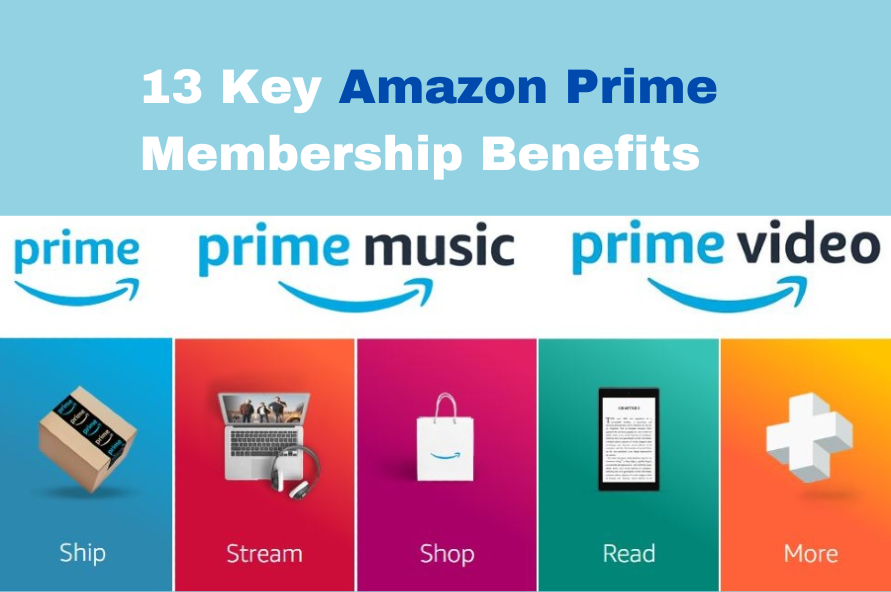
While the initial draw of Prime was primarily physical goods and delivery, the membership has aggressively expanded into the digital realm, offering a robust suite of entertainment and digital services. These inclusions often provide an alternative to standalone subscriptions, potentially offering significant financial relief for consumers consolidating their digital spending.
Prime Video: A Streaming Service Alternative
Included with Prime membership is Prime Video, a streaming service offering a vast library of movies, TV shows, and Amazon Originals. In an increasingly fragmented streaming landscape, where multiple subscriptions can quickly drain a budget, Prime Video serves as a built-in entertainment hub.
From a financial standpoint, the value of Prime Video is substantial. Many households pay $10-$20 monthly for standalone streaming services. Having a comprehensive streaming option included with Prime means you might be able to forgo one or more separate subscriptions, leading to direct monthly savings. For example, if you were considering a $15/month streaming service, Prime Video effectively replaces that cost, saving you $180 annually – more than the typical annual cost of Prime itself. Its diverse content, including exclusive award-winning series and a selection of movies, makes it a powerful contender in the streaming wars and a significant financial perk of the Prime package.
Prime Music: Your Ad-Free Audio Companion
Amazon Prime also includes Prime Music, offering ad-free access to a catalog of over 100 million songs, plus podcasts. While not as extensive as the premium Amazon Music Unlimited service, Prime Music provides a solid foundation for casual listeners who desire a diverse, ad-free audio experience without an additional fee.
Financially, Prime Music can be viewed as an alternative to other basic ad-free music streaming services that typically cost $5-$10 per month. If you are currently paying for such a service, or considering one, Prime Music eliminates that recurring expense. For those who primarily listen to music for background noise, workouts, or general enjoyment without needing every new release instantly, Prime Music offers excellent financial value. It’s another example of how Prime bundles common digital services, allowing members to potentially consolidate expenses and streamline their entertainment budget.
Prime Reading & Amazon First Reads
For bibliophiles and casual readers, Prime membership unlocks Prime Reading, a rotating library of thousands of books, magazines, and comics that members can read for free. Additionally, Amazon First Reads offers members an exclusive early peek at new books across various genres each month, allowing them to choose one title for free before its official release.

From a financial perspective, Prime Reading can lead to significant savings on reading material. Instead of purchasing new books regularly, members can explore a vast collection at no additional cost. For avid readers, even purchasing one or two new books a month can add up to $20-$40, making Prime Reading a financially attractive alternative. Amazon First Reads further amplifies this by providing a guaranteed free new release each month. These inclusions position Prime as a value-driven option for entertainment that caters to intellectual enrichment without adding to discretionary spending on books or magazine subscriptions.
Maximizing Your Membership’s Financial Return
Simply having a Prime membership doesn’t automatically guarantee financial benefits. To truly make it a worthwhile financial investment, members need to actively engage with and leverage the full spectrum of included services. Maximizing your return on investment (ROI) means understanding and utilizing every facet of what Prime has to offer.
Shared Benefits: Spreading the Value
One often-overlooked financial advantage of Prime is the ability to share certain benefits with another adult in your household through Amazon Household. This feature allows two adults, along with up to four teens and four children, to share Prime shipping, Prime Video, Prime Reading, and other digital benefits without paying for multiple memberships.
This is a critical financial strategy for households. Instead of two adults paying separate annual fees, they can pool their resources into one membership, effectively halving the per-person cost. This significantly enhances the collective ROI for a household, making the single annual fee deliver double the value. For families, the inclusion of teens and children further amplifies this, ensuring that the entire family unit can benefit from the digital entertainment and expedited shipping, maximizing the financial efficiency of the single subscription.
Leveraging All Included Services
The true financial power of Prime lies in its comprehensiveness. Many members might primarily use it for free shipping and perhaps Prime Video, neglecting the other valuable inclusions. To achieve maximum financial return, it’s imperative to explore and utilize all aspects of the membership.
For instance, if you’re paying for a separate cloud storage service, remember that Prime Photos offers unlimited full-resolution photo storage, potentially saving you another monthly fee. If you frequently order takeout, check for Prime-exclusive discounts or free delivery on Amazon Fresh or Grubhub. Becoming familiar with Prime Gaming for free games and in-game content, or using Prime Try Before You Buy for clothing, can prevent costly returns and enhance shopping efficiency. The more services you integrate into your daily routine, the more you consolidate your spending under one umbrella, leading to greater financial efficiency and higher ROI from your Prime subscription. Every benefit utilized is a potential expense averted or a value added without additional cost.
Special Prime Programs and Discounts
Amazon also offers specific discounted Prime memberships for eligible individuals, further enhancing the financial accessibility and value of the service. Prime Student, for example, offers a significantly reduced annual fee, often with an extended free trial, for enrolled college students. This makes Prime’s benefits more attainable for those on a tighter budget, providing crucial savings on textbooks, supplies, and entertainment.
Similarly, Amazon offers discounted Prime memberships for customers receiving qualifying government assistance, such as EBT or Medicaid benefits. This initiative ensures that a wider demographic can access the financial advantages of Prime, including free shipping on essential goods and access to digital entertainment, without the standard financial burden. These special programs underscore Amazon’s commitment to broadening Prime’s reach and provide substantial financial relief for specific demographics, making the membership an even more compelling financial proposition for those who qualify.
Is Prime Membership a Worthwhile Financial Investment?
Ultimately, the question of whether Prime membership is a worthwhile financial investment boils down to individual usage patterns and financial priorities. While the sheer volume of inclusions is impressive, their financial value is only realized through active engagement and smart consumer behavior.
Calculating Your Personal ROI
To truly assess if Prime is a financially sound decision for you, a personal return on investment (ROI) calculation is essential. Add up all your estimated annual savings from using Prime’s benefits:
-
Shipping Savings: How much would you typically pay for shipping on your Amazon orders in a year?
-
Streaming Savings: Could Prime Video or Prime Music replace other paid streaming services, and how much would that save you?
-
Shopping Discounts: How much do you realistically save from Prime Day deals, Whole Foods discounts, or exclusive member offers?
-
Other Digital Savings: Do Prime Reading, Prime Gaming, or Prime Photos save you money on books, games, or cloud storage?
Compare this total estimated savings figure against the annual cost of your Prime membership. If your savings significantly outweigh the cost, then Prime is likely a financially prudent choice. If your usage is minimal, and the savings barely cover or fall short of the fee, then it might be an expenditure that isn’t providing a strong enough financial return.
The Opportunity Cost of Subscription Fatigue
In the contemporary financial landscape, consumers are facing “subscription fatigue,” where numerous monthly fees accumulate to a significant sum. When evaluating Prime, it’s crucial to consider its opportunity cost. Could the money spent on Prime be better allocated to other financial goals, or are you already paying for similar services elsewhere?
Prime’s value proposition is strongest when it consolidates services you would otherwise pay for separately. If you already have multiple streaming services and seldom shop on Amazon, Prime Video might be redundant. If you rarely order online and prefer physical media for entertainment, the shipping and digital benefits might hold little financial appeal. Intelligent financial planning involves auditing all your subscriptions and eliminating redundancies, ensuring each recurring cost delivers optimal value.
Weighing Convenience vs. Cost
Beyond direct monetary savings, there’s an intangible financial value associated with convenience and time-saving. Prime’s expedited shipping, for instance, not only saves on fees but also saves the time and effort of going to physical stores. Prime Video and Prime Music offer instant access to entertainment, saving the time spent searching for free alternatives or dealing with ads.
While difficult to quantify precisely, time is a valuable commodity. For busy individuals or families, the convenience offered by Prime can be a compelling financial argument, even if the direct monetary savings are not overwhelming. It’s about optimizing efficiency and reducing friction in daily life, which can indirectly contribute to overall financial well-being by freeing up time for income-generating activities or personal leisure.
In conclusion, Amazon Prime membership is a complex financial product offering a multitude of benefits. Its value is highly personalized, dependent on individual consumption habits and financial priorities. By undertaking a thorough financial assessment of what is included – from shipping and shopping advantages to digital entertainment and exclusive programs – and actively leveraging these features, members can transform their Prime subscription from a mere expense into a truly valuable financial asset. The key is to be an informed and strategic consumer, ensuring that every dollar spent on your Prime membership yields a demonstrable and satisfying return.
aViewFromTheCave is a participant in the Amazon Services LLC Associates Program, an affiliate advertising program designed to provide a means for sites to earn advertising fees by advertising and linking to Amazon.com. Amazon, the Amazon logo, AmazonSupply, and the AmazonSupply logo are trademarks of Amazon.com, Inc. or its affiliates. As an Amazon Associate we earn affiliate commissions from qualifying purchases.