
When consumers ask “what is in ZzzQuil,” they are usually looking for a list of active pharmaceutical ingredients. However, from a strategic perspective, the “ingredients” that make ZzzQuil a dominant force in the over-the-counter (OTC) sleep aid market go far beyond diphenhydramine. To understand ZzzQuil is to understand a masterclass in brand extension, psychological marketing, and corporate positioning by its parent company, Procter & Gamble (P&G).
While the liquid inside the bottle helps millions of people drift off to sleep, the brand strategy behind it has allowed Vicks to claim a massive share of the multi-billion dollar “sleep economy.” This article deconstructs the brand identity of ZzzQuil, exploring how a simple chemical compound was transformed into a premium lifestyle solution.
The Anatomy of a Brand Extension: From NyQuil to ZzzQuil
The story of ZzzQuil is a textbook case of leveraging existing brand equity to conquer a new category. For decades, Vicks NyQuil was the gold standard for nighttime cold and flu relief. However, P&G’s market research identified a recurring consumer behavior: people were using NyQuil specifically for its sedative properties even when they weren’t sick.
Leveraging the Halo Effect
The “Halo Effect” is a cognitive bias where our overall impression of a brand influences how we feel about its specific products. Vicks enjoyed a high level of consumer trust built over a century. By launching ZzzQuil, P&G didn’t have to start from scratch. They inherited the reliability of the “Quil” suffix, which consumers already associated with effective, nighttime relief. This immediate recognition reduced the “barrier to trial” that most new pharmaceutical brands face.
Identifying the Market Gap
Before ZzzQuil’s launch in 2012, the sleep aid market was fragmented. There were generic options and legacy brands like Unisom, but there was a lack of a modern, “lifestyle-oriented” sleep brand that felt like a household staple. P&G identified that consumers felt guilty or “medicated” when taking a sleeping pill, but they felt “cared for” when using a Vicks product. ZzzQuil was positioned not as a drug for the chronically ill, but as a tool for the high-functioning professional or busy parent who just had a “restless night.”
Psychological Ingredients: The Power of Visual Identity and Naming
What is in ZzzQuil isn’t just a sedative; it is a carefully curated sensory experience designed to prime the brain for sleep before the medicine even hits the bloodstream. Branding is as much about neuroscience as it is about design.
The “Quil” Suffix as a Trust Catalyst
The naming convention of ZzzQuil is a stroke of branding genius. The “Zzz” is the universal onomatopoeia for sleep, making the product’s purpose instantly recognizable across different demographics. By tethering this to the “Quil” suffix, the brand communicated a promise of “quietude” and “tranquility.” This linguistic branding creates a sense of continuity, signaling to the brain that this product belongs to the same family of solutions that have provided comfort for generations.
Color Theory: The Midnight Blue Aesthetic
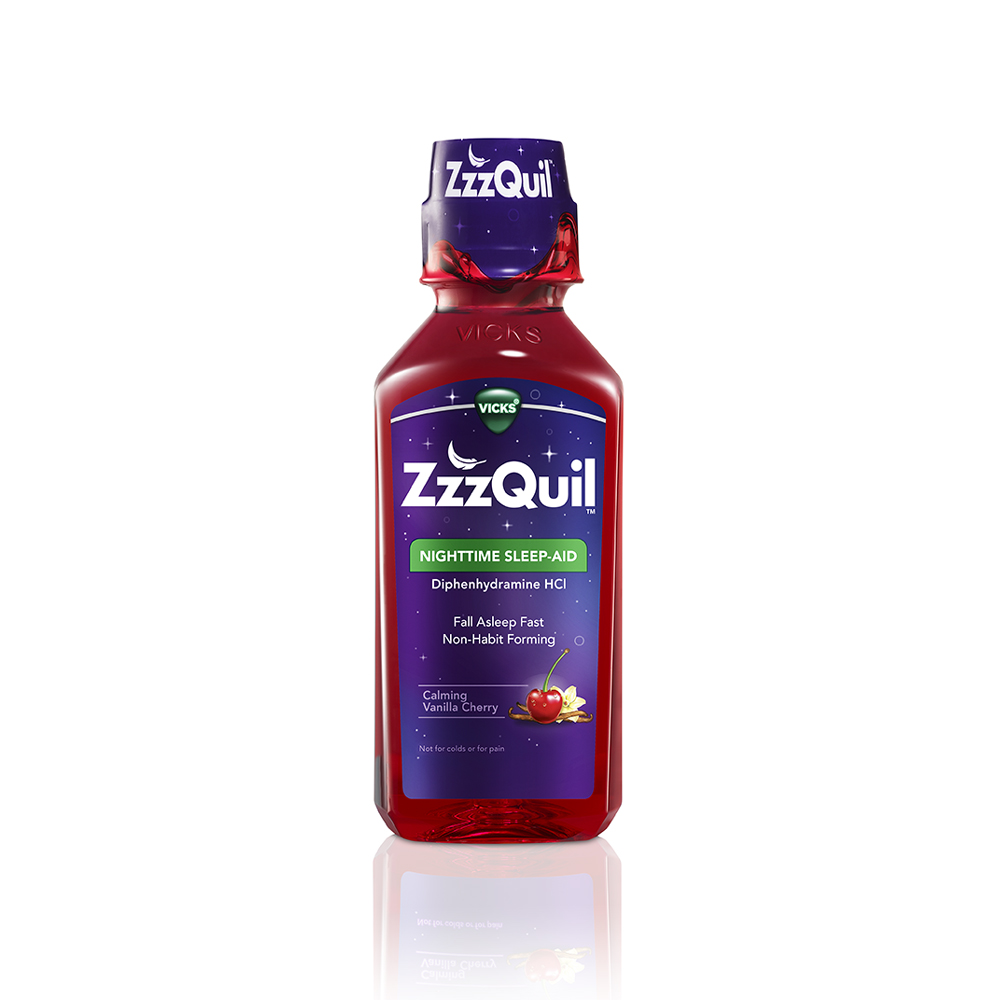
In the world of brand strategy, color is never accidental. While many medical products use clinical whites or energetic reds, ZzzQuil adopted a deep midnight blue and purple palette. In color psychology, these shades represent calm, stability, and the transition from day to night. The packaging doesn’t look like a harsh chemical intervention; it looks like a peaceful evening. This visual identity helps the consumer transition into a “sleep mindset,” reinforcing the efficacy of the product through the placebo of professional, soothing design.
Market Positioning: Selling Sleep as a Lifestyle Solution
The most successful brands don’t just sell products; they sell solutions to human problems. ZzzQuil’s brand strategy shifted the conversation from “treating insomnia” to “optimizing the next day.”
The Shift from “Sick” to “Sleepless”
Traditionally, OTC sleep aids were marketed toward people with sleep disorders. ZzzQuil disrupted this by marketing to the “occasional” sufferer. Their advertisements rarely focus on the science of the ingredient; instead, they focus on the “morning after.” By highlighting a refreshed, productive person waking up after a good night’s rest, the brand positioned itself as an aspirational lifestyle tool. This widened their target audience from a small niche of insomniacs to virtually every adult with a stressful job or a busy schedule.
Consumer Personas and Targeted Messaging
ZzzQuil’s marketing strategy utilizes sophisticated consumer personas. They recognize that the “tired traveler,” the “anxious student,” and the “stressed executive” all have different motivations for seeking sleep. By diversifying their messaging—ranging from traditional TV spots to digital ads on travel and wellness sites—they ensure that the brand remains relevant regardless of why the consumer is awake at 2:00 AM. This multi-faceted approach ensures that ZzzQuil is the first brand that comes to mind in the moment of “sleep desperation.”
Strategic Distribution and Corporate Synergy
A brand is only as strong as its accessibility. P&G’s massive infrastructure allows ZzzQuil to occupy “prime real estate” in the retail environment, a critical component of its brand dominance.
Procter & Gamble’s Retail Dominance
Because P&G manages a vast portfolio of essential household brands (from Tide to Crest), they have immense bargaining power with retailers like CVS, Walgreens, and Walmart. This ensures that ZzzQuil isn’t just on the shelf—it’s at eye level. This “physical availability” is a core pillar of their brand strategy. If a consumer is wandering a pharmacy aisle at midnight, the brand they see first is the brand they buy. ZzzQuil’s ubiquity reinforces its status as the market leader.
Product Diversification: Gummies, Liquids, and Naturals
To maintain its brand dominance, ZzzQuil has expanded its “ingredients” to include new delivery formats and formulations. Understanding the trend toward “natural” wellness, they launched ZzzQuil Pure Zzzs, a melatonin-based line. This allowed the brand to capture the segment of the market that is wary of “chemicals” while still keeping them within the Vicks ecosystem. By offering liquids, caplets, and gummies, the brand ensures it has a solution for every consumer preference, effectively “crowding out” competitors on the shelf.
The Future of the ZzzQuil Brand Identity
As the wellness industry evolves, the “ingredients” of the ZzzQuil brand must also adapt. The brand is currently navigating a shift toward “clean labels” and holistic health, where consumers are more scrutinizing of what they put into their bodies.
Adapting to the “Clean Label” Movement
The modern consumer is hyper-aware of additives and artificial dyes. In response, the ZzzQuil brand strategy has moved toward transparency. By highlighting the absence of high-fructose corn syrup or artificial flavors in certain lines, they are pivoting to meet the demands of the health-conscious Millennial and Gen Z demographics. This adaptability is what keeps a legacy brand from becoming a relic.
Sustaining Dominance in a Fragmented Market
With the rise of direct-to-consumer (DTC) sleep brands and CBD-based alternatives, ZzzQuil faces more competition than ever. However, its core brand strength—the “Quil” heritage—remains its most powerful asset. In an era of misinformation and fly-by-night internet brands, the “institutional trust” associated with P&G and Vicks is a moat that is difficult for newcomers to cross. The brand continues to invest heavily in “R&D” not just for the medicine, but for the consumer experience, ensuring that when someone asks “what is in ZzzQuil,” the answer remains “the promise of a better tomorrow.”
Conclusion: The Brand is the Ingredient
In conclusion, “what is in ZzzQuil” is a complex blend of psychological safety, visual consistency, and a century of consumer trust. While the active ingredient, diphenhydramine, is a common generic, the brand itself is a unique, proprietary asset. Through strategic extensions, masterful color theory, and a shift from “medicine” to “lifestyle,” Vicks has created a brand that doesn’t just treat a symptom—it owns a category.
ZzzQuil’s success serves as a definitive case study in how corporate giants can breathe new life into old molecules by wrapping them in a compelling, trustworthy brand story. For the consumer, it’s a sleep aid. For the marketer, it’s a masterclass in brand architecture. As the “sleep economy” continues to grow, ZzzQuil stands as a testament to the fact that in the world of retail, the most powerful ingredient is always the brand.
aViewFromTheCave is a participant in the Amazon Services LLC Associates Program, an affiliate advertising program designed to provide a means for sites to earn advertising fees by advertising and linking to Amazon.com. Amazon, the Amazon logo, AmazonSupply, and the AmazonSupply logo are trademarks of Amazon.com, Inc. or its affiliates. As an Amazon Associate we earn affiliate commissions from qualifying purchases.