
Port wine is more than just a beverage; it’s a legacy, a story woven into the fabric of Portuguese culture and a celebrated brand on the global stage. Its allure extends far beyond its rich flavour profile, delving into a complex interplay of history, tradition, terroir, and masterful production that collectively defines its enduring appeal. To truly understand “what is in Port wine” is to appreciate the meticulous craftsmanship, the unique geographical advantages, and the strategic branding that has elevated it from a regional specialty to a world-renowned luxury product. This exploration will dissect the core elements that contribute to Port wine’s distinctiveness and its powerful brand identity.
The Genesis of a Distinctive Brand: Terroir and Tradition
The genesis of Port wine’s unique brand is inextricably linked to its exclusive geographical origin and the centuries-old traditions that govern its production. The Douro Valley, a UNESCO World Heritage site, is not merely a backdrop; it is the very soul of Port wine, imbuing it with characteristics found nowhere else on earth. The rugged, terraced vineyards, carved into steep hillsides, are a testament to human ingenuity and a deep understanding of the land. This extreme terroir, with its challenging conditions of intense heat and limited rainfall, forces the vines to produce grapes of exceptional concentration and flavour.
The Unmistakable Douro Terroir
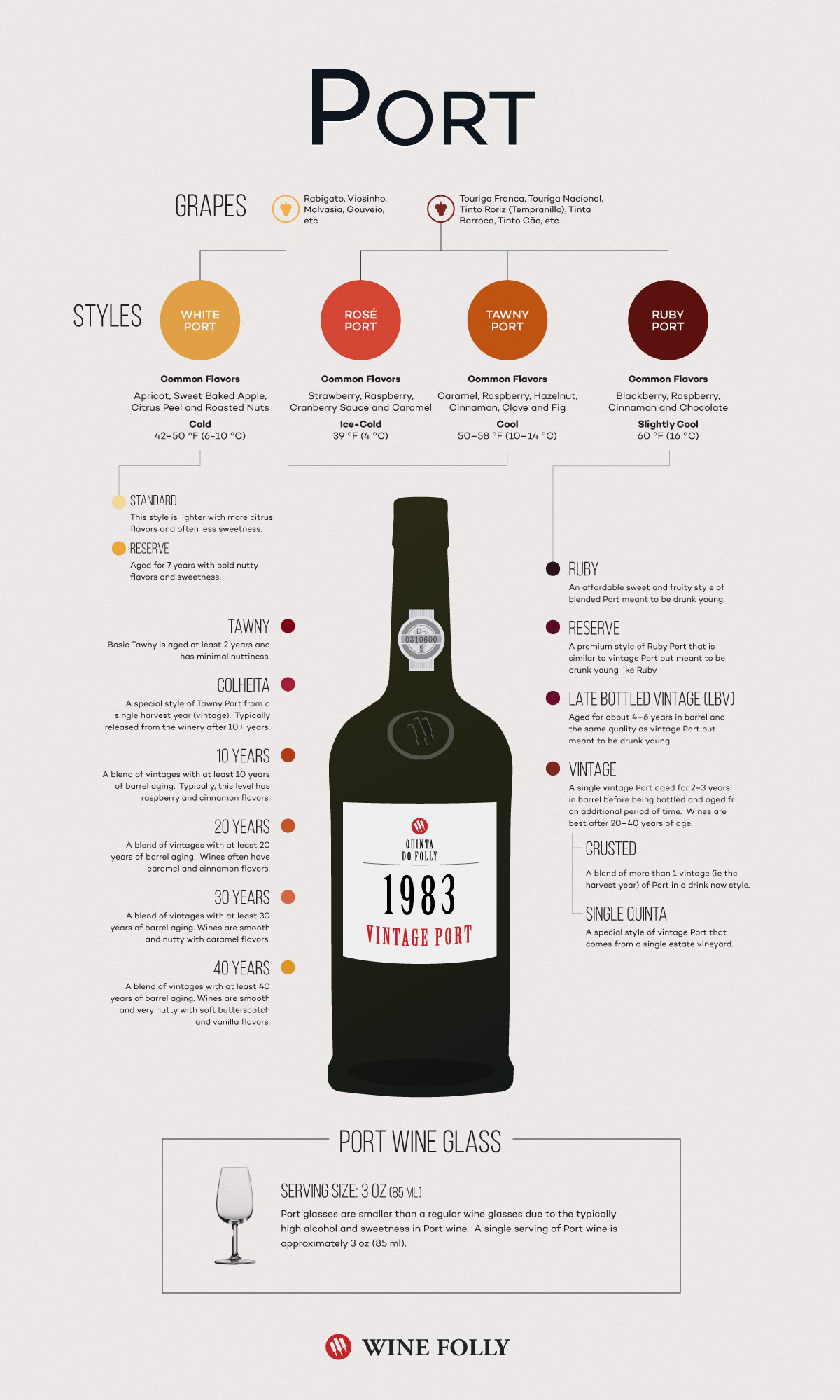
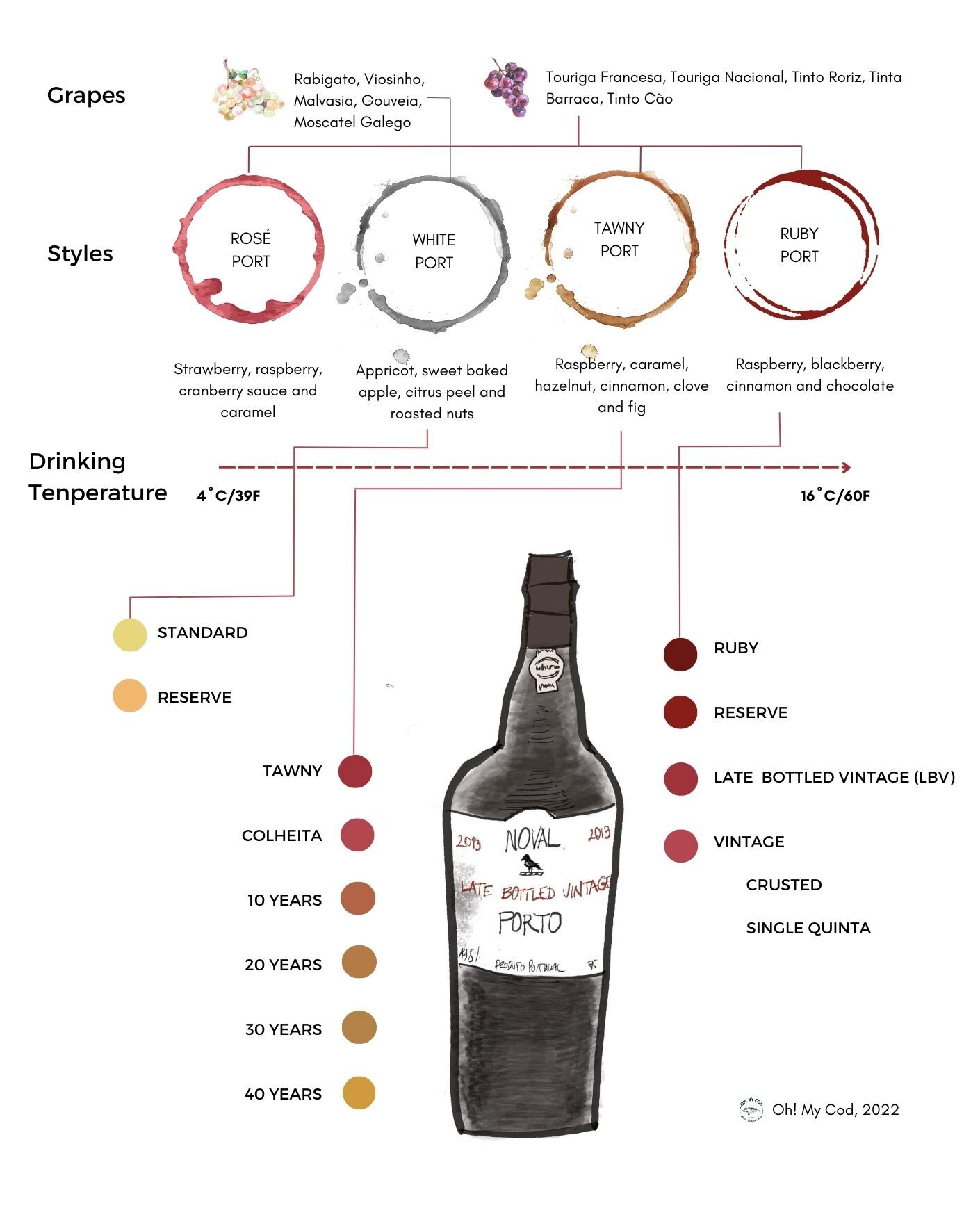
The Douro Valley’s microclimate is a critical component of Port wine’s brand. Summers are scorching, with temperatures regularly exceeding 35°C, while winters can be harsh. This diurnal temperature range, coupled with the schistous soil, which retains heat and provides essential minerals, creates an environment where specific grape varietals thrive. These varietals, meticulously cultivated by generations of vignerons, are key to the characteristic flavour profiles of Port. The dominant red grapes – Touriga Nacional, Touriga Franca, Tinta Roriz (Tempranillo), Tinta Barroca, and Tinto Cão – each contribute distinct notes of dark fruit, floral aromas, and robust tannins. White grapes, such as Gouveio, Viosinho, Malvasia Fina, and Rabigato, are used for the rarer white Ports, offering crisp acidity and stone fruit nuances. The very soil composition, the precise slopes of the vineyards, and the prevailing winds all contribute to the unique fingerprint of Douro grapes, a fundamental element of the Port wine brand.
Centuries of Unwavering Tradition
Beyond the land, tradition forms the bedrock of the Port wine brand. The methods of cultivation, harvesting, and, most importantly, winemaking, have been refined over centuries, passed down through families and cooperatives. The adherence to these time-honoured practices ensures consistency and upholds the established quality standards. The manual harvesting, often carried out on precipitous slopes, is not just a labour-intensive necessity; it’s a romanticized aspect of the brand, emphasizing dedication and a connection to the earth. The traditional method of “foot-treading” grapes in granite lagares, while increasingly supplemented by modern techniques, remains an iconic image associated with Port production, symbolizing a visceral connection to the winemaking process and contributing to the wine’s deep colour and complex tannins. These traditions are not merely historical footnotes; they are actively marketed as integral to the Port wine experience, offering consumers a tangible link to a rich heritage.
The Art of Fortification: A Defining Element of the Brand
The defining characteristic that truly sets Port wine apart and solidifies its unique brand identity is the process of fortification. This intentional addition of grape spirit, or aguardente, during fermentation is not a mere technicality; it is a deliberate act that arrests fermentation, preserves sweetness, and elevates the wine to a new category of fortified wine, fundamentally shaping its flavour, structure, and aging potential. This distinctive winemaking technique is a cornerstone of the Port brand, differentiating it from all other wines.
Halting Fermentation for Sweetness and Strength
The critical moment in Port wine production occurs when winemakers add neutral grape spirit (around 77% alcohol) to the fermenting grape must. This infusion serves a dual purpose. Firstly, it abruptly halts the yeast’s activity, preventing them from converting all the natural sugars in the grapes into alcohol. This residual sugar is what gives Port its characteristic sweetness, ranging from medium-sweet to very sweet, a key selling point that appeals to a broad consumer base. Secondly, the added spirit significantly increases the alcohol content of the wine, typically to around 19-22%, making it a robust and warming beverage. This higher alcohol content also acts as a natural preservative, contributing to Port’s remarkable longevity and its ability to age gracefully for decades, even centuries, a testament to its inherent quality and a powerful aspect of its brand.
Varied Styles, Unified Brand Essence
The fortification process, while consistent in principle, allows for a remarkable diversity of styles within the Port wine umbrella, each contributing to the brand’s multifaceted appeal. The simplest styles, like Ruby and Tawny Ports, offer immediate accessibility and fruit-forward profiles. Ruby Ports, aged for a shorter period in large vats, retain their vibrant red colour and youthful fruitiness, embodying a lively and approachable brand image. Tawny Ports, on the other hand, are aged for extended periods in smaller oak casks, allowing for slow oxidation, which imparts a nutty, caramel-like complexity and a characteristic amber hue. This aging process creates a more sophisticated and mellow character, appealing to a discerning palate and enhancing the brand’s premium perception. The more complex and sought-after styles, Vintage Port and its siblings, are aged for much longer, developing profound depth and an unparalleled capacity for cellaring, further solidifying Port’s reputation for excellence and exclusivity. Regardless of the specific style, the underlying fortification process remains the unifying element, ensuring that each bottle carries the DNA of Port wine.
The Maturation and Bottling: Crafting Age and Character
The journey of Port wine from vineyard to bottle is a lengthy and intricate process of maturation that profoundly influences its final character and brand perception. The chosen aging regimen is not arbitrary; it’s a strategic decision that shapes the wine’s colour, aroma, flavour, and texture, thereby dictating its market positioning and consumer appeal. This careful management of aging is integral to the Port wine brand’s ability to offer a spectrum of experiences, from the immediate pleasure of a young Ruby to the profound complexity of a venerable Tawny or Vintage.
Cask Aging: The Alchemy of Oxidation and Flavor Development
The majority of Port wines undergo a period of aging in wooden casks, a crucial step in developing their characteristic flavours and aromas. The type and size of the cask, along with the duration of aging, play a significant role. For Ruby and LBV (Late Bottled Vintage) Ports, aging typically occurs in large wooden vats (tonels) or seasoned oak casks. These larger vessels allow for a more reductive aging process, meaning less oxidation occurs, preserving the youthful fruit character and deep ruby colour. This approach aligns with a brand image of vibrant energy and approachable fruitiness.
In contrast, Tawny Ports are aged in smaller oak casks (pipas), which have a higher surface-area-to-volume ratio. This facilitates a more pronounced oxidative aging process. Over many years, the wine interacts with the oak and the air, gradually transforming its colour from ruby to a rich amber or tawny hue. Complex aromas and flavours of dried fruit, nuts, spices, and toffee emerge, creating a sophisticated and mellow profile. This extended aging process elevates the brand’s premium status, positioning Tawny Ports as elegant and contemplative wines. The explicit declaration of age on Tawny bottles (10, 20, 30, 40 years) is a powerful marketing tool, offering consumers a quantifiable measure of quality and an assurance of a particular flavour profile, reinforcing the brand’s commitment to transparency and heritage.
The Uniqueness of Vintage Port: The Pinnacle of the Brand
Vintage Port represents the pinnacle of the Port wine brand, a testament to exceptional years and meticulous, albeit lengthy, maturation. Only a select few years are declared Vintage years, a decision made by the Port Wine Institute based on the quality of the harvest. After a relatively short period of maturation in cask (typically two to three years), Vintage Port is bottled unfined and unfiltered, preserving its youthful power and allowing it to continue aging in the bottle for decades. This extended bottle aging is where the true magic happens. Over time, Vintage Port develops incredible complexity, with layers of dark fruit, earthy notes, hints of chocolate, and a velvety texture. Its capacity for extreme longevity, often outliving its drinkers, is a defining characteristic that contributes to its mythical status and the brand’s association with prestige and timelessness. The rarity and the exceptional aging potential of Vintage Port position it as a luxury item, highly sought after by collectors and connoisseurs, solidifying Port’s reputation as a wine of exceptional quality and enduring value.
Port Wine’s Brand Architecture: Diversity, Perceived Value, and Global Appeal
The success of Port wine as a global brand is not solely attributable to its unique production methods or its rich history. It is also a result of a carefully constructed brand architecture that leverages diversity, cultivates perceived value, and engages a global market. The strategy behind how Port is presented, marketed, and consumed has been instrumental in its enduring appeal and its ability to transcend geographical and cultural boundaries.
A Spectrum of Styles for Every Occasion
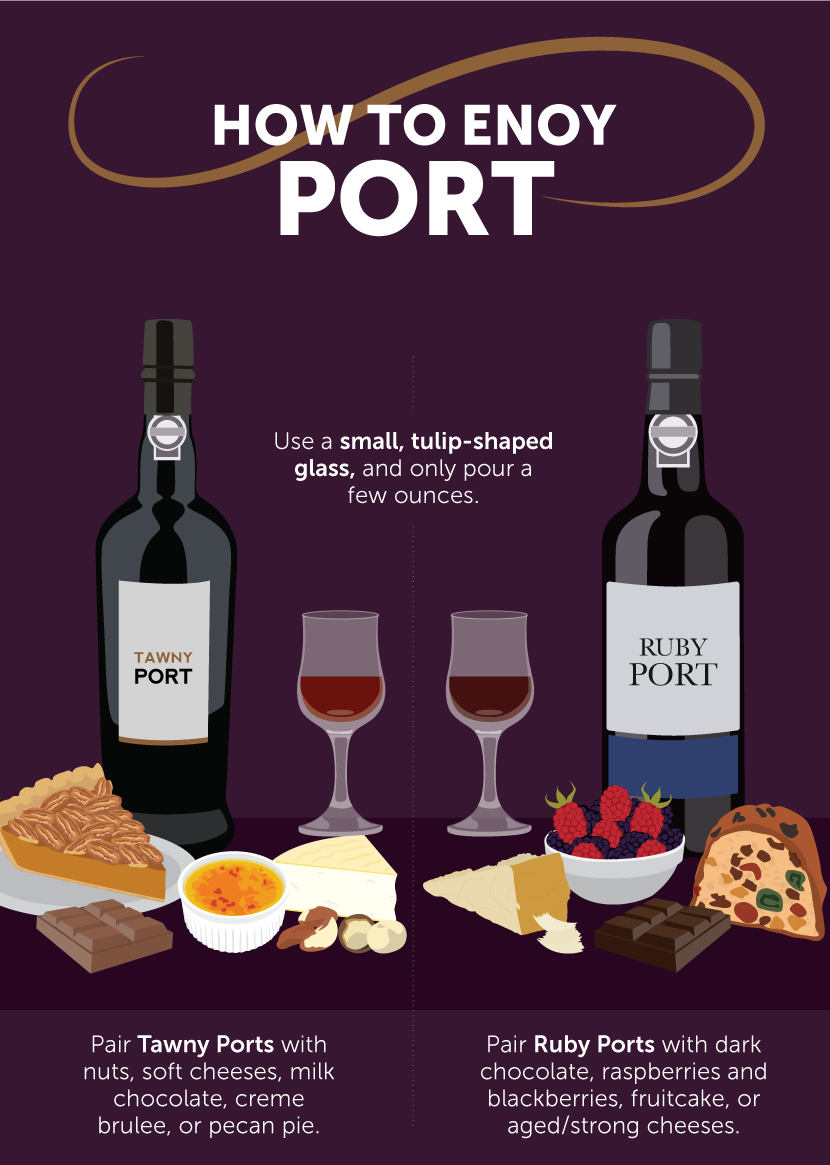
The inherent diversity within the Port wine category is a significant strength of its brand architecture. From the approachable and fruit-forward Ruby, perfect for casual enjoyment or cocktails, to the rich and complex Tawny, ideal for after-dinner sipping, and the deeply profound Vintage Port, reserved for special occasions and connoisseurs, there is a Port for every palate, preference, and price point. This wide spectrum allows Port to occupy multiple market segments, from accessible everyday wines to ultra-premium collectibles. The consistent quality across these diverse styles, underpinned by the strict regulations of the Port Wine Institute, ensures that consumers can trust the Port brand, regardless of the specific product they choose. This breadth of offering also facilitates brand loyalty, as consumers may begin with a more affordable style and gradually ascend to more premium offerings as their appreciation and disposable income grow.
Cultivating Perceived Value Through Heritage and Rarity
Port wine has masterfully cultivated a perception of high value, rooted in its rich heritage, the exclusivity of its origin, and the rarity of its finest expressions. The narrative of the Douro Valley, with its dramatic landscapes and centuries of winemaking tradition, lends an aura of authenticity and prestige. The fact that Port can only be made in this specific region, protected by appellation laws, further enhances its uniqueness and exclusivity. This geographical limitation, combined with the inherent challenges of its production, contributes to a sense of scarcity, particularly for older and rarer Ports. The marketing of Vintage Ports, often released with significant anticipation and commanding high prices, reinforces the brand’s premium positioning. Furthermore, the association of Port with special occasions, celebrations, and gift-giving further elevates its perceived value, positioning it not just as a drink but as an experience, a symbol of sophistication and indulgence.
Global Reach and Targeted Marketing
The enduring appeal of Port wine extends far beyond its native Portugal. A key element of its brand strategy has been its ability to adapt and thrive in international markets. While historically exported to countries like the United Kingdom, its reach has expanded significantly, with growing demand in North America, Asia, and other emerging markets. This global appeal is driven by a combination of factors, including the intrinsic quality of the wine, effective targeted marketing campaigns, and a growing appreciation for fortified wines among a wider consumer base. The Port Wine Institute and individual producers actively promote Port through educational initiatives, tasting events, and strategic partnerships, educating consumers about its diverse styles and its versatility in food pairings. The brand is also adept at leveraging its heritage while embracing modern marketing techniques, ensuring its continued relevance and desirability in an ever-evolving global marketplace. Ultimately, the “what is in Port wine” is a symphony of terroir, tradition, fortification, and sophisticated branding, creating a beverage that is as rich in its history and character as it is in its flavour.
aViewFromTheCave is a participant in the Amazon Services LLC Associates Program, an affiliate advertising program designed to provide a means for sites to earn advertising fees by advertising and linking to Amazon.com. Amazon, the Amazon logo, AmazonSupply, and the AmazonSupply logo are trademarks of Amazon.com, Inc. or its affiliates. As an Amazon Associate we earn affiliate commissions from qualifying purchases.