
The intersection of law and technology has historically been a frontier characterized by a “move fast and break things” mentality. However, recent jurisprudence from the Supreme Court has begun to construct a new framework that will define the digital landscape for decades to come. When we ask “what does the Supreme Court ruling mean” in the context of the technology sector, we are not merely looking at a single case, but a shift in the tectonic plates of digital liability, intellectual property, and regulatory oversight.
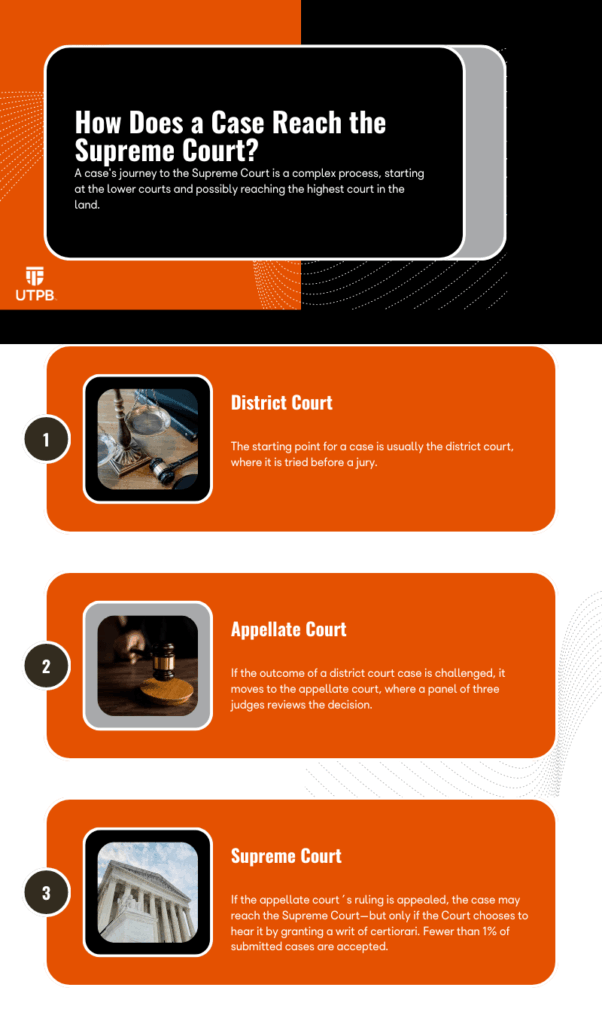
As software evolves and artificial intelligence becomes integrated into the bedrock of global infrastructure, the judiciary is being forced to translate 18th-century constitutional principles into 21st-century code. For developers, tech executives, and digital security experts, these rulings are not just legal footnotes—they are the new blueprints for product development and data management.
Redefining Platform Liability: The Evolution of Section 230
For nearly thirty years, Section 230 of the Communications Decency Act has been described as the “twenty-six words that created the internet.” It provided a liability shield for tech platforms, ensuring they weren’t treated as the publisher of content posted by their users. Recent Supreme Court scrutiny has sought to clarify where this shield ends and where platform responsibility begins, particularly regarding algorithmic recommendations.
The Shield and the Sword of the Digital Age
The traditional interpretation of Section 230 allowed platforms like YouTube, X (formerly Twitter), and Meta to host billions of hours of content without the fear of being sued for every defamatory or illegal post. However, the Supreme Court’s recent focus has shifted toward the active role that software plays in content delivery. The core of the debate is whether a platform’s “neutral” hosting of content transforms into “active” promotion when an algorithm targets specific users.
For software engineers and product managers, this means the era of “unfiltered” algorithmic development may be ending. If the Court narrows the scope of Section 230, developers will need to build more robust safety “guardrails” into their recommendation engines. This could lead to a fundamental change in how newsfeeds and discovery tools are architected, prioritizing safety and verified sources over raw engagement metrics to mitigate legal risk.
Algorithmic Recommendations and Legal Accountability
The technical nuance lies in the distinction between “hosting” and “recommending.” When the Supreme Court reviews cases involving algorithmic amplification, they are essentially asking if the software itself is generating a new product. If a recommendation engine pushes harmful content to a vulnerable user, is the platform merely a passive conduit?
From a technical standpoint, this ruling implies that “black box” algorithms—where even the creators cannot fully explain why a specific piece of content was prioritized—may become a liability. We are likely to see a trend toward “Explainable AI” (XAI) and more transparent recommendation logic. Tech companies will need to document the “intent” of their algorithms more clearly, ensuring that their software is not inadvertently categorized as a “co-author” of user-generated content.
Intellectual Property in the Era of Generative AI
The rise of Large Language Models (LLMs) and generative image tools has brought the Supreme Court face-to-face with the concept of “fair use.” As AI tools are trained on massive datasets of human-created content, the legal definition of what constitutes a “transformative” work is being rewritten.
Copyright Law vs. Large Language Models
The Supreme Court’s rulings on copyright, such as those involving the interpretation of “transformative use,” have immediate consequences for AI developers. If the Court leans toward a stricter definition of copyright, the cost of training high-quality AI models will skyrocket. Developers would no longer be able to rely on “scraping” public data under the assumption of fair use; instead, they would need to negotiate licensing agreements with every content creator.
This would create a “moat” around tech giants who have the capital to purchase these licenses, potentially stifling smaller startups and open-source AI projects. For the tech community, the ruling means a shift in focus toward “clean” datasets and “synthetic data” generation—using AI to create the data needed to train other AI models—to bypass the legal minefield of human-generated intellectual property.
Fair Use and the Precedent of Transformative Content
A critical aspect of recent judicial thinking is whether a digital tool adds something new with a further purpose or different character. When an AI generates an image in the style of a famous artist, or a coding assistant suggests a block of code similar to a protected library, the Supreme Court’s guidance on “purpose and character” determines the legality of the software.

We are seeing the emergence of “Copyright-as-a-Service” (CaaS) within the tech ecosystem. Companies are now building tools specifically designed to scan AI outputs for potential copyright violations before they reach the end-user. The ruling effectively mandates a new layer in the software stack: a legal-compliance filter that sits between the AI model and the user interface.
Digital Privacy and Government Oversight
Perhaps the most significant impact of Supreme Court rulings involves the digital “Fourth Amendment”—the right of the people to be secure in their persons, houses, papers, and effects, against unreasonable searches and seizures. In a world of cloud computing and ubiquitous mobile tracking, the definition of a “search” has changed.
Fourth Amendment Protections in the Cloud
As more of our personal and professional lives move into the cloud, the Supreme Court has had to decide whether data held by a third-party (like Google or Amazon) deserves the same protection as a physical file cabinet in an office. Rulings that strengthen digital privacy mean that tech companies must invest more heavily in end-to-end encryption and decentralized data storage.
For digital security professionals, these rulings provide a mandate for “Privacy by Design.” If the Court rules that government access to cloud data requires a high bar of probable cause, it incentivizes the tech industry to create systems where even the service provider cannot access user data (Zero-Knowledge Architecture). This shift moves the burden of security from the legal system to the software architecture itself.
The Impact of Weakening Agency Deference
A landmark shift in the Supreme Court’s approach involves the overturning of “Chevron deference,” a principle that previously allowed federal agencies (like the FCC or FTC) to interpret ambiguous laws. For the tech sector, this is a double-edged sword. On one hand, it limits the ability of agencies to unilaterally impose new regulations on emerging technologies like AI or crypto. On the other hand, it creates a vacuum of expertise.
In the absence of agency guidance, tech companies must now look directly to the courts for clarity. This means that software specifications and digital security protocols may be decided by judges rather than technical experts at the FTC. Consequently, tech firms are increasingly hiring “legal-engineers”—professionals who can translate complex technical architectures into legal arguments that can stand up in a courtroom.
Navigating the New Regulatory Landscape for Tech Companies
The cumulative effect of these Supreme Court rulings is a more fragmented and legally complex environment for tech innovation. The “wild west” era of the internet is being replaced by a highly codified system where every line of code carries potential legal weight.
Compliance Strategies for Startups and Giants
For a startup building a new app, these rulings mean that “legal debt” is now just as dangerous as “technical debt.” Early-stage companies can no longer afford to ignore the legal implications of their data collection or their algorithmic sorting. We are seeing a rise in “Compliance-Tech” (CompTech)—software designed specifically to help other companies adhere to the shifting judicial landscape.
Automated auditing tools that check for bias in AI, data anonymization software that protects user privacy, and automated DMCA (Digital Millennium Copyright Act) takedown systems are becoming standard parts of the modern tech stack. The ruling means that compliance is no longer a manual process handled by lawyers; it is a technical requirement built into the CI/CD (Continuous Integration/Continuous Deployment) pipeline.
Balancing Innovation with Judicial Constraints
The ultimate meaning of these Supreme Court rulings is that the tech industry must mature. Innovation can no longer happen in a vacuum, isolated from the social and legal consequences of the tools being created. While some argue that judicial intervention stifles progress, others believe it provides the necessary certainty for long-term investment.
As we look toward the future of gadgets, apps, and AI, the “meaning” of the Supreme Court’s involvement is clear: the most successful tech products of the next decade will be those that are built with a deep understanding of legal boundaries. Engineers must become amateur lawyers, and lawyers must become amateur engineers. In this new era, the code is the law, but the law is increasingly defining the code.
By understanding these judicial shifts, the tech community can better anticipate the hardware requirements, software architectures, and security protocols needed to thrive. The Supreme Court is not just ruling on cases; it is setting the parameters for the next generation of human-machine interaction. For those in the niche of technology, staying ahead of these rulings is not just a matter of compliance—it is a competitive advantage.
aViewFromTheCave is a participant in the Amazon Services LLC Associates Program, an affiliate advertising program designed to provide a means for sites to earn advertising fees by advertising and linking to Amazon.com. Amazon, the Amazon logo, AmazonSupply, and the AmazonSupply logo are trademarks of Amazon.com, Inc. or its affiliates. As an Amazon Associate we earn affiliate commissions from qualifying purchases.