
Pasteles, a revered culinary tradition spanning various Latin American cultures, particularly in the Caribbean, is far more than just a dish; it is a profound cultural statement, a staple of heritage, and, from a strategic perspective, a distinct product with a robust brand identity. Understanding “what is in pasteles” transcends a mere ingredient list; it delves into the foundational elements that define its unique market positioning, authenticity, and consumer appeal. For businesses aiming to market this traditional delicacy, or for regions leveraging pasteles as part of their cultural tourism, a deep appreciation of its core components is essential for effective brand strategy.

The Core Identity: Ingredients as Brand Pillars
The very essence of pasteles, its distinctive flavor, texture, and appearance, stems directly from its constituent ingredients. These are not just components; they are the pillars upon which the pasteles “brand” is built, dictating consumer expectations and defining authenticity.
Root Vegetables: The Foundation of Authenticity
At the heart of pasteles lies a unique masa (dough) typically crafted from a blend of grated root vegetables. This mixture is a critical differentiator, immediately setting pasteles apart from tamales, which often use corn-based masa. The primary root vegetables include:
- Green Plantains: Unripe plantains contribute a starchy, slightly astringent base, essential for the masa’s texture and ability to hold its form. Their inclusion is a non-negotiable aspect of traditional pasteles, forming a critical brand identifier.
- Green Bananas: Similar to plantains, green bananas add to the masa’s binding qualities and impart a subtle flavor. The careful balance between plantains and bananas is often a signature of a particular regional style or family recipe, becoming a sub-brand characteristic.
- Yautía (Taro Root): Known for its mucilaginous quality, yautía lends a smooth, somewhat viscous texture to the masa, enhancing its palatability and contributing to the dish’s distinct mouthfeel. Its presence speaks to the traditional methods and commitment to authentic preparation.
- Calabaza (Pumpkin or Squash): In some variations, a small amount of calabaza is added, contributing a hint of sweetness and a softer texture. This inclusion can signal a specific regional variation or a particular “house style,” offering a subtle diversification within the broader pasteles brand.
The meticulous grating and blending of these roots are fundamental to the pasteles brand’s promise of tradition and quality. Any deviation, such as using pre-made mixes or alternative starches, risks diluting this core identity and impacting consumer perception of authenticity.
Protein Fillings: Crafting the Distinctive Flavor Profile
The filling is where pasteles truly expresses its rich, savory character, acting as a crucial element in its flavor brand. While regional variations exist, common fillings often include:
- Pork (Pernil): Often seasoned and slow-cooked until tender, pork is perhaps the most iconic filling for pasteles. Its rich, savory depth defines a significant segment of the pasteles market, appealing to those seeking a robust, traditional taste.
- Chicken (Pollo): Shredded chicken, often stewed in a flavorful sofrito base, offers a lighter alternative while still delivering a satisfying profile. This option allows for market segmentation, catering to different dietary preferences or offering a perceived “healthier” brand variant.
- Beef (Res): Ground or shredded beef, typically seasoned with herbs and spices, also features in various pasteles. The choice of protein impacts the overall flavor signature and allows brands to cater to diverse palates.
- Vegetarian/Vegan Options: Increasingly, businesses are innovating with fillings made from mushrooms, legumes, or plant-based meats. While diverging from tradition, these innovations demonstrate brand adaptability and an effort to expand market reach without sacrificing the core structural integrity of the pasteles form.
The preparation of these fillings, often involving slow-cooking and a rich sofrito base (a blend of aromatics like onions, garlic, peppers, and cilantro), is integral to the overall flavor experience and, by extension, the pasteles brand’s quality promise.
Achiote and Aromatics: The Signature Color and Scent
Beyond the main ingredients, subtle additions contribute significantly to pasteles’ sensory brand.
- Achiote Oil (Annatto Oil): This vibrant orange-red oil is crucial, not just for its subtle, earthy flavor, but primarily for imparting the characteristic golden-orange hue to the masa. Visually, this color is an immediate identifier of pasteles, a key part of its visual brand identity that evokes warmth, richness, and tradition.
- Sofrito: The ubiquitous aromatic base, comprising onions, garlic, peppers (like ají dulce), cilantro, and culantro, is fundamental to both the masa and the filling. It provides the deep, layered flavor profile and distinctive aroma that is instantly recognizable and deeply associated with the pasteles brand.
- Other Seasonings: Olives, capers, raisins, bay leaves, and various spices (cumin, oregano) are often incorporated into the filling, adding complexity and specific flavor notes. These nuances contribute to the perceived sophistication and authenticity of the pasteles product.
These seemingly minor components are crucial for brand recognition and sensory appeal. The precise balance of these elements can distinguish a premium pasteles brand from a generic one.
Regional Variations and Brand Adaptation
While core ingredients define the overarching pasteles brand, regional specificities offer opportunities for niche branding and market differentiation.
Local Ingredients, Global Appeal
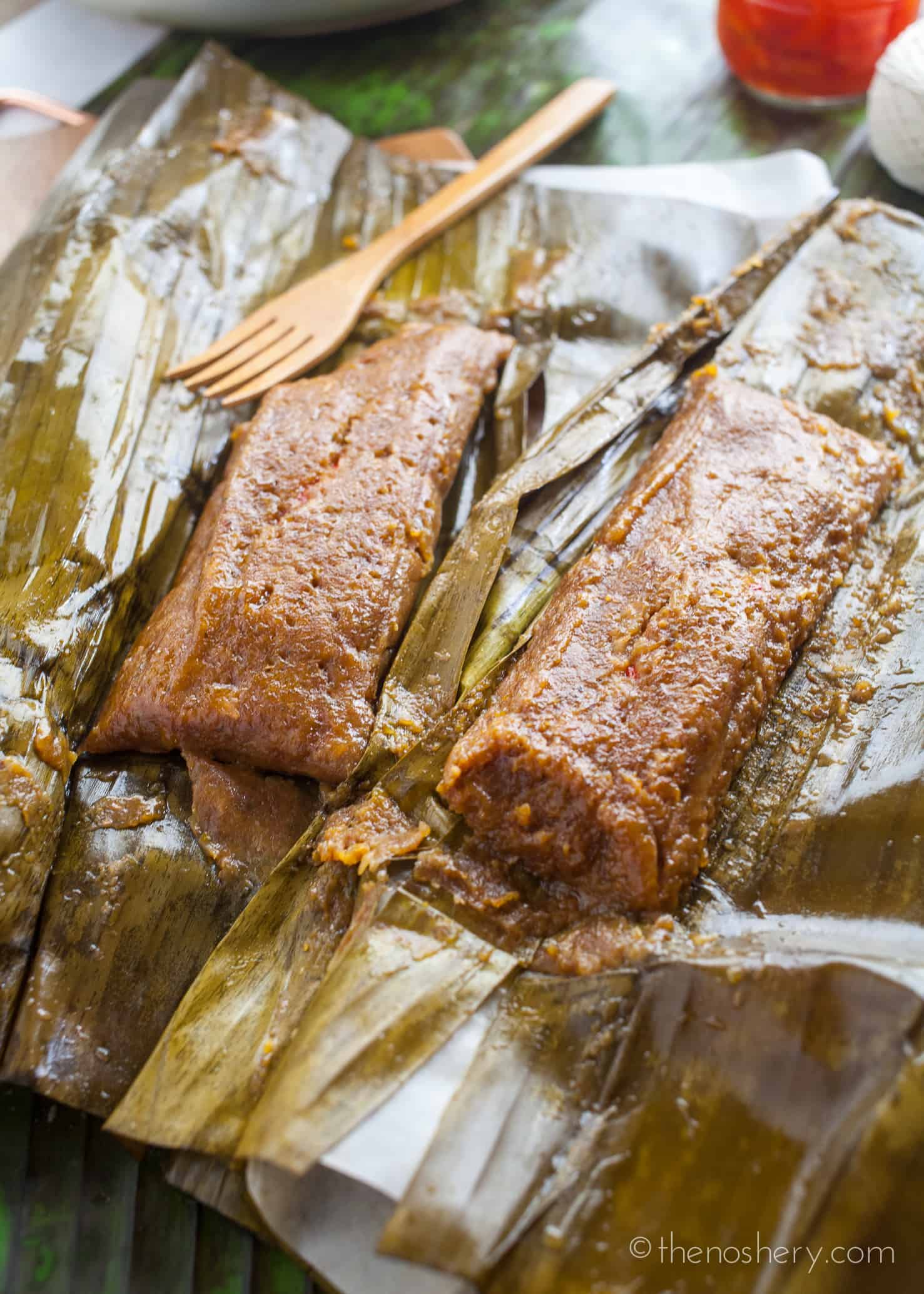
Different regions or countries that prepare pasteles often integrate locally available ingredients or preferred flavor profiles. For instance, Puerto Rican pasteles are renowned for their robust masa blend and often incorporate plantain leaves for wrapping. Dominican pasteles might feature different root blends or spices. Cuban pasteles (pastelitos) often refer to a pastry, highlighting the importance of precise terminology in branding.
A brand looking to market pasteles broadly can either:
- Champion a specific regional style: Emphasizing “Authentic Puerto Rican Pasteles” creates a distinct sub-brand with a clear target audience and defined flavor expectations.
- Create a fusion or adapted version: While risky in terms of maintaining authenticity perception, a “Modern Twist Pasteles” brand could innovate with fillings or masa blends, appealing to new demographics. This requires careful messaging to avoid alienating traditionalists.
Understanding these variations is critical for a brand to position itself accurately within the market, whether as a purveyor of tradition or an innovator.
Maintaining Core Identity Amidst Innovation
As food trends evolve, there’s pressure to innovate. For pasteles, this could mean gluten-free masa, plant-based fillings, or streamlined preparation methods. A successful brand strategy in this context involves carefully balancing innovation with the preservation of core identity. “What is in pasteles” must still resonate with the essential characteristics: the dense, savory masa, the flavorful filling, and the traditional wrapping method. Innovation should enhance the experience without diluting the brand’s fundamental promise of a traditional, hearty, and culturally rich dish.
Beyond Ingredients: The Preparation Method as Brand Story
The ingredients tell a significant part of the pasteles story, but the preparation method itself is an equally powerful brand element, signifying care, tradition, and culinary artistry.
Handcrafted Tradition: A Mark of Quality
Pasteles are famously labor-intensive to prepare, involving grating, mixing, seasoning, filling, wrapping, and cooking. This handcrafted nature is a major selling point and a powerful brand narrative. Businesses that emphasize their “artisanal” or “handmade” pasteles tap into a consumer desire for authentic, quality products made with care. The use of traditional wrapping materials like plantain leaves (which impart a unique flavor and aroma during cooking) further reinforces this image of meticulous craftsmanship and traditional methods. This labor-intensive process contributes significantly to the perceived value and premium pricing often associated with high-quality pasteles.
The Cultural Narrative: Connecting with Consumers
The preparation of pasteles is often a communal activity, passed down through generations. This deep cultural context offers a rich storytelling opportunity for brands. Highlighting the heritage, family traditions, and festive occasions associated with pasteles creates an emotional connection with consumers. A brand that successfully communicates this cultural narrative transforms pasteles from a mere food item into an experience, fostering loyalty and a sense of shared identity. This storytelling can focus on “what is in pasteles” as embodying family love, celebration, and culinary legacy.
Market Positioning: Differentiating Through Authenticity
For any food brand, effective market positioning is about highlighting unique selling propositions. For pasteles, authenticity, quality, and heritage are paramount, all stemming directly from “what is in pasteles” and how it’s prepared.
Premium Positioning: The Value of Traditional Components
Given the labor involved and the specific, often fresh, ingredients required, pasteles naturally lend themselves to a premium market position. Brands can leverage this by emphasizing:
- Ingredient Purity: Sourcing high-quality, fresh root vegetables and premium meats.
- Traditional Methods: Highlighting the artisanal, handcrafted process.
- Cultural Heritage: Connecting the product to a rich history and festive occasions.
This positioning justifies a higher price point and appeals to consumers who value authenticity and quality in their culinary experiences.

Brand Messaging: Highlighting Ingredient Purity and Heritage
Marketing efforts for pasteles should consistently reinforce the brand’s commitment to its core ingredients and traditional preparation. Messaging can focus on:
- “Made with 100% fresh, grated root vegetables.”
- “Hand-wrapped in authentic plantain leaves.”
- “A taste of tradition, perfected through generations.”
These messages directly address “what is in pasteles” and transform it into a compelling reason to choose a particular brand, distinguishing it from mass-produced or less authentic alternatives. In essence, the ingredients and methods are not just components; they are the narrative, the promise, and the very identity of the pasteles brand in the marketplace.
aViewFromTheCave is a participant in the Amazon Services LLC Associates Program, an affiliate advertising program designed to provide a means for sites to earn advertising fees by advertising and linking to Amazon.com. Amazon, the Amazon logo, AmazonSupply, and the AmazonSupply logo are trademarks of Amazon.com, Inc. or its affiliates. As an Amazon Associate we earn affiliate commissions from qualifying purchases.