
In the world of professional branding and strategic marketing, the distance between a brilliant idea and a successful execution is bridged by a single, critical document: the creative brief. Often described as the “North Star” of a project, a creative brief is more than just a list of instructions. It is a strategic foundation that aligns stakeholders, inspires designers, and ensures that every creative output reinforces the overarching brand identity.
When a brand decides to launch a new campaign, redesign a logo, or overhaul its digital presence, the creative brief acts as the roadmap. Without it, projects frequently succumb to “scope creep,” misaligned expectations, and aesthetic choices that fail to resonate with the target audience. To understand what is in a creative brief is to understand the mechanics of successful brand strategy.
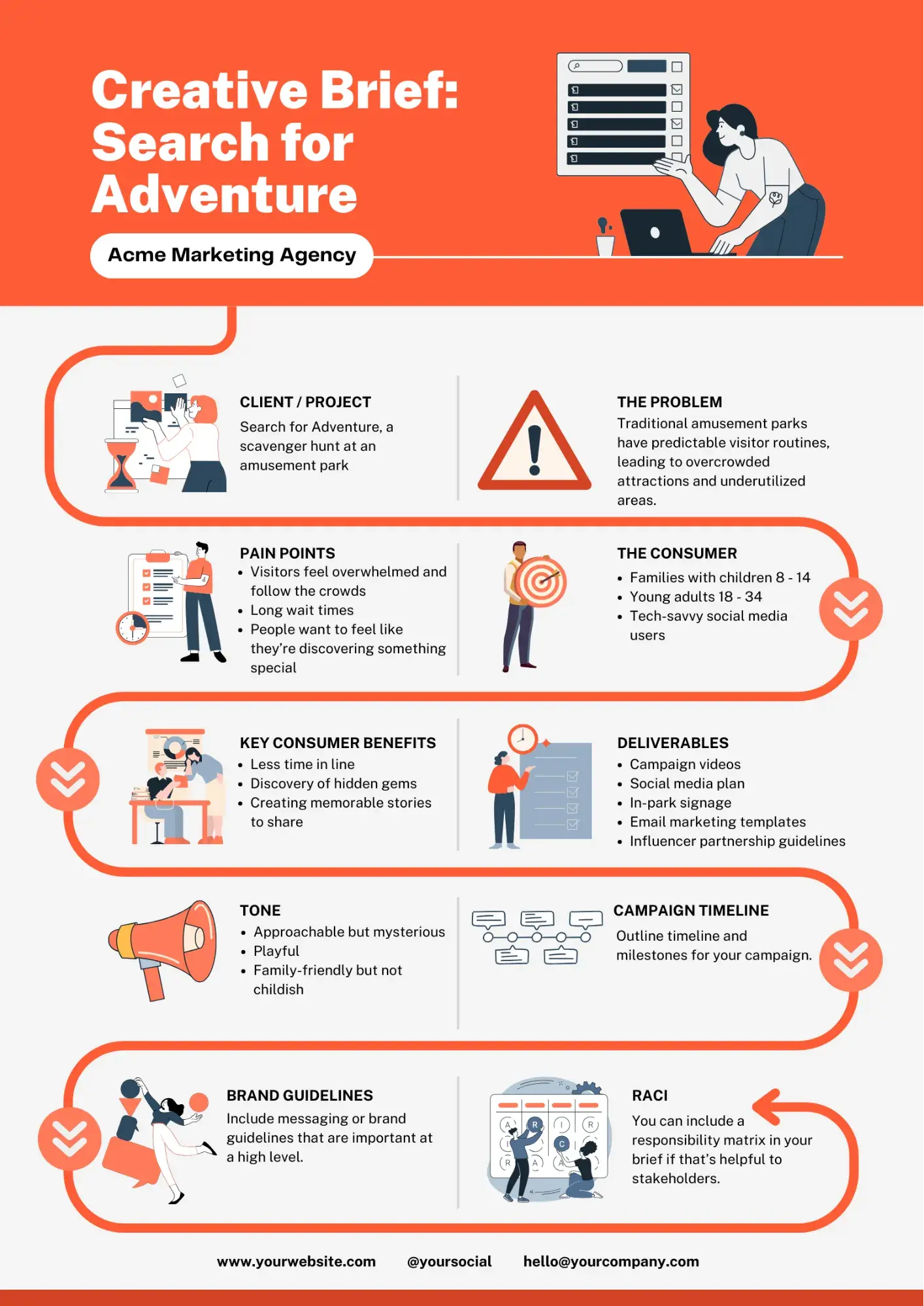
The Essential Anatomy of a Strategic Creative Brief
At its core, a creative brief is designed to provide clarity. It distills complex business goals into actionable insights for creative teams—copywriters, art directors, and designers. While every agency or brand might have a slightly different template, the most effective briefs contain several non-negotiable components.
Project Overview and Business Objectives
The first section of any creative brief must answer the fundamental question: Why are we doing this? This is not merely a description of the task (e.g., “we need a new brochure”) but an explanation of the business challenge at hand. Is the brand suffering from a lack of awareness in a new market? Is a legacy product struggling to compete with a modern disruptor?
By defining the business objectives—such as increasing market share by 5%, pivoting to a younger demographic, or launching a new sub-brand—the creative team gains context. This context allows them to move beyond “making things look good” to “solving a business problem through design.”
Target Audience and Consumer Insights
In branding, if you try to speak to everyone, you end up speaking to no one. A robust creative brief identifies exactly who the message is for. This goes beyond basic demographics like age, location, and income. High-level branding requires deep psychographic insights.
The brief should explore the audience’s motivations, pain points, and current perceptions of the brand. What does the consumer believe right now, and what do we want them to believe after interacting with this project? Understanding the “human truth” behind the consumer’s behavior allows the creative team to build an emotional connection, which is the cornerstone of brand loyalty.
Key Messaging and the “One Big Idea”
The most effective creative briefs are focused. They do not attempt to communicate ten different messages at once. Instead, they identify the “Single Minded Proposition”—the one most important thing the audience should remember.
This section outlines the primary message and the supporting “reasons to believe.” If the brand is positioning itself as the most sustainable option in its category, the brief must provide the facts or certifications that back up that claim. This ensures that the creative execution is not just imaginative, but also grounded in the brand’s unique value proposition.
The Role of the Creative Brief in Protecting Brand Strategy
Beyond being a project management tool, the creative brief is a guardian of brand equity. In a landscape where consumers interact with brands across dozens of different touchpoints—from social media and email to physical packaging and television—consistency is paramount.
Ensuring Brand Consistency and Cohesion
A brand is not defined by a single ad, but by the cumulative experience a consumer has with it over time. The creative brief ensures that every project, regardless of the medium, adheres to the established brand guidelines. This includes the visual identity (colors, typography, logo usage) and the verbal identity (voice, tone, and vocabulary).
When a creative brief clearly outlines the brand’s personality—perhaps it is “authoritative yet accessible” or “rebellious and high-energy”—it prevents the brand from drifting off-course. This consistency builds trust with the audience, as they come to know exactly what to expect from the brand.
Aligning Stakeholders and Creative Teams
One of the primary causes of project failure is a lack of alignment between the “suits” (the business side) and the “creatives” (the artistic side). The creative brief serves as a contract of sorts. When stakeholders sign off on the brief before work begins, they are agreeing to the strategy, the goals, and the criteria for success.

This prevents subjective feedback later in the process. Instead of a stakeholder saying, “I don’t like this shade of blue,” the conversation shifts back to the brief: “Does this visual direction effectively communicate the ‘premium’ feel we agreed upon in the strategy?” By grounding feedback in the brief, the brand protects its strategic interests and avoids the pitfalls of personal preference.
Best Practices for Crafting a Compelling Brief
The word “brief” is intentional. A document that is thirty pages long will likely be ignored or misunderstood. The art of the creative brief lies in its brevity and its ability to inspire.
The Importance of Clarity and Inspiration
A common mistake in brand management is filling a brief with corporate jargon and empty buzzwords. Words like “innovative,” “world-class,” and “synergy” provide no direction to a designer. Instead, the writer of the brief should use evocative, descriptive language.
Instead of saying “the brand should look modern,” a brief might say “the brand should feel like a high-end minimalist gallery in Tokyo.” This provides a visual starting point and sparks the creative imagination. A great brief doesn’t just list facts; it tells a story that the creative team wants to participate in.
Defining Deliverables, Mandatories, and Timelines
While the “why” and “who” are the heart of the brief, the “what” and “when” are the bones. This section must be meticulously detailed to avoid logistical bottlenecks.
- Deliverables: Exactly what is being produced? (e.g., three 15-second social media videos, five static display ads, and one landing page).
- Mandatories: Are there specific legal disclaimers that must be included? Does the partner’s logo need to be the same size as the brand’s logo?
- Timeline: When are the first drafts due? When is the final deadline?
By setting these parameters early, the brand ensures that the creative process remains disciplined and that the project is delivered on time and within budget.
Measuring Success: From Brief to Execution
The lifecycle of a creative brief does not end once the creative team starts working. It remains the benchmark against which the final work is measured.
KPIs and Success Metrics
A professional creative brief should define how the brand will measure the success of the output. In the brand niche, these KPIs (Key Performance Indicators) might include brand lift, sentiment analysis, or engagement rates. If the goal was to improve “brand warmth,” the success should be measured through consumer surveys that track changes in perception.
By including these metrics in the brief, the brand holds the creative team—and the strategy itself—accountable. It turns the creative process from an abstract pursuit of beauty into a measurable business investment.
The Feedback Loop and Iteration
Finally, the creative brief facilitates a healthy feedback loop. During the review process, the brief acts as the objective arbiter. If the creative work has missed the mark, the brief helps identify where the disconnect occurred. Was the target audience too broad? Was the messaging unclear?
This iterative process allows brand managers to refine their strategy for future projects. Over time, a brand that masters the art of the creative brief will find that its campaigns become more effective, its team becomes more efficient, and its identity becomes more resonant in the marketplace.
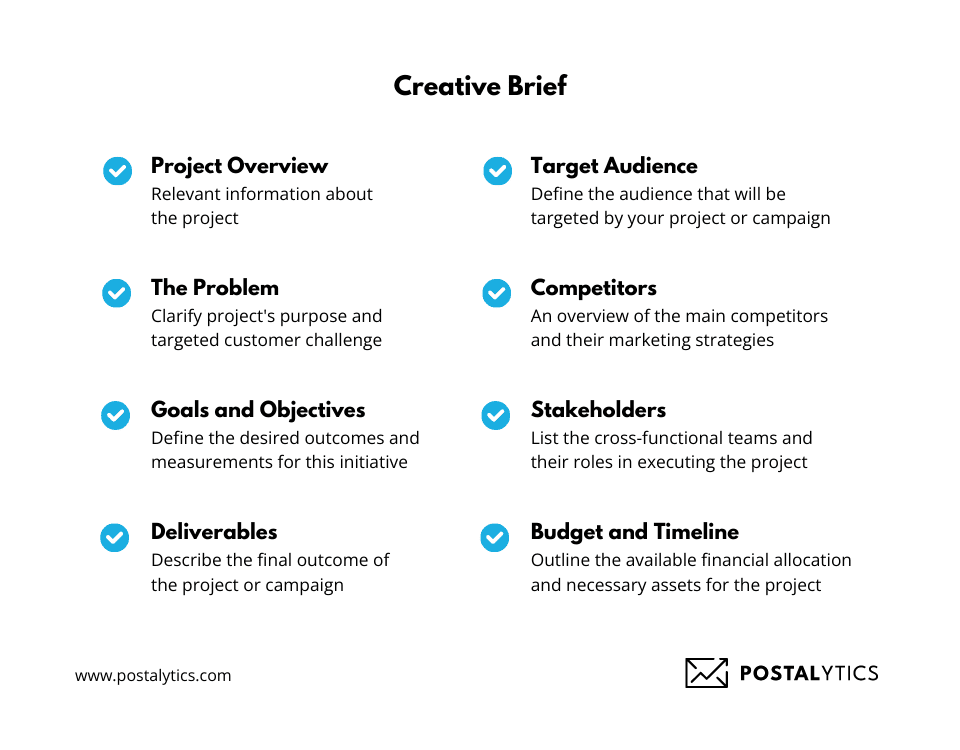
Conclusion: The Strategic Heart of Branding
In conclusion, “what is in a creative brief” is far more than a checklist of requirements. It is a sophisticated instrument of brand strategy that aligns business goals with creative execution. It defines the audience, crystallizes the message, ensures consistency, and provides a framework for accountability.
For any brand looking to make a lasting impact, the investment of time into a high-quality creative brief is never wasted. It is the insurance policy that guarantees the creative team isn’t just working hard, but is working toward a common, strategically sound vision. In the high-stakes world of brand identity and marketing, the brief is the difference between a project that merely exists and one that truly performs.
aViewFromTheCave is a participant in the Amazon Services LLC Associates Program, an affiliate advertising program designed to provide a means for sites to earn advertising fees by advertising and linking to Amazon.com. Amazon, the Amazon logo, AmazonSupply, and the AmazonSupply logo are trademarks of Amazon.com, Inc. or its affiliates. As an Amazon Associate we earn affiliate commissions from qualifying purchases.