
The quest to determine one’s “ideal calorie intake per day” has long been a cornerstone of health, fitness, and weight management. Traditionally, this involved consulting generic charts, complex formulas, or the advice of a nutritionist. While these methods still hold value, the digital revolution has fundamentally transformed how we approach this personal metric. Today, technology isn’t just a supplementary tool; it’s rapidly becoming the primary driver in understanding, calculating, tracking, and optimizing daily caloric needs with unprecedented precision and personalization.
In a world increasingly reliant on data and digital solutions, the concept of ideal calorie intake has evolved from a static number to a dynamic, algorithm-driven journey. This article delves into how technology, from sophisticated algorithms and wearable devices to AI-powered applications, is demystifying caloric intake, making personalized nutrition accessible, and empowering individuals to take control of their dietary health. We’ll explore the tech stack that helps us define, monitor, and adapt our ideal calorie consumption, moving beyond one-size-fits-all advice towards truly individualized dietary strategies.
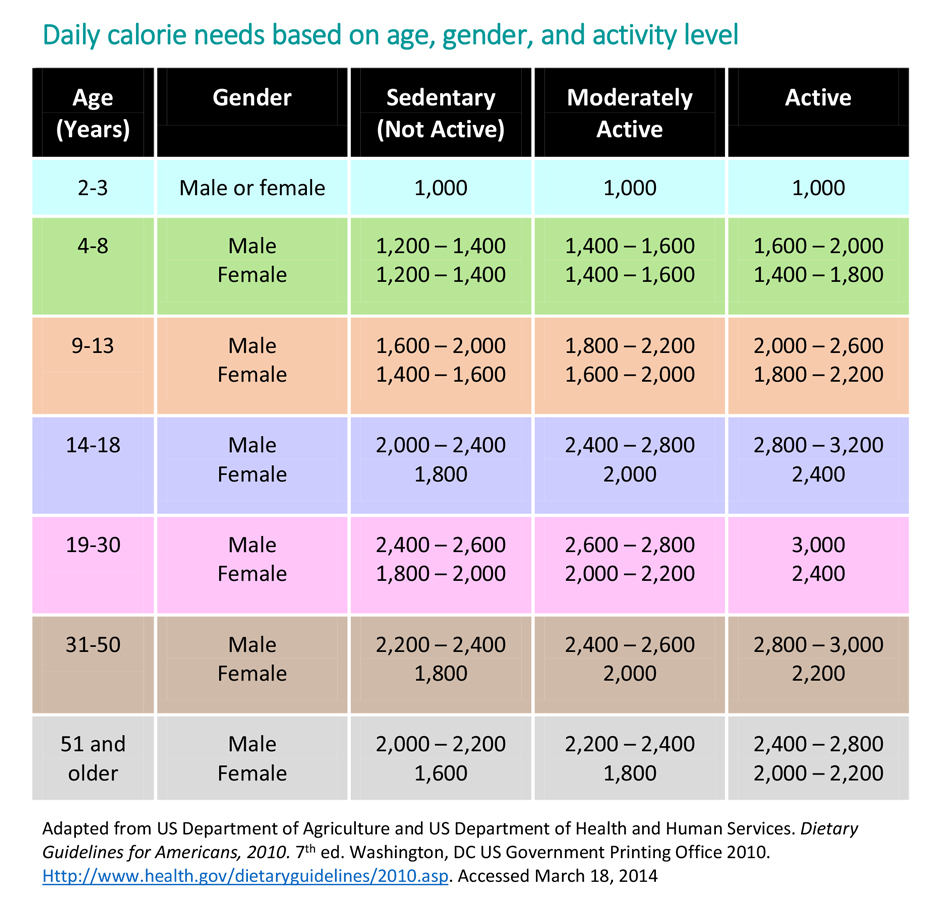
The Scientific Foundation Meets Digital Precision: Understanding Your Caloric Needs
At its core, ideal calorie intake is about balancing energy consumed with energy expended. Technology has stepped in to refine both sides of this equation, making the foundational science of metabolism more accessible and actionable for the everyday user.
Beyond General Guidelines: Basal Metabolic Rate (BMR) and Total Daily Energy Expenditure (TDEE) Calculators
The journey to understanding ideal calorie intake begins with two critical physiological markers: Basal Metabolic Rate (BMR) and Total Daily Energy Expenditure (TDEE). BMR represents the calories your body burns at rest to maintain basic life functions, while TDEE accounts for your BMR plus the energy expended through physical activity. Historically, these were calculated using cumbersome equations like the Mifflin-St Jeor or Harris-Benedict formulas, often requiring manual calculations or professional consultation.
Today, sophisticated online calculators and integrated app features perform these calculations instantly. Users input basic parameters like age, gender, weight, height, and activity level. Algorithms then process this data, providing a far more accurate and personalized estimate of BMR and TDEE than generic charts ever could. These digital tools often offer explanations of the underlying science, helping users understand why certain numbers are generated and how different factors influence their caloric baseline. The transparency and ease of access have made these foundational concepts digestible for a broader audience, marking a significant leap from generalized health advice to data-driven insights.
The Role of Wearable Technology in Activity Tracking
While BMR is a relatively stable figure, TDEE is highly dynamic, fluctuating with daily activity. This is where wearable technology has become indispensable. Smartwatches, fitness trackers, and even advanced smartphones, equipped with accelerometers, gyroscopes, and heart rate sensors, continuously monitor physical activity. They track steps taken, distance covered, duration of exercise, and crucially, estimate active calories burned.
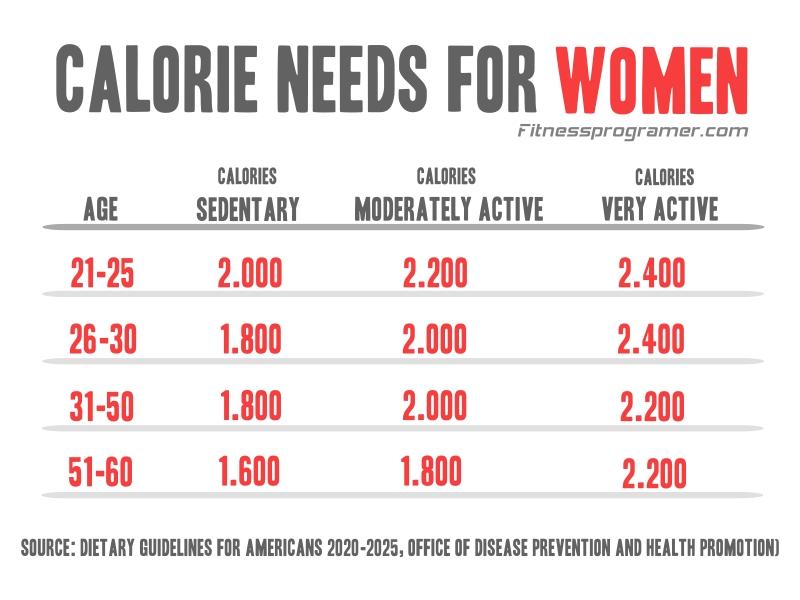
These devices go beyond simple step counting. By continuously monitoring heart rate and combining it with user-specific data (age, weight), they can provide remarkably accurate estimations of energy expenditure during various activities, from a leisurely walk to an intense workout. This real-time, personalized activity data is invaluable. When integrated with nutrition tracking apps, it dynamically adjusts the user’s estimated TDEE. Instead of relying on a static “moderately active” or “very active” category, users receive a more precise, minute-by-minute reflection of their energy output, enabling them to align their caloric intake more closely with their actual energy expenditure for precise weight management or fitness goals.
Smart Tools for Accurate Food Logging and Nutritional Analysis
Once an individual has a clearer picture of their caloric needs, the next challenge is accurately tracking caloric intake. The laborious process of manually looking up nutritional information and logging every meal has been revolutionized by smart tools designed for efficiency and comprehensiveness.
AI-Powered Food Recognition and Barcode Scanners
The biggest barrier to consistent food logging has always been the effort required. Modern nutrition apps tackle this head-on with ingenious technological solutions. AI-powered image recognition allows users to simply snap a photo of their meal, and the app attempts to identify the food items and estimate portion sizes, drawing from vast databases of nutritional information. While not always perfect, this feature significantly reduces the manual entry burden and offers a convenient starting point for logging.
Even more widespread is the use of barcode scanners. Most packaged foods in developed countries carry barcodes, which, when scanned by an app, instantly pull up detailed nutritional data from a comprehensive database. This feature eliminates manual searching, reduces errors, and makes logging pre-packaged foods incredibly fast and accurate. These technological advancements have transformed food logging from a tedious chore into a relatively seamless part of daily routine, improving adherence and data quality.
Comprehensive Macronutrient and Micronutrient Tracking
Beyond simple calorie counting, smart nutrition apps offer deep dives into the composition of an individual’s diet. They break down caloric intake into macronutrients—proteins, fats, and carbohydrates—and often provide insights into micronutrients (vitamins and minerals). This granular data is crucial for anyone pursuing specific dietary goals, such as bodybuilders aiming for particular macro ratios, individuals following ketogenic diets, or those with specific nutritional deficiencies.
Users can set targets for macro ratios (e.g., 40% carbs, 30% protein, 30% fat), and the apps provide real-time feedback on how their daily intake aligns with these goals. Some advanced apps even offer insights into dietary fiber, sugar intake, and sodium levels. This level of detail moves beyond mere quantity, allowing users to understand the quality of their calorie intake and make more informed decisions about food choices, ensuring not just sufficient energy but also balanced nutrition.
Personalization and Predictive Analytics: The Future of Calorie Management
The ultimate promise of technology in calorie management lies in its ability to offer truly personalized, adaptive guidance. Leveraging artificial intelligence and the Internet of Things (IoT), systems are becoming increasingly intelligent, moving from reactive tracking to proactive recommendations.
AI and Machine Learning for Tailored Recommendations
The next frontier in digital nutrition is the application of AI and machine learning. These advanced algorithms analyze a user’s historical data—logged food, activity levels, weight trends, and even subjective feedback—to identify patterns and provide tailored recommendations. Instead of generic advice, AI can suggest specific adjustments to calorie intake or macro ratios based on how an individual’s body has responded over time.
For instance, if an AI detects that a user consistently overshoots their calorie target on weekends, it might suggest pre-logging meals or recommending lower-calorie alternatives for common weekend indulgences. Predictive modeling allows these systems to forecast weight loss or gain based on current intake and activity, offering a powerful motivational tool. Adaptive algorithms learn individual metabolic responses, recognizing that two people with identical TDEEs might respond differently to the same caloric deficit, thereby fine-tuning recommendations with greater precision than any human could manually process.
Integrating IoT Devices for a Holistic View
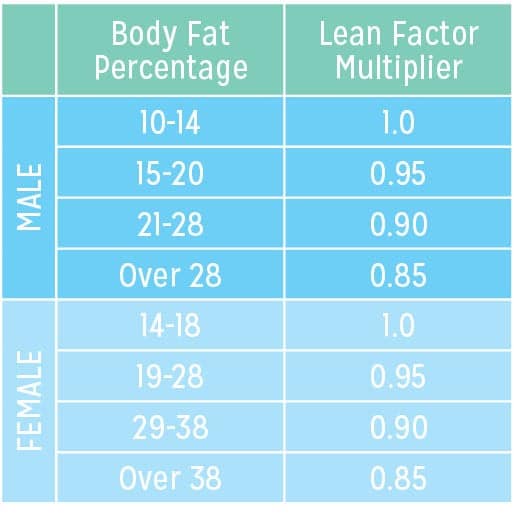
The expansion of the Internet of Things (IoT) is creating an interconnected ecosystem for health and nutrition. Smart scales, for example, don’t just measure weight; they can track body composition (body fat percentage, muscle mass) and automatically sync this data with a central nutrition app. Smart kitchen appliances, such as scales that weigh ingredients and provide nutritional breakdowns, or blenders with integrated calorie counters, are emerging, promising to automate aspects of food preparation and portion control.
This integration of multiple IoT devices provides a holistic, real-time picture of an individual’s health parameters. When a smart scale syncs weight changes, a fitness tracker reports activity, and a nutrition app logs food, the overarching platform gains a comprehensive dataset. This rich data allows for more accurate adjustments to ideal calorie intake, deeper insights into how lifestyle choices affect health metrics, and a more seamless, less intrusive tracking experience.
Challenges and Ethical Considerations in Tech-Driven Nutrition
While the benefits of technology in managing ideal calorie intake are immense, it’s crucial to acknowledge the challenges and ethical considerations that accompany this digital transformation.
Data Accuracy and User Engagement
The efficacy of tech-driven nutrition hinges on the principle of “garbage in, garbage out.” If users inaccurately log their food, overestimate portion sizes, or forget to log meals, even the most sophisticated algorithms will produce flawed recommendations. User fatigue is another significant hurdle; the commitment required for consistent, accurate logging can be demanding, leading to disengagement over time. App developers are continually working on more intuitive interfaces, gamification, and streamlined logging methods (like voice command or more advanced AI recognition) to combat these issues, but user diligence remains paramount.
Privacy Concerns and Data Security
The collection of sensitive personal health data—including weight, activity levels, dietary habits, and potentially even medical conditions—raises significant privacy concerns. Users entrust a wealth of intimate information to these platforms. Companies must adhere to rigorous data security protocols and transparent privacy policies to protect this information from breaches and misuse. The ethical implications of how this data is stored, shared (e.g., with third-party advertisers or researchers), and anonymized are ongoing discussions that require robust regulatory frameworks and continuous oversight.
The Human Element: When Technology Meets Professional Guidance
Crucially, technology serves as a powerful tool, not a complete replacement for human expertise. While apps can provide data, calculations, and personalized suggestions, they cannot replicate the nuanced understanding, empathetic support, and tailored advice of a registered dietitian, nutritionist, or medical doctor. Complex health conditions, allergies, extreme dietary goals, or psychological relationships with food often require professional human intervention.
The ideal scenario is a synergistic relationship: technology empowers individuals with data and insights, streamlining their self-management and providing valuable information for their healthcare providers. Dietitians can leverage client-logged data from apps to make more informed recommendations, monitor progress, and offer targeted coaching, thereby enhancing the quality and efficiency of professional guidance rather than diminishing its role.
Conclusion
The question “what is ideal calorie intake per day” has transitioned from a generalized inquiry to a highly personalized, data-driven exploration, largely thanks to advancements in technology. From algorithms that precisely calculate metabolic rates to AI-powered apps that simplify food logging and offer adaptive recommendations, digital tools are transforming how we understand and manage our nutritional health. Wearable devices and IoT integration create a comprehensive ecosystem, providing real-time insights into energy expenditure and overall wellness.
While challenges related to data accuracy, user engagement, and privacy persist, the trajectory is clear: technology is making personalized nutrition more accessible, efficient, and intelligent. By embracing these innovations, individuals are empowered to move beyond guesswork, truly understanding their bodies’ needs, and charting a more informed, sustainable path towards their health and fitness goals. The ideal calorie intake is no longer a static number, but a dynamic, technologically guided journey towards optimal well-being.
aViewFromTheCave is a participant in the Amazon Services LLC Associates Program, an affiliate advertising program designed to provide a means for sites to earn advertising fees by advertising and linking to Amazon.com. Amazon, the Amazon logo, AmazonSupply, and the AmazonSupply logo are trademarks of Amazon.com, Inc. or its affiliates. As an Amazon Associate we earn affiliate commissions from qualifying purchases.