
Hypoesthesia, a medical term that might sound complex, refers to a diminished or reduced sense of touch. While often associated with neurological conditions, understanding hypoesthesia is crucial for anyone interested in human health, sensory perception, and the intricate workings of the nervous system. This condition can manifest in various ways, impacting daily life from the simple act of picking up an object to more profound sensory experiences. In the realm of technology, advancements in understanding and diagnosing sensory deficits, including hypoesthesia, are constantly evolving, offering new avenues for intervention and support.
The Neurological Basis of Hypoesthesia
Hypoesthesia is fundamentally a problem within the nervous system, the body’s intricate communication network. Our ability to perceive touch, pressure, temperature, and pain relies on a complex chain of biological signals. When this chain is disrupted, the result can be a diminished sense of sensation.

Sensory Pathways and Receptors
The journey of a sensory signal begins at specialized nerve endings called sensory receptors, located throughout our skin and internal organs. These receptors are designed to detect specific stimuli – pressure, vibration, temperature, and painful stimuli. For instance, Merkel cells in the epidermis are sensitive to light touch and pressure, while Ruffini endings respond to sustained pressure and stretch. Free nerve endings are responsible for detecting pain and temperature.
Once a stimulus is detected, the sensory receptors convert it into an electrical signal, an impulse that travels along nerve fibers. These nerve fibers are bundles of axons, the long projections of nerve cells (neurons). The peripheral nervous system (PNS) comprises the nerves that extend from the brain and spinal cord to the rest of the body. These nerves carry the sensory information towards the central nervous system (CNS), which includes the brain and spinal cord.
The sensory information travels along specific tracts within the spinal cord, ascending to different areas of the brain. Key pathways include the spinothalamic tract, responsible for transmitting pain and temperature information, and the dorsal column-medial lemniscus pathway, which carries information about touch, vibration, and proprioception (the sense of the relative position of one’s own parts of the body).
The Brain’s Role in Sensory Perception
Upon reaching the brain, specifically the thalamus, the sensory signals are relayed to the somatosensory cortex, located in the parietal lobe. This region of the brain is responsible for processing and interpreting these signals, allowing us to consciously perceive touch, pressure, temperature, and pain. Different areas of the somatosensory cortex are dedicated to specific parts of the body, creating a sensory map.
Hypoesthesia can arise from damage or dysfunction at any point along this complex pathway. This could be at the sensory receptor level, along the peripheral nerve fibers, within the spinal cord, or in the brain itself. The specific location and nature of the neurological issue will dictate the pattern and severity of the hypoesthesia.
Causes and Risk Factors of Hypoesthesia
The diminished sense of touch associated with hypoesthesia can stem from a wide array of underlying causes, ranging from physical injuries to chronic diseases and genetic predispositions. Identifying the root cause is paramount for effective diagnosis and management.
Neurological Conditions
Several neurological disorders can directly impact the sensory pathways, leading to hypoesthesia.
Peripheral Neuropathies
Damage to the peripheral nerves is a very common cause of hypoesthesia. This can occur due to:
- Diabetes Mellitus: Diabetic neuropathy is a leading cause of peripheral neuropathy, affecting nerve fibers due to high blood sugar levels. It often begins in the feet and hands, causing a “stocking-glove” distribution of numbness and tingling.
- Autoimmune Diseases: Conditions like Guillain-Barré syndrome, lupus, and rheumatoid arthritis can trigger the immune system to attack peripheral nerves.
- Infections: Certain infections, such as Lyme disease, shingles (herpes zoster), and HIV, can damage nerves.
- Toxins and Medications: Exposure to heavy metals (like lead or mercury), certain industrial chemicals, and some medications (including chemotherapy drugs) can be neurotoxic.
- Vitamin Deficiencies: Deficiencies in B vitamins (especially B12) and vitamin E can impair nerve function.
- Alcohol Abuse: Chronic excessive alcohol consumption can lead to alcoholic neuropathy.
Central Nervous System Disorders
Damage within the brain or spinal cord can also result in hypoesthesia.
- Stroke: A stroke, which occurs when blood flow to a part of the brain is interrupted, can damage the somatosensory cortex or the pathways leading to it, causing sensory loss in specific areas of the body.
- Multiple Sclerosis (MS): This chronic autoimmune disease attacks the myelin sheath, the protective covering around nerve fibers in the CNS. Damage to sensory tracts in the brain or spinal cord can lead to hypoesthesia.
- Spinal Cord Injury: Trauma to the spinal cord can sever or damage nerve fibers, interrupting the transmission of sensory signals from below the level of the injury.
- Brain Tumors: Tumors pressing on or invading sensory pathways or the somatosensory cortex can cause localized sensory deficits.
- Parkinson’s Disease: While primarily known for motor symptoms, Parkinson’s disease can also affect sensory processing, sometimes leading to hypoesthesia.
Other Contributing Factors
Beyond direct neurological conditions, other factors can contribute to or mimic hypoesthesia.
- Trauma and Injury: Direct physical trauma to nerves, such as a cut, crush injury, or prolonged pressure, can cause temporary or permanent hypoesthesia in the affected area.
- Nerve Compression: Conditions like carpal tunnel syndrome (compression of the median nerve in the wrist) or sciatica (compression of the sciatic nerve in the lower back) can lead to hypoesthesia in the hands or legs, respectively.
- Certain Medical Procedures: Some surgical procedures, particularly those involving nerve manipulation or proximity, can inadvertently cause temporary or permanent hypoesthesia.
- Age-Related Changes: While not a disease, some degree of sensory decline can occur with aging due to natural wear and tear on the nervous system.
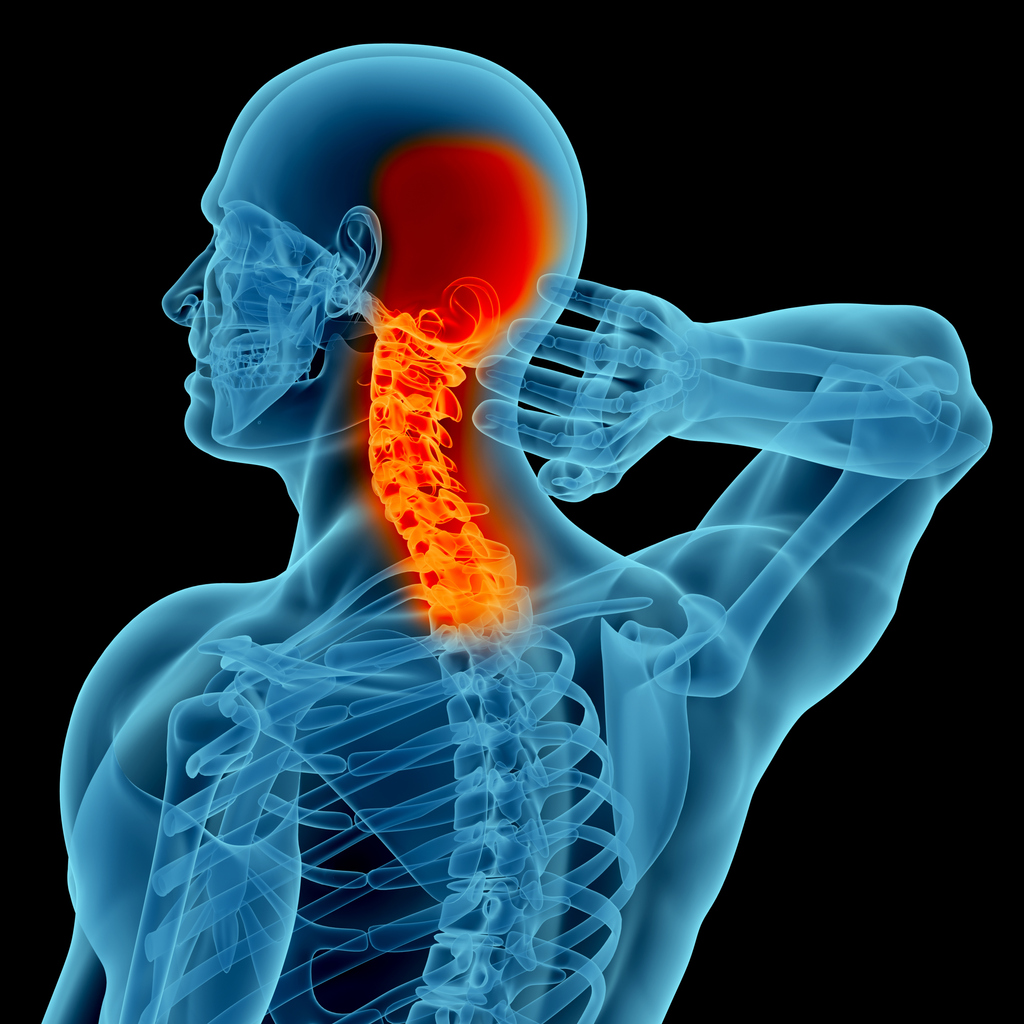
Symptoms and Diagnosis of Hypoesthesia
The experience of hypoesthesia can vary significantly from person to person, depending on the underlying cause and the extent of sensory impairment. Recognizing these symptoms is the first step towards seeking medical attention and obtaining an accurate diagnosis.
Manifestations of Diminished Sensation
Hypoesthesia is characterized by a reduced ability to feel stimuli. This can manifest in several ways:
- Numbness: A complete or near-complete loss of sensation in a particular area.
- Tingling or “Pins and Needles” (Paresthesia): While often associated with hypoesthesia, paresthesia can also occur independently or as a precursor and recovery symptom. It’s an abnormal sensation of prickling or tingling.
- Reduced Sensitivity to Touch: Difficulty feeling light touch, pressure, or textures. For example, one might struggle to distinguish between different fabrics or feel the difference between a smooth and rough surface.
- Decreased Awareness of Temperature: Inability to accurately perceive hot or cold temperatures, which can increase the risk of burns or frostbite.
- Impaired Proprioception: A reduced sense of body position and movement, which can lead to clumsiness, unsteadiness, and difficulty with fine motor tasks.
- Difficulty with Fine Motor Skills: Tasks requiring delicate manipulation, such as buttoning clothes, picking up small objects, or writing, can become challenging due to the lack of tactile feedback.
- Increased Risk of Injury: Without adequate sensation, individuals are more prone to cuts, bruises, and other injuries, as they may not feel them immediately. This is particularly concerning for individuals with diabetes, where foot ulcers can go unnoticed.
The distribution of hypoesthesia is often indicative of the cause. For example, if it affects both feet symmetrically, it suggests a systemic cause like diabetic neuropathy. If it’s localized to one hand, it might point to nerve compression or injury in the arm.
Diagnostic Approaches
Diagnosing hypoesthesia involves a thorough medical history, a comprehensive physical and neurological examination, and potentially a series of specialized tests to pinpoint the underlying cause.
Medical History and Physical Examination
The physician will begin by asking detailed questions about the onset, duration, location, and nature of the sensory symptoms. They will inquire about any pre-existing medical conditions, family history of neurological disorders, medications, lifestyle habits (such as alcohol consumption), and recent injuries or exposures.
The physical examination will include a general assessment of the patient’s overall health. The neurological examination is crucial and will focus on:
- Sensory Testing: This involves systematically testing different types of sensation in various parts of the body. This includes:
- Light Touch: Using a soft brush or cotton swab.
- Sharpness and Dullness: Using a sharp object (like a broken toothpick) and a dull one.
- Temperature: Using cold and warm objects.
- Vibration: Using a tuning fork.
- Proprioception: Asking the patient to identify the position of their fingers or toes when their eyes are closed.
- Two-Point Discrimination: Testing the ability to distinguish between two closely placed points of touch.
- Motor Strength and Reflexes: Assessing muscle strength and reflexes, as neurological damage can affect these as well.
Diagnostic Imaging and Tests
Depending on the findings from the history and physical exam, further investigations may be ordered:
- Blood Tests: To check for underlying conditions such as diabetes, vitamin deficiencies (e.g., B12), thyroid problems, autoimmune markers, and infections.
- Nerve Conduction Studies (NCS) and Electromyography (EMG): These tests assess the electrical activity of nerves and muscles. NCS measures how quickly and strongly nerves conduct electrical signals, while EMG records the electrical activity produced by muscles. These are invaluable for diagnosing peripheral nerve damage and neuropathy.
- Magnetic Resonance Imaging (MRI) or Computed Tomography (CT) Scan: These imaging techniques create detailed pictures of the brain and spinal cord, allowing doctors to detect structural abnormalities such as tumors, lesions (like those seen in MS), or evidence of stroke.
- Lumbar Puncture (Spinal Tap): This procedure involves collecting a sample of cerebrospinal fluid (CSF) from the lower back. The CSF can be analyzed for signs of infection, inflammation, or autoimmune disorders that may be affecting the nervous system.
- Biopsy: In rare cases, a nerve or skin biopsy might be performed to examine nerve tissue directly for signs of damage or inflammation.
Management and Living with Hypoesthesia
While some causes of hypoesthesia may be reversible with treatment, others may require long-term management strategies to mitigate symptoms and prevent complications. The approach to managing hypoesthesia is highly individualized, focusing on addressing the underlying cause and adapting to the sensory changes.
Treatment of Underlying Causes
The primary goal in managing hypoesthesia is to treat the condition that is causing it.
- Diabetes Management: Strict control of blood sugar levels is critical for preventing or slowing the progression of diabetic neuropathy.
- Autoimmune Disease Treatment: Immunosuppressant medications or other therapies may be used to manage autoimmune conditions that attack nerves.
- Infection Treatment: Antibiotics or antiviral medications can be used to treat infections that have caused nerve damage.
- Vitamin Supplementation: If a vitamin deficiency is identified, supplementation can help improve nerve function, though recovery may not always be complete.
- Medication Adjustments: If a medication is suspected of causing neurotoxicity, a doctor may adjust the dosage or switch to an alternative.
- Surgical Intervention: In cases of nerve compression, such as carpal tunnel syndrome, surgery may be performed to relieve pressure on the nerve.
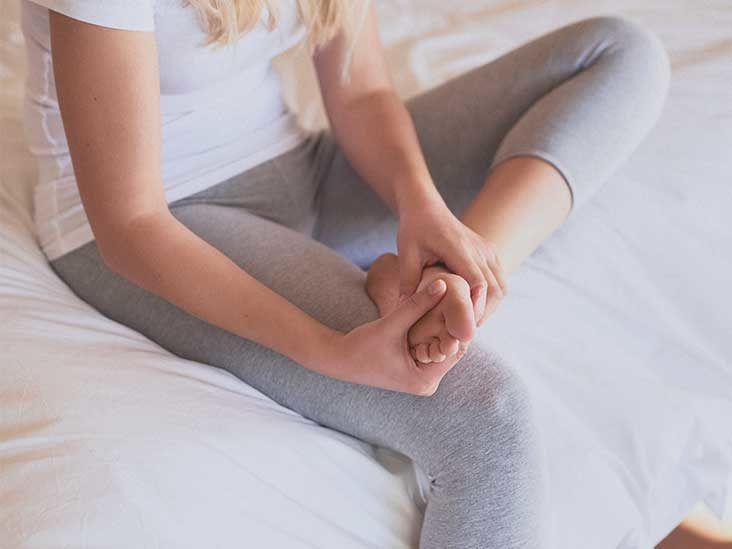
Symptom Management and Lifestyle Adaptations
For individuals with chronic or irreversible hypoesthesia, the focus shifts to managing symptoms and adapting daily life to minimize risks and maintain independence.
- Pain Management: While hypoesthesia is a lack of sensation, some individuals may experience neuropathic pain (burning, shooting pains) as a related symptom. Medications such as anticonvulsants (e.g., gabapentin, pregabalin) or certain antidepressants can help manage this type of pain.
- Physical and Occupational Therapy: Therapists can teach strategies for improving balance and coordination, compensating for proprioceptive deficits, and adapting tasks that require fine motor skills. They may also provide exercises to maintain muscle strength.
- Assistive Devices: Tools such as padded utensils, button hooks, or specialized dressing aids can make daily tasks easier. For individuals with significant balance issues, canes or walkers may be necessary.
- Foot Care: For individuals with hypoesthesia in their feet, particularly those with diabetes, meticulous foot care is essential to prevent injuries and infections. This includes daily inspection of the feet, wearing well-fitting shoes, and seeking prompt medical attention for any sores or cuts.
- Home Safety Modifications: Removing tripping hazards, ensuring good lighting, and installing grab bars in bathrooms can help prevent falls.
- Education and Support: Understanding the condition and its implications is vital. Support groups and educational resources can provide valuable information and emotional support.
Living with hypoesthesia requires vigilance, proactive management, and a willingness to adapt. By understanding the condition, seeking timely medical care, and implementing appropriate strategies, individuals can effectively manage their symptoms and maintain a high quality of life. The ongoing advancements in medical research and technology continue to offer hope for improved diagnostics and therapeutic interventions for those affected by this sensory impairment.
aViewFromTheCave is a participant in the Amazon Services LLC Associates Program, an affiliate advertising program designed to provide a means for sites to earn advertising fees by advertising and linking to Amazon.com. Amazon, the Amazon logo, AmazonSupply, and the AmazonSupply logo are trademarks of Amazon.com, Inc. or its affiliates. As an Amazon Associate we earn affiliate commissions from qualifying purchases.