
The world of audio engineering and production is often characterized by a vocabulary brimming with acronyms and technical jargon. For newcomers, or even those with some experience, understanding these terms can be a significant hurdle. One such term frequently encountered is “HPF.” While it might sound arcane, the High-Pass Filter (HPF) is a fundamental tool in audio processing, crucial for shaping sound, improving clarity, and achieving a professional mix. This article will delve into the intricacies of HPFs, exploring their function, applications, and the underlying technical principles that make them indispensable in audio production.
The Fundamental Concept: What is a High-Pass Filter?
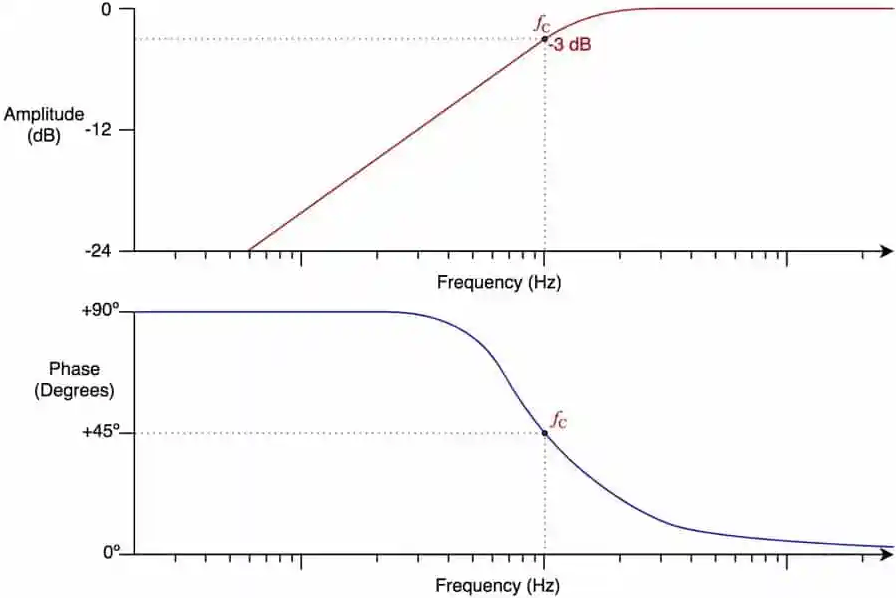
At its core, a High-Pass Filter is an electronic or digital circuit that allows frequencies above a certain point (the cutoff frequency) to pass through relatively unimpeded, while significantly attenuating (reducing the amplitude of) frequencies below that cutoff frequency. Imagine it as a selective sieve for sound; it lets the higher-pitched sounds through while blocking or weakening the lower-pitched ones. This is in direct contrast to a Low-Pass Filter (LPF), which does the opposite, allowing low frequencies to pass and attenuating high frequencies.
Understanding the Cutoff Frequency and Slope
The two most critical parameters of any HPF are its cutoff frequency and its slope.
The Cutoff Frequency: The Threshold of Attenuation
The cutoff frequency, often denoted by Fc, is the specific frequency at which the filter begins its attenuation. It’s not a sharp, instantaneous cutoff but rather a gradual transition. Precisely at the cutoff frequency, the signal’s amplitude is reduced by 3 decibels (dB) – a measure of sound intensity. This point is chosen as the defining characteristic of the filter’s operation. Selecting the appropriate cutoff frequency is paramount to the effective use of an HPF. Too low, and you might not achieve the desired effect; too high, and you risk removing desirable low-frequency content, making the sound thin and weak.
The Slope: The Steepness of the Attenuation
The slope of the filter dictates how quickly the attenuation increases as the frequency drops below the cutoff frequency. It’s typically measured in decibels per octave (dB/octave), where an octave represents a doubling or halving of frequency. Common slopes include:
- 6 dB/octave: This is the gentlest slope, often referred to as a “1st-order” filter. It provides a subtle roll-off and is useful when a very gradual attenuation is desired, or in situations where a more aggressive filter might introduce unwanted artifacts.
- 12 dB/octave: A “2nd-order” filter, offering a more pronounced attenuation than the 6 dB/octave slope. This is a very common and often versatile slope for many audio applications.
- 18 dB/octave: A “3rd-order” filter, providing an even steeper attenuation.
- 24 dB/octave: A “4th-order” filter, offering a very sharp and aggressive attenuation. This is often used when a strong separation of frequencies is required.
Steeper slopes are more effective at removing unwanted low frequencies quickly, but they can also introduce more phase distortion. The choice of slope often depends on the specific source material, the desired effect, and the potential for introducing artifacts.
Resonance (Q Factor)
Some HPFs also incorporate a resonance control, often related to the Q factor. Resonance allows you to “boost” the frequencies immediately around the cutoff frequency before the attenuation begins. This can be useful for subtly enhancing certain low-mid frequencies or for creating a more pronounced, “musical” roll-off. A high Q factor will create a sharper peak in resonance, while a low Q factor will result in a smoother, more gradual rise. While not all HPFs have this feature, understanding resonance can add another layer of control to your filtering.
Practical Applications: Where and Why Use an HPF?
The High-Pass Filter is not just an abstract concept; it’s a practical tool with a wide array of applications in virtually every facet of audio production, from recording and mixing to live sound and mastering.
Cleaning Up Raw Audio Sources
One of the most fundamental uses of an HPF is to clean up unwanted low-frequency noise from audio recordings. Many instruments and vocalists inherently produce low-frequency sounds that are not part of their desired sonic character.
Eliminating Rumble and Handling Noise
Microphones, especially condenser microphones, are susceptible to picking up rumble – low-frequency vibrations transmitted through stands or the floor. Similarly, handling noise can occur when a microphone is moved or touched. These noises manifest as sub-audible or very low-frequency thumps and rumbles that can muddy a mix and consume headroom. Applying an HPF set at a frequency typically between 20 Hz and 80 Hz can effectively eliminate this unwanted noise without noticeably affecting the fundamental tone of most instruments and vocals.
Reducing Proximity Effect
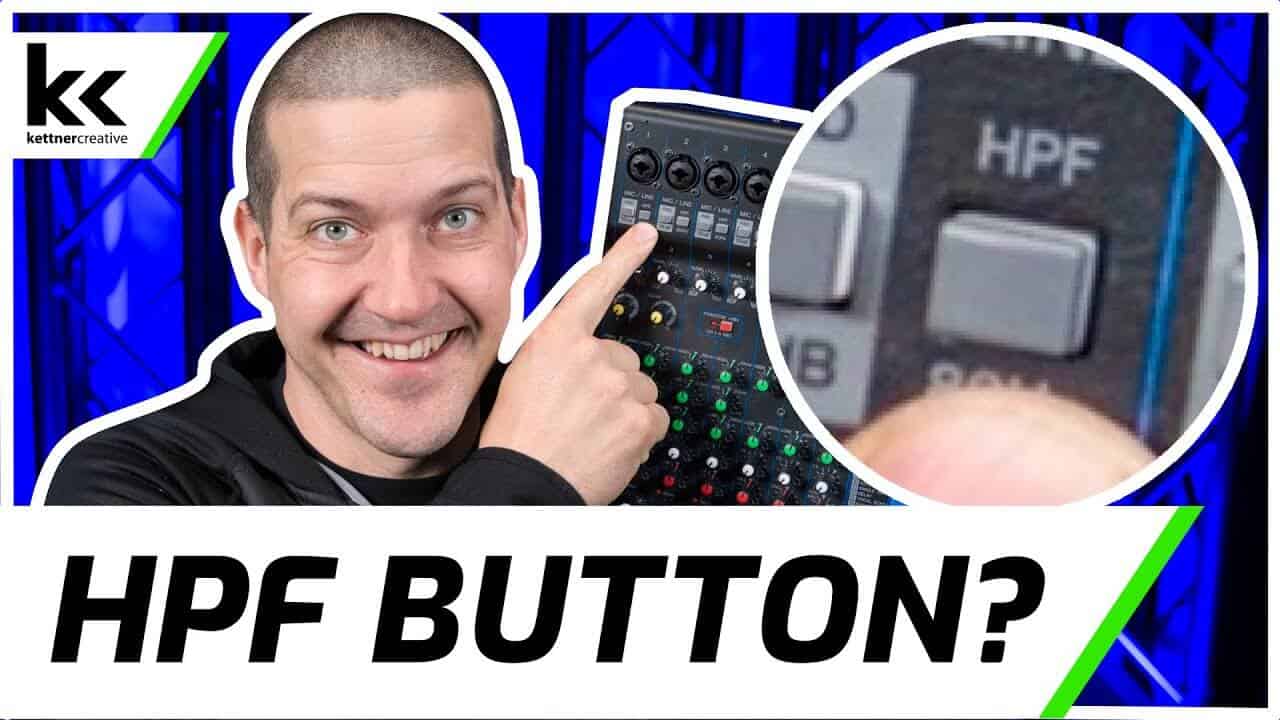
When a directional microphone is placed very close to a sound source, a phenomenon known as the proximity effect occurs. This effect causes a significant boost in the low-frequency response of the microphone. While this can sometimes be desirable for adding warmth or “fullness” to a voice or instrument, it can also lead to an overly boomy or muddy sound. An HPF can be used to counteract the proximity effect by rolling off the excessive low frequencies, restoring a more balanced tonal character.
Cleaning Up Vocal Recordings
Vocals are particularly prone to unwanted low-frequency content. Techniques like plosives (the “p” and “b” sounds) create sudden bursts of air that can cause significant low-frequency energy spikes, leading to “pops” on playback. Sibilance (“s” and “sh” sounds) can also have high-frequency components, but the overall intelligibility and clarity of vocals are often enhanced by carefully applying an HPF. A typical HPF setting for vocals might range from 80 Hz to 150 Hz, depending on the singer’s voice and the desired effect. This helps to remove breath sounds, vocal fry, and other sub-bass frequencies that can clutter the mix and detract from the clarity of the lyrics.
Taming Low-Frequency Resonance in Instruments
Many instruments, particularly acoustic ones, can have inherent low-frequency resonances that can become problematic in a mix. For example, acoustic guitars might have a boomy resonance around 100-200 Hz that can clash with other instruments. Drums, especially kick drums and toms, produce significant low-frequency energy that needs to be managed. An HPF can be used to selectively remove these problematic resonances, tightening up the sound and making it more focused.
Enhancing Clarity and Definition in a Mix
Beyond simply cleaning up noise, HPFs are essential tools for sculpting the frequency spectrum of individual instruments and the overall mix to achieve clarity, definition, and separation.
Creating Space for Low-Frequency Instruments
In a dense mix, multiple instruments can occupy similar frequency ranges, leading to a “muddy” or congested sound. The kick drum and bass guitar, for instance, both require significant low-end energy. By applying an HPF to instruments that don’t primarily reside in the sub-bass frequencies (like guitars, vocals, cymbals, etc.), you can carve out space for the kick and bass to occupy their respective low-frequency territories. This creates a cleaner, more defined low-end and allows each element to be heard clearly.
Improving Transient Response
The “transient” of an instrument refers to its initial attack – the very first moment a sound is produced. For percussive instruments like drums, clear transients are crucial for their impact and definition. By filtering out unwanted sub-bass rumble and low-mid muddiness with an HPF, you can emphasize the clarity of the transients, making drums sound punchier and more articulate.
Brightening Up Sounds
While HPFs are primarily associated with cutting low frequencies, they can also be used to subtly brighten up a sound. By removing muddy low-mids, you can make the higher frequencies stand out more prominently, giving the impression of increased clarity and presence. This is particularly useful for instruments that can sound a bit dull or “wooly.”
Advanced Techniques and Considerations
While the basic principles of HPF are straightforward, there are more advanced ways to utilize them and considerations to keep in mind for optimal results.
Using HPFs in Series and Parallel
It’s common to use multiple HPFs on different sources within a mix. For instance, you might have a gentle HPF on a lead vocal to remove subtle rumble, and a steeper HPF on a synth pad to cleanly carve out its low end. Additionally, the concept of parallel processing can be applied. This involves sending a signal to an auxiliary track, applying an HPF to that track, and then blending the processed signal back with the original. This can be useful for creating specific tonal shaping or for achieving a particular balance between clarity and fullness.
The Impact of HPFs on Phase
It’s important to be aware that all filters, including HPFs, introduce phase shift. Phase shift refers to a change in the timing relationship between different frequency components of a signal. While often imperceptible in isolation, significant phase shift can become problematic when multiple audio signals are combined, potentially leading to comb filtering or a loss of low-end impact. Steeper filter slopes generally introduce more phase shift. For critical applications, some engineers opt for “linear phase” HPFs, which introduce zero phase distortion but can have a higher latency (delay) and may exhibit pre-ringing (a small artifact before the transient). Understanding the phase implications of your HPF choices is key to achieving a coherent and well-balanced mix.

When Not to Use an HPF (or Use It Sparingly)
While incredibly useful, an HPF is not a one-size-fits-all solution. Certain instruments and sounds inherently rely on their low-frequency content for their character. For example, a kick drum, a bass guitar, or a pipe organ are meant to have a powerful low-end presence. Applying an overly aggressive HPF to these sources can strip them of their weight and impact, rendering them weak and ineffective in the mix. Always listen critically and trust your ears to determine the appropriate cutoff frequency and slope. The goal is to enhance the sound, not to mutilate it.
In conclusion, the High-Pass Filter (HPF) is a fundamental and indispensable tool in the arsenal of any audio engineer, producer, or sound designer. From eliminating unwanted noise and rumble to sculpting the tonal balance of instruments and clarifying dense mixes, its applications are vast and varied. By understanding the core concepts of cutoff frequency, slope, and resonance, and by applying HPFs judiciously and creatively, you can significantly elevate the quality and professionalism of your audio productions. Mastering the HPF is a crucial step in developing a keen ear for sound and achieving sonic clarity in your work.
aViewFromTheCave is a participant in the Amazon Services LLC Associates Program, an affiliate advertising program designed to provide a means for sites to earn advertising fees by advertising and linking to Amazon.com. Amazon, the Amazon logo, AmazonSupply, and the AmazonSupply logo are trademarks of Amazon.com, Inc. or its affiliates. As an Amazon Associate we earn affiliate commissions from qualifying purchases.