
Horology, at its core, is the scientific and artistic discipline dedicated to the measurement of time. Far from being a mere hobby or a historical curiosity, horology represents a profound and enduring testament to human ingenuity in precision engineering, material science, and the relentless pursuit of accuracy. It is a field deeply embedded in technology, from the intricate gears and escapements of mechanical watches to the oscillating crystals of quartz movements and the quantum mechanics underpinning atomic clocks. Understanding “what is horology” is to delve into a rich technological narrative that has shaped navigation, communication, industry, and our very perception of time itself. This article will explore horology exclusively through the lens of technology, highlighting its evolution, the innovative engineering marvels it encompasses, and its ongoing relevance in a world increasingly reliant on precise temporal synchronization.

The Ancient Roots and Mechanical Evolution of Time Measurement
The human need to measure time predates sophisticated mechanical devices by millennia. Early civilizations recognized the cyclical nature of celestial events, laying the groundwork for calendars and rudimentary time divisions. However, the quest for increasingly precise and portable timekeeping mechanisms truly ignited the technological innovations that define horology.
Early Devices: From Sundials to Water Clocks
The earliest forms of time measurement were ingenious in their simplicity but limited in their precision and applicability. Sundials, leveraging the sun’s apparent motion, provided a basic diurnal measure, but were useless at night or on cloudy days. Water clocks (clepsydras) offered an improvement, providing a continuous flow-based measurement largely independent of sunlight. These devices, though primitive by modern standards, demonstrated early technological principles: understanding natural phenomena, designing vessels for controlled flow, and marking calibrated scales. They represent the foundational steps in humanity’s endeavor to quantify an abstract concept, paving the way for more complex technological solutions.
The Dawn of Mechanical Clocks: A Technological Leap
The true technological revolution in timekeeping began with the invention of the mechanical clock in medieval Europe. This was a monumental leap, transitioning from passive observation to active, driven machinery. The critical breakthrough was the development of the escapement, a device that converts continuous rotational motion from a falling weight or wound spring into discrete, oscillating movements. Early escapements, like the verge and foliot, were rudimentary but revolutionary, providing the first means to regulate the release of energy, allowing for controlled time measurement. Coupled with intricate gear trains, these early mechanical clocks were marvels of metallurgy and practical engineering, demonstrating the ability to craft complex mechanisms that could reliably perform a specific function over extended periods. This era marked the birth of precision manufacturing as a core element of horological technology.
The Quest for Precision: Pendulum Clocks and Marine Chronometers
The 17th century heralded a new era of precision with Christiaan Huygens’ application of the pendulum to clocks. The pendulum, by virtue of its isometric oscillations, provided a far more stable and accurate regulator than previous escapements. This invention dramatically improved the accuracy of clocks from hours per day to mere minutes. This technological advancement was critical for astronomy, scientific experimentation, and the nascent Industrial Revolution. Even more impactful, particularly for global exploration and trade, was the development of the marine chronometer by John Harrison in the 18th century. Solving the “longitude problem” required a clock accurate enough to maintain Greenwich Mean Time at sea for months, despite the pitching and rolling of a ship, and extreme temperature variations. Harrison’s chronometers were masterpieces of mechanical engineering, incorporating bimetallic strips for temperature compensation, anti-friction mechanisms, and innovative escapement designs. They were the apex of 18th-century precision technology, directly enabling safer and more efficient global navigation.
The Intricate Engineering of Modern Timepieces
Modern mechanical horology, while often rooted in centuries-old principles, continues to push boundaries in micro-mechanics, material science, and manufacturing innovation. A mechanical watch is a miniature universe of precisely interacting components, a testament to enduring technological artistry.
The Micro-Mechanics of Watch Movements
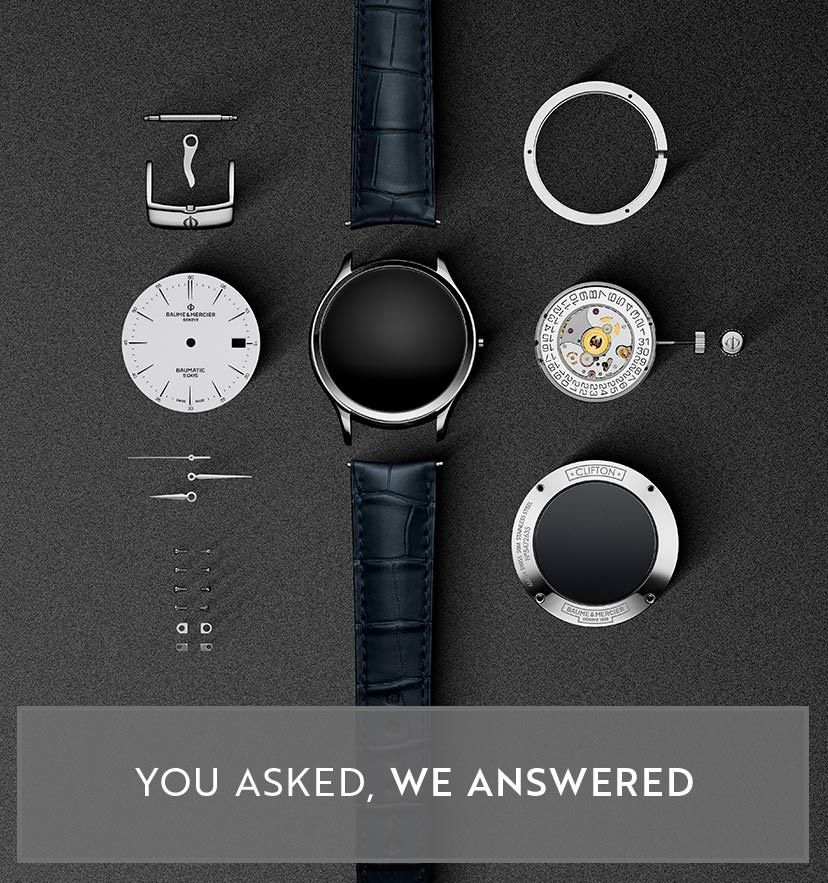
At the heart of any mechanical watch is its movement, an intricate assembly of hundreds of tiny, precisely machined parts. The power source, typically a coiled mainspring, slowly unwinds, driving a series of gears (the “train”) that ultimately rotate the hands. The speed of this energy release is meticulously controlled by the escapement, which acts as the ‘brain’ of the watch. Components like the pallet fork, escape wheel, and most crucially, the balance wheel oscillating with a hairspring, collectively regulate the watch’s beat. Each component, often measured in microns, must be crafted with astounding accuracy, requiring specialized tools and techniques for machining, finishing, and assembly. The tolerances are incredibly tight, with clearances often less than the width of a human hair, highlighting the extreme precision inherent in horological technology.
Materials Science and Manufacturing Innovations
The performance and longevity of mechanical timepieces are heavily dependent on advancements in materials science. Traditional brass, steel, and ruby jewels have been augmented and, in many cases, surpassed by modern alloys and synthetic materials. Silicon, for instance, is increasingly used for hairsprings and escapement components due to its anti-magnetic properties, resistance to corrosion, and ability to be manufactured with extreme precision via deep reactive-ion etching (DRIE). New ceramic composites offer scratch resistance and lightweight durability for cases. Lubrication, too, has evolved, with synthetic oils designed to maintain viscosity and stability over years, crucial for reducing friction in such a delicate mechanism.
Manufacturing processes have also seen significant technological advancements. Computer-Aided Design (CAD) and Computer-Aided Manufacturing (CAM) allow for the virtual prototyping, stress testing, and precise machining of components that were once painstakingly hand-fabricated. Micro-fabrication techniques, similar to those used in semiconductor manufacturing, enable the creation of incredibly small and complex parts with unprecedented accuracy and repeatability. These modern manufacturing technologies ensure higher quality, consistency, and enable designs that would be impossible with traditional methods.
Complications: Expanding Technological Functionality
Beyond basic timekeeping, horological “complications” represent pinnacle achievements in mechanical engineering. These additional functions demonstrate the capacity to build increasingly complex mechanisms within the confines of a tiny watch case. A chronograph, for example, is a separate, integrated stopwatch mechanism, requiring additional gear trains, levers, and clutches to measure elapsed time independently. A perpetual calendar automatically adjusts for different month lengths and leap years, a complex mechanical calculator that tracks time over multiple years. The tourbillon, originally designed to counter the effects of gravity on a watch’s accuracy, encases the escapement and balance wheel in a rotating cage, showcasing extreme micro-engineering prowess. These complications are not merely decorative; they are functional expansions of the watch’s technological capability, requiring masterful design and execution.
Digital Revolution and Hybrid Timekeeping Technologies
While mechanical horology continues to thrive, the 20th century witnessed a paradigm shift with the advent of electronic timekeeping, leading to unprecedented accuracy and new forms of wearable technology.
Quartz Movement: Disrupting Traditional Horology
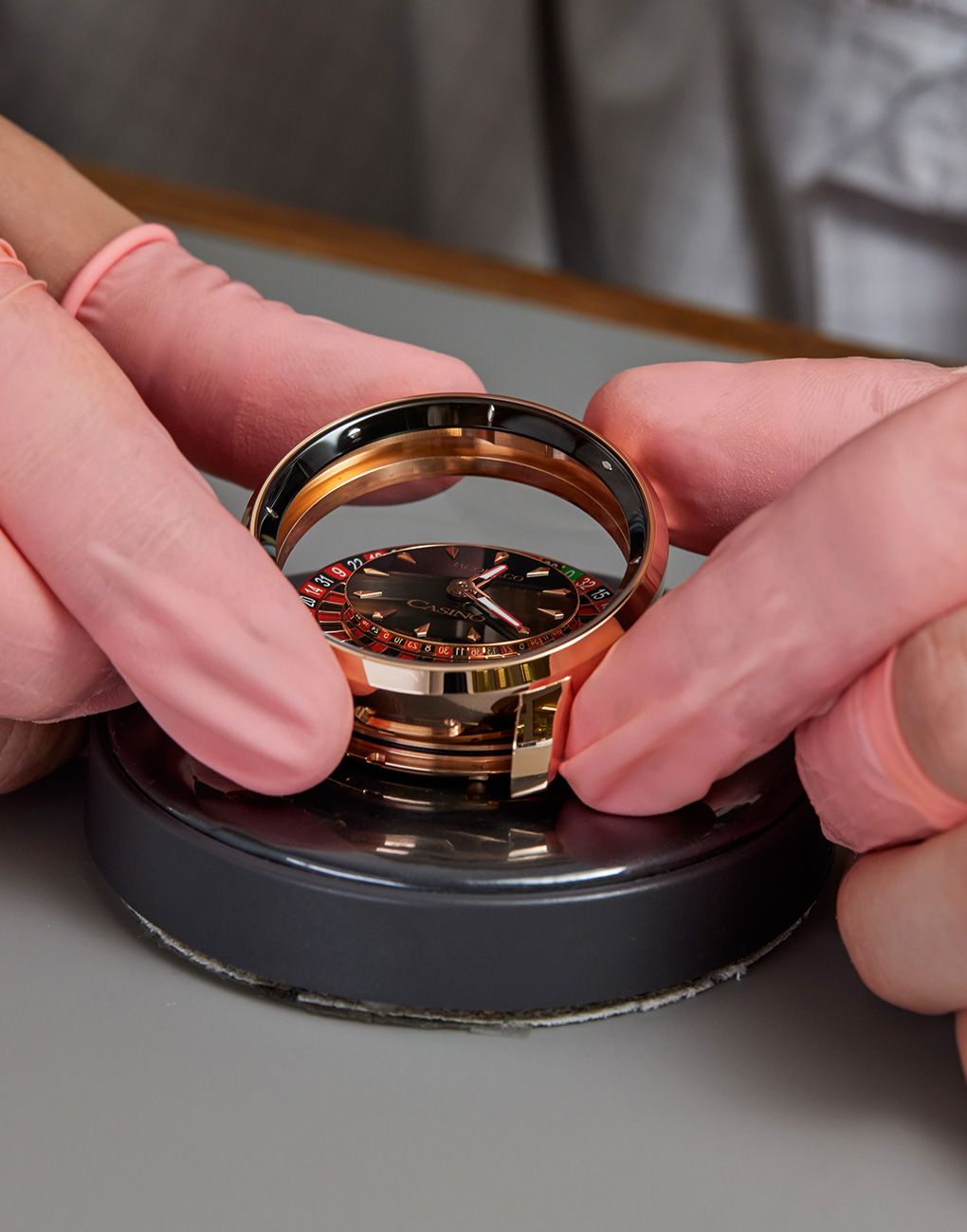
The introduction of the quartz movement in the late 1960s fundamentally transformed the watch industry. Unlike mechanical watches that rely on a balance wheel and hairspring, quartz watches utilize the piezoelectric properties of a quartz crystal. When an electric current is applied, the crystal oscillates at a precise, high frequency (typically 32,768 Hz). An integrated circuit (IC) then divides this frequency down to one pulse per second, which drives a stepper motor to move the hands. This electronic approach allowed for mass production of highly accurate, reliable, and affordable timepieces, making precision timekeeping accessible to everyone. The quartz revolution showcased how electronic technology could disrupt established mechanical industries, offering superior performance in key metrics like accuracy and cost-effectiveness.
Smartwatches: Merging Horology with Computing Power
The 21st century has seen the rise of smartwatches, devices that blend the timekeeping function with advanced computing, connectivity, and sensing technologies. These are essentially miniaturized computers worn on the wrist, equipped with operating systems, processors, memory, and a suite of sensors (accelerometers, gyroscopes, heart rate monitors, GPS). Smartwatches exemplify the convergence of horology with modern digital technology. They provide not just time, but notifications, fitness tracking, mobile payments, and communication capabilities, effectively turning the watch into a powerful personal assistant. While some traditionalists might argue they fall outside “true” horology, smartwatches undeniably represent the cutting edge of wearable technology that includes timekeeping as a core function, reflecting a natural evolution of the device’s utility in the digital age.
Atomic Clocks and Ultra-Precise Timekeeping
At the pinnacle of timekeeping technology are atomic clocks, which define our global time standards. These devices do not measure time by mechanical oscillations or crystal vibrations, but by the precise quantum transitions of atoms (e.g., caesium or rubidium). The frequency of these transitions is incredibly stable and consistent, allowing atomic clocks to achieve accuracies of picoseconds per day, losing or gaining only one second in millions of years. While not “wearable” horology, atomic clocks are fundamental to modern technology, synchronizing GPS satellites, enabling high-speed data networks, and underpinning scientific research that requires extreme temporal precision. They represent the ultimate expression of humanity’s technological drive to measure time with unparalleled accuracy, providing the foundational pulse for our interconnected digital world.
The Future of Horological Technology
The field of horology, whether mechanical, electronic, or hybrid, continues to evolve, driven by innovation in materials, manufacturing, and connectivity.
Sustainable Materials and Energy Solutions
The future of horological technology will likely emphasize sustainability. This includes the development of environmentally friendly materials for cases, components, and straps, as well as more energy-efficient movements. Solar-powered watches, kinetic energy harvesting (automatic movements), and even advanced thermoelectric generators that convert body heat into electricity are examples of how watches can become more self-sufficient and reduce their environmental footprint. Research into new low-friction materials and alternative lubrication methods could also extend service intervals and reduce reliance on petroleum-based products.
Advanced Manufacturing: 3D Printing and AI Integration
Additive manufacturing (3D printing) is poised to revolutionize watchmaking. It allows for the creation of incredibly complex geometries that are impossible with traditional subtractive methods, enabling new designs for cases, movement plates, and even intricate components. This technology could facilitate bespoke watch production and rapid prototyping of new movements. Furthermore, Artificial Intelligence (AI) could play a role in optimizing movement designs for efficiency, simulating stress points, identifying manufacturing defects with advanced vision systems, and even assisting in the highly complex assembly processes. The combination of advanced manufacturing techniques with intelligent systems promises to refine both the design and production of future timepieces.
The Symbiosis of Tradition and Innovation
Perhaps the most exciting aspect of horology’s future lies in the symbiosis of tradition and innovation. Mechanical watchmaking, with its rich heritage of craftsmanship and engineering, is unlikely to disappear. Instead, new technologies will likely be integrated to enhance traditional movements. For example, using silicon components in mechanical watches, developing advanced anti-magnetic solutions, or incorporating miniaturized smart features into classic designs are already underway. The future may see hybrid devices that seamlessly blend the enduring appeal of mechanical artistry with the functional advantages of digital technology, offering the best of both worlds. This constant interplay ensures horology remains a dynamic and fascinating field for engineers and enthusiasts alike.
Why Horology Remains a Relevant Tech Field
Despite the ubiquity of digital time displays on every phone and computer, horology maintains its status as a relevant and vital technological field.
Precision, Craftsmanship, and Durability
The enduring appeal of a well-engineered timepiece, particularly a mechanical one, lies in its precision, craftsmanship, and durability. A high-quality mechanical watch is designed to last for generations, a micro-machine built to exacting standards. Its construction involves metallurgy, micro-mechanics, material science, and often exquisite finishing techniques that push the boundaries of manufacturing capability. In an era of disposable electronics, the longevity and repairability of a finely crafted watch stand out as a testament to sustainable engineering and enduring value. This commitment to robust, long-lasting technology continues to drive innovation in horological design and production.
The Human-Machine Interface in an Analog World
In an increasingly digital and often intangible world, horology offers a unique and compelling human-machine interface rooted in tangible, analog mechanics. The sweep of a second hand, the subtle whir of gears, and the visible complexity of a movement offer a different kind of engagement than a glowing screen. It’s a connection to engineering excellence, a celebration of intricate design that operates without electricity (in the case of automatics) and offers a sense of permanence. Horology allows for a direct appreciation of the mechanical marvels that power our world, albeit on a micro-scale. It reminds us that technology is not solely about silicon chips and algorithms, but also about finely tuned physical systems that demonstrate remarkable precision and reliability.
In conclusion, horology is far more than just the art of making watches; it is a profound and continuously evolving technological discipline. From the earliest mechanical escapements to the latest atomic clocks and hybrid smartwatches, the field has consistently driven innovation in precision engineering, material science, and manufacturing. It represents humanity’s relentless pursuit of accuracy and understanding of time, showcasing how complex technological problems can be solved through ingenuity and meticulous craftsmanship. As technology continues its relentless march forward, horology will undoubtedly continue to adapt, innovate, and thrive, remaining a fascinating and relevant nexus of science, engineering, and art.
aViewFromTheCave is a participant in the Amazon Services LLC Associates Program, an affiliate advertising program designed to provide a means for sites to earn advertising fees by advertising and linking to Amazon.com. Amazon, the Amazon logo, AmazonSupply, and the AmazonSupply logo are trademarks of Amazon.com, Inc. or its affiliates. As an Amazon Associate we earn affiliate commissions from qualifying purchases.