
The quest for the “best” energy source is one of humanity’s most critical technological challenges. It’s not about identifying a singular winner, but rather understanding a complex interplay of technological maturity, efficiency, environmental impact, scalability, and seamless integration into existing and future energy grids. As global energy demands soar and the imperative to decarbonize intensifies, the landscape of power generation is undergoing unprecedented transformation, driven by relentless innovation across various sectors. This article delves into the technological merits and challenges of the most prominent energy sources, examining how cutting-edge advancements are reshaping our energy future and defining what “best” truly means in a dynamic world.
Renewable Technologies: Driving Innovation for a Sustainable Grid
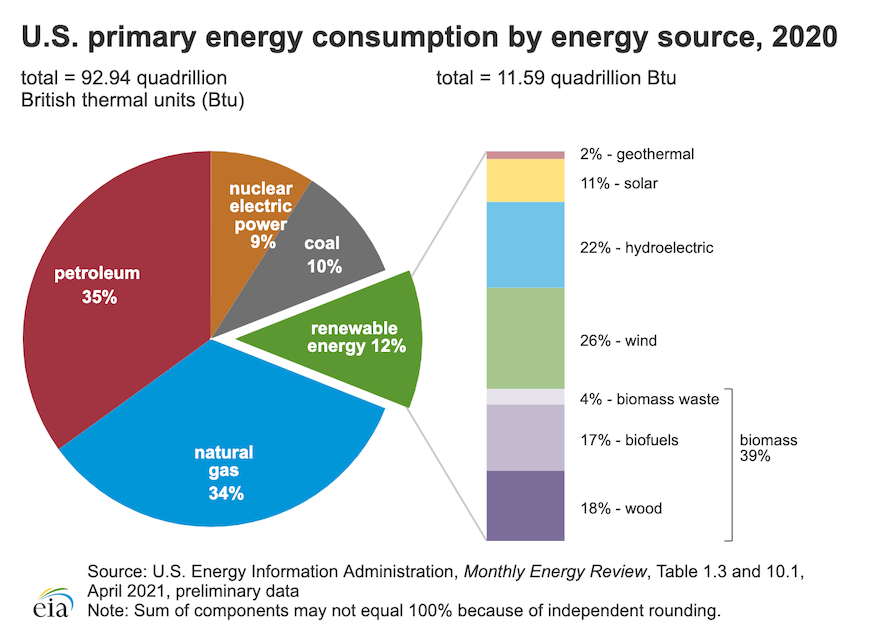
Renewable energy sources stand at the forefront of the global energy transition, characterized by rapid technological evolution and increasing market competitiveness. Their ability to harness naturally replenishing resources positions them as indispensable pillars for a sustainable future.
Solar Photovoltaics and Concentrated Solar Power (CSP): Harnessing the Sun’s Bounty
Solar energy technology continues to astound with its pace of development. Photovoltaic (PV) cells, which directly convert sunlight into electricity, have seen dramatic increases in efficiency and equally dramatic decreases in cost. Advancements in materials science are key: perovskite solar cells promise higher efficiencies and flexibility, while bifacial panels capture sunlight from both sides, boosting output. Smart inverters, micro-inverters, and advanced module-level power electronics optimize energy harvest, mitigate shading losses, and enhance grid integration. Beyond panels, Concentrated Solar Power (CSP) technologies utilize mirrors to focus sunlight, heating a fluid to generate steam for turbines. Recent CSP innovations focus on thermal energy storage, often using molten salts, allowing power generation even after sunset and significantly improving dispatchability – a critical factor for grid stability. The digitalization of solar farms, employing AI for predictive maintenance and optimal panel angling, further exemplifies the technological sophistication in this sector.
Wind Power: Scaling Up with Smarter Turbines and Offshore Solutions
Wind energy has evolved from towering structures on land to formidable offshore installations. Technological advancements in turbine design have been pivotal: larger rotor diameters, higher hub heights, and aerodynamically optimized blades capture more wind energy, increasing capacity factors significantly. Direct-drive generators reduce mechanical complexity and maintenance, while advanced composite materials enhance blade durability and reduce weight. Offshore wind technology, in particular, is a frontier of innovation. Floating offshore wind platforms are emerging as a game-changer, enabling deployment in deeper waters previously inaccessible to fixed-bottom turbines, thereby unlocking vast new resource areas. Submarine cable technology and advanced grid connection systems are equally crucial. Furthermore, AI-driven wind forecasting, predictive maintenance algorithms, and drone-based inspection technologies are optimizing operational efficiency and minimizing downtime across wind farms globally.
Hydropower and Geothermal: Reliable Baseload Renewables
While perhaps not as rapidly evolving as solar or wind in fundamental generation principles, hydropower and geothermal energy continue to play critical roles, leveraging established technologies with ongoing enhancements. Hydropower, particularly pumped-hydro storage, acts as a massive natural battery, using excess electricity to pump water uphill and releasing it to generate power during peak demand. This technology is vital for grid balancing and reliability. Geothermal energy, which taps into the Earth’s internal heat, is seeing advancements in Enhanced Geothermal Systems (EGS). EGS technology aims to create artificial reservoirs in hot, dry rock formations, significantly expanding the geographical viability of geothermal power beyond conventional hydrothermal sites. These systems require advanced drilling techniques, hydraulic fracturing, and sophisticated reservoir management to extract heat efficiently and sustainably.
Nuclear Energy: A High-Density, Low-Carbon Contender
Nuclear energy offers unparalleled energy density and a near-zero-carbon footprint during operation, making it an attractive option for large-scale, baseload power. Technological advancements are focused on improving safety, reducing waste, and increasing flexibility.
Advanced Fission Reactors: Enhancing Safety and Efficiency
Traditional large-scale nuclear power plants are giving way to new designs that prioritize safety, modularity, and reduced construction times. Small Modular Reactors (SMRs) are at the forefront of this evolution. These reactors are significantly smaller than conventional plants, can be factory-built, and then transported to sites, drastically reducing construction costs and timelines. SMR designs often incorporate passive safety features, relying on natural forces like gravity and convection rather than active systems, which enhances resilience and simplifies operation. Beyond SMRs, Generation IV reactor concepts, such as molten salt reactors and fast breeder reactors, promise even greater efficiencies, a significantly reduced waste footprint, and the ability to “burn” existing nuclear waste, representing a profound technological leap in fuel utilization and waste management. Digital twin technology is increasingly used in reactor design and operation for simulation, predictive maintenance, and optimizing performance, further enhancing safety and efficiency.
The Promise of Fusion Power: The Ultimate Energy Frontier
Fusion power, which seeks to replicate the process that powers the sun by fusing atomic nuclei to release immense energy, represents the ultimate technological aspiration in energy generation. Projects like ITER (International Thermonuclear Experimental Reactor) are colossal scientific endeavors, developing the engineering and materials science required for sustained fusion reactions using Tokamak designs. Alongside government-backed initiatives, a burgeoning private sector is exploring diverse approaches, including stellarators and inertial confinement fusion, aiming for commercially viable fusion power. The technological hurdles are immense: achieving and maintaining extreme plasma temperatures and pressures, developing materials that can withstand these conditions, and achieving a net energy gain (more energy out than in). AI and machine learning are proving indispensable in simulating complex plasma physics, optimizing reactor designs, and controlling fusion experiments, pushing the boundaries of what’s possible in this transformative field.
Bridging the Gap: Evolving Traditional Sources and New Solutions
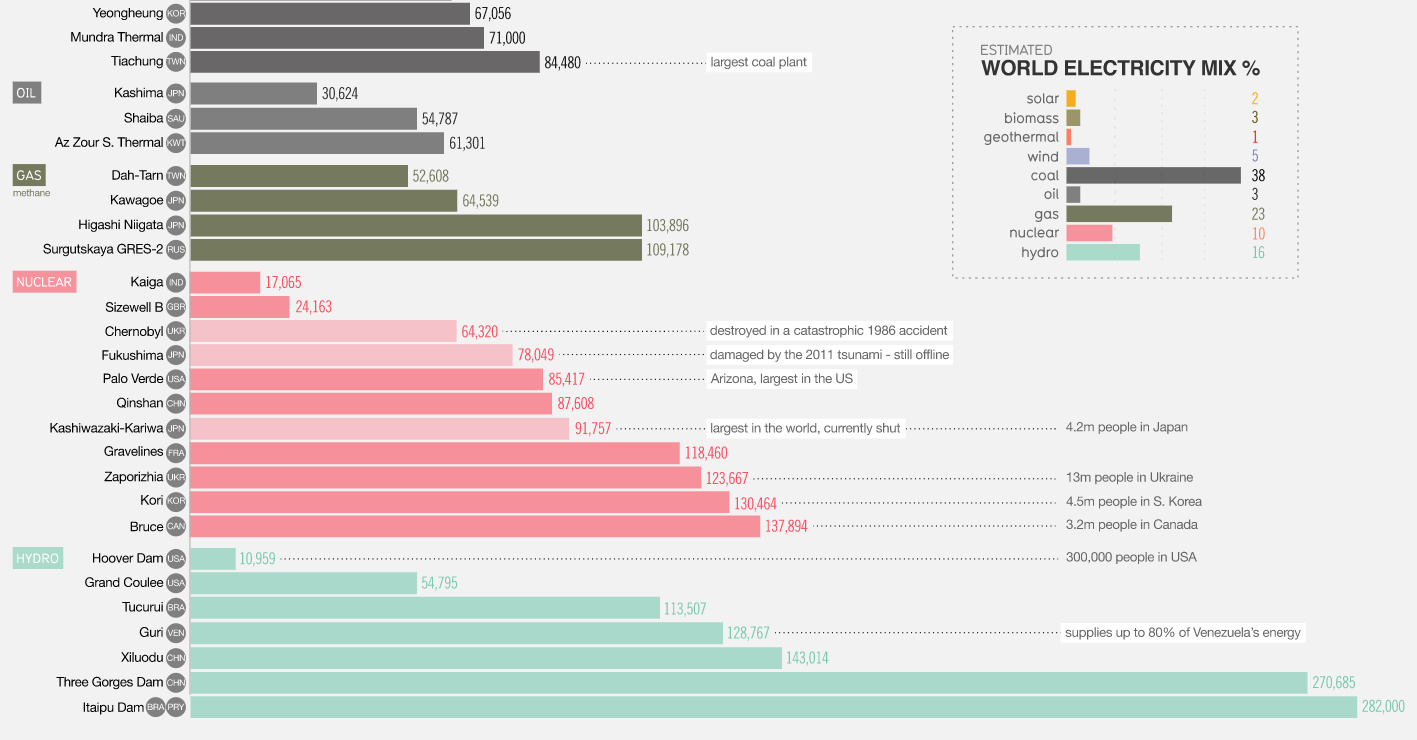
While the long-term vision leans heavily towards renewables and advanced nuclear, the transition requires bridging technologies and innovative solutions to decarbonize existing fossil fuel infrastructure and introduce versatile new energy carriers.
Natural Gas with Carbon Capture, Utilization, and Storage (CCUS): Mitigating Emissions
Natural gas remains a significant energy source due to its abundance and lower emissions compared to coal. However, to meet climate goals, its use will increasingly be coupled with Carbon Capture, Utilization, and and Storage (CCUS) technologies. CCUS involves capturing CO2 emissions from power plants and industrial facilities. Technological advancements in capture methods include post-combustion (scrubbing CO2 from flue gas), pre-combustion (converting fuel to syngas before combustion), and oxy-fuel combustion (burning fuel in pure oxygen to produce a concentrated CO2 stream). The captured CO2 is then either utilized in various industrial processes or permanently stored in geological formations deep underground. Digital optimization of CCUS plants, leveraging sensor data and AI, is crucial for improving efficiency and reducing the energy penalty associated with the capture process.
Bioenergy and Hydrogen: Versatile Pathways to Decarbonization
Bioenergy, derived from organic matter, is evolving beyond traditional biomass burning. Advanced biofuels technologies focus on producing liquid fuels from non-food crops, algae, or waste products, minimizing land use conflicts and enhancing sustainability. Cellulosic ethanol production, for instance, involves complex biochemical processes to break down plant fiber into fermentable sugars.
Hydrogen, often hailed as the “fuel of the future,” is gaining significant traction as an energy carrier. Its production technology is diverse: “green hydrogen” is produced via electrolysis powered by renewable electricity, while “blue hydrogen” is derived from natural gas with CCUS. “Pink hydrogen” uses nuclear power for electrolysis. Technological challenges include improving the efficiency and cost-effectiveness of electrolyzers, developing robust hydrogen storage solutions (e.g., liquid hydrogen, ammonia conversion), and perfecting fuel cell technology for efficient conversion back to electricity. AI is increasingly used to optimize hydrogen production processes, manage distribution networks, and predict demand.
The Interconnected Future: Storage, Grids, and Digital Intelligence
The true potential of any energy source is unlocked by its ability to integrate seamlessly into a resilient, intelligent, and flexible energy system. This requires sophisticated energy storage solutions, smart grid infrastructure, and advanced digital technologies.
Energy Storage Technologies: Enabling Grid Flexibility and Reliability
Energy storage is the linchpin of a renewable-dominated grid, addressing the intermittency of solar and wind power. Lithium-ion batteries, though dominant, are constantly being refined, with advancements focusing on increased energy density, longer lifespans, improved safety features (e.g., solid-state batteries), and lower manufacturing costs. Beyond Li-ion, a diverse array of technologies is emerging: flow batteries offer scalability for longer durations, compressed air energy storage (CAES) provides bulk storage, and flywheel technology offers rapid response for grid stabilization. Battery Management Systems (BMS), employing sophisticated algorithms, are crucial for optimizing battery performance, extending lifespan, and ensuring safe operation, especially in grid-scale deployments. These technologies allow excess energy to be stored and deployed when needed, balancing supply and demand.
Smart Grids and AI in Energy Management: The Brains of the System
The traditional electricity grid is undergoing a radical transformation into a “smart grid”—a digitized, interconnected network capable of real-time monitoring, control, and communication. This involves deploying smart meters, an array of sensors, and advanced communication infrastructure to gather vast amounts of data. Artificial Intelligence (AI) and Machine Learning (ML) are the brains of this system. They are deployed for highly accurate demand forecasting, predictive maintenance of grid infrastructure, optimal routing of power, anomaly detection to prevent outages, and robust cybersecurity to protect critical systems. AI can also facilitate dynamic pricing mechanisms, encouraging consumers to shift demand during peak periods. Distributed ledger technologies, such as blockchain, are even being explored for secure, transparent, and peer-to-peer energy trading within local microgrids.
The Hybrid Energy System: A Holistic Technological Approach
The future energy system will not rely on a single dominant source but rather a sophisticated “hybrid energy system.” This involves the intelligent integration of diverse energy generation technologies—renewables, nuclear, and cleaner fossil fuels—with advanced storage solutions and a digitally intelligent grid. Microgrids and nanogrids, designed for localized resilience and energy independence, exemplify this approach by integrating local generation (solar, small wind), storage, and smart controls. The technological challenge lies in optimizing the interaction between these varied components, ensuring stability, efficiency, and reliability. This holistic approach, powered by advanced software and AI, creates a smart energy ecosystem where different technologies work synergistically, adapting to fluctuating demand and supply conditions to provide optimal power.
Conclusion
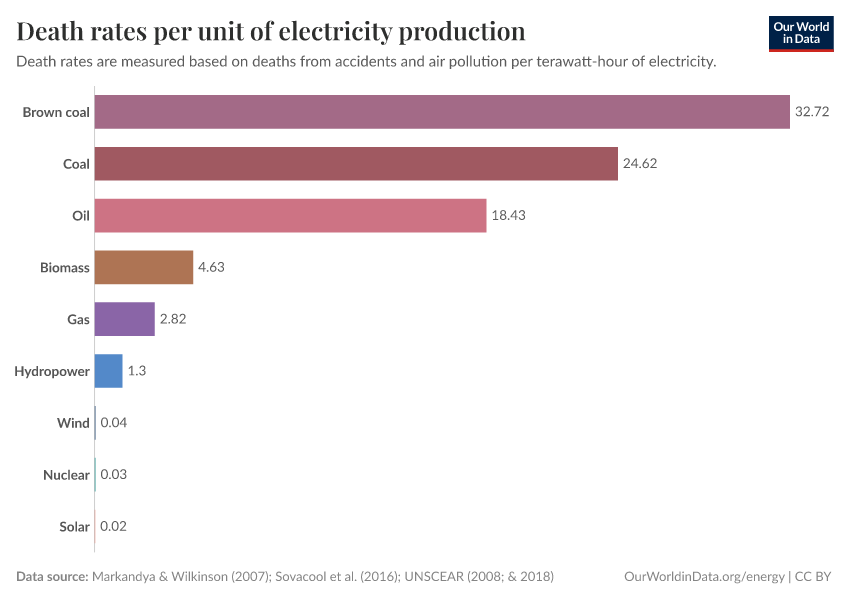
In the nuanced quest to identify the “best” energy source, it becomes clear that there is no singular answer, nor a one-size-fits-all solution. The future of energy is a dynamic mosaic built upon continuous technological innovation across all sectors. Whether it’s the escalating efficiency of solar PV, the formidable scale of offshore wind, the enhanced safety and modularity of advanced nuclear fission, the pioneering promise of fusion, or the mitigating potential of CCUS and hydrogen—each technology plays a crucial, evolving role.
Ultimately, the “best” approach is a technologically diverse, integrated, and adaptive one. It involves combining an array of advanced generation technologies with sophisticated energy storage, intelligent smart grids, and the transformative power of AI and digital tools. This interconnected ecosystem will be capable of delivering reliable, sustainable, and affordable power, navigating the complexities of energy demand and environmental imperative, and defining our path towards a resilient and prosperous energy future. The journey ahead is fundamentally a technological one, demanding relentless innovation and strategic integration.
aViewFromTheCave is a participant in the Amazon Services LLC Associates Program, an affiliate advertising program designed to provide a means for sites to earn advertising fees by advertising and linking to Amazon.com. Amazon, the Amazon logo, AmazonSupply, and the AmazonSupply logo are trademarks of Amazon.com, Inc. or its affiliates. As an Amazon Associate we earn affiliate commissions from qualifying purchases.