
Hooking in hockey is more than just a momentary lapse in judgment or a quick tug on an opponent; it’s a specific penalty with far-reaching consequences that ripple through the sport’s financial ecosystem. While fundamentally a disciplinary infraction, understanding its mechanics is crucial to appreciating its profound economic impacts on players, teams, leagues, and the myriad industries connected to professional hockey.
The Mechanics and Rules of Hooking, and Its Immediate Financial Triggers
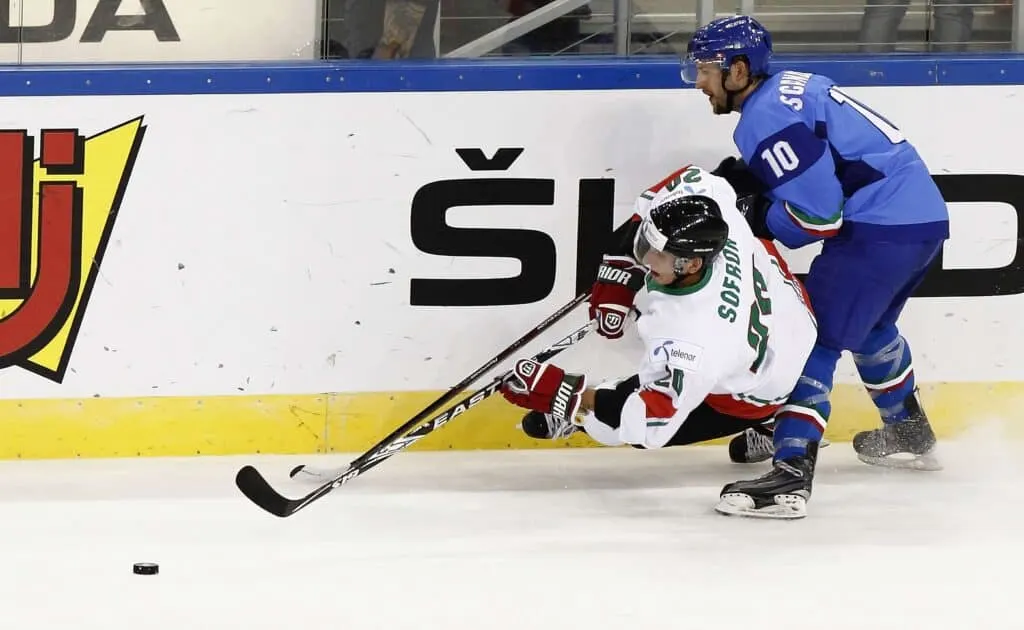
At its core, hooking is an illegal maneuver designed to impede an opponent’s progress or gain an unfair advantage. Defined by the official rulebooks of leagues like the NHL, it involves a player using their stick to “hook” an opposing player. This can manifest in several ways: drawing the stick around any part of the opponent’s body, including their stick, in a manner that obstructs their skating, shooting, or passing. The intent is often to slow down a faster player, prevent a scoring chance, or recover after being beaten defensively.
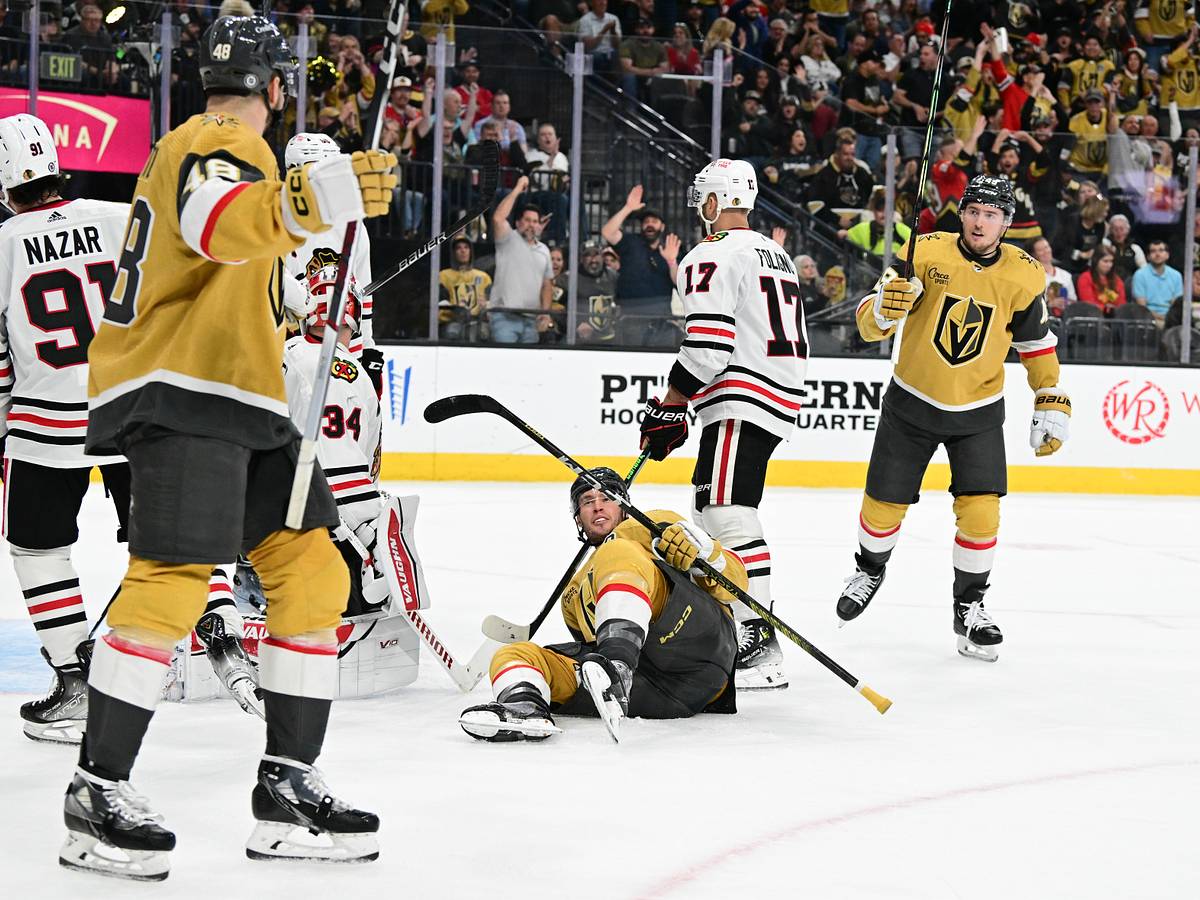
Defining the Penalty
A referee identifies hooking when a player’s stick is used to restrain or trip an opponent. Unlike a simple stick check, which aims to separate the puck, hooking involves an illegal entanglement. The infraction usually results in a minor penalty, sending the offending player to the penalty box for two minutes, creating a power play opportunity for the opposing team. In egregious cases, or if it contributes to a dangerous play, a referee might assess a major penalty, a misconduct, or even a game misconduct, leading to longer power plays and potential ejections.
Official Rulebook Perspective
According to Rule 55 of the NHL Official Rulebook, “Hooking is the act of impeding the progress of an opponent by ‘hooking’ him with a stick.” It explicitly states that a minor penalty shall be assessed for hooking an opponent. The emphasis is on the impediment of progress, regardless of whether contact is made with the puck. This rule exists to maintain the flow of the game, promote skill over obstruction, and ensure player safety. While seemingly a simple on-ice rule, every penalty, including hooking, directly impacts the flow of a game, altering dynamics that have significant financial implications for stakeholders at every level.
The Immediate Financial Impact on Players
For the individual player, committing a hooking penalty isn’t just about spending two minutes in the sin bin; it can directly impact their personal financial standing through fines, suspensions, and long-term career prospects. The accumulation of penalties, especially preventable ones like hooking, contributes to a player’s reputation and perceived value.
Fines and Suspensions
In professional leagues, repeat offenders or players involved in particularly reckless acts of hooking can face fines. While a standard minor penalty might not carry an automatic fine for a first offense, the league’s Department of Player Safety monitors player behavior closely. Accumulated penalties, especially those deemed dangerous, can trigger automatic fines or even suspensions. Fines are typically deducted from a player’s salary, representing a direct financial loss. Suspensions are even more costly, as players often forfeit salary for each game missed, which can amount to tens or even hundreds of thousands of dollars for highly paid athletes over multiple games. These financial penalties serve as a deterrent, incentivizing players to adhere to the rules and manage their on-ice discipline.
Contract Negotiations and Endorsements
A player’s disciplinary record is a significant factor in contract negotiations. General managers and ownership teams analyze a player’s overall contributions, which include their ability to play within the rules. A player consistently taking unnecessary penalties, like hooking, is a liability. It reduces their time on ice, puts their team at a disadvantage, and can be indicative of a lack of discipline. This can lead to lower contract offers, fewer years on a deal, or even being traded or released.
Furthermore, a reputation for being an undisciplined player, prone to penalties, can harm a player’s personal brand. Endorsement deals, which form a significant part of many athletes’ incomes, are often tied to an athlete’s public image and perceived professionalism. Brands are less likely to associate with players who are frequently penalized or perceived as “dirty,” directly impacting a player’s potential for lucrative off-ice income streams. Conversely, disciplined players who contribute positively on the ice are more attractive to sponsors, boosting their financial portfolios beyond their base salary.

Team Financial Strategy and Game Outcomes
From a team perspective, penalties like hooking are not merely tactical inconveniences; they are strategic challenges with direct financial consequences. Managing discipline is integral to a team’s overall financial health, impacting revenue streams from game performance to fan engagement.
Power Plays and Revenue
Every hooking penalty leads to a power play for the opposing team, a critical juncture in any hockey game. Successful power plays significantly increase a team’s chances of scoring, altering game momentum and potentially the final outcome. For a home team, winning games directly correlates with higher ticket sales, increased merchandise revenue, and greater broadcast viewership. A team that consistently takes avoidable penalties, therefore, not only risks losing games but also jeopardizes its financial performance by diminishing fan interest and subsequent revenue opportunities. Conversely, a disciplined team that avoids penalties like hooking conserves energy, maintains even-strength play, and is more likely to win, leading to increased profitability.
Playoff Implications and Revenue Streams
The financial stakes escalate dramatically during the playoffs. Advancing through playoff rounds generates substantial revenue for teams through additional home games, increased television rights fees, and heightened merchandise sales. A single hooking penalty at a critical moment in a playoff game can be the difference between a win and a loss, thus between advancing and being eliminated. An early playoff exit due to a lack of discipline directly translates into millions of dollars in lost revenue for a franchise. Therefore, coaches and general managers meticulously strategize to instill discipline, understanding that every penalty has the potential to impact the team’s bottom line significantly. The financial incentive to avoid penalties and foster disciplined play is immense.
Coach’s Role in Financial Performance
A coach’s ability to manage player discipline and minimize avoidable penalties like hooking directly impacts the team’s success and, by extension, the financial viability of the franchise. Coaches are often compensated with performance bonuses tied to wins, playoff appearances, and championships. A coach whose team is consistently among the league leaders in penalty minutes, especially for avoidable infractions, may face scrutiny. Their job security and future earning potential are intrinsically linked to their team’s ability to play disciplined, winning hockey. Strategic coaching involves not only developing skill but also cultivating a culture of discipline, recognizing that every penalty has a cost, both on the scoreboard and in the ledger.
Broader Economic Ripples of On-Ice Discipline
The financial impact of penalties like hooking extends beyond individual players and teams, affecting broader economic ecosystems, including the burgeoning sports betting market and overall league market value.
Betting Markets and Wagering Dynamics
The rise of legal sports betting has added another layer of financial consequence to every on-ice event, including penalties. Game outcomes, goal differentials, and specific player performances are all factors wagered upon. A hooking penalty that leads to a power-play goal can swing betting lines dramatically, affecting millions of dollars in wagers. Professional bettors and sports analysts factor in team discipline and individual player penalty tendencies when handicapping games, recognizing that a team prone to penalties is inherently more volatile and potentially less reliable for a wager. The unexpected nature of a critical penalty can lead to significant financial gains or losses for bettors, underscoring the deep connection between on-ice infractions and a vast economic industry.
Fan Engagement and Market Value
A league’s market value and fan engagement are tied to the quality and fairness of its product. While some level of physicality is expected and even desired in hockey, excessive or “dirty” play, often characterized by frequent penalties like hooking, can detract from the viewing experience. Fans want to see fast-paced, skilled hockey, not a parade to the penalty box. A league or team perceived as having a discipline problem can suffer from decreased fan interest, lower television ratings, and reduced attendance over time. These factors directly impact advertising revenue, broadcast rights fees, and overall sponsorship opportunities, all vital to the financial health of the sport. Maintaining a high standard of play and discipline, partly by enforcing rules against hooking, is essential for preserving the integrity and economic appeal of the game.
League-Wide Financial Health
Ultimately, the collective discipline of all teams and players contributes to the overall financial health and reputation of the league itself. A league that effectively manages and penalizes infractions like hooking ensures fair play, protects its athletes, and presents a more attractive, marketable product. This allows the league to command higher prices for broadcast rights, secure more lucrative sponsorship deals, and expand into new markets, all of which contribute to the financial growth and stability for every franchise and player within its system. Thus, what appears to be a simple rule infraction on the ice is, in reality, a critical component of a complex financial web that underpins the entire sport of professional hockey.
aViewFromTheCave is a participant in the Amazon Services LLC Associates Program, an affiliate advertising program designed to provide a means for sites to earn advertising fees by advertising and linking to Amazon.com. Amazon, the Amazon logo, AmazonSupply, and the AmazonSupply logo are trademarks of Amazon.com, Inc. or its affiliates. As an Amazon Associate we earn affiliate commissions from qualifying purchases.