
For many, the dream of homeownership represents not just a shelter, but a cornerstone of financial stability, a significant asset, and a legacy to build upon. However, achieving this dream often requires a substantial financial commitment that most individuals cannot meet with upfront cash. This is where the home mortgage comes into play – a powerful financial instrument that bridges the gap between aspiration and reality, allowing millions to purchase homes they might otherwise never afford. Understanding what a home mortgage is, how it works, and its various facets is crucial for anyone embarking on the journey of homeownership.
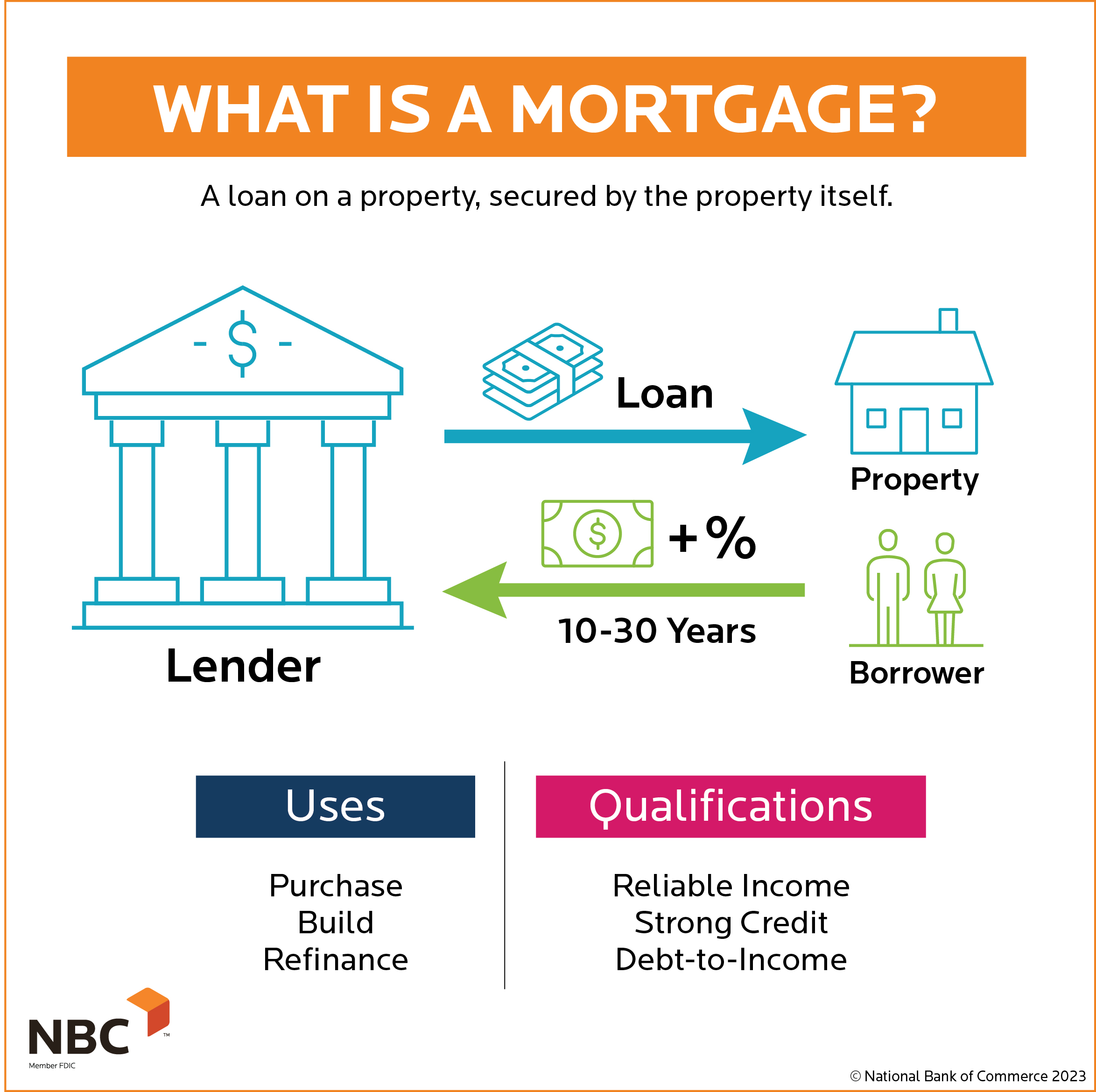
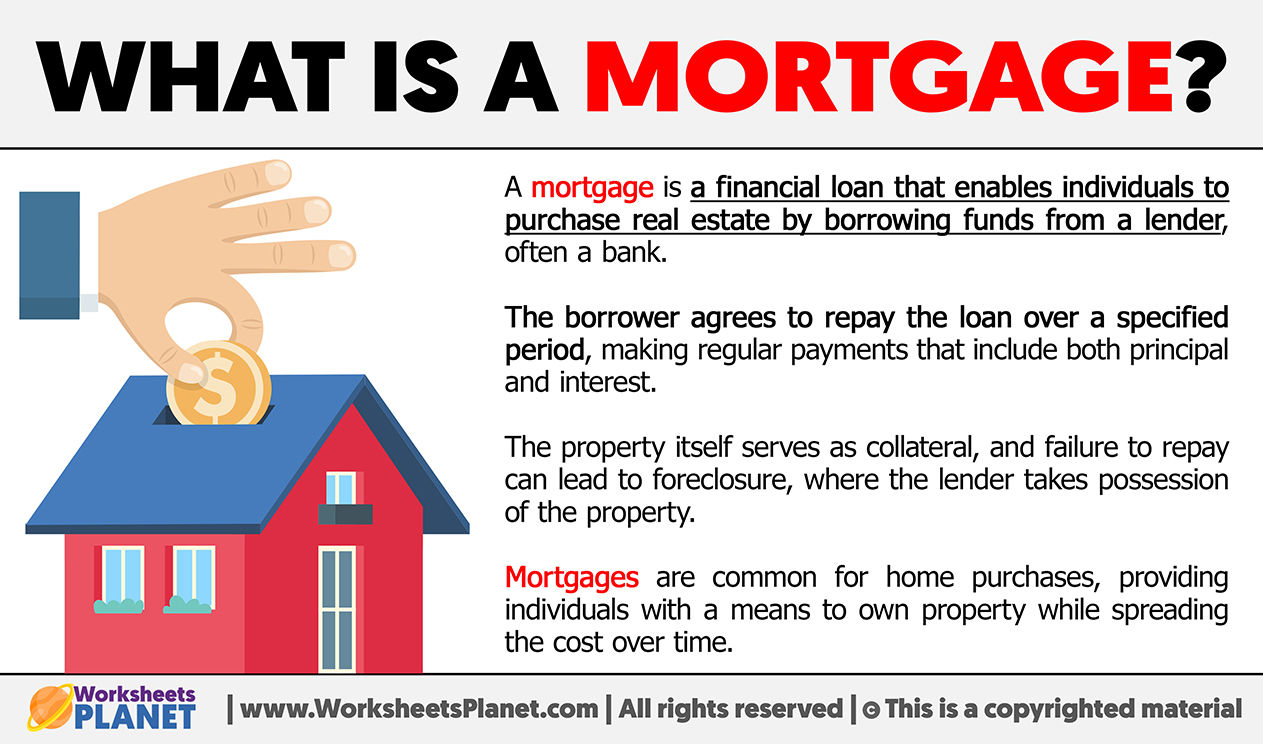
At its core, a home mortgage is a loan specifically designed to finance the purchase of real estate. Unlike a personal loan or a credit card, a mortgage is a “secured” loan, meaning the property itself serves as collateral. If the borrower fails to make payments as agreed (defaults on the loan), the lender has the legal right to take possession of the property through a process known as foreclosure. This security is what allows lenders to offer large sums of money over extended periods, typically 15 to 30 years, at relatively lower interest rates compared to unsecured loans.
The Fundamentals of Home Mortgages
To truly grasp the concept of a home mortgage, it’s essential to break down its foundational elements and understand why it has become an indispensable tool in the real estate market.
Defining a Mortgage: A Loan Secured by Real Estate
A mortgage is fundamentally an agreement between a borrower (you) and a lender (a bank, credit union, or other financial institution). The lender provides the capital to purchase the home, and in return, the borrower agrees to repay the loan over a specified period, typically in monthly installments that include both principal (the original amount borrowed) and interest (the cost of borrowing money). The crucial differentiator is the collateral: the property itself. This means your home secures the loan, giving the lender a legal claim on it until the debt is fully repaid. This legal claim is often referred to as a lien.
Key Players: Borrower, Lender, Property
Understanding the roles of the main participants clarifies the mortgage ecosystem. The borrower is the individual or entity taking out the loan to purchase or refinance a property. The lender is the financial institution providing the funds. This could be a large national bank, a local credit union, or a specialized mortgage company. The property is the real estate being purchased, which serves as the collateral for the loan. Beyond these primary players, other professionals like real estate agents, appraisers, home inspectors, and title companies play vital roles in facilitating the transaction, though they are not directly involved in the loan agreement itself.
Why Mortgages Exist: Bridging the Gap Between Savings and Home Price
The average cost of a home in many regions far exceeds what most people can save up in cash. Mortgages exist precisely to bridge this significant financial gap. They enable individuals to acquire a high-value asset by spreading the cost over many years, making homeownership accessible to a much broader population. Without mortgages, the real estate market as we know it would cease to function, and homeownership would be limited to only the wealthiest few.
The Mortgage as a Tool for Wealth Building
While a mortgage represents a substantial debt, it’s often considered “good debt” because it facilitates the acquisition of an appreciating asset. Over time, real estate tends to increase in value, building equity for the homeowner. As you make principal payments, your ownership stake (equity) in the home grows. This equity can be a significant source of wealth, which can be tapped into later through refinancing or selling the property, contributing to long-term financial security and often serving as a key component of an individual’s net worth.
Types of Home Mortgages
The mortgage market is diverse, offering a range of products designed to meet different financial situations and preferences. Choosing the right type of mortgage is a critical decision that can impact your monthly payments, overall interest paid, and financial flexibility for decades.
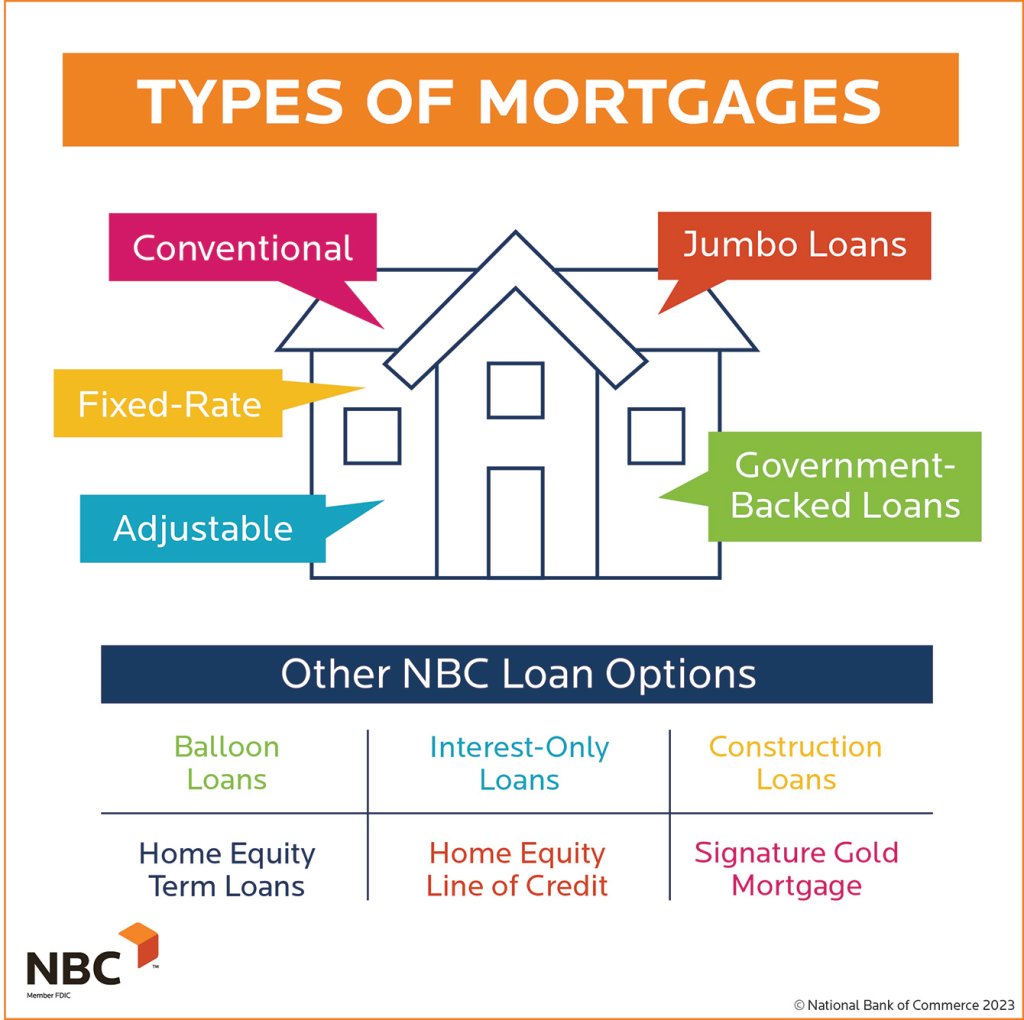
Fixed-Rate Mortgages (FRM): Predictable Payments, Interest Rate Stability
The most common and perhaps simplest type of mortgage is the fixed-rate mortgage. With an FRM, the interest rate remains constant for the entire duration of the loan, typically 15 or 30 years. This means your principal and interest payments will stay the same month after month, providing stability and predictability in your budgeting. This certainty is a major advantage, especially in times of fluctuating interest rates, as it protects you from potential payment increases. The stability makes it easier to plan your finances for the long term.
Adjustable-Rate Mortgages (ARM): Lower Initial Rates, Rate Variability
Adjustable-rate mortgages, or ARMs, offer a different approach. They typically start with a lower interest rate than fixed-rate mortgages for an initial period (e.g., 3, 5, 7, or 10 years). After this introductory period, the interest rate adjusts periodically (e.g., annually) based on an underlying financial index plus a margin set by the lender. This means your monthly payments can increase or decrease over time. ARMs can be attractive for borrowers who anticipate selling or refinancing before the fixed-rate period ends, or for those who expect their income to rise significantly in the future. However, they carry the risk of higher payments if interest rates climb.
Government-Insured Loans: FHA, VA, USDA
Several government-backed programs aim to make homeownership more accessible, especially for specific groups of buyers.
-
FHA Loans: Insured by the Federal Housing Administration, FHA loans are popular for first-time homebuyers or those with lower credit scores. They require a smaller down payment (as low as 3.5%) but typically come with mortgage insurance premiums (MIP) for the life of the loan.
-
VA Loans: Guaranteed by the U.S. Department of Veterans Affairs, VA loans are available to eligible service members, veterans, and their spouses. They offer significant benefits, including no down payment requirements and no private mortgage insurance (PMI).
-
USDA Loans: Backed by the U.S. Department of Agriculture, these loans are designed to promote homeownership in rural and some suburban areas. They also offer zero down payment options for eligible low- to moderate-income borrowers.
Conventional Loans: Conforming vs. Jumbo
Conventional loans are not insured or guaranteed by the government. They are the most common type of mortgage and adhere to guidelines set by Fannie Mae and Freddie Mac, which are government-sponsored enterprises.
-
Conforming Loans: These loans fall within specific loan limits set by federal housing finance agencies. They typically require a good credit score and a down payment of at least 3% to 5%.
-
Jumbo Loans: For loan amounts exceeding the conforming loan limits (which vary by region), borrowers need a jumbo loan. These loans are considered higher risk by lenders and often have stricter qualification requirements, including higher credit scores, larger down payments, and more robust income verification.
Understanding Mortgage Components and Costs
Beyond the simple principal and interest, a mortgage involves several other financial components and associated costs that borrowers must understand to accurately budget for homeownership.
Principal and Interest: The Core of Your Payment
Every monthly mortgage payment primarily consists of two parts:
-
Principal: This is the portion of your payment that goes towards reducing the actual amount you borrowed. As you pay down the principal, your loan balance decreases, and your equity in the home increases.
-
Interest: This is the cost of borrowing money. In the early years of a mortgage, a larger portion of your monthly payment typically goes towards interest, with less applied to the principal. Over time, this ratio shifts, with more of your payment going towards principal repayment.
Escrow Account: Property Taxes and Homeowner’s Insurance
Most lenders require borrowers to set up an escrow account. This account holds funds collected from your monthly mortgage payment that are then used by the lender to pay your annual property taxes and homeowner’s insurance premiums on your behalf. This ensures these crucial expenses are paid on time, protecting both the homeowner’s and the lender’s investment. While it adds to your monthly mortgage payment, it simplifies budgeting for these significant annual costs.
Private Mortgage Insurance (PMI): When It’s Required, How to Remove It
If you make a down payment of less than 20% on a conventional loan, your lender will typically require you to pay for Private Mortgage Insurance (PMI). PMI protects the lender in case you default on your loan. It’s usually an added monthly cost. The good news is that PMI can often be canceled once you’ve built up sufficient equity in your home, usually when your loan-to-value (LTV) ratio reaches 80% (meaning you owe 80% or less of your home’s original appraised value). For FHA loans, this is called Mortgage Insurance Premium (MIP), which generally cannot be removed unless you refinance out of the FHA loan.
Closing Costs: Origination Fees, Appraisal, Title Insurance, Legal Fees
Beyond the down payment, homebuyers face a collection of upfront expenses known as closing costs. These are fees associated with the mortgage transaction and transfer of property ownership. They typically range from 2% to 5% of the loan amount and can include:
-
Origination Fees: Charged by the lender for processing the loan.
-
Appraisal Fees: For valuing the home to ensure it’s worth the loan amount.
-
Title Insurance: Protects the buyer and lender from claims against the property’s title.
-
Legal Fees: For attorneys involved in the closing process.
-
Recording Fees: For officially recording the property transfer.
-
Prepaid Expenses: Such as initial property taxes and homeowner’s insurance premiums deposited into escrow.
Debt-to-Income (DTI) Ratio: How Lenders Assess Affordability
Lenders use your Debt-to-Income (DTI) ratio as a key metric to assess your ability to repay a mortgage. It’s calculated by dividing your total monthly debt payments (including the new mortgage payment) by your gross monthly income. A lower DTI ratio indicates less risk to the lender. Generally, lenders prefer a DTI ratio below 43%, though this can vary by loan program and individual circumstances.
Credit Score and Its Impact: Better Scores Mean Better Rates
Your credit score is a crucial factor in mortgage qualification. It’s a numerical representation of your creditworthiness, reflecting your history of borrowing and repaying debts. A higher credit score (typically above 740) signals to lenders that you are a responsible borrower, often qualifying you for lower interest rates, which can save you tens of thousands of dollars over the life of the loan. Conversely, a lower credit score may result in higher interest rates or make it more challenging to qualify for a mortgage.
The Mortgage Application and Approval Process
Navigating the mortgage application journey can seem daunting, but breaking it down into manageable steps helps demystify the process.
Pre-Qualification vs. Pre-Approval: Knowing Your Borrowing Power
Before you start seriously looking at homes, understanding your borrowing capacity is vital.
-
Pre-qualification is an informal estimate of how much you might be able to borrow, based on a brief review of your finances. It’s a quick assessment, often done without a credit check, and provides a rough idea.
-
Pre-approval is a much more thorough process. It involves a detailed review of your income, assets, debts, and a hard credit check. If approved, you receive a pre-approval letter stating the maximum loan amount you qualify for. This letter strengthens your offer when you find a home, showing sellers you are a serious and qualified buyer.
Document Gathering: Income, Assets, Debts
Once you’re ready to apply, you’ll need to provide extensive documentation to your lender. This typically includes:
-
Income Verification: Pay stubs, W-2 forms, tax returns (for the past two years, especially if self-employed).
-
Asset Verification: Bank statements, investment account statements, retirement account statements to verify your down payment and reserves.
-
Debt Verification: Statements for credit cards, auto loans, student loans, and any other outstanding debts.
-
Identification: Driver’s license or other government-issued ID.
Underwriting: Lender’s Review of Your Financial Health
After submitting your application and documents, your file moves to the underwriting stage. An underwriter is a mortgage professional who rigorously reviews all your financial information to assess the risk of lending to you. They verify your income, assets, credit history, and DTI ratio to ensure you meet the lender’s specific guidelines and the requirements of the loan program. This is the stage where the final “yes” or “no” on your loan approval is determined.
Appraisal and Inspection: Valuing the Property
While your financial health is being assessed, the property itself undergoes scrutiny.
-
Appraisal: The lender will order an independent appraisal to determine the fair market value of the home. This ensures the property is worth at least the loan amount, protecting the lender’s investment.
-
Inspection: Although not typically required by the lender, a home inspection is highly recommended for the buyer. A professional inspector evaluates the home’s condition, identifies any potential structural issues, necessary repairs, or safety concerns. This can inform your negotiation strategy or even lead you to reconsider the purchase if significant problems are found.
Closing Day: Signing the Dotted Lines, Transfer of Ownership
The culmination of the mortgage process is closing day. This is when all parties—buyer, seller, lender representatives, and often attorneys or title company agents—meet to sign the final paperwork. You’ll sign numerous documents, including the promissory note (your promise to repay the loan) and the mortgage or deed of trust (giving the lender a lien on the property). Once all documents are signed, funds are disbursed, and the property’s title is officially transferred to you, making you the proud homeowner.
Strategic Mortgage Management and Long-Term Considerations
Securing a mortgage is just the beginning. Effective management of your mortgage can significantly impact your financial health and help you achieve long-term wealth goals.
Refinancing Opportunities: Lowering Rates, Changing Terms, Cash-Out
Refinancing involves taking out a new mortgage to pay off your existing one. This can be done for several reasons:
-
Lowering Your Interest Rate: If market rates have dropped since you took out your original loan, refinancing can secure a lower rate, reducing your monthly payments and overall interest paid.
-
Changing Your Loan Term: You might refinance from a 30-year to a 15-year mortgage to pay off your home faster, or from a 15-year to a 30-year to reduce monthly payments.
-
Cash-Out Refinance: This allows you to borrow more than you owe on your current mortgage and receive the difference in cash. Homeowners often use this equity to fund home improvements, pay off high-interest debt, or for other financial needs.
Bi-Weekly Payments: Accelerating Principal Repayment
A simple strategy to pay off your mortgage faster and save on interest is to make bi-weekly payments. Instead of 12 monthly payments a year, you make 26 bi-weekly payments. This effectively results in one extra full monthly payment per year, significantly reducing your loan term and the total interest paid over time without feeling like a huge financial burden each month.
Extra Payments: Reducing Interest and Loan Term
Similar to bi-weekly payments, making additional principal payments whenever possible can yield substantial savings. Even small extra contributions, whether an additional $50 or $100 each month, or applying a bonus or tax refund directly to your principal, can shave years off your mortgage and dramatically reduce the total interest you pay over the life of the loan. Ensure your lender doesn’t charge prepayment penalties before implementing this strategy.
Impact on Financial Planning: Budgeting, Emergency Funds, Other Investments
Your mortgage is likely your largest monthly expense and your most significant long-term debt, so it must be integrated into your broader financial plan.
-
Budgeting: Accurately account for your mortgage payment (including principal, interest, taxes, and insurance) to ensure you have sufficient cash flow for other needs.
-
Emergency Fund: It’s crucial to maintain a robust emergency fund (typically 3-6 months of living expenses) that can cover mortgage payments in case of job loss or other unexpected financial setbacks.
-
Other Investments: While paying down your mortgage faster is appealing, consider the opportunity cost. Sometimes, investing extra funds in higher-return vehicles (like retirement accounts or stocks) might offer greater long-term wealth growth, especially if your mortgage interest rate is low. A balanced approach is often best.
When to Seek Professional Advice: Mortgage Brokers, Financial Advisors
The world of mortgages can be complex, and making the right decisions requires informed choices.
-
Mortgage Brokers: These professionals act as intermediaries between you and multiple lenders. They can help you compare various loan products and find the best rates and terms for your situation.
-
Financial Advisors: A comprehensive financial advisor can help you integrate your mortgage strategy into your overall financial plan, advising on down payment amounts, refinancing decisions, and how mortgage debt fits into your wealth-building goals.
In conclusion, a home mortgage is far more than just a loan; it’s a cornerstone of modern financial life, enabling homeownership and serving as a fundamental tool for wealth accumulation. By understanding its various types, components, and strategic management options, individuals can navigate the journey to homeownership with confidence and harness the power of a mortgage to build a secure financial future.
aViewFromTheCave is a participant in the Amazon Services LLC Associates Program, an affiliate advertising program designed to provide a means for sites to earn advertising fees by advertising and linking to Amazon.com. Amazon, the Amazon logo, AmazonSupply, and the AmazonSupply logo are trademarks of Amazon.com, Inc. or its affiliates. As an Amazon Associate we earn affiliate commissions from qualifying purchases.