
The Digital Edge: Why Technology is Key to Protein Calculation
Protein stands as a foundational macronutrient, essential for an array of bodily functions from muscle repair and growth to enzyme production and satiety. For anyone pursuing specific health, fitness, or body composition goals, accurately determining and tracking protein intake is paramount. Historically, this involved tedious manual logging, complex calculations, and often, educated guesswork. However, the modern digital landscape has revolutionized this process, transforming a once cumbersome task into an accessible, precise, and streamlined experience through an array of sophisticated technological tools.
The sheer volume and variability of food sources, combined with individual physiological differences and activity levels, make manual protein calculation prone to error and inconsistency. Technology steps in as a critical enabler, offering solutions that provide unparalleled precision, convenience, and the capacity for consistent tracking over time. We’ve moved beyond rudimentary methods to an era where advanced applications and intelligent platforms offer real-time insights, personalized recommendations, and a holistic view of dietary intake, with protein at the forefront.

Beyond Guesswork: The Need for Precision
Estimating protein intake, while seemingly straightforward, often leads to suboptimal nutritional strategies. Without precise data, individuals might under-consume, impeding muscle recovery and satiety, or over-consume, potentially leading to unnecessary caloric surplus without proportional benefits. Digital tools fundamentally eliminate this guesswork. By automating calculations and providing detailed nutritional breakdowns, technology ensures that users receive exact figures, enabling them to make informed decisions and align their intake precisely with their objectives. This level of accuracy is not just about numbers; it’s about optimizing physiological responses and accelerating progress towards health and performance goals.
Core Tools for Protein Calculation: Apps and Online Calculators
The most common and accessible technological solutions for calculating protein intake fall into two primary categories: dedicated online protein calculators and comprehensive nutrition tracking applications. Each offers distinct advantages and functionalities, catering to different user needs and levels of engagement.
Online Protein Calculators: Quick Estimates and Baselines
Online protein calculators are web-based tools designed for quick, initial estimations of daily protein requirements. Users typically input fundamental data points such as their body weight, age, sex, activity level, and their primary goal (e.g., muscle gain, fat loss, maintenance). The calculator then applies established scientific formulas and guidelines to provide a recommended daily protein target, often expressed in grams per kilogram of body weight or as a percentage of total caloric intake.
How they work: These calculators usually leverage algorithms based on general recommendations, such as 1.6-2.2 grams of protein per kilogram of body weight for active individuals aiming for muscle growth, or 1.2-1.6 g/kg for general health and satiety. Some more advanced versions might also consider body fat percentage for lean mass calculations.
Pros: They are exceptionally quick to use, freely available, and serve as an excellent starting point for understanding baseline protein needs. They require minimal commitment and offer immediate feedback.
Cons: Their primary limitation lies in their generality. They often provide a broad recommendation without accounting for individual dietary preferences, specific health conditions, or the fluctuating demands of intense training cycles. They also do not track actual food consumption.
Nutrition Tracking Apps: Comprehensive Logging and Analysis
For a more granular and ongoing calculation of protein intake, nutrition tracking applications represent the gold standard. Popular examples include MyFitnessPal, Cronometer, and LoseIt!. These apps function as digital food diaries, allowing users to log every item they consume throughout the day.
How they work:
-
Profile Setup: Users create a profile, inputting personal details (age, weight, height, sex) and setting specific goals (weight loss, muscle gain) which inform initial macro targets, including protein.
-
Food Logging: The core functionality involves logging food. Apps offer extensive, searchable databases of foods, including brand-specific items, restaurant meals, and generic ingredients. Many feature barcode scanners to quickly add packaged foods and even allow users to create custom food entries or recipes.
-
Automatic Calculation: As foods are logged, the app automatically pulls nutritional data (calories, macronutrients including protein, and often micronutrients) from its database and sums them up for the day. This provides a real-time running total of protein consumed against the set daily target.
-
Visual Progress: Users can view their protein intake graphically, often alongside other macros, and track their progress over days, weeks, or months.
Pros: These apps offer comprehensive tracking, highly detailed nutritional breakdowns, and the ability to set specific protein goals. They provide visual feedback, historical data, and often include community features for support. Many integrate with wearable fitness trackers to adjust caloric and macro needs based on activity levels.
Cons: The manual input required can be perceived as tedious, especially initially. Database accuracy can vary between apps and regions, requiring users to double-check entries. While many offer free versions, premium features (like detailed micronutrient tracking or advanced analytics) often come with a subscription.
Selecting the Right Digital Tool
Choosing between an online calculator and a full-fledged tracking app, or even selecting a specific app, depends on individual needs. For a quick initial estimate, an online calculator suffices. For sustained, precise monitoring and goal achievement, a robust nutrition tracking app is indispensable. When selecting an app, consider factors such as:
-
Database Size and Accuracy: A comprehensive and accurate food database is crucial.
-
User Interface (UI): An intuitive and easy-to-navigate interface enhances compliance.
-
Barcode Scanner & Recipe Builder: Features that simplify food logging.
-
Integration: Compatibility with fitness trackers or other health apps.
-
Cost: Free vs. premium features and subscription models.
-
Customization: Ability to set precise protein targets and adjust as needed.
Advanced Approaches: AI, Wearables, and Smart Nutrition Platforms

Beyond basic apps, the convergence of artificial intelligence (AI), wearable technology, and integrated smart nutrition platforms offers even more sophisticated methods for calculating, optimizing, and personalizing protein intake. These advanced solutions move beyond simple tracking to offer predictive insights and dynamic adjustments, fostering a truly adaptive nutritional strategy.
AI-Driven Nutrition Coaching and Platforms
AI is transforming how individuals manage their diets, including protein intake. These platforms utilize machine learning algorithms to analyze vast amounts of data – not just logged food, but also activity levels from wearables, sleep patterns, metabolic markers, and even genetic predispositions (where available).
How they work: An AI-driven platform can:
-
Analyze Dietary Patterns: It identifies trends in your protein consumption, common sources, and how they align with your overall diet.
-
Integrate Activity Data: By syncing with wearables, AI understands your energy expenditure and can dynamically adjust protein recommendations based on high-intensity workouts or recovery needs.
-
Predictive Insights: Rather than just reacting to what you’ve eaten, AI can predict future protein requirements based on upcoming training schedules or personal goals, suggesting meal adjustments in advance.
-
Personalized Recommendations: It can generate personalized meal plans or suggest specific protein-rich foods tailored to your preferences, allergies, and nutritional targets, ensuring optimal intake.
Pros: Highly personalized, dynamic adjustments, predictive capabilities, and often provide a deeper level of insight into metabolic responses. They reduce the cognitive load on the user by offering proactive advice.
Cons: Can be expensive, raise data privacy concerns, and require a certain level of technical comfort to fully leverage their features. The “intelligence” varies significantly between platforms.
Integration with Wearable Technology
Wearable fitness trackers (smartwatches, bands) play a crucial role in providing the raw data that feeds into advanced protein calculation and optimization systems. These devices continuously monitor metrics such as heart rate, steps taken, distance covered, calories burned, and even sleep quality.
How they impact protein calculation:
-
Dynamic Caloric Needs: As activity levels fluctuate, wearables provide data that allows linked nutrition apps or AI platforms to adjust total daily energy expenditure. Since protein recommendations are often tied to overall caloric intake or lean body mass, changes in activity directly influence optimal protein targets.
-
Recovery Optimization: Intense workouts increase protein turnover and the need for amino acids for repair. Wearable data signaling a high-intensity session can prompt an AI platform to recommend a slight increase in protein intake for that day or subsequent days to aid recovery.
-
Holistic Health Ecosystems: The integration of wearables creates a comprehensive health ecosystem where activity, sleep, and nutrition data converge, offering a more accurate and responsive model for dietary planning, including protein intake.
Predictive Power: Utilizing AI for Optimal Intake
The true power of AI in protein calculation lies in its predictive capability. Instead of simply calculating what you have eaten, AI can analyze your habits, goals, and upcoming activities to suggest what you should eat. For instance, if your calendar shows a strenuous resistance training session tomorrow, an AI nutritionist might recommend front-loading protein today or ensuring a specific protein intake immediately post-workout to maximize anabolism and minimize muscle breakdown. This proactive approach to nutrition, driven by intelligent algorithms, allows for finer tuning of protein intake for peak performance, faster recovery, and more efficient body composition changes.
Data-Driven Insights and Continuous Optimization
Calculating protein intake using technology is not a one-time event; it’s an ongoing, iterative process. The real value of these digital tools emerges when the collected data is analyzed to provide actionable insights, allowing for continuous optimization of one’s nutritional strategy.
Analyzing Trends and Patterns
Nutrition tracking apps and AI platforms excel at compiling and presenting data in understandable formats. Users can review daily, weekly, and monthly trends in their protein consumption. This allows them to:
-
Identify Protein Sources: Pinpoint which foods contribute most to their protein intake and discover any dietary gaps.
-
Assess Consistency: Determine if they consistently meet their protein targets or if there are particular days or periods where intake falls short.
-
Correlate with Outcomes: Observe how variations in protein intake correlate with physical outcomes, such as feelings of satiety, energy levels, workout performance, or progress in muscle gain or fat loss. This analytical feedback loop is crucial for understanding the direct impact of dietary choices.
Iterative Adjustment
The dynamic nature of protein requirements means that static goals are rarely sufficient. Life changes, activity levels fluctuate, and body composition evolves, all necessitating adjustments to protein targets. Technology facilitates this iterative process:
-
Responsive Adjustments: As fitness goals evolve (e.g., transitioning from muscle gain to fat loss), users can easily update their targets within the app, and the system will recalibrate protein recommendations.
-
Performance-Based Tuning: If performance plateaus or recovery suffers, reviewing protein intake data alongside activity logs can reveal opportunities for adjustment. Perhaps an increase is needed, or a better distribution of protein throughout the day.
-
Adapting to Lifestyle: If travel or a busy period disrupts normal eating patterns, the ability to log and assess protein intake quickly helps in making immediate corrective decisions to stay on track.
Reporting and Sharing
Many advanced nutrition platforms offer features to export data or generate reports. This capability is invaluable for individuals working with fitness coaches, dietitians, or healthcare professionals. Sharing accurate, detailed dietary data enables these experts to provide more informed and personalized guidance, leading to more effective and safer nutritional interventions. This data-driven collaboration elevates the precision of dietary management beyond what manual methods could ever achieve.
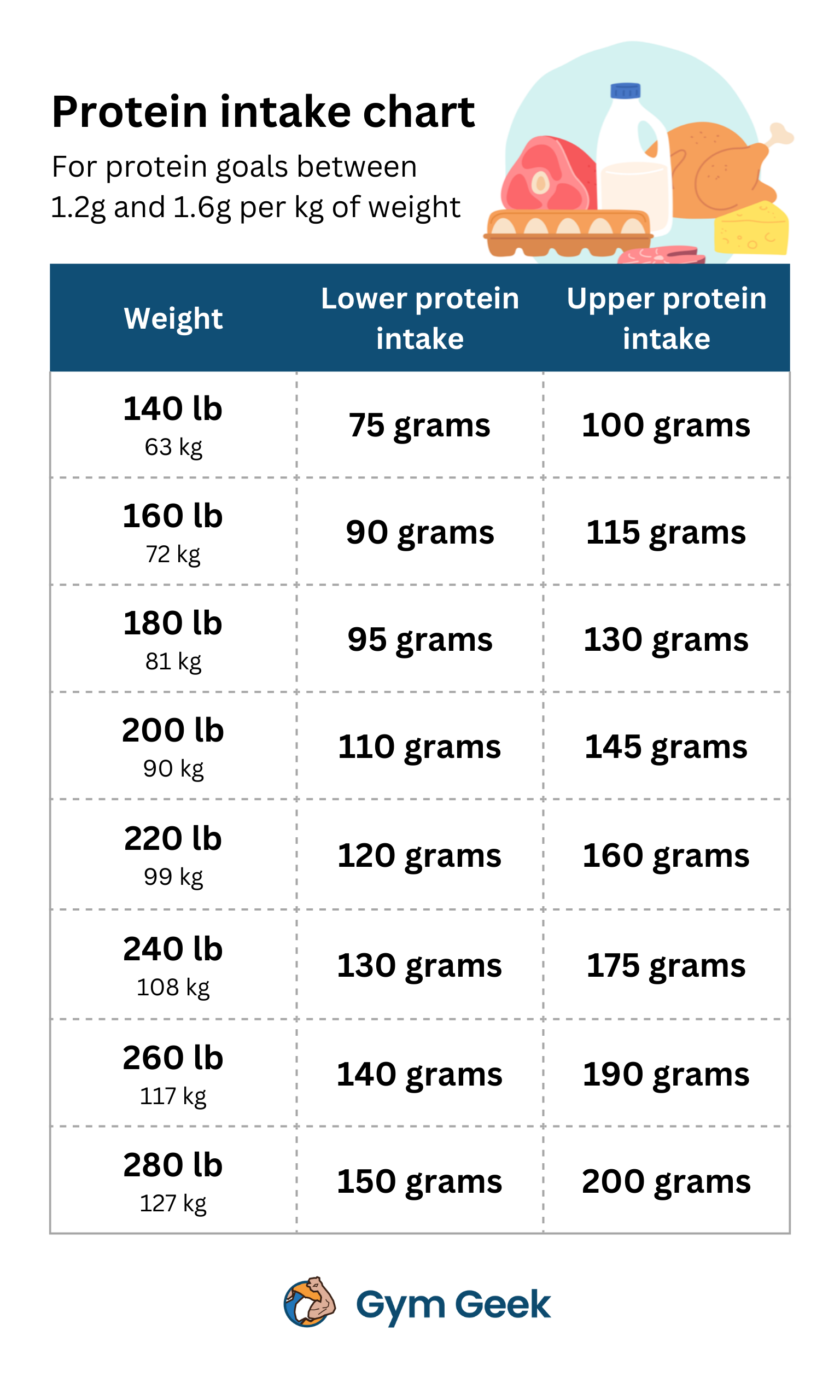
The Iterative Process: Refining Your Protein Strategy
Ultimately, calculating protein intake with technology empowers individuals to take a proactive and highly informed approach to their nutrition. It moves beyond simply knowing a number, offering a continuous cycle of tracking, analysis, adjustment, and optimization. By embracing these digital tools, users can refine their protein strategy over time, adapting to their body’s evolving needs and consistently moving closer to their health and performance aspirations with an unprecedented level of precision and insight.
aViewFromTheCave is a participant in the Amazon Services LLC Associates Program, an affiliate advertising program designed to provide a means for sites to earn advertising fees by advertising and linking to Amazon.com. Amazon, the Amazon logo, AmazonSupply, and the AmazonSupply logo are trademarks of Amazon.com, Inc. or its affiliates. As an Amazon Associate we earn affiliate commissions from qualifying purchases.