
The concept of “power distance” might initially sound like a niche academic term, but its implications ripple through every facet of our lives, from the way we interact with technology to how we build brands and manage our finances. Understanding power distance is crucial for navigating the complexities of the modern world, particularly within the dynamic landscapes of technology, branding, and finance. This article will delve into the essence of high power distance, exploring its characteristics and how it manifests across these key domains, offering insights that can inform our personal and professional strategies.
Deconstructing Power Distance: A Societal Framework
At its core, power distance refers to the extent to which the less powerful members of institutions and organizations within a country expect and accept that power is distributed unequally. It’s a cultural dimension, first popularized by psychologist Geert Hofstede, that helps explain why certain societies tend to have more hierarchical structures than others.
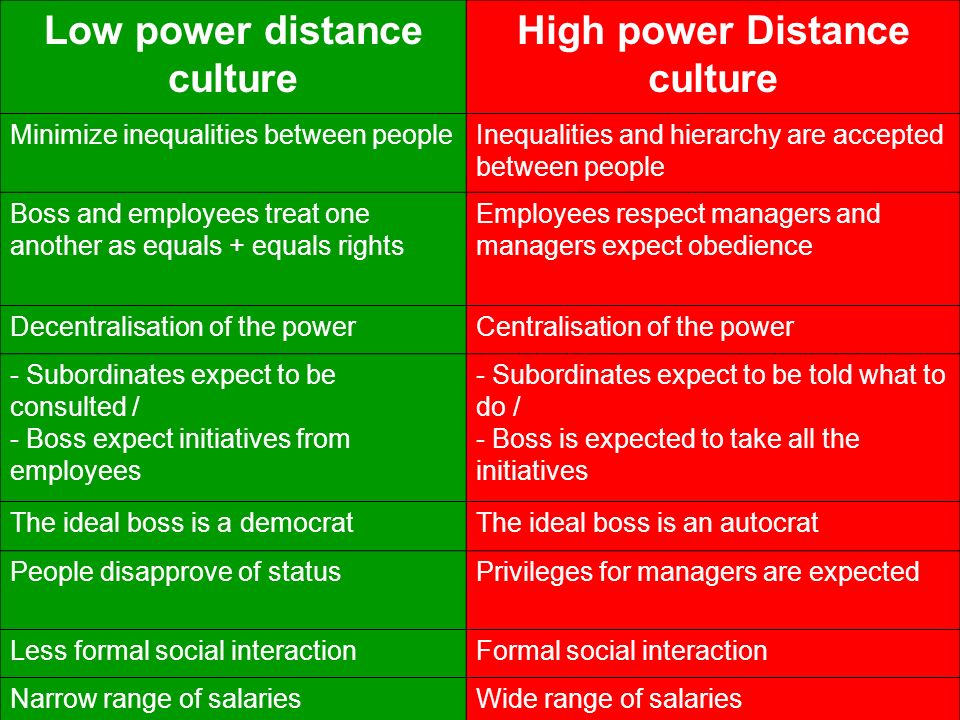
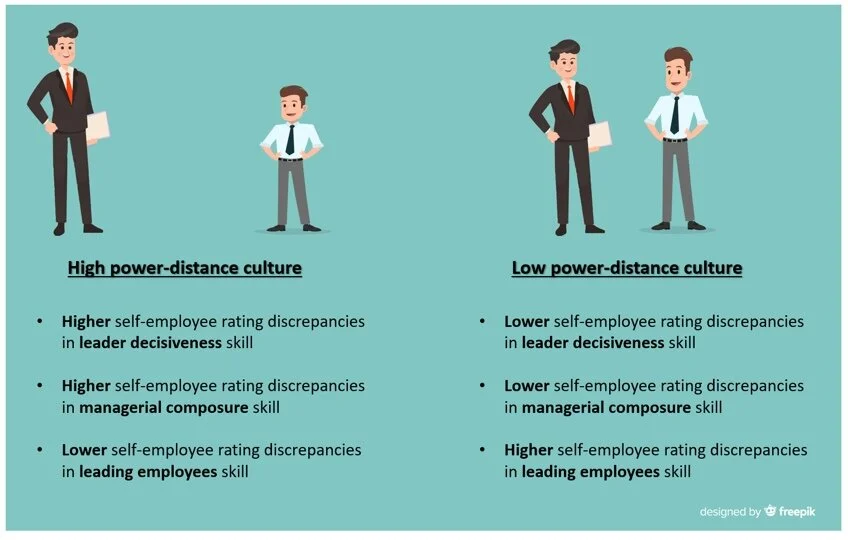
In societies with high power distance, there’s a strong acceptance of a hierarchical order in which everybody has a place and which needs no further justification. This means that individuals are more likely to accept and respect authority, with clear distinctions between those in positions of power and those who are not. Subordinates tend to be dependent on their superiors, and deference to authority is expected. Communication often flows from top to bottom, and open challenges to authority are generally discouraged. Decision-making is often centralized, and individuals may feel less empowered to voice dissenting opinions.
Conversely, societies with low power distance strive to equalize the distribution of power and demand justification for inequalities of power. In these cultures, there’s a greater emphasis on equality, and individuals are more likely to challenge authority or question decisions. Subordinates are more likely to expect to be consulted, and power holders are expected to be accessible. Communication tends to be more open and two-way, and there’s a greater tolerance for dissent.
While Hofstede’s original research focused on national cultures, it’s important to recognize that power distance is not a monolithic concept. It can vary within organizations, industries, and even families. Furthermore, globalization and technological advancements are constantly influencing these dynamics, blurring traditional lines and creating new forms of interaction and influence.
Characteristics of High Power Distance
In societies exhibiting high power distance, several observable characteristics tend to emerge:
- Acceptance of Inequality: There’s a general belief that some individuals are inherently more powerful or entitled to authority than others. This inequality is often seen as natural and unavoidable.
- Respect for Authority: Superiors are treated with a high degree of deference and respect. Their opinions and directives are rarely questioned openly.
- Centralized Decision-Making: Power and decision-making authority are concentrated at the top of organizational or societal structures.
- Clear Hierarchical Structure: Organizations and social groups are typically structured in clear, well-defined hierarchies, with distinct levels of authority and influence.
- Dependence on Superiors: Subordinates often rely heavily on their superiors for guidance, direction, and approval.
- Formal Communication Channels: Communication tends to follow formal channels, with information flowing predominantly from superiors to subordinates.
- Emphasis on Titles and Status: Titles, seniority, and social status are highly valued and serve as indicators of power and respect.
- Reluctance to Challenge: Individuals are less likely to challenge or contradict those in positions of authority, even if they disagree.
These characteristics create a social fabric where established hierarchies are maintained and respected. While this can foster stability and order, it can also stifle innovation, creativity, and individual initiative if not managed carefully.
High Power Distance in the Tech Sphere
The technology sector, often perceived as a meritocracy driven by innovation, is not immune to the influence of power distance. While the digital realm can democratize access to information and tools, the underlying structures of companies and the way individuals interact within them can still reflect high power distance dynamics.
Leadership and Innovation in Tech
In high power distance tech companies, leadership often embodies the traditional, authoritative figure. CEOs and top executives are seen as possessing superior knowledge and vision, with their decisions rarely being questioned by lower-level employees. This can lead to a top-down approach to innovation, where ideas are generated at the executive level and disseminated downwards for implementation.
- Hierarchical Development Teams: In software development, for instance, teams might be structured with a clear lead developer or architect who dictates the direction and technical choices, with junior developers expected to follow instructions rather than proposing alternative solutions.
- Influence of Founding Figures: In startups, the charisma and vision of founders can establish a strong power distance. Employees may defer to the founder’s judgment out of respect and admiration, even if their ideas are not always the most practical or innovative in the long run.
- Centralized AI Development: The development and deployment of powerful AI tools often reside in the hands of a few highly influential individuals or teams within large tech corporations. The ethical considerations and societal impacts of these technologies can be determined by a select group, with limited input from the broader public or even from employees in less senior roles.
- Gadget Design and User Feedback: While user feedback is often solicited, the ultimate design decisions for new gadgets are usually made by a leadership team. In high power distance environments, dissenting user feedback that challenges the established vision might be downplayed or dismissed.
However, even in high power distance tech environments, there’s a growing recognition of the benefits of more inclusive decision-making. Companies are increasingly experimenting with agile methodologies, open-source contributions, and internal idea-generation platforms that can, to some extent, mitigate the effects of rigid hierarchies. The accessibility of information through the internet also empowers individuals to educate themselves and form opinions, potentially creating a subtle pressure to acknowledge diverse perspectives.
High Power Distance in Branding and Marketing
The way brands are built, marketed, and perceived is deeply intertwined with cultural power dynamics. In high power distance societies, branding often emphasizes authority, tradition, and established reputations.
Authority and Trust in Brand Messaging
In high power distance cultures, consumers are more likely to trust brands that are perceived as authoritative, established, and credible. This translates into marketing strategies that emphasize expertise, heritage, and endorsements from respected figures.
- Corporate Identity and Hierarchy: Corporate identity in high power distance cultures often reinforces a strong sense of hierarchy within the company. This might be reflected in formal logos, the use of titles in communication, and a clear visual representation of the organizational structure.
- Influencer Marketing and Authority: While influencer marketing is a global phenomenon, in high power distance contexts, influencers are often chosen for their established authority, expertise, or perceived social status rather than their relatable authenticity. Endorsements from industry leaders, academics, or well-respected public figures carry significant weight.
- Marketing to Respect for Authority: Advertising campaigns might focus on evoking respect for authority figures, tradition, or established institutions. For example, a luxury brand might feature a renowned artist or a respected elder to lend an air of prestige and authority to their products.
- Reputation Management: In high power distance societies, a strong reputation is paramount. Brands invest heavily in building and protecting their image, as damage to reputation can have a profound and lasting impact due to the inherent deference to established entities. Case studies showcasing the success of prestigious clients or highlighting long-standing relationships can be particularly effective.
- Personal Branding as a Path to Authority: For individuals seeking to build a personal brand in high power distance environments, cultivating an image of expertise, confidence, and authority is crucial. This often involves carefully curating their online presence to project an aura of knowledge and credibility, rather than focusing on vulnerability or relatability.
Conversely, brands attempting to foster a sense of equality and collaboration might face challenges in high power distance cultures. Messaging that emphasizes peer-to-peer influence or decentralized decision-making may not resonate as strongly.
High Power Distance in Personal Finance and Business
The influence of power distance extends to how individuals and businesses approach their finances, investment decisions, and overall financial strategies.
Financial Decisions and Authority
In high power distance societies, financial decisions, particularly in business, are often made by those at the top, with less input from those in subordinate positions. This can impact investment strategies, risk assessment, and the overall financial culture of an organization.
- Investment and Advisory Roles: Individuals might be more inclined to trust and follow the financial advice of established institutions or highly reputable financial advisors. There’s a greater reliance on experts and a lesser tendency to conduct extensive independent research.
- Business Finance and Top-Down Control: In business finance, senior management or the board of directors typically holds significant power over financial decisions. This can include budgeting, capital allocation, and strategic financial planning. Employees in lower roles may have limited visibility or influence over these decisions.
- Online Income and Side Hustles: While the digital age has opened up new avenues for online income and side hustles, the pursuit of these ventures in high power distance cultures might still be influenced by a desire for established legitimacy. Individuals might be drawn to platforms or opportunities that are endorsed by well-known figures or have a strong, authoritative presence.
- Financial Tools and Perceived Authority: The adoption of personal finance or business finance tools can be influenced by their perceived authority. Tools that are endorsed by major financial institutions, come with strong professional branding, or are presented by credible experts are more likely to be trusted and utilized.
- Risk Aversion and Established Practices: In high power distance environments, there can be a greater tendency towards risk aversion when it comes to financial matters. Individuals and businesses might prefer to stick with established, proven methods and be hesitant to embrace novel or experimental financial strategies, even if they offer potential for higher returns.
The dynamics of power distance mean that individuals and businesses operating in these environments need to be mindful of who holds authority in financial matters and how decisions are communicated and implemented. Building trust through transparency and demonstrating expertise can be key to influencing financial behavior, even within a hierarchical structure.

Navigating High Power Distance in a Globalized World
Understanding high power distance is not about judgment; it’s about awareness. In our increasingly interconnected world, where individuals and businesses interact across diverse cultural backgrounds, recognizing these ingrained societal tendencies is a powerful tool for effective communication, strategic planning, and building stronger relationships.
Whether you are developing the next groundbreaking AI tool, crafting a compelling brand narrative, or managing your personal finances, being aware of the subtle yet significant ways power distance shapes behavior can lead to more informed decisions and successful outcomes. By acknowledging the inherent respect for authority and hierarchy in high power distance societies, you can tailor your approaches to better resonate with your audience, build trust with stakeholders, and navigate the complexities of the modern global landscape with greater insight and effectiveness.
aViewFromTheCave is a participant in the Amazon Services LLC Associates Program, an affiliate advertising program designed to provide a means for sites to earn advertising fees by advertising and linking to Amazon.com. Amazon, the Amazon logo, AmazonSupply, and the AmazonSupply logo are trademarks of Amazon.com, Inc. or its affiliates. As an Amazon Associate we earn affiliate commissions from qualifying purchases.