
Navigating a potential herpes diagnosis often begins with a fundamental question: “What is the test called?” While understanding the terminology is crucial for informed healthcare decisions, it’s equally important to consider the significant financial implications associated with these diagnostic procedures and subsequent management. From the immediate costs of testing to the long-term expenses of care, a comprehensive financial perspective is essential for anyone facing this medical journey.
Navigating the Financial Landscape of Herpes Testing
Identifying the correct diagnostic procedure for herpes involves understanding specific medical terminology. However, each test type also comes with its own financial footprint, making a grasp of both medical and financial literacy paramount.
Understanding Diagnostic Terminology and Its Cost Implications
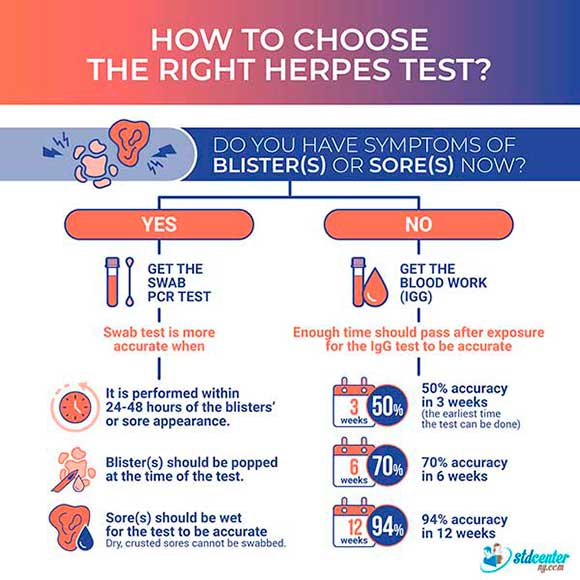
Herpes Simplex Virus (HSV) testing primarily involves a few key types, each designed for different scenarios and carrying varying costs. The most common tests include:
- Viral Culture: This test involves taking a sample from an active sore or lesion. It’s most effective when lesions are fresh and visible. While often less expensive than other methods, its sensitivity decreases significantly as lesions heal, potentially leading to false negatives. The cost often includes the collection fee, lab analysis, and a consultation fee.
- PCR (Polymerase Chain Reaction) Test: A highly sensitive test that detects the genetic material (DNA) of the HSV in a sample from a lesion or bodily fluid (like spinal fluid). PCR tests are particularly useful for atypical lesions or when viral load is low. Due to its advanced technology and higher accuracy, PCR testing is typically more expensive than viral culture.
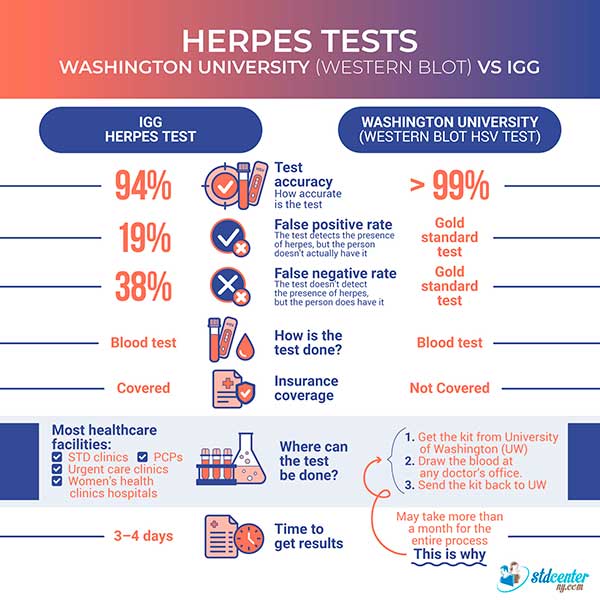
- Type-Specific Serologic Blood Test (Antibody Test): Unlike the above, which detect the virus itself, blood tests look for antibodies the body produces in response to HSV. These tests can differentiate between HSV-1 (often oral herpes) and HSV-2 (often genital herpes) and are reliable for past infections, even in the absence of current symptoms. The cost can vary based on the specific laboratory and the type of antibody measured (IgG vs. IgM). IgG tests are preferred for diagnosing past infections, while IgM tests are generally not recommended due to their unreliability for HSV diagnosis.
Each of these tests, while serving a specific diagnostic purpose, carries a distinct price tag. Understanding these differences allows individuals to anticipate potential expenses and make more informed decisions in consultation with their healthcare providers regarding the most appropriate and cost-effective testing strategy. Beyond the test itself, the costs can quickly accumulate through initial consultations, follow-up appointments, and any necessary prescriptions.
The Direct Costs: Test Fees and Consultations
The direct financial burden of herpes testing encompasses several components. Test fees alone can range significantly, from as low as $50 for some basic blood tests at certain clinics to several hundred dollars for PCR tests or more comprehensive panels at private labs. These figures often do not include the cost of the medical consultation required to order the test, interpret results, and discuss implications.
A standard doctor’s visit, whether with a general practitioner or a specialist, can incur charges from $100 to $300 or more, depending on your insurance coverage and the provider’s rates. If an in-person visit is mandated for sample collection for a viral culture or PCR test, additional facility fees or collection charges may apply. Some laboratories charge separate fees for the collection of the sample, transport, and the actual analysis, which might be itemized on a bill. Understanding these potential line items is crucial for preparing for the total expense.
Leveraging Insurance and Healthcare Benefits
For many, health insurance acts as a vital buffer against the full cost of medical testing. However, navigating insurance policies requires understanding key terms and coverage nuances specific to diagnostic services.
Decoding Your Health Insurance Policy
Before undergoing any test, it’s prudent to review your health insurance policy or contact your provider to understand your coverage. Key terms to consider include:
- Deductible: The amount you must pay out-of-pocket before your insurance begins to cover costs. If you haven’t met your deductible, you’ll be responsible for the full cost of the test and consultation.
- Co-pay: A fixed amount you pay for a healthcare service after your deductible has been met. For a specialist visit or lab test, this could be a flat fee.
- Co-insurance: A percentage of the cost of a healthcare service you pay after your deductible has been met. For example, if your co-insurance is 20%, you pay 20% of the cost, and your insurance covers the remaining 80%.
- In-network vs. Out-of-network: Using providers and labs within your insurance company’s network can significantly reduce your costs. Out-of-network services often result in higher out-of-pocket expenses or may not be covered at all. Always confirm that both your healthcare provider and the lab they use are in-network.
- Preventative Care vs. Diagnostic Care: Some insurance plans cover certain sexually transmitted infection (STI) screenings as preventative care, which might be covered at 100% without applying to your deductible or co-pay. However, if the test is ordered due to symptoms or a suspected exposure, it’s typically categorized as diagnostic care, which falls under different coverage rules. Clarifying this distinction with your insurer is vital.
Government Programs and Assistance
For those without adequate insurance or facing significant financial hardship, several government programs and community resources offer assistance:
- Medicaid and Medicare: These federal and state-funded programs provide health coverage for low-income individuals, families, and seniors. Both typically cover medically necessary STI testing, including for herpes.
- State and Local Health Departments: Many public health clinics offer free or low-cost STI testing and treatment services, often operating on a sliding scale based on income. These clinics are valuable resources for accessible and affordable care.
- Ryan White HIV/AIDS Program: While primarily for individuals with HIV/AIDS, this program can sometimes assist with related health services and may be a resource for finding broader sexual health support.
- Community Health Centers: Federally qualified health centers (FQHCs) provide primary care services, including STI testing, regardless of a patient’s ability to pay, often using sliding fee scales.
Health Savings Accounts (HSAs) and Flexible Spending Accounts (FSAs)
For individuals enrolled in high-deductible health plans (HDHPs) or those with employer-sponsored benefits, HSAs and FSAs offer tax-advantaged ways to pay for medical expenses, including herpes tests.
- HSAs: These accounts allow pre-tax contributions, grow tax-free, and withdrawals for qualified medical expenses are also tax-free. Funds roll over year to year and are portable, making them excellent long-term savings vehicles for healthcare costs.
- FSAs: Also funded with pre-tax dollars, FSAs are employer-sponsored and can be used for a wide range of medical expenses. However, they typically have a “use it or lose it” rule, meaning funds must be spent within the plan year or a short grace period.
Utilizing these accounts can significantly reduce the out-of-pocket burden by effectively making your healthcare dollars go further.
Strategies for Affordable Herpes Testing and Management
Proactive financial planning and informed decision-making can significantly reduce the costs associated with herpes testing and ongoing management.
Comparing Costs Across Providers
Just like shopping for any other service, comparing prices for medical tests can yield substantial savings.
- Ask for Price Transparency: Don’t hesitate to ask your doctor or the lab for the cash price of a test before proceeding. Many providers have negotiated rates for uninsured patients or offer discounts for upfront payment.
- Telehealth Services: For initial consultations or follow-ups that don’t require physical examination, telehealth platforms can offer a more affordable alternative to in-person visits. Some telehealth providers also partner with labs for discounted testing.
- Online Lab Services: Direct-to-consumer lab testing services allow you to order certain tests online, pay upfront, and visit a local lab for collection. While these are typically not covered by insurance, their transparent, often lower, pricing can be appealing for those with high deductibles or no insurance. Always ensure the service is reputable and that results will be interpreted by a qualified medical professional.
Negotiating and Payment Plans
Medical bills can be intimidating, but many healthcare providers and billing departments are open to negotiation.
- Negotiate Bills: If you receive a surprisingly high bill, contact the billing department. Explain your financial situation and inquire about discounts for prompt payment or charity care programs.
- Set Up Payment Plans: For larger bills, request to set up an interest-free payment plan. Most facilities are willing to work with patients to make bills more manageable over time.
Considering the Long-Term Financial Picture
A herpes diagnosis can involve ongoing management, adding to the long-term financial considerations.
- Antiviral Medications: If prescribed, antiviral medications (e.g., acyclovir, valacyclovir, famciclovir) can be a recurring expense. Generic versions are much more affordable than brand names. Explore prescription discount cards, pharmacy savings programs, and manufacturer coupons.
- Ongoing Medical Appointments: Regular check-ups with a healthcare provider may be necessary, contributing to recurring consultation fees.
- Budgeting for Unexpected Health Costs: Integrate a buffer into your personal budget for potential future health needs, including medication refills or additional tests.
Financial Tools and Resources for Managing Health Expenses
Effective financial management tools can empower individuals to track and control their healthcare spending, ensuring they are prepared for both anticipated and unexpected costs.
Budgeting Apps and Software
Leveraging modern financial technology can simplify the process of managing medical expenses.
- Expense Tracking: Many budgeting apps (e.g., Mint, YNAB, Personal Capital) allow you to categorize expenses, including medical bills, co-pays, and prescription costs. This provides a clear overview of your healthcare spending patterns.
- Setting Financial Goals: These apps can help you set and track savings goals for your deductible, HSA/FSA contributions, or an emergency medical fund.
- Alerts and Reminders: Set up reminders for bill due dates or medication refill schedules to avoid late fees or lapses in treatment.
Financial Counselors and Advisors
For complex financial situations or those seeking long-term planning, professional financial guidance can be invaluable.
- Medical Bill Advocates: Specialists who can review your medical bills, identify errors, and negotiate with providers on your behalf.
- Financial Planners: A certified financial planner can help integrate healthcare costs into your overall financial plan, advising on investment strategies, insurance choices, and retirement planning that accounts for potential health expenses.
- Non-profit Organizations: Various non-profit organizations focused on sexual health or chronic conditions may offer resources, financial aid information, or referrals to pro-bono financial counseling services.
By understanding the terminology around herpes testing and diligently managing the associated financial aspects, individuals can navigate this health challenge with greater confidence and preparedness, ensuring both their health and financial well-being are prioritized.
aViewFromTheCave is a participant in the Amazon Services LLC Associates Program, an affiliate advertising program designed to provide a means for sites to earn advertising fees by advertising and linking to Amazon.com. Amazon, the Amazon logo, AmazonSupply, and the AmazonSupply logo are trademarks of Amazon.com, Inc. or its affiliates. As an Amazon Associate we earn affiliate commissions from qualifying purchases.