
For decades, the mention of “the Dow” has conjured images of bustling trading floors, flashing stock tickers, and headlines heralding the health or woes of the American economy. It’s a phrase woven into the fabric of financial discourse, a benchmark cited by investors, economists, and even casual observers. But beyond its ubiquitous presence, what exactly does the Dow mean? It’s more than just a number; it’s a historical artifact, a specific economic indicator, and a barometer that, while imperfect, continues to offer valuable insights into the market’s pulse. Understanding its intricacies is crucial for anyone navigating the world of personal finance, investing, or business economics.
Unpacking the Dow: A Historical Perspective and Core Definition
To truly grasp the significance of the Dow, one must journey back to its origins. It emerged from a nascent financial landscape, designed to bring clarity to an increasingly complex industrial world.
The Genesis of an Icon: Charles Dow and the Industrial Revolution
The Dow Jones Industrial Average (DJIA), or simply “the Dow,” was conceived by Charles Dow, co-founder of Dow Jones & Company and editor of The Wall Street Journal. Its birth in May 1896, with an initial value of 40.94, was a response to the need for a simple, digestible metric to track the performance of the burgeoning industrial sector in the United States. At its inception, it comprised just 12 companies, predominantly heavy industrial firms like General Electric, U.S. Leather, and American Cotton Oil. This initial focus reflected the economic engine of the late 19th century, a time dominated by manufacturing and infrastructure development. Charles Dow’s vision was to create a tool that would reflect the general trend of the market, helping investors discern whether the tide was rising or falling for the nation’s most prominent businesses.
Defining the DJIA: More Than Just an Average
While the name suggests a simple average, the DJIA is a bit more nuanced. It is a stock market index that measures the stock performance of 30 large companies listed on stock exchanges in the United States. Crucially, it is a price-weighted average, meaning stocks with higher share prices are given greater weight in the index’s calculation, regardless of their market capitalization. This contrasts with more modern, market-capitalization-weighted indices like the S&P 500, which give more weight to companies with larger overall market value. The DJIA’s composition has evolved dramatically over its history, expanding to 20 companies in 1916 and then to its current 30 in 1928, shedding its original members as industries rose and fell, always aiming to reflect the leading edge of American enterprise.
The “Blue-Chip” Standard: Quality and Stability
The 30 companies that comprise the Dow are often referred to as “blue-chip” stocks. This term, derived from poker where blue chips hold the highest value, signifies financially sound, well-established companies with a long history of stable earnings and reliable performance. These are firms recognized globally, often household names, that have demonstrated resilience through various economic cycles. Their inclusion in the Dow signifies not just their size but their perceived quality and influence on the broader economy. Changes to the Dow’s components are rare and significant, usually occurring when a company’s business model fundamentally shifts, its market relevance diminishes, or another company emerges as a more fitting representative of the modern industrial landscape.
How the Dow Works: Calculation, Composition, and Influence
Understanding the mechanics behind the Dow is key to interpreting its daily movements and appreciating its unique position among financial indices.
The Price-Weighted Methodology: An Anomaly Among Indices
The Dow’s calculation method is perhaps its most distinctive, and sometimes criticized, feature. As a price-weighted index, a one-dollar change in the stock price of a company with a higher share price will have a larger impact on the Dow’s overall value than a one-dollar change in a company with a lower share price, even if the latter is a much larger company by market capitalization. This means that a stock trading at $300 will exert three times the influence of a stock trading at $100 for the same dollar amount change. This method is a legacy of its early days when market capitalization data was less readily available, but it persists, making the Dow behave differently from other major indices.
The Dow Divisor: Maintaining Continuity Amidst Change
To ensure the continuity and comparability of the index’s value over time, the Dow uses a “divisor.” When component companies undergo stock splits, reverse stock splits, stock dividends, or when there are changes in the index’s composition (companies being added or removed), the divisor is adjusted. This adjustment ensures that these corporate actions do not artificially inflate or deflate the Dow’s value. For example, if a high-priced stock splits, its price per share drops, which would reduce the index’s value. The divisor is lowered to compensate, keeping the index’s value consistent with what it would have been had the split not occurred. The divisor is typically a small number, significantly less than one, and its constant adjustment is crucial for the integrity of the DJIA’s historical data.
Component Selection: A Committee’s Discretion
Unlike the S&P 500, which has specific quantitative criteria for inclusion, the selection of the 30 companies in the DJIA is determined by an editorial committee at S&P Dow Jones Indices. This committee has considerable discretion, aiming to select companies that are leading the U.S. economy, are well-established, and have an excellent reputation. They prioritize maintaining “adequate representation of the broader market,” though “industrial” in its name has evolved to represent a broad cross-section of industries, including technology, finance, healthcare, and consumer goods, far beyond its original manufacturing focus. The subjective nature of this selection process means the Dow often represents a snapshot of what the committee believes are the most influential American companies.
Representing the Economy: Strengths and Limitations of Its Scope
The Dow’s strength lies in its long history and its focus on blue-chip companies, offering a glimpse into the performance of some of the most stable and influential businesses. However, its small number of components (30) and price-weighted methodology mean it may not always be a perfect representation of the entire U.S. stock market or economy. It excludes many dynamic small and mid-cap companies, as well as a vast array of specialized industries. Therefore, while its movements are widely reported, financial professionals often look to broader, market-capitalization-weighted indices like the S&P 500 (which tracks 500 large companies) or the Nasdaq Composite (heavily weighted towards technology and growth stocks) for a more comprehensive view.
The Dow as an Economic Barometer: Interpretation and Market Impact
Despite its methodological quirks, the Dow continues to be a widely observed and impactful indicator of market sentiment and economic trends.
Signaling Market Sentiment: Bulls, Bears, and Investor Psychology
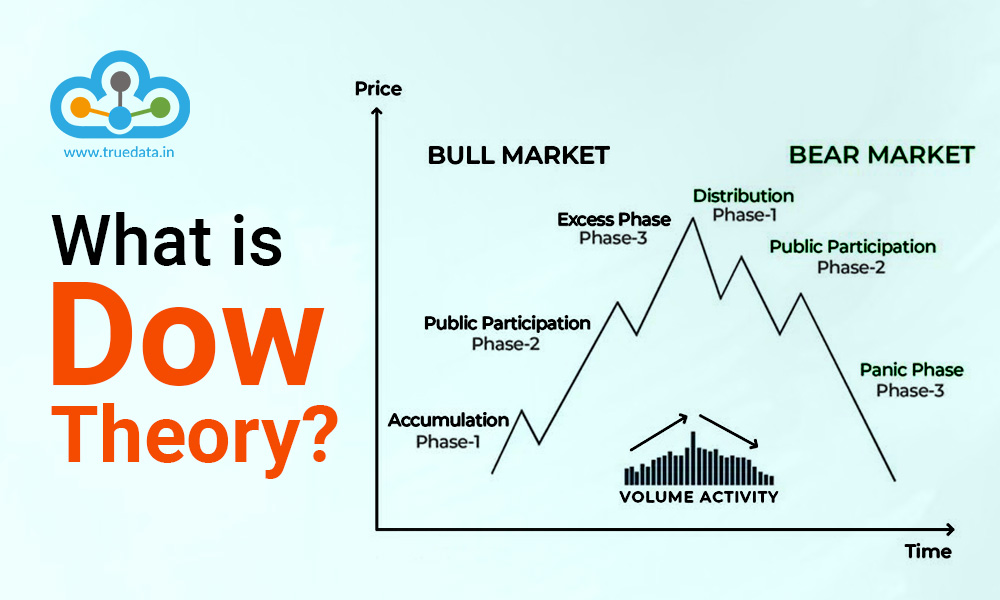
A significant rise in the Dow is generally interpreted as a sign of economic optimism and strong corporate earnings, indicating a “bull market.” Conversely, a sustained decline suggests pessimism, potentially signaling a “bear market” or an impending economic slowdown. Because of its visibility, large movements in the Dow can influence investor psychology, sometimes leading to self-fulfilling prophecies. Positive momentum can encourage more buying, while negative news can trigger selling, amplifying trends. It serves as a psychological benchmark, often driving headlines and shaping public perception of the financial markets.
A Gauge for Economic Health: From Manufacturing to Services
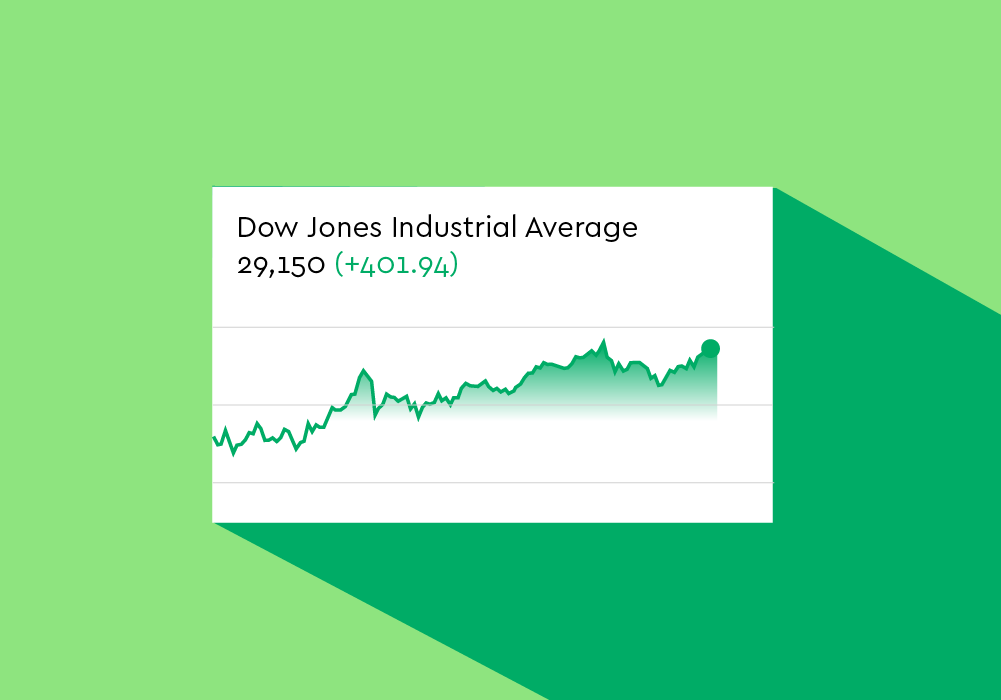
While its roots are industrial, the modern Dow reflects a diverse array of sectors that are crucial to the U.S. economy. Its components often include major financial institutions, technology giants, pharmaceutical companies, and consumer goods conglomerates. Therefore, its performance can serve as a proxy for the health of corporate America and, by extension, the broader economy. Strong Dow performance can indicate robust consumer spending, healthy corporate profits, and investor confidence in the future. Conversely, sustained weakness can point to concerns about inflation, interest rates, geopolitical instability, or a looming recession.
Short-Term Volatility vs. Long-Term Trends: What to Watch For
The Dow, like all stock market indices, experiences daily, even hourly, fluctuations driven by news, earnings reports, economic data, and investor sentiment. While these short-term movements capture headlines, investors typically focus on longer-term trends. A 100-point move might seem significant on a given day, but in the context of the Dow trading above 30,000 points, it represents a relatively small percentage change. Identifying whether the Dow is in an upward or downward trend over weeks, months, or years provides more meaningful insight into the underlying economic and market direction than daily noise. This perspective is crucial for making informed investment decisions rather than reacting to fleeting headlines.
The Dow’s Relationship with Other Indices (S&P 500, Nasdaq)
While the Dow is prominent, it rarely acts in isolation. Its movements are often correlated with, but not identical to, other major indices. The S&P 500 is generally considered a more accurate representation of the broader U.S. stock market due to its larger number of components and market-capitalization weighting. The Nasdaq Composite, heavily influenced by technology and growth stocks, often reflects different dynamics. Observing how the Dow moves in conjunction with or divergence from these other indices can provide a richer understanding of market shifts. For example, if the Dow is up but the Nasdaq is down, it might suggest a sector rotation where investors are moving out of growth stocks and into more value-oriented, established companies.
Investing and the Dow: Practical Applications for Financial Planning
For individual investors and financial planners, the Dow can serve as both a benchmark and an investment vehicle, though its role requires careful consideration.
Tracking the Dow: ETFs, Mutual Funds, and Futures
Investors cannot directly “buy the Dow” as it is an index, not a security. However, they can invest in products designed to track its performance. Exchange-Traded Funds (ETFs) and mutual funds exist that hold shares of the 30 Dow components in proportions designed to replicate the index’s price-weighted methodology. The most well-known of these is the SPDR Dow Jones Industrial Average ETF Trust, often referred to by its ticker symbol DIA or “Diamonds.” Additionally, futures contracts based on the Dow allow sophisticated investors and institutions to speculate on or hedge against the index’s future movements. These instruments provide accessible ways for individuals to gain exposure to the performance of the Dow’s blue-chip companies.
Diversification Beyond the Dow: A Prudent Investor’s Approach
While investing in a Dow-tracking fund provides exposure to 30 leading companies, it is not a fully diversified portfolio. Its concentration in a relatively small number of large-cap companies means it lacks exposure to small-cap stocks, international markets, bonds, real estate, and other asset classes. A prudent investor understands that true diversification involves spreading investments across various types of assets, geographies, and market capitalizations to mitigate risk. While the Dow can be a component of a portfolio, relying solely on it is generally not recommended for achieving broad market exposure and robust long-term financial goals.
When to Heed the Dow (and When Not To): Context is Key
Investors should view the Dow as one data point among many. While a strong Dow can signal overall market confidence, it doesn’t guarantee the performance of every individual stock or the health of every sector. Conversely, a down day for the Dow doesn’t necessarily mean the sky is falling for all investments. It’s important to consider the context: What caused the move? Are there broader economic indicators (like GDP, employment figures, inflation) that support or contradict the Dow’s message? Reacting impulsively to daily Dow movements can lead to poor decision-making. Instead, use it as a part of a larger picture, focusing on your long-term financial plan and asset allocation.
The Dow in Your Portfolio: Growth, Income, and Stability Considerations
For some investors, particularly those seeking stable growth and dividend income, the blue-chip companies within the Dow can be attractive. Many of these firms have a history of paying consistent dividends, making them appealing to income-focused investors. Their established nature also often implies a degree of stability compared to more volatile growth stocks. However, for investors seeking aggressive growth or maximum diversification, the Dow might only play a supporting role. Aligning your exposure to the Dow with your specific investment objectives, risk tolerance, and time horizon is essential for integrating it effectively into your financial planning.
Beyond the Headlines: Common Misconceptions and Future Relevance
The Dow, for all its fame, is often misunderstood. Clarifying these misconceptions is vital for a clear-eyed perspective on its value.
The “Average” Misnomer: Understanding Its Limitations
The term “average” in its name can be misleading. It’s not a simple arithmetic average of prices, and it’s certainly not an average of market capitalizations. Its price-weighted nature means that a high-priced stock with a relatively small market cap can have more influence than a low-priced stock with a huge market cap. This creates a distortion that can make it a less representative measure of overall market wealth compared to market-cap-weighted indices. Understanding this distinction is crucial to avoiding misinterpretations of the Dow’s movements.
Not a Proxy for the Entire Market: A Concentrated View
Perhaps the most common misconception is treating the Dow as a proxy for the entire U.S. stock market or economy. With only 30 companies, it offers a highly concentrated view. While these 30 companies are incredibly influential, they represent only a tiny fraction of the thousands of publicly traded companies in the U.S. and do not fully capture the performance of small businesses, emerging industries, or broader market segments. Investors looking for a more comprehensive market gauge should consider indices like the Russell 3000 or the Wilshire 5000, which track thousands of U.S. companies.
The Evolving Economy and the Dow’s Adaptability
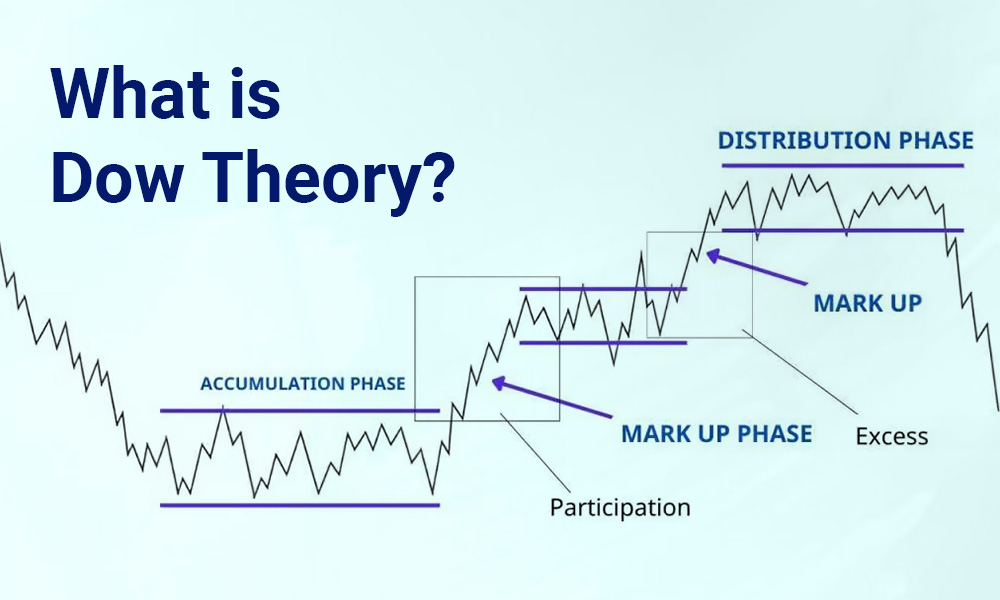
The U.S. economy has undergone profound transformations since 1896, shifting from an industrial powerhouse to a knowledge-based, service-oriented economy driven by technology and innovation. The Dow has, to its credit, adapted over time. Companies like IBM, Apple, Microsoft, and Salesforce have replaced legacy industrial names, reflecting these economic shifts. This adaptability has allowed the Dow to maintain its relevance as a snapshot of leading American enterprise, even if its methodology is old-fashioned. Its committee-driven selection process enables it to pivot and include companies that best represent the current economic zeitgeist.
Sustaining Its Status: Why the Dow Endures
Despite its limitations and the rise of more sophisticated indices, the Dow Jones Industrial Average continues to hold a prominent place in financial discourse. Its enduring appeal stems from several factors: its deep historical roots provide a continuous data series spanning over a century, offering unparalleled perspective on long-term market trends; its simplicity of concept (a list of 30 major companies) makes it easily digestible for the public; and its “blue-chip” aura lends it an air of authority and stability. While it should be interpreted with an understanding of its unique calculation and limited scope, the Dow remains a powerful, albeit imperfect, symbol of the American corporate landscape and a frequently referenced gauge of market sentiment and economic health. For both seasoned investors and curious observers, understanding “what the Dow means” is an essential step in comprehending the broader financial world.
aViewFromTheCave is a participant in the Amazon Services LLC Associates Program, an affiliate advertising program designed to provide a means for sites to earn advertising fees by advertising and linking to Amazon.com. Amazon, the Amazon logo, AmazonSupply, and the AmazonSupply logo are trademarks of Amazon.com, Inc. or its affiliates. As an Amazon Associate we earn affiliate commissions from qualifying purchases.