
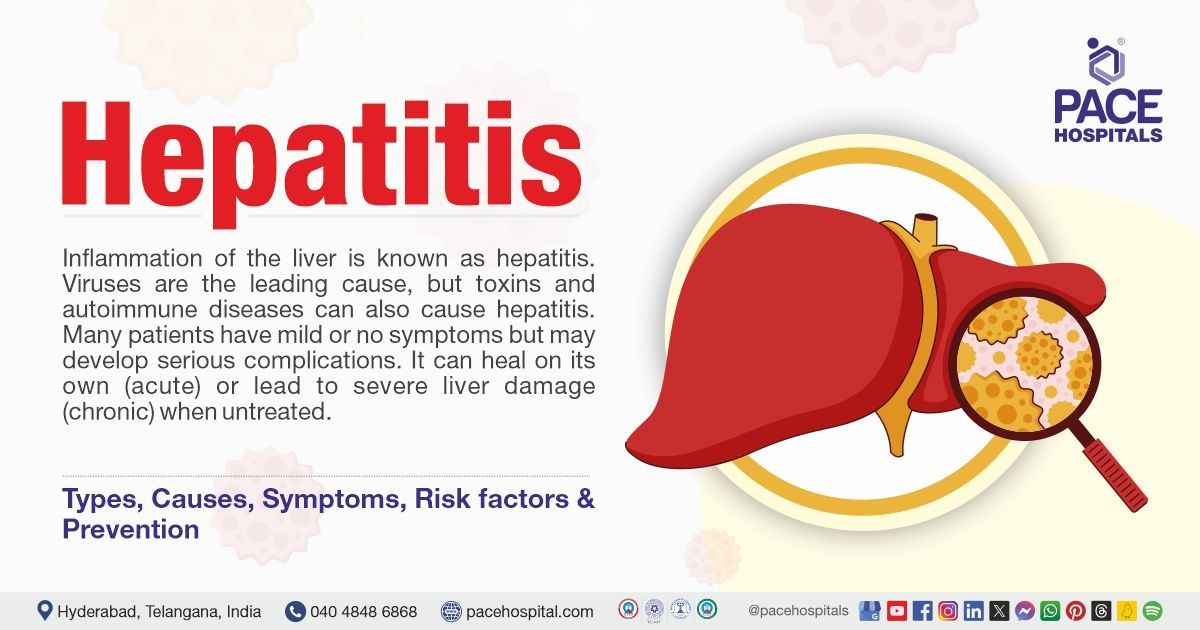
Hepatitis, a term derived from the Greek words “hepar” (liver) and “itis” (inflammation), refers to the inflammation of the liver. While the liver is a vital organ responsible for numerous essential functions, including detoxification, metabolism, and protein production, inflammation can significantly impair its ability to perform these tasks. This inflammation can be caused by a variety of factors, but the most common culprits are viral infections. However, it’s crucial to understand that hepatitis is not a single entity; it encompasses a spectrum of conditions with diverse causes, symptoms, and prognoses.
The complexity of hepatitis means that understanding it requires delving into its different types, how it’s contracted, its effects on the body, and importantly, how we can prevent and manage it. Given the pervasive nature of health information in our digital age, and the way technology, branding, and even financial considerations intersect with our well-being, exploring hepatitis through these lenses can offer a more comprehensive and accessible understanding for a wider audience.
Understanding the Different Types of Hepatitis
When we talk about hepatitis, we are often referring to viral hepatitis, which is further categorized into distinct types based on the specific virus causing the inflammation. Each type has its unique characteristics regarding transmission, incubation period, symptoms, and potential for chronic infection.
Viral Hepatitis: The Primary Culprits
The most prevalent forms of viral hepatitis are A, B, C, D, and E.
Hepatitis A (HAV)
Hepatitis A is an acute infection, meaning it is usually short-lived and does not lead to chronic liver disease. It is primarily transmitted through the fecal-oral route, often via contaminated food or water. This can happen when someone ingests even tiny amounts of fecal matter from an infected person, which is why good hygiene practices are paramount in preventing its spread. Outbreaks are more common in areas with poor sanitation.
- Transmission: Fecal-oral route (contaminated food, water, close personal contact).
- Incubation Period: Typically 2-6 weeks.
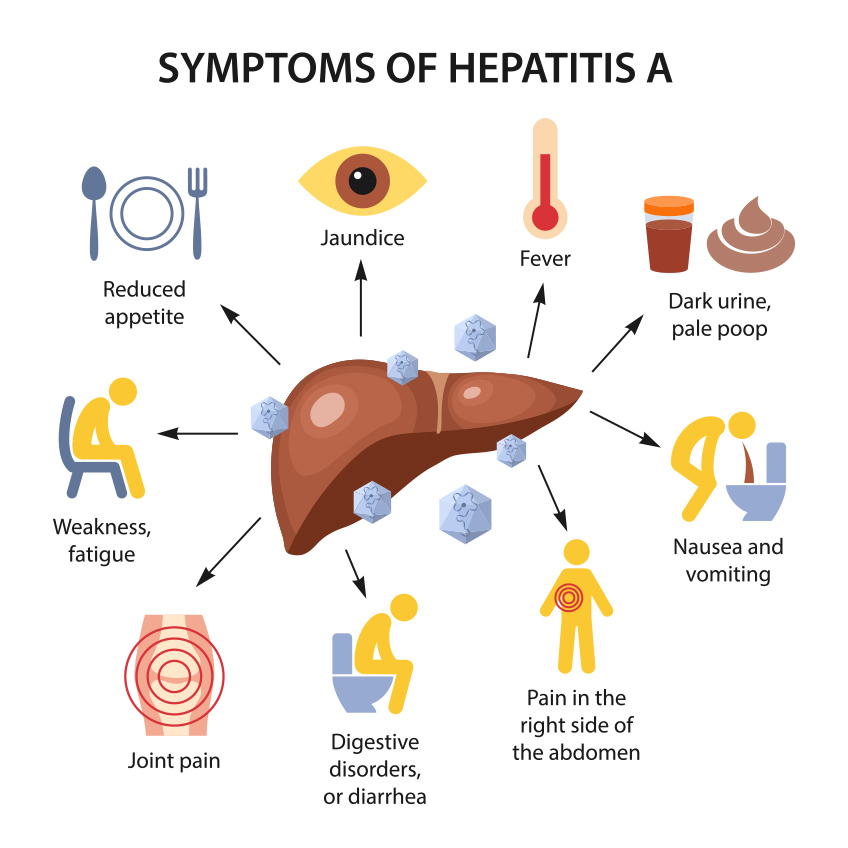
- Symptoms: Often mild or absent, but can include fatigue, nausea, vomiting, abdominal pain, jaundice (yellowing of the skin and eyes), dark urine, and pale stools.
- Prognosis: Most people recover fully without long-term complications. There is no specific antiviral treatment for Hepatitis A; treatment focuses on supportive care and symptom management.
- Prevention: Vaccination is highly effective. Good personal hygiene, including thorough handwashing, is crucial. Safe food and water practices are essential, especially when traveling to areas where Hepatitis A is prevalent.
Hepatitis B (HBV)
Hepatitis B is a more serious infection that can lead to chronic liver disease, including cirrhosis and liver cancer. It is transmitted through contact with infected blood, semen, and other bodily fluids. This can occur through sexual contact, sharing needles or syringes, from an infected mother to her baby during birth, or through accidental needle sticks in healthcare settings.
- Transmission: Blood and bodily fluids (sexual contact, sharing needles/syringes, mother-to-child transmission, needle sticks).
- Incubation Period: Typically 1-4 months, but can range from 6 weeks to 6 months.
- Symptoms: Similar to Hepatitis A but can be more severe. Many infected individuals, especially young children, may have no symptoms. Chronic infection can develop silently for years.
- Prognosis: About 90% of infants infected at birth develop chronic infection, while only about 5-10% of adults do. Chronic Hepatitis B can lead to serious liver damage over time. Antiviral medications are available to help manage chronic HBV, reducing the risk of liver damage and cancer.
- Prevention: Vaccination is highly effective and is a cornerstone of global public health efforts. Safe sex practices, avoiding sharing needles, and screening of blood donations are vital.
Hepatitis C (HCV)
Hepatitis C is a blood-borne viral infection that can also lead to chronic liver disease. Historically, it was primarily spread through sharing needles and syringes for injecting drugs. Transfusion of unscreened blood products before 1992 was also a significant source of infection. Sexual transmission is less common than with Hepatitis B but can occur, especially among individuals with HIV.
- Transmission: Primarily through blood-to-blood contact (sharing needles/syringes, less commonly through sexual contact, needle sticks).
- Incubation Period: Typically 2-12 weeks.
- Symptoms: Often asymptomatic for many years. When symptoms appear, they can include fatigue, jaundice, abdominal pain, and loss of appetite.
- Prognosis: Approximately 70-85% of people infected with HCV develop chronic infection. Chronic Hepatitis C is a leading cause of cirrhosis and liver cancer. However, significant advancements in treatment mean that Hepatitis C is now considered curable in most cases with direct-acting antiviral (DAA) medications.
- Prevention: There is no vaccine for Hepatitis C. Prevention focuses on avoiding exposure to infected blood, such as not sharing needles and syringes, and using sterile medical equipment.
Hepatitis D (HDV)
Hepatitis D is a unique virus because it can only infect individuals who are already infected with Hepatitis B. It is often called a “co-infection” or “superinfection.” People with Hepatitis D are at a higher risk of developing severe liver disease and complications compared to those with Hepatitis B alone.
- Transmission: Similar to Hepatitis B (blood and bodily fluids).
- Incubation Period: Varies, but symptoms can develop quickly.
- Symptoms: Can be more severe than Hepatitis B alone, leading to rapid liver damage.
- Prognosis: Associated with a more severe course of liver disease.
- Prevention: Since Hepatitis D requires Hepatitis B for infection, preventing Hepatitis B through vaccination also prevents Hepatitis D.
Hepatitis E (HEV)
Hepatitis E is a waterborne illness, similar to Hepatitis A, predominantly found in developing countries with inadequate sanitation. While most cases are acute and resolve on their own, certain genotypes can cause chronic infection, particularly in immunocompromised individuals, and can be particularly dangerous during pregnancy.
- Transmission: Fecal-oral route, often through contaminated water or undercooked meat (especially pork and game meat).
- Incubation Period: Typically 2-6 weeks.
- Symptoms: Similar to Hepatitis A, including fever, fatigue, abdominal pain, nausea, and jaundice.
- Prognosis: Most cases are self-limiting. However, specific genotypes pose a risk of chronic infection and severe outcomes, especially in pregnant women.
- Prevention: Ensuring access to clean water and safe sanitation is key. Thoroughly cooking meat, especially pork and game, is also recommended. Vaccines are available in some regions.
Non-Viral Causes of Hepatitis
While viral infections are the most common cause, it’s important to acknowledge other factors that can lead to liver inflammation.
Autoimmune Hepatitis
This is a condition where the body’s own immune system mistakenly attacks the liver cells, leading to inflammation. The exact cause is unknown, but genetic predisposition and environmental triggers are thought to play a role.
Drug-Induced Hepatitis
Certain medications, including some over-the-counter drugs (like acetaminophen in high doses), prescription drugs, and herbal supplements, can cause liver damage and inflammation as a side effect. This is often referred to as drug-induced liver injury (DILI).
Alcoholic Hepatitis
Excessive and prolonged consumption of alcohol can lead to inflammation and damage of the liver. This can range from mild inflammation to severe, life-threatening liver failure.
Toxic Hepatitis
Exposure to certain toxins, such as industrial chemicals or specific mushrooms, can also cause liver inflammation.
The Broader Impact: Technology, Branding, and Financial Considerations of Hepatitis
Understanding hepatitis isn’t just about the biology of the disease; it’s also about how it intersects with our modern lives, influenced by technological advancements, branding strategies, and financial realities.
Hepatitis in the Digital Age: Technology’s Role in Awareness, Diagnosis, and Management
Technology has revolutionized how we approach health, and hepatitis is no exception. From cutting-edge diagnostic tools to platforms for patient support, technology plays a multifaceted role.
- AI-Powered Diagnostics and Research: Artificial intelligence (AI) is increasingly being used to analyze medical images, potentially aiding in the earlier and more accurate detection of liver abnormalities associated with hepatitis. AI algorithms can also accelerate drug discovery and research into new treatments by sifting through vast amounts of data. For example, AI is being explored to identify patterns in patient data that predict the progression of liver disease or the likelihood of response to specific treatments.
- Telemedicine and Remote Monitoring: For individuals living with chronic hepatitis, telemedicine offers a lifeline. It allows for regular consultations with specialists without the need for arduous travel, which can be especially beneficial for those experiencing fatigue or mobility issues. Remote monitoring devices, while still nascent for hepatitis management, could potentially track vital signs or liver function markers, alerting healthcare providers to any significant changes.
- Digital Health Apps and Productivity Tools: A plethora of health apps now exist, offering features like medication reminders, symptom trackers, and educational resources. For someone managing hepatitis, these tools can significantly improve adherence to treatment regimens and empower them with knowledge. Productivity tools can also be invaluable, helping individuals organize their medical appointments, manage their health-related expenses, and maintain a sense of control over their lives amidst the challenges of the disease.
- Digital Security and Health Information: As more health information moves online, digital security becomes paramount. Protecting sensitive patient data related to hepatitis diagnoses and treatments is a critical concern for healthcare providers and patients alike. Awareness campaigns leveraging digital platforms are also crucial for disseminating accurate information about hepatitis prevention and treatment, combating misinformation.
The “Brand” of Hepatitis: Perception, Stigma, and Public Health Campaigns
The way hepatitis is perceived and communicated significantly impacts public health efforts. Branding, in this context, refers not just to commercial brands but also to the “brand” or identity associated with the disease itself, and the efforts to shape public understanding and behavior.
- Public Health Branding and Awareness Campaigns: Effective public health campaigns leverage branding principles to create memorable and impactful messages. These campaigns aim to educate the public about hepatitis, its transmission, and the importance of prevention and testing. Think of recognizable logos or slogans associated with World Hepatitis Day, designed to resonate and promote action. The goal is to build a positive “brand” for healthy behaviors and a negative “brand” for risk factors.
- Combating Stigma and Misinformation: Historically, diseases like hepatitis, particularly Hepatitis C due to its association with intravenous drug use, have carried significant stigma. This stigma can deter individuals from seeking testing and treatment. Branding strategies in public health often focus on de-stigmatization by humanizing those affected, highlighting resilience, and emphasizing that hepatitis is a treatable or manageable condition. Online platforms are often used to share personal stories and expert advice, challenging negative perceptions.
- Corporate Social Responsibility and Healthcare Brands: Pharmaceutical companies and healthcare organizations often engage in corporate social responsibility (CSR) initiatives related to hepatitis awareness and support. Their “brand” identity can be strengthened by their commitment to public health. This can involve sponsoring awareness events, providing educational materials, or supporting patient advocacy groups.

Financial Realities: The Cost of Hepatitis and Investing in Health
The financial implications of hepatitis are substantial, affecting individuals, healthcare systems, and economies. Understanding these financial aspects is crucial for both personal well-being and broader policy considerations.
- Personal Finance and Healthcare Costs: Diagnosing and treating hepatitis, especially chronic forms, can be expensive. This includes costs for doctor’s visits, diagnostic tests (blood work, imaging), medications, and potential hospitalizations. For individuals without adequate health insurance, these costs can be a significant burden, impacting their personal finances and ability to manage other financial goals. Side hustles might be considered to cover medical expenses, or personal finance management becomes even more critical.
- Investing in Prevention and Treatment: From a broader perspective, investing in hepatitis prevention through vaccination programs and widespread screening is often more cost-effective in the long run than treating advanced liver disease. Similarly, investing in accessible and affordable treatments, like the curative therapies for Hepatitis C, offers a significant return on investment by reducing the incidence of chronic liver disease, cirrhosis, and liver cancer.
- Economic Impact of Liver Disease: Chronic hepatitis and its complications, such as cirrhosis and liver cancer, can lead to significant economic losses. This includes lost productivity due to illness, disability, and premature death. Addressing hepatitis effectively has a positive economic ripple effect by keeping people healthier and more productive.
In conclusion, hepatitis is a serious public health concern with diverse causes and significant potential for long-term damage. Understanding its different forms, how it spreads, and the crucial role of prevention and treatment is paramount. Furthermore, recognizing the interplay of technology, branding, and financial considerations provides a more holistic and actionable approach to combating this disease and improving global health outcomes. Early detection, effective treatment, and robust prevention strategies are key to minimizing the impact of hepatitis on individuals and communities worldwide.
aViewFromTheCave is a participant in the Amazon Services LLC Associates Program, an affiliate advertising program designed to provide a means for sites to earn advertising fees by advertising and linking to Amazon.com. Amazon, the Amazon logo, AmazonSupply, and the AmazonSupply logo are trademarks of Amazon.com, Inc. or its affiliates. As an Amazon Associate we earn affiliate commissions from qualifying purchases.