
Harmonic distortion is a critical concept in various technical fields, from audio engineering to electrical power systems and telecommunications. At its core, it describes the deformation of an ideal sinusoidal waveform, manifesting as the introduction of additional frequencies that are integer multiples of the fundamental frequency. Understanding this phenomenon is crucial for designing, optimizing, and maintaining high-performance electronic devices and robust power infrastructures.
Understanding the Fundamentals
To grasp harmonic distortion, one must first appreciate the ideal waveform and how deviations arise.
The Ideal Waveform
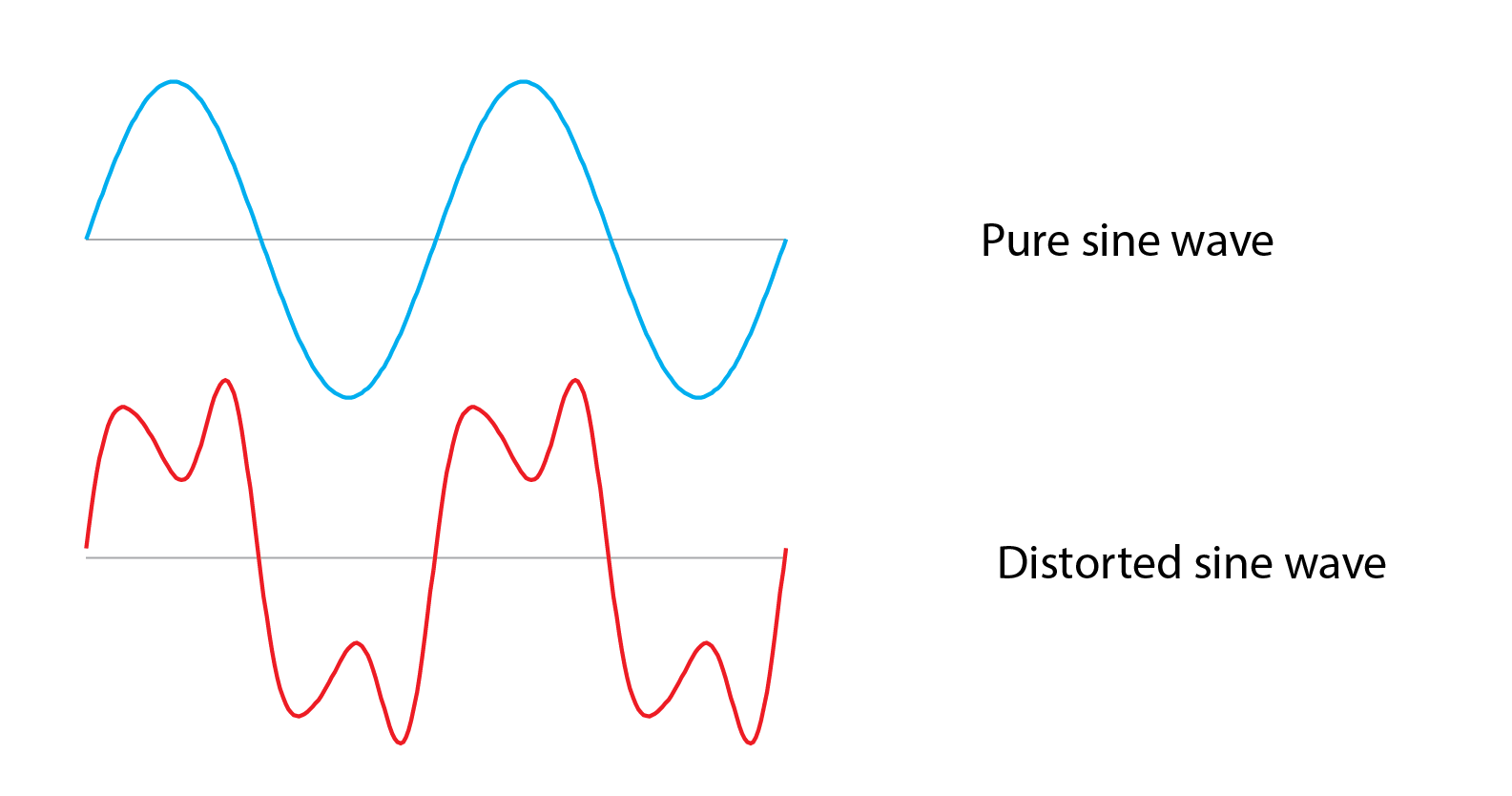
An ideal electrical signal, whether carrying audio, data, or power, is often represented by a pure sine wave. This waveform is characterized by a single, specific frequency and a smooth, repetitive oscillation. In an ideal scenario, a signal source would produce this perfect sine wave, and all components within a system would process it without altering its shape or introducing new frequencies. This perfect sinusoid is the foundation upon which all electronic signals are built, and any departure from it introduces some form of distortion.
The Genesis of Harmonics
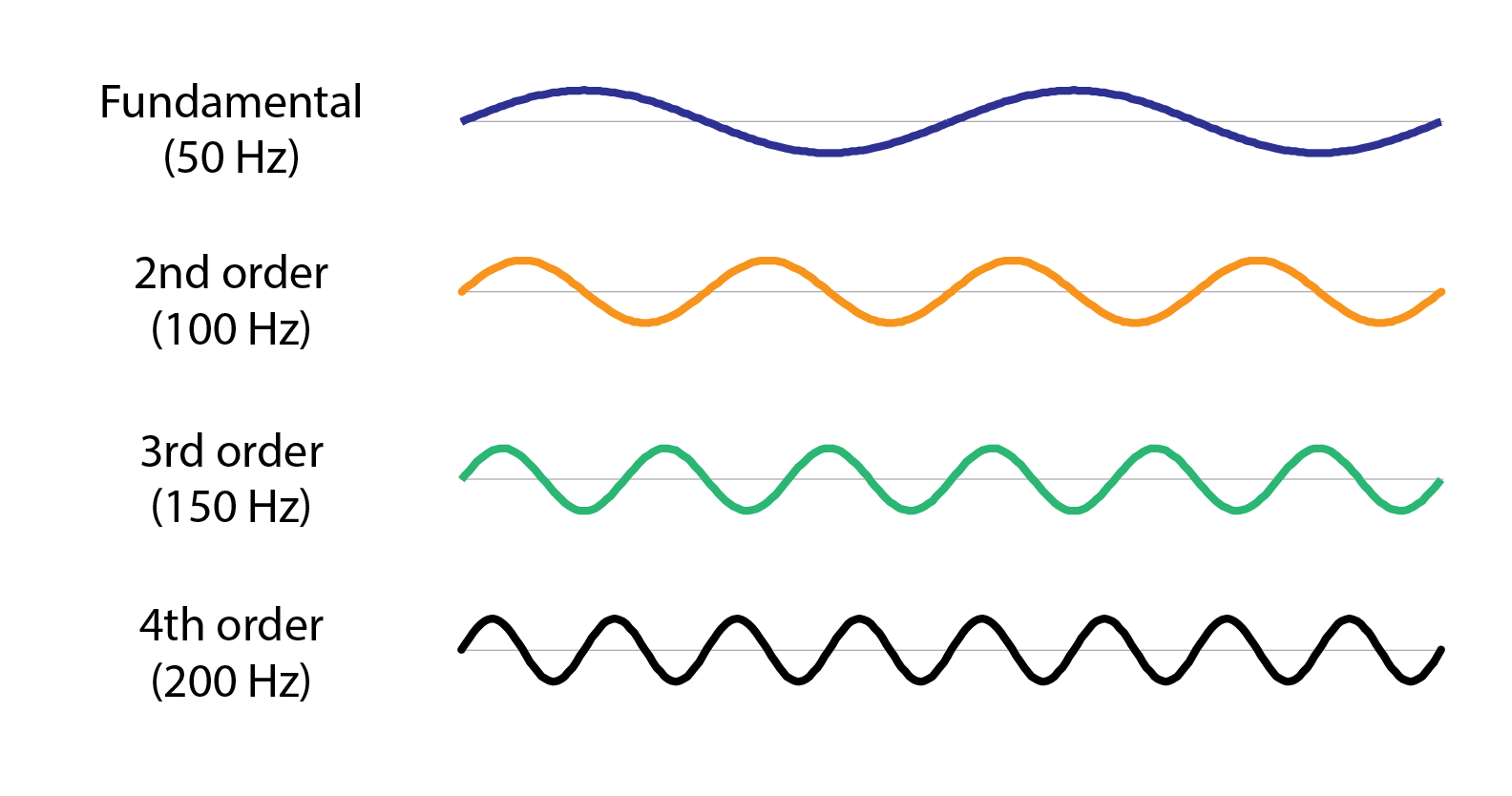
Harmonic distortion occurs when the output of a system or device contains frequencies that were not present in the input signal but are integer multiples of the fundamental (original) frequency. For instance, if the fundamental frequency is 50 Hz, harmonics would appear at 100 Hz (2nd harmonic), 150 Hz (3rd harmonic), 200 Hz (4th harmonic), and so on. These additional frequencies are generated due to the non-linear behavior of components within a circuit.
Most real-world electronic components, such as amplifiers, transformers, and power converters, do not behave perfectly linearly across their entire operating range. When a signal passes through a non-linear element, its waveform gets reshaped. This reshaping, when analyzed mathematically (via Fourier analysis), reveals the presence of these new, harmonically related frequencies superimposed on the original signal. The presence of these harmonics degrades the signal’s purity and can have significant adverse effects, depending on the application.
Types and Causes of Harmonic Distortion
While the underlying principle of non-linear behavior remains consistent, harmonic distortion manifests and originates in diverse ways across different technical domains.
Total Harmonic Distortion (THD)
Total Harmonic Distortion (THD) is a key metric used to quantify the overall level of harmonic distortion in a system. It is defined as the ratio of the sum of the powers of all harmonic components to the power of the fundamental frequency. Often expressed as a percentage, a lower THD value indicates a cleaner signal and less distortion. For audio amplifiers, THD values are typically in the range of 0.001% to 1%, with lower being better for fidelity. In power systems, acceptable THD levels for voltage and current are usually specified by standards to ensure grid stability and equipment longevity.
Intermodulation Distortion (IMD) vs. Harmonic Distortion
It is important to distinguish harmonic distortion from intermodulation distortion (IMD). While both are forms of non-linear distortion, IMD occurs when two or more different frequencies are present at the input of a non-linear system. Instead of generating integer multiples of each individual input frequency (harmonics), IMD creates new frequencies that are sum and difference combinations of the input frequencies and their harmonics. For example, if frequencies F1 and F2 are input, IMD can produce F1+F2, F1-F2, 2F1+F2, etc. Both harmonic distortion and IMD degrade signal quality, but they arise from slightly different interactions within non-linear systems.
Common Sources in Audio Systems
In audio electronics, harmonic distortion is primarily introduced by components that do not have a perfectly linear response to the input signal.
- Amplifiers: The most common source. Transistors and vacuum tubes, particularly when driven near their saturation points or cutoff regions, exhibit non-linear gain characteristics. This results in the clipping of waveforms, which generates rich harmonic content.
- Loudspeakers: Even loudspeakers can introduce distortion, especially at high volumes, as their cones and voice coils operate non-linearly.
- Digital-to-Analog Converters (DACs): While often very low, imperfections in DACs can introduce quantization errors and non-linearities that contribute to harmonic distortion.
- Preamplifiers and Mixers: Any stage in the audio chain that processes a signal with imperfect linearity can contribute.
Common Sources in Power Systems
In electrical power systems, harmonic distortion is a growing concern due to the proliferation of non-linear loads.
- Power Electronic Devices: These are major culprits. Devices like rectifiers, inverters, variable frequency drives (VFDs), uninterruptible power supplies (UPS), and switch-mode power supplies (SMPS) draw current in non-sinusoidal pulses, even if the applied voltage is purely sinusoidal. This non-sinusoidal current draw distorts the voltage waveform across the grid impedance.
- Arcing Devices: Electric arc furnaces, welding machines, and fluorescent lighting ballasts draw non-linear currents due to their operational principles.
- Saturated Magnetic Devices: Transformers operating under saturation conditions will draw non-sinusoidal magnetizing currents, contributing to harmonic distortion.
- Data Centers: The dense concentration of servers, each utilizing SMPS, contributes significantly to harmonic currents in large commercial and industrial settings.
Impact and Implications
The presence of harmonic distortion, whether in subtle audio nuances or robust electrical grids, carries a range of detrimental impacts that affect performance, efficiency, and reliability.
Audio Fidelity and Performance
In audio systems, harmonic distortion directly impairs sound quality. While very low levels of even-order harmonics (2nd, 4th) can sometimes be perceived as adding “warmth” or “richness” (especially in tube amplifiers), higher levels or the presence of odd-order harmonics (3rd, 5th, etc.) are generally considered undesirable.
- Reduced Clarity: Harmonics mask subtle details in the music, leading to a loss of resolution and precision.
- Harshness and Fatigue: Strong odd-order harmonics can create a brittle, edgy, or “harsh” sound that is fatiguing to listen to over extended periods.
- Muddiness: Excessive distortion can make complex musical passages sound muddled and indistinct, blurring individual instruments or vocal lines.
- Altered Tonal Balance: The added frequencies change the perceived timbre of instruments and voices, departing from their natural sound.
Electrical System Efficiency and Reliability
In power systems, the implications of harmonic distortion are far more severe, potentially leading to significant financial losses and operational disruptions.
- Increased Losses and Heating: Harmonic currents cause additional heating in conductors, transformers, and motors due to increased RMS current values and eddy current losses. This leads to reduced efficiency and premature aging of equipment.
- Equipment Malfunction and Failure: Sensitive electronic equipment, such as computers, PLCs, and protection relays, can malfunction or fail when exposed to distorted voltage waveforms. Capacitors and transformers are particularly vulnerable to overheating.
- Resonance Issues: Harmonics can excite parallel or series resonant conditions in the power system, leading to dangerously high voltages or currents at specific frequencies, which can cause catastrophic failures.
- False Tripping of Protective Devices: Distorted current waveforms can confuse overcurrent protection relays, leading to nuisance tripping and service interruptions.
- Power Factor Degradation: While often associated with reactive power, harmonic distortion also contributes to a poor power factor, as the current waveform is out of phase and non-sinusoidal with the voltage.
Data Integrity and Communication
In telecommunications and data transmission, harmonic distortion can corrupt signals, leading to errors and reduced throughput. Harmonics can interfere with the intended signal, making it difficult for receivers to accurately interpret the transmitted information. This translates to increased bit error rates in digital communication or degraded signal-to-noise ratio in analog systems. Ensuring minimal harmonic distortion is critical for reliable high-speed data transfer and robust communication networks.
Measurement and Mitigation Strategies
Addressing harmonic distortion requires both accurate measurement and the implementation of effective mitigation techniques.
Tools for Detection
Accurate measurement is the first step in managing harmonic distortion.
- Spectrum Analyzers: These devices display the frequency content of a signal, clearly showing the fundamental frequency and all its harmonics, allowing for precise identification and quantification.
- Power Quality Analyzers: Specifically designed for electrical grids, these instruments measure voltage and current waveforms, calculate THD, and identify individual harmonic magnitudes.
- Oscilloscopes: While primarily showing waveforms in the time domain, advanced oscilloscopes can perform Fast Fourier Transforms (FFTs) to reveal frequency components, including harmonics.
- THD Meters: Dedicated devices that provide a direct reading of Total Harmonic Distortion.
Design Principles for Minimization
Preventing harmonic distortion starts at the design stage.
- Linear Components: Using high-quality, linear components and ensuring they operate within their linear regions is paramount. For amplifiers, this means proper biasing, sufficient headroom, and careful selection of active devices.
- Negative Feedback: Widely used in amplifiers, negative feedback reduces distortion by feeding a portion of the output signal back to the input, correcting deviations from the ideal.
- Transformer Design: For power applications, oversized transformers with lower flux densities can help prevent core saturation and reduce harmonic generation.
- Power Factor Correction (PFC): Implementing active or passive PFC circuits in power supplies helps draw a more sinusoidal current from the AC mains, reducing the generation of harmonics upstream.
Active and Passive Solutions
Once distortion is present, various solutions can be employed to mitigate its effects.
- Passive Harmonic Filters: These consist of combinations of inductors, capacitors, and resistors tuned to specific harmonic frequencies. They provide a low-impedance path for harmonic currents, diverting them from the main power system. While cost-effective, they can be bulky and may not be effective for varying harmonic loads.
- Active Power Filters (APF): More sophisticated, APFs use power electronics to actively inject a compensating current into the system that is equal in magnitude and opposite in phase to the harmonic current, effectively canceling it out. APFs are more dynamic and can adapt to changing load conditions but are more complex and expensive.
- Isolation Transformers: Used to isolate sensitive equipment from a distorted power supply, though they do not actively remove harmonics.
- Shunt Reactors: In some cases, inductive reactors can be used to mitigate specific harmonic resonances.
- Series Reactors: Can be used to limit harmonic currents entering equipment.

The Future of Distortion Management
As technology evolves, so do the methods for managing harmonic distortion. The advent of smart grids, advanced sensor technology, and artificial intelligence is paving the way for more sophisticated and adaptive solutions. Real-time monitoring and predictive analytics, powered by AI, can identify and predict harmonic issues before they cause significant problems. Furthermore, advanced materials and new power electronic topologies are continually being developed to inherently reduce distortion at the source, moving towards systems that are not just distortion-mitigating but distortion-preventing by design. This ongoing innovation ensures that future tech applications, from ultra-high-fidelity audio to resilient smart power grids, will operate with unprecedented clarity and efficiency.
aViewFromTheCave is a participant in the Amazon Services LLC Associates Program, an affiliate advertising program designed to provide a means for sites to earn advertising fees by advertising and linking to Amazon.com. Amazon, the Amazon logo, AmazonSupply, and the AmazonSupply logo are trademarks of Amazon.com, Inc. or its affiliates. As an Amazon Associate we earn affiliate commissions from qualifying purchases.