
The landscape of California is currently the site of an unprecedented arms race, but the adversary is not a foreign power or a corporate rival; it is the increasingly volatile phenomenon of megafires. As the state grapples with longer fire seasons and more intense blazes, the question of “what is happening with the California fires” is no longer just a matter of ecology or climate science. It has become a central focus for the technology sector. From Silicon Valley startups to aerospace giants, a new ecosystem of software, AI tools, and advanced hardware is being deployed to predict, detect, and suppress wildfires before they transform into regional catastrophes.
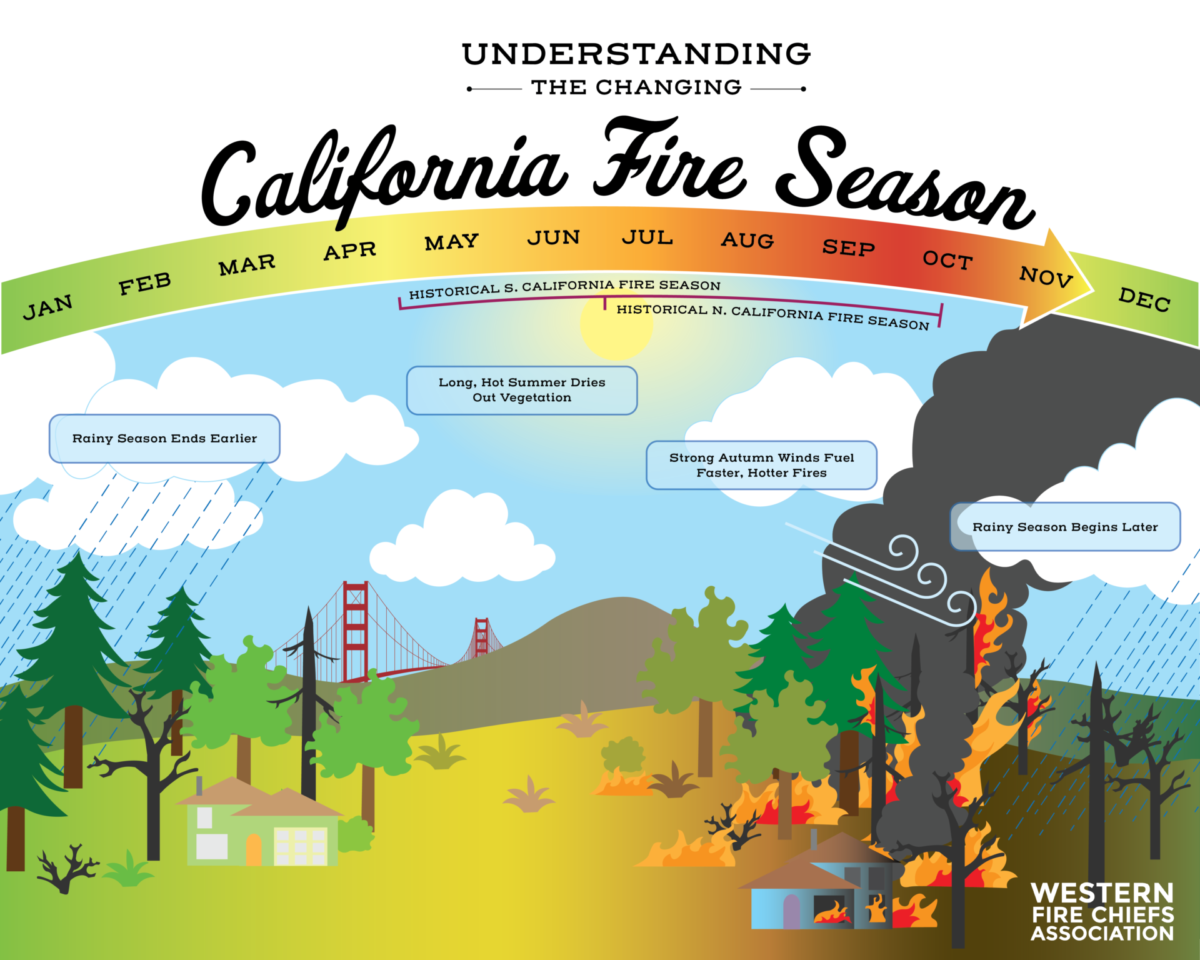
The shift is fundamental. For decades, wildfire management relied on human lookouts, aerial reconnaissance, and traditional ground tactics. Today, the strategy has moved toward a “digital first” approach. This evolution is driven by the realization that in an era of extreme weather, human reaction time alone is insufficient. The current state of California’s fires is defined by the integration of massive datasets, real-time satellite telemetry, and autonomous systems that provide a level of situational awareness previously thought impossible.
AI-Driven Predictive Modeling: Anticipating the Unpredictable
The most significant shift in wildfire management is the transition from reactive response to proactive prediction. At the heart of this change are Artificial Intelligence (AI) and Machine Learning (ML) models capable of processing billions of data points in seconds.
Machine Learning and Fuel Load Analysis
To understand where a fire will start and how it will behave, emergency agencies must first understand the “fuel.” AI software is now used to analyze high-resolution LIDAR (Light Detection and Ranging) data collected by aircraft. These models can map the density of undergrowth, the moisture content of dead timber, and the overall health of the canopy across millions of acres. By identifying areas with high “fuel loading,” tech-enabled fire agencies can perform targeted prescribed burns or mechanical thinning, effectively neutralizing a potential disaster before a spark ever flies.
Real-Time Simulation and Digital Twins
Perhaps the most impressive software tool in the current arsenal is the “Digital Twin.” This is a virtual, real-time replica of the California landscape. By integrating current wind speeds, humidity levels, and topographical data, AI engines like those developed by NVIDIA and various academic partnerships can run thousands of simulations per minute. If a fire breaks out in a remote canyon, these simulations predict its path with startling accuracy, allowing commanders to evacuate neighborhoods and position crews hours before the flames arrive. This predictive capacity is the cornerstone of modern digital security for California’s residential zones.
Advanced Surveillance: Satellites, Drones, and IoT Sensors
Early detection is the “Holy Grail” of fire tech. If a fire can be identified within the first ten minutes of ignition, the probability of successful containment rises exponentially. What is happening now is the deployment of a multi-layered surveillance grid that blankets the state.
Low Earth Orbit (LEO) Satellite Monitoring
Traditional weather satellites were often too far away or too slow to provide the granular detail needed for fire detection. However, a new generation of Low Earth Orbit (LEO) satellites, equipped with high-resolution infrared sensors, is changing the game. Companies like Google, in partnership with organizations like Environmental Defense Fund, are launching initiatives such as FireSat—a constellation of satellites specifically designed to detect wildfires the size of a classroom from space. These satellites provide a persistent, “always-on” eye in the sky that can alert ground crews to a new ignition in near-real-time.
The Deployment of Unmanned Aerial Systems (UAS)
While satellites provide the macro view, drones (UAS) provide the tactical perspective. Modern firefighting drones are no longer just cameras with wings; they are sophisticated data hubs. Equipped with thermal imaging, these drones can fly through thick smoke that would ground piloted helicopters. They can identify “hot spots” that are invisible to the naked eye, ensuring that a fire is truly extinguished before crews leave the scene. Furthermore, “swarm” drone technology is being tested to drop incendiary “ping-pong balls” for controlled back-burning, keeping human firefighters out of the most dangerous zones.
Ground-Level IoT Sensor Networks
On the forest floor, Internet of Things (IoT) sensors act as a digital nervous system. Startups are installing small, solar-powered sensors on trees that can “smell” the chemical signatures of smoke and gas. These sensors communicate via mesh networks, sending an immediate digital alert to local fire stations long before the fire is large enough to be spotted by a person or a satellite. This ultra-early detection is critical in the “Wildland-Urban Interface” (WUI), where houses meet the forest.
Modern Firefighting Hardware: Beyond the Traditional Hose
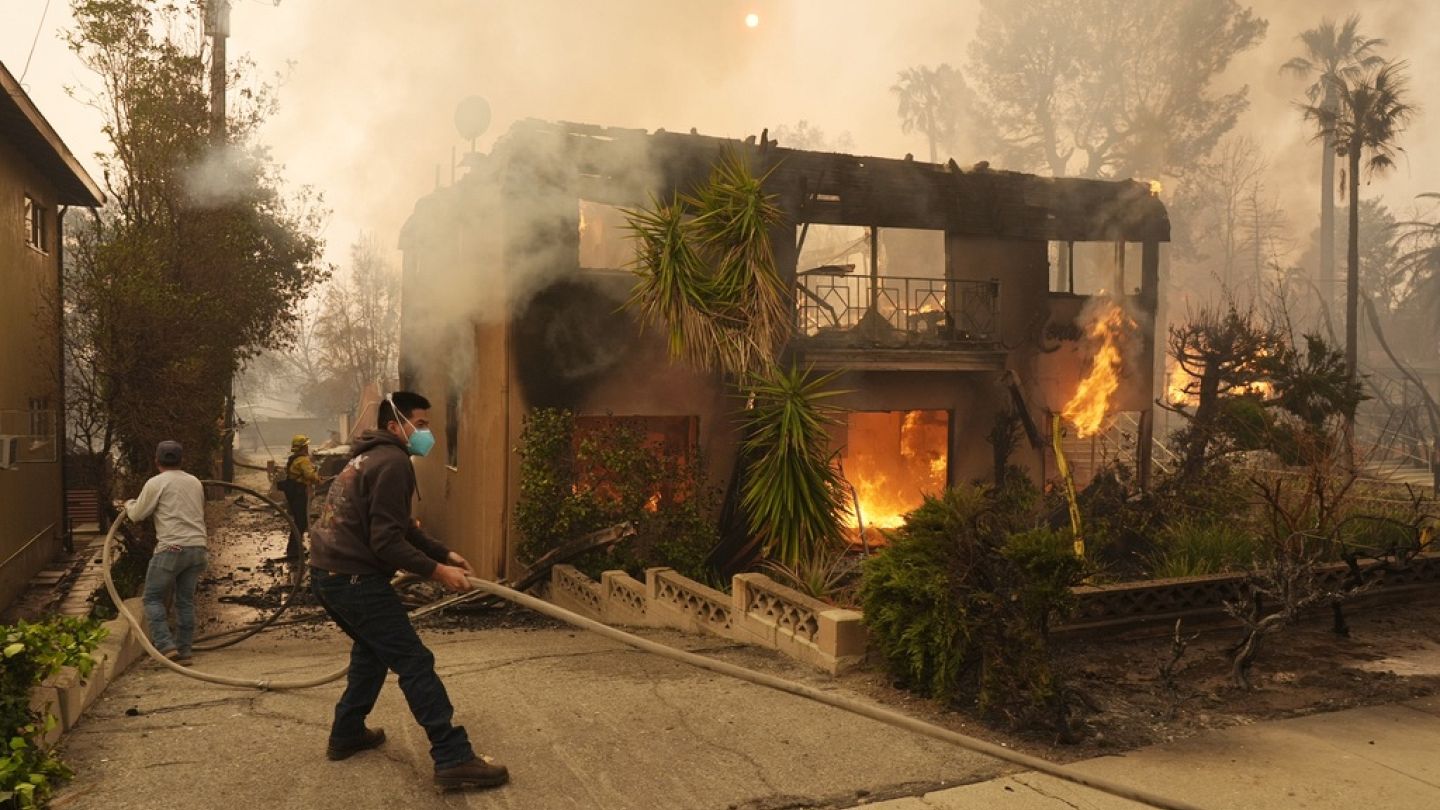
While software and data are vital, the physical act of fighting a fire requires advanced engineering. The hardware being deployed in California today reflects a move toward automation and high-efficiency material science.
Fire-Resistant Infrastructure and Nanotechnology
The tech sector is rethinking how we protect fixed assets. New chemical formulations and nanotech-enhanced gels are being developed that can be sprayed on homes or power lines. Unlike traditional fire retardants, these substances are designed to be long-lasting and environmentally benign. Some “smart” sprinkler systems are now integrated into home automation platforms; when the system receives a verified wildfire alert from a trusted API, it automatically coats the structure in a fire-resistant foam, even if the power is out and the owners have evacuated.
Next-Gen Communication Systems for First Responders
One of the greatest challenges during a California fire is the collapse of communication infrastructure. When cell towers burn, the flow of data stops. To combat this, agencies are using deployable “Cells on Wheels” (COWs) and satellite-linked mesh networks. These systems ensure that firefighters on the front lines have access to the same high-resolution maps and AI predictions as the command center. Digital security is paramount here, as these networks must be hardened against both the physical heat of the fire and potential cyber disruptions that could jeopardize emergency coordination.
Digital Security and Public Information Ecosystems
In the midst of a crisis, information is as valuable as water. However, the proliferation of “what is happening” on social media can lead to a dangerous mix of vital updates and life-threatening misinformation.
AI-Enabled Public Alert Systems
California is pioneering more intelligent alert systems that go beyond the standard “amber alert” style text. Modern apps use hyper-localized geofencing to send tailored instructions to residents. These systems can provide personalized evacuation routes based on real-time traffic data and fire progression models. By integrating AI into public messaging, authorities can ensure that people receive the right information at the right time, preventing the traffic jams that have proved fatal in past fires like the Camp Fire in Paradise.
Securing Critical Infrastructure Against Cyber Threats
As firefighting becomes more reliant on digital tools, the security of these tools becomes a matter of public safety. The software that controls the power grid, the water pumps, and the emergency communication networks must be protected from bad actors. “Hardening” California against fires now includes robust cybersecurity protocols to ensure that during a peak fire event, the systems we rely on to monitor and combat the flames remain operational and uncompromised.
The Future Roadmap: Scaling Tech Solutions for Global Resilience
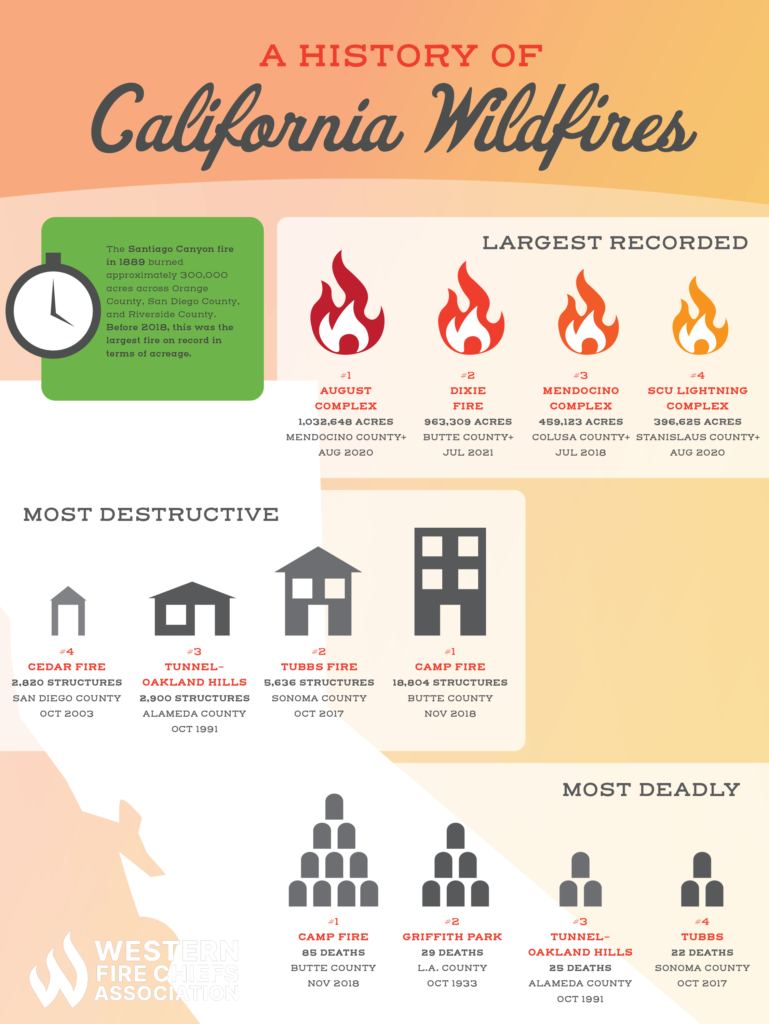
What is happening with the California fires is a preview of the global future of disaster management. The innovations currently being piloted in the Sierra Nevada and the coastal ranges will soon be the standard for fire-prone regions in Australia, Southern Europe, and beyond.
The future of this niche lies in the “Autonomy of Response.” We are moving toward a world where AI detects a fire, dispatches an autonomous drone to verify it, and coordinates a robotic ground unit to suppress it—all within minutes. While the human element—the bravery and expertise of firefighters—will always be irreplaceable, the goal of technology is to provide them with a definitive advantage.
The integration of Big Tech into wildfire management also signals a shift in investment. Venture capital is flowing into “Climate Tech” and “Resilience Tech,” recognizing that protecting our environment and our infrastructure is both a moral imperative and a massive market opportunity. As software continues to eat the world, it is also learning how to save it from the flames. The California fires are no longer just a seasonal tragedy; they are a catalyst for a technological revolution that aims to turn the tide against the most destructive forces of nature. Through the lens of AI, IoT, and advanced aerospace engineering, California is coding a more resilient future.
aViewFromTheCave is a participant in the Amazon Services LLC Associates Program, an affiliate advertising program designed to provide a means for sites to earn advertising fees by advertising and linking to Amazon.com. Amazon, the Amazon logo, AmazonSupply, and the AmazonSupply logo are trademarks of Amazon.com, Inc. or its affiliates. As an Amazon Associate we earn affiliate commissions from qualifying purchases.