
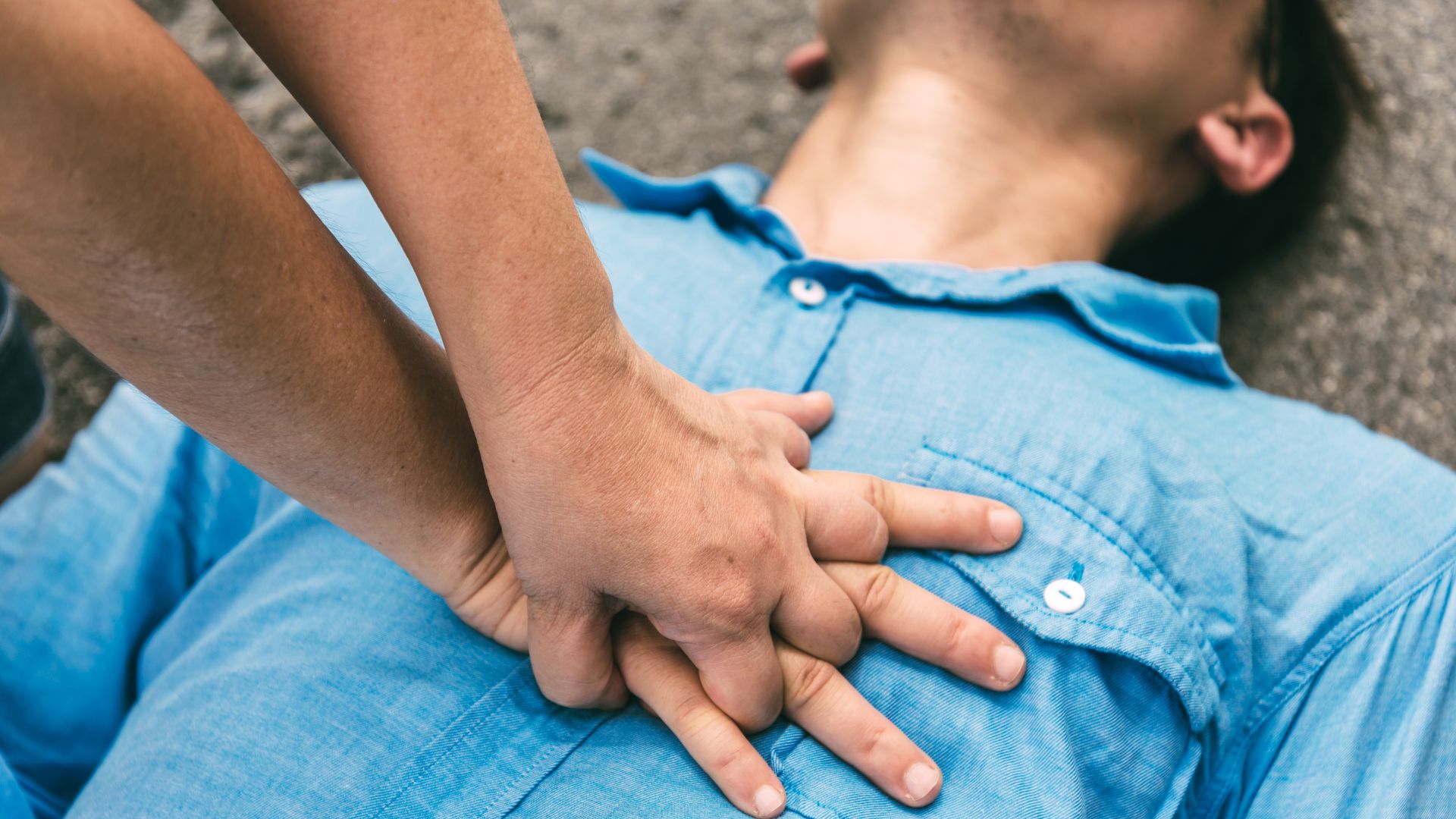
Hands-On CPR, or Cardiopulmonary Resuscitation, refers to the practical, direct application of life-saving techniques designed to maintain blood flow to the brain and heart in an individual whose heart has stopped beating. While the term CPR broadly encompasses the entire resuscitative effort, “hands-on” specifically emphasizes the critical manual compressions and, where appropriate, rescue breaths delivered by a rescuer. This direct engagement is not merely theoretical; it demands precise physical execution, proper technique, and an understanding of the immediate physiological impact to be effective. In an emergency, the ability to perform Hands-On CPR correctly is paramount, acting as a crucial bridge until professional medical help arrives, significantly improving a victim’s chances of survival and neurological recovery.

The Imperative of Direct Engagement in Life Support
The core of effective CPR lies in its physical component. When the heart ceases to pump blood, oxygen delivery to vital organs, especially the brain, stops within seconds. Irreversible damage can begin within minutes. Hands-On CPR directly addresses this by manually compressing the chest, forcing blood through the circulatory system, and providing artificial respiration. This direct engagement ensures continuous, albeit manual, circulation.
The “hands-on” aspect encompasses:
- Chest Compressions: Applying rhythmic, forceful compressions to the center of the chest to manually pump blood. Proper hand placement, depth, and rate are crucial.
- Rescue Breaths (where applicable): Delivering breaths into the victim’s mouth or nose to provide oxygen. While many modern CPR protocols emphasize “hands-only” CPR for lay rescuers due to ease of instruction and immediate action, trained professionals and certain scenarios (e.g., drowning victims) still incorporate rescue breaths.
The necessity for direct, physical involvement cannot be overstated. It’s about developing muscle memory, understanding the correct force and rhythm, and reacting instinctively under pressure. Real-time scenarios demand more than conceptual knowledge; they require the confidence and physical dexterity gained through repeated, practical application. The effectiveness of CPR is directly correlated with the quality of the hands-on delivery, making rigorous practical training indispensable.
Leveraging Technology for Enhanced Hands-On CPR Mastery
While the essence of Hands-On CPR remains its physical execution, modern technology has revolutionized how individuals learn, practice, and master these life-saving techniques. From advanced simulation tools to intelligent feedback systems, technology bridges the gap between theoretical knowledge and proficient practical application, making training more accessible, effective, and realistic.
Advanced Manikins and Simulation Devices
The evolution of training manikins has profoundly impacted hands-on CPR education. Gone are the days of simple plastic dummies; contemporary manikins are sophisticated medical training devices integrated with cutting-edge technology.
- Real-time Feedback Systems: Many modern manikins feature sensors that measure compression depth, rate, recoil, and hand placement. This data is often displayed on an accompanying tablet or screen, providing immediate visual and auditory feedback to the trainee. This allows learners to instantly correct their technique, honing their skills with precision and building muscle memory effectively.
- Physiological Simulation: Advanced manikins can simulate various physiological responses, such as palpable pulses, chest rise with ventilation, and even changes in pupil dilation. This creates a more immersive and realistic training environment, preparing rescuers for the complexities of a real emergency.
- Connectivity and Data Logging: These devices often connect wirelessly to software platforms that log performance data. Instructors can review detailed metrics, identify areas for improvement, and track progress over time, offering a data-driven approach to skill development.

Virtual Reality (VR) and Augmented Reality (AR) Training
VR and AR technologies are transforming the landscape of immersive learning, extending their reach into hands-on CPR training by creating highly realistic and interactive environments.
- Immersive Scenario Practice: VR headsets transport learners into virtual emergency scenes, from crowded public spaces to intimate home settings. Within these simulations, trainees can practice assessing situations, making critical decisions, and performing CPR on virtual patients. This provides a safe space to experience the psychological pressures of an emergency without real-world consequences, improving decision-making under duress.
- AR Overlays for Guidance: Augmented Reality applications, often used via smartphones or specialized glasses, can overlay digital information onto the real world. During hands-on practice with a physical manikin, AR can provide visual cues for hand placement, demonstrate correct compression depth in real-time, or even project anatomical diagrams directly onto the training dummy, enhancing understanding and precision.
- Scalable and Accessible Training: VR/AR platforms allow for consistent, standardized training experiences regardless of location. This scalability makes high-quality, hands-on scenario training more accessible to a wider audience, reducing logistical barriers to learning.
Mobile Applications and Digital Tutorials
The ubiquity of smartphones and tablets has made CPR education more accessible than ever, with numerous apps and digital platforms offering flexible and interactive learning opportunities.
- Interactive Guides and Demonstrations: CPR apps provide step-by-step instructions, high-quality video demonstrations, and animated visual aids that explain compression techniques, rescue breath delivery, and emergency protocols. This allows learners to review correct procedures at their own pace, reinforcing classroom instruction.
- Gamification and Progress Tracking: Many apps incorporate gamified elements, such as challenges, quizzes, and scoring systems, to make learning engaging and motivate users to practice regularly. Users can track their progress, earn badges, and compete with others, turning practice into an enjoyable and rewarding experience.
- Remote Instruction and Certification: Digital platforms facilitate blended learning models, where theoretical knowledge can be acquired online, often followed by a hands-on skills session with an instructor. Some platforms even offer remote skills verification using smart devices and specialized accessories, making certification more flexible.
Wearable Tech and AI-Powered Feedback
Emerging technologies like wearable sensors and artificial intelligence are pushing the boundaries of personalized hands-on CPR training, offering unprecedented levels of feedback and adaptive learning.
- Wearable Sensors for Performance Analysis: Sensors integrated into gloves, chest straps, or even smartwatches can monitor a rescuer’s real-time performance during hands-on CPR practice. These devices can track metrics like compression rate, depth, consistency, and posture, relaying this data to a connected app or training system.
- AI for Personalized Coaching: Artificial Intelligence algorithms can analyze the vast amounts of performance data collected from manikins and wearable sensors. AI can identify individual strengths and weaknesses, detect subtle patterns in technique, and provide highly personalized feedback and corrective guidance. For instance, an AI might recommend specific drills to improve compression consistency or suggest alternative hand placements based on a trainee’s unique physique.
- Adaptive Learning Paths: AI-driven platforms can dynamically adjust the training curriculum based on a learner’s performance. If a trainee struggles with a particular aspect, the AI can generate additional practice scenarios or provide targeted instructional content, ensuring a truly adaptive and efficient learning path tailored to individual needs.
Bridging the Gap: From Digital Learning to Real-World Readiness
While technology profoundly enhances hands-on CPR training, it serves as a powerful complement rather than a complete replacement for direct human instruction and physical engagement. The true value of these technological advancements lies in their ability to augment traditional methods, making practice more effective, accessible, and engaging. The goal is to build genuine competence and confidence, ensuring that individuals can translate their learned skills into effective action during a real emergency. Blended learning approaches, combining online theoretical modules with hands-on practice sessions utilizing advanced manikins and VR simulations, are proving to be the most effective. This holistic strategy prepares rescuers not just technically, but also psychologically, for the demands of critical situations.
Future Innovations in Hands-On CPR Training
The future of hands-on CPR training promises even more sophisticated technological integrations. We can anticipate:
- Hyper-realistic Haptics: Advanced haptic feedback systems in manikins and VR controllers will offer even more precise tactile sensations, mimicking the feel of a real human chest and internal resistance, further immersing trainees.
- Predictive Analytics for Training Needs: AI will move beyond just personalized feedback to predictive analytics, identifying potential skill decay over time or suggesting optimal retraining schedules based on an individual’s past performance and learning patterns.
- Integrated Emergency Response Systems: Training platforms might integrate directly with local emergency services data, allowing for highly specific scenario training based on common incidents in a given geographic area, or even linking to public access defibrillator (AED) locations for enhanced preparedness.
- Tele-mentoring and Remote Certification with Biometric Verification: Advanced cameras and biometric sensors could enable remote instructors to guide and certify trainees, verifying identity and monitoring physical performance with high accuracy, further expanding access to vital training globally.
Ultimately, “hands-on CPR” represents a foundational life-saving skill. Technology serves as an indispensable accelerator, refining the learning process, enhancing practical application, and ensuring that more individuals are truly prepared to make a difference when every second counts.
aViewFromTheCave is a participant in the Amazon Services LLC Associates Program, an affiliate advertising program designed to provide a means for sites to earn advertising fees by advertising and linking to Amazon.com. Amazon, the Amazon logo, AmazonSupply, and the AmazonSupply logo are trademarks of Amazon.com, Inc. or its affiliates. As an Amazon Associate we earn affiliate commissions from qualifying purchases.