
Hair, an intricate biological structure, is far more complex than it often appears at first glance. Far from being merely dead cells, its composition is a sophisticated marvel of nature, critically influencing its strength, texture, color, and overall health. Understanding the fundamental constituents of hair is not just a scientific curiosity; it forms the bedrock for innovative technological advancements in diagnostics, personalized care, and future therapeutic interventions.
The Structural Foundation: A Complex Biopolymer System
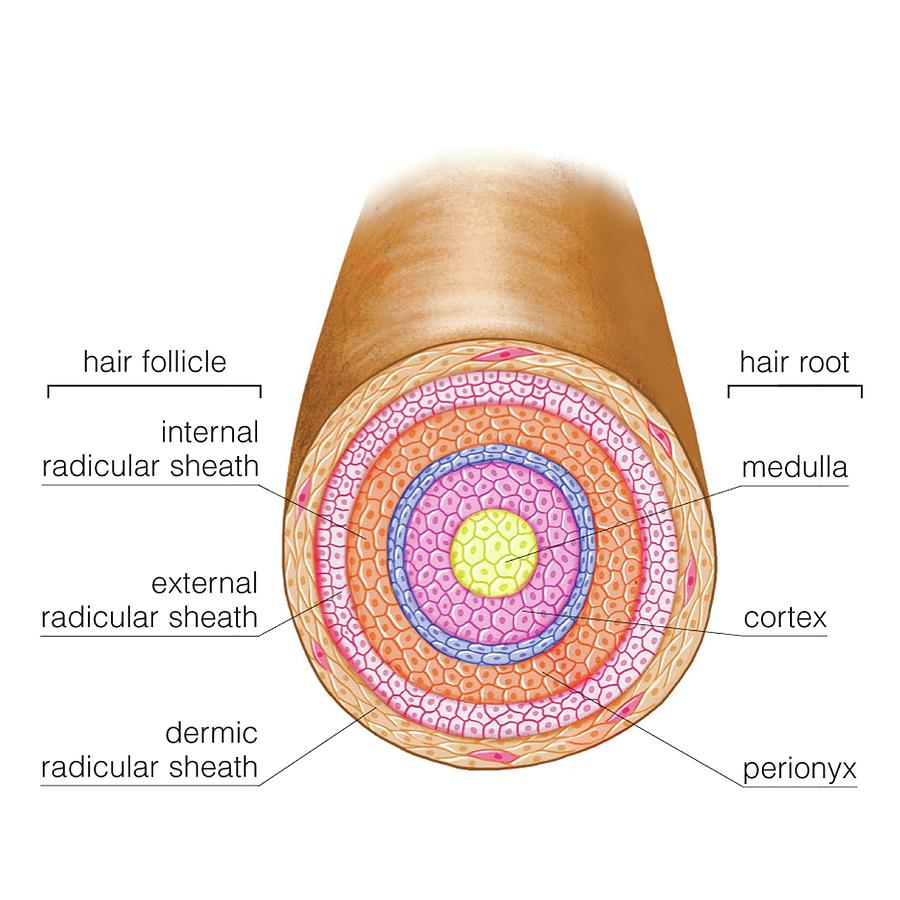
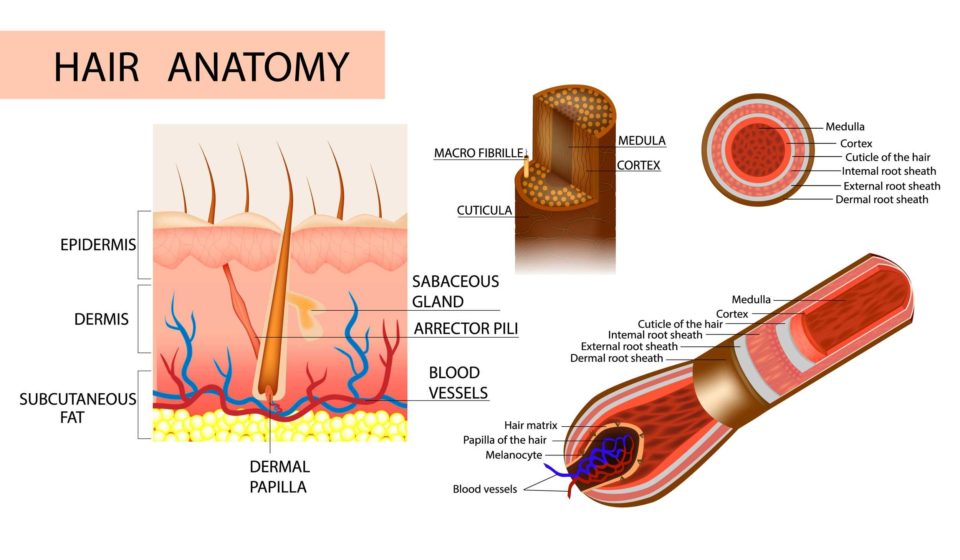
At its core, hair is a specialized derivative of the epidermis, originating from follicles embedded in the dermis. Each strand is primarily composed of protein, along with various lipids, pigments, trace elements, and water. This intricate matrix dictates its physical and chemical properties.
Keratin: The Core Protein
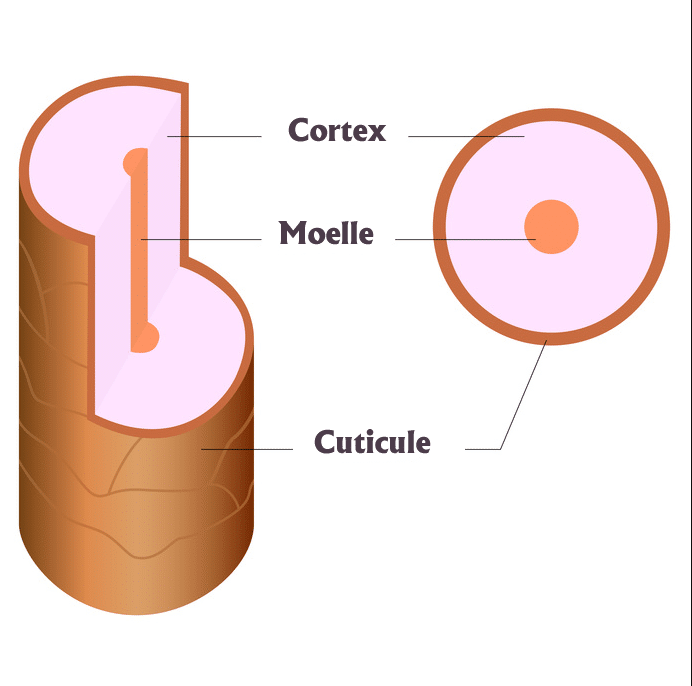
The primary component of hair, accounting for approximately 90% of its dry weight, is keratin. Specifically, hair is made of hard alpha-keratin, a fibrous structural protein that is also found in nails and the outer layer of skin. Keratin itself is built from amino acids, which are linked together in long chains. These chains coil into alpha-helices, which then twist around each other to form protofibrils, microfibrils, and macrofibrils. These bundles are cemented together by a protein matrix, ultimately forming the cortex, the main bulk of the hair shaft.
The strength and elasticity of hair are largely attributed to the robust disulfide bonds (chemical cross-links between sulfur atoms in the amino acid cysteine) within the keratin structure. The more disulfide bonds, the stronger and more resilient the hair. Damage from heat, chemical treatments, or environmental factors often targets these critical bonds, leading to weakened or compromised hair.
Melanin: The Pigment
Hair color is determined by melanin, a pigment produced by specialized cells called melanocytes located in the hair follicles. There are two main types of melanin:
- Eumelanin: Responsible for brown and black hair colors. A higher concentration of eumelanin results in darker hair.
- Pheomelanin: Responsible for red and yellow tones. This type of melanin contains sulfur and is responsible for red hair.
The specific combination and concentration of these two melanins, along with their distribution within the hair shaft, create the vast spectrum of natural hair colors. As individuals age, melanocyte activity decreases, leading to a reduction in melanin production and the eventual appearance of gray or white hair.
Lipids and Trace Elements: Beyond the Core
While keratin forms the structural backbone, other components play vital roles. Lipids, including ceramides, cholesterol, and fatty acids, are present both within the hair shaft and on its surface. These lipids contribute to the hair’s flexibility, shine, and act as a natural protective barrier, preventing moisture loss and external damage. They are crucial for maintaining hair health and integrity.
Additionally, hair contains a small percentage of water and various trace elements, such as iron, zinc, copper, and magnesium. These elements can be incorporated into the hair structure from diet, environmental exposure, and even some hair care products. Their presence, though minor by weight, can sometimes be indicative of nutritional status or exposure to certain substances, making hair a valuable diagnostic material in forensic science and toxicology.
Unveiling Composition: Advanced Diagnostic Technologies
The ability to precisely determine “what hair is made up of” has been revolutionized by sophisticated technological advancements. Modern diagnostic tools go far beyond mere visual inspection, offering unprecedented insights into the hair’s molecular architecture and elemental composition. These technologies are foundational for targeted hair care, medical diagnostics, and forensic analysis.
High-Resolution Microscopy: Beyond the Naked Eye
Traditional light microscopy provides initial insights into hair morphology. However, for a detailed understanding of the cuticle, cortex, and medulla structures, and to observe damage at a microscopic level, advanced techniques are indispensable.
- Scanning Electron Microscopy (SEM): Provides high-resolution, three-dimensional images of the hair’s surface, revealing cuticle scales, surface damage, and the presence of external residues. This is crucial for assessing mechanical and chemical damage.
- Transmission Electron Microscopy (TEM): Offers insights into the internal structure of the hair shaft, allowing scientists to visualize the arrangement of keratin fibrils, melanin granules, and lipid droplets within the cortex.
- Atomic Force Microscopy (AFM): Measures the topography and mechanical properties (e.g., stiffness, elasticity) of the hair surface at the nanoscale, providing data on cuticle integrity and surface treatments.
Spectroscopic Techniques: Unveiling Molecular Secrets
Spectroscopy involves the interaction of matter with electromagnetic radiation to determine its composition. These techniques are vital for identifying specific chemical bonds and elemental presence within hair.
- Fourier-Transform Infrared (FTIR) Spectroscopy: Identifies the vibrational modes of molecules, allowing for the characterization of protein secondary structures (e.g., alpha-helices, beta-sheets), lipid content, and the presence of specific functional groups within the hair. It can detect chemical modifications caused by styling or coloring.
- Raman Spectroscopy: Similar to FTIR, Raman provides molecular fingerprints, offering complementary information about the chemical composition and structural integrity of hair. It is particularly useful for analyzing disulfide bonds and keratin structure.
- X-ray Fluorescence (XRF) Spectroscopy: A non-destructive technique used to identify and quantify the elemental composition of hair, including trace metals. This is highly valuable in environmental toxicology and nutritional studies, as hair can accumulate elements over time.
Chromatographic and Mass Spectrometry Methods: Dissecting Molecular Mixtures
These techniques are powerful for separating complex mixtures and identifying individual components.
- Gas Chromatography-Mass Spectrometry (GC-MS) and Liquid Chromatography-Mass Spectrometry (LC-MS): Used to analyze the lipid profile of hair, identifying specific fatty acids, ceramides, and sterols. They can also detect metabolites, drugs, and environmental contaminants that have been incorporated into the hair matrix, providing a historical record of exposure.
- Amino Acid Analysis: Breaks down hair proteins into their constituent amino acids, allowing for precise quantification and detection of any unusual amino acid profiles that might indicate genetic conditions or damage.
AI and Machine Learning: Personalized Hair Care Driven by Data
The vast amounts of data generated by advanced diagnostic technologies provide an ideal substrate for artificial intelligence (AI) and machine learning (ML). These computational approaches are transforming the hair care industry, moving away from generic solutions towards hyper-personalized regimens based on individual hair composition.
Algorithmic Formulations for Targeted Solutions
AI algorithms can analyze comprehensive data sets encompassing hair composition (keratin structure, lipid profile, melanin type), environmental factors, and user preferences. This enables the creation of bespoke hair care formulations that address specific needs. For instance, an AI might recommend a shampoo with specific protein hydrolysates to strengthen disulfide bonds if spectroscopic analysis indicates structural weakness, combined with emollients tailored to a user’s lipid deficiency identified via chromatographic methods. This level of precision minimizes trial-and-error and maximizes product efficacy.
Smart Diagnostics and Recommendations through Apps and Gadgets
The integration of AI into consumer-facing applications and smart devices is bringing sophisticated hair analysis into the home.
- Smartphone Apps with Image Recognition: Utilize AI to analyze photographs of hair and scalp, identifying issues like thinning, damage, or oiliness based on visual cues correlated with underlying compositional changes.
- Smart Brushes and Scalp Scanners: Gadgets equipped with micro-cameras and sensors can provide real-time data on hair and scalp health. AI algorithms interpret this data (e.g., detecting broken cuticles, assessing sebum levels) and offer personalized product recommendations or lifestyle adjustments. These devices can track changes over time, offering longitudinal data for monitoring progress.
- At-Home Hair Composition Kits: While nascent, some technologies allow for simplified collection of hair samples that are then sent to labs for analysis. The results are fed into AI platforms that generate detailed reports and personalized product suggestions, bridging the gap between professional diagnostics and consumer convenience.
Predictive Analytics for Hair Health
Beyond current diagnostics, AI models can leverage compositional data to predict future hair issues. By analyzing genetic predispositions, current hair health markers, lifestyle data, and environmental exposures, AI can identify individuals at higher risk for conditions like androgenetic alopecia or premature graying. This enables proactive interventions, from dietary recommendations to specific preventive treatments, long before visible symptoms manifest, demonstrating the power of data-driven preventative care.
The Digital Ecosystem for Hair Innovation
The digital landscape plays a crucial role in disseminating, managing, and applying the insights gained from understanding hair composition. It forms an ecosystem that connects research, product development, consumer interaction, and therapeutic applications.
Tele-Dermatology and Virtual Consultations
Digital platforms facilitate remote consultations with dermatologists and trichologists. Patients can upload detailed images, results from at-home diagnostic kits, and even data from smart hair devices. Experts can then review this comprehensive information, informed by an understanding of hair composition, to provide accurate diagnoses and personalized treatment plans without the need for an in-person visit. This expands access to specialized care, especially for those in remote areas.
Data Management and Security in Hair Tech
The collection and analysis of sensitive biological data, including genetic predispositions and elemental trace analysis from hair samples, necessitate robust data management and security protocols. Blockchain technology, for example, is being explored to create secure, immutable records of personal hair data, ensuring privacy and control for individuals while enabling aggregated data for research and product development (with anonymization). Secure cloud platforms are essential for storing and processing the immense volume of data generated by diagnostic technologies and AI models.
E-commerce and Direct-to-Consumer Models
An in-depth understanding of hair composition, facilitated by technology, empowers highly targeted marketing and direct-to-consumer (DTC) models in the hair care industry. Brands can leverage AI-generated customer profiles to offer highly specific products, often customized on demand, reducing waste and increasing customer satisfaction. Digital channels allow for direct feedback loops, enabling continuous product refinement based on real-world effectiveness tied to individual hair compositions. This shifts the focus from mass-market products to niche, science-backed solutions.
Future Horizons: Biotechnology and Beyond
The ongoing evolution of technology promises even more profound advancements in understanding and manipulating hair composition, pushing the boundaries from care to potential bioconstruction and regeneration.
Gene Editing and Regenerative Therapies
As our understanding of the genetic factors influencing hair composition and growth improves, gene editing technologies like CRISPR hold the potential to address hair loss or specific hair structural deficiencies at their root. Researchers are exploring ways to manipulate genes responsible for keratin production, melanogenesis, or follicle health. Regenerative therapies, involving stem cells to reactivate dormant follicles or cultivate new hair, are also on the horizon, moving beyond symptomatic treatment to restorative solutions directly influencing hair’s biological makeup.
Advanced Biomaterials and 3D Bioprinting
The intricate structure of hair serves as an inspiration for biomaterial science. Scientists are working on creating advanced polymers and nanoparticles that can mimic hair’s resilience, light-reflecting properties, and moisture-retention capabilities. This could lead to superior hair care ingredients or even synthetic hair that integrates seamlessly with natural hair. Furthermore, 3D bioprinting offers the speculative possibility of precisely constructing hair follicles or even entire hair strands with specific compositions in a lab, opening avenues for customized hair replacement and advanced testing platforms for new treatments.
Wearable Tech for Continuous Hair Monitoring
Imagine wearable devices, integrated into hair accessories or hats, that can continuously monitor hair health parameters in real-time. These could track hydration levels, detect early signs of damage through subtle compositional changes, or even measure environmental exposure. Such continuous feedback loops, processed by on-device AI, could provide immediate alerts and personalized recommendations, empowering individuals to maintain optimal hair health with unprecedented precision, directly influencing and responding to the dynamic composition of their hair.
In essence, the seemingly simple question “what is hair made up of” unlocks a universe of technological innovation. From foundational scientific discovery through advanced diagnostics to personalized AI-driven solutions and speculative biotechnological frontiers, understanding hair’s composition remains a pivotal area where technology continues to redefine possibilities.
aViewFromTheCave is a participant in the Amazon Services LLC Associates Program, an affiliate advertising program designed to provide a means for sites to earn advertising fees by advertising and linking to Amazon.com. Amazon, the Amazon logo, AmazonSupply, and the AmazonSupply logo are trademarks of Amazon.com, Inc. or its affiliates. As an Amazon Associate we earn affiliate commissions from qualifying purchases.